鞋类 (HS编码 6401929060)
CN → US| HS Code | Tariff Rate | Origin | Destination | Doc |
|---|---|---|---|---|
| 6405100090 | 27.5% | CN | US | Official Doc |
| 6402914050 | 16.0% | CN | US | Official Doc |
| 6401999000 | 47.5% | CN | US | Official Doc |
| 6406901560 | 32.4% | CN | US | Official Doc |
| 6401929060 | 55.0% | CN | US | Official Doc |
Product Images

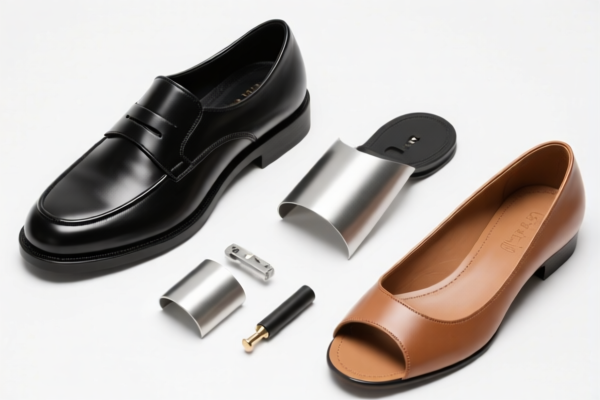
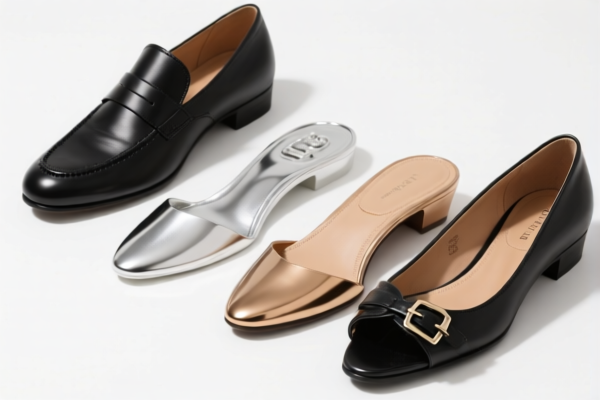

AI Analysis
👟 Shoe Classifications & Customs Clearance Guide (2026 Latest Tax Rules)
🌐 HS Code Reference & Customs Strategy | 2026 Tariff Breakdown | Professional Clearance Guide
📌 I. Product Definition & Classification: What Kind of "Shoes" Are You Importing?
Shoes are a highly segmented category in international trade. The correct HS Code depends entirely on the sole material, upper material, and gender/category. Based on the provided data, here are the specific classifications and their corresponding tax structures.
⚠️ Key Distinction:
- Rubber/Plastic Soles & Uppers: Generally fall under6402series.
- Vegetable Fiber Uppers: Specific to women's footwear, falls under6405series.
- Other/Unspecified Soles: Fall under6404or6405non-specified categories, often attracting higher tariffs.
📦 II. HS Code Classification Details (2026 Latest Tariff Authority Comparison)
| HS Code | Product Description | Applicable Scenario | Total Tax Rate |
|---|---|---|---|
6405.10.00.90 |
Footwear with rubber/plastic soles & uppers, other footwear | General rubber/plastic shoes not in other specific subheadings | 27.5% |
6402.91.40.50 |
Footwear with rubber/plastic soles & uppers, other footwear | Specific sub-category of rubber/plastic footwear | 16.0% |
6404.20.60.80 |
Footwear, other sole category, material unspecified | Shoes with soles not made of rubber/plastic or specified elsewhere | 55.0% |
6405.20.30.60 |
Footwear, women's footwear with upper made of vegetable fiber | Women's shoes using plant-based materials for the upper | 17.5% |
6402.99.49.80 |
Footwear, rubber or plastic sole & upper, other categories | Catch-all for rubber/plastic footwear not listed elsewhere | 55.0% |
🔍 Important Note:
- Codes ending in.40or.50(like6402.91.40.50) often have preferential or specific rates (16.0%) compared to general "other" categories.
- Codes labeled "Other" or "Unspecified" (like6404.20.60.80and6402.99.49.80) carry the highest penalty rate of 55.0%.
- Vegetable fiber women's shoes (6405.20.30.60) have a moderate rate of 17.5%.
💰 III. 2026 Latest Tariff Rate Details (Including Additional Taxes)
✅ Applicable Country: United States (US)
✅ Origin: China (CN)
✅ Effective Date: Current rates apply as per the provided dataset.
🎯 1. 6402.91.40.50 —— Footwear, Rubber/Plastic Sole & Upper, Specific Category
| Item | Detail |
|---|---|
| Base Tariff | 6.0% |
| Section 301 (Additional) Tariff | 0.0% |
| Section 122 Tariff | 10.0% |
| Total Tax Rate | 16.0% |
| Calculation Basis | CIF Value × 16.0% |
| De Minimis Exemption | ❌ Not Applicable (Standard for footwear > $800) |
| Legal Basis Path | Base Tariff: 6.0% → Sec 122: 10.0% → Total: 16.0% |
📌 Explanation:
- This is the most favorable rate among the listed codes.
- It benefits from a 0% Section 301 tariff but includes a 10% Section 122 tariff.
- Ideal for bulk imports of standard rubber/plastic footwear falling into this specific subheading.
🎯 2. 6405.20.30.60 —— Women's Footwear, Vegetable Fiber Upper
| Item | Detail |
|---|---|
| Base Tariff | 7.5% |
| Section 301 (Additional) Tariff | 0.0% |
| Section 122 Tariff | 10.0% |
| Total Tax Rate | 17.5% |
| Calculation Basis | CIF Value × 17.5% |
| De Minimis Exemption | ❌ Not Applicable |
| Legal Basis Path | Base Tariff: 7.5% → Sec 122: 10.0% → Total: 17.5% |
📌 Explanation:
- Slightly higher than6402.91.40.50due to a higher base rate (7.5% vs 6.0%).
- Still avoids Section 301 tariffs (0% addition).
- Suitable for eco-friendly, plant-based women's shoes.
🎯 3. 6405.10.00.90 —— Footwear, Rubber/Plastic Sole & Upper, Other
| Item | Detail |
|---|---|
| Base Tariff | 10.0% |
| Section 301 (Additional) Tariff | 7.5% |
| Section 122 Tariff | 10.0% |
| Total Tax Rate | 27.5% |
| Calculation Basis | CIF Value × 27.5% |
| De Minimis Exemption | ❌ Not Applicable |
| Legal Basis Path | Base Tariff: 10.0% → Sec 301: 7.5% → Sec 122: 10.0% → Total: 27.5% |
📌 Explanation:
- This category incurs both Section 301 (7.5%) and Section 122 (10%) tariffs.
- Total rate is 27.5%, significantly higher than the preferential6402or6405vegetable fiber codes.
- Common for generic "other" rubber/plastic footwear.
🎯 4. 6404.20.60.80 & 6402.99.49.80 —— High-Tariff "Other" Categories
| Item | Detail |
|---|---|
| Base Tariff | 37.5% |
| Section 301 (Additional) Tariff | 7.5% |
| Section 122 Tariff | 10.0% |
| Total Tax Rate | 55.0% |
| Calculation Basis | CIF Value × 55.0% |
| De Minimis Exemption | ❌ Not Applicable |
| Legal Basis Path | Base Tariff: 37.5% → Sec 301: 7.5% → Sec 122: 10.0% → Total: 55.0% |
📌 Explanation:
- CRITICAL WARNING: These codes carry the highest total tax rate of 55%.
-6404.20.60.80applies to footwear with unspecified/other sole materials.
-6402.99.49.80is a catch-all for rubber/plastic footwear not listed in specific subheadings.
- Base tariff alone is 37.5%, plus 17.5% in additional tariffs.
- Avoid these codes unless the product strictly fits here; misclassification can lead to massive overpayment.
🛠️ IV. Customs Clearance Practical Advice (Pitfall Avoidance Guide)
✅ 1. Documentation Checklist (Non-Negotiable)
| Document | Required | Description |
|---|---|---|
| ✅ Product Specification Sheet | ✔️ | Must detail sole material (rubber, plastic, leather, etc.), upper material, and gender. |
| ✅ Material Composition Proof | ✔️ | Certificate of origin for materials (e.g., "100% Vegetable Fiber" for 6405.20.30.60). |
| ✅ Commercial Invoice | ✔️ | Must clearly state "Footwear" and describe material composition accurately. |
| ✅ Packing List | ✔️ | Detailed breakdown by size/gender to avoid mixed shipment issues. |
| ✅ Photos (Insole & Outsole) | ✔️ | Crucial for customs to verify sole material (Rubber/Plastic vs. Other). |
✅ 2. Declaration Tips (Key Mnemonic)
🔥 "Material Defines Code, 'Other' Costs More!"
| Scenario | Correct HS Code | Risk if Incorrect |
|---|---|---|
| Women's shoes with plant-fiber upper | 6405.20.30.60 (17.5%) |
If misdeclared as rubber → 6405.10.00.90 (27.5%) |
| Standard rubber/plastic shoes (specific sub-cat) | 6402.91.40.50 (16.0%) |
If declared as "other" → 6402.99.49.80 (55.0%) |
| General rubber/plastic shoes | 6405.10.00.90 (27.5%) |
Cannot use "other" code if specific sub-cat applies. |
| Shoes with non-rubber/plastic soles | 6404.20.60.80 (55.0%) |
High risk of audit; ensure sole material is proven. |
✅ 3. Special Cases
| Case | Handling Advice |
|---|---|
| Mixed Material Shoes | If sole is rubber but upper is leather, it may fall under 6404 or 6403 (not listed here, but check full tariff). If listed, 6404.20.60.80 applies (55%). |
| Sneakers with Rubber Soles | Likely 6402.99.49.80 (55%) unless they fit specific subheadings like 6402.91.40.50 (16%). Verify subheading carefully! |
| Eco-Friendly/Fiber Shoes | Provide lab reports confirming "Vegetable Fiber" to justify 6405.20.30.60 (17.5%). |
🌍 V. Global Market Comparison (2026 Latest)
| Country/Region | Recommended HS Code | Tariff (China Origin) | Notes |
|---|---|---|---|
| 🇺🇸 USA | 6402.91.40.50 |
16.0% | Lowest rate in provided list. Avoid "Other" codes. |
| 🇺🇸 USA | 6404.20.60.80 |
55.0% | Highest rate. Only if material is truly unspecified/other. |
| 🇨🇳 China | Import into China | Varies | Not covered in provided data. Focus on US export. |
📌 Conclusion:
- USA is the primary market for these tariffs.
-6402.91.40.50(16.0%) is the best-case scenario for rubber/plastic footwear.
-6404.20.60.80and6402.99.49.80(55.0%) are pitfalls to avoid through precise classification.
📌 VI. Common Errors & Pitfalls (Lessons Learned)
❌ Error 1: Declaring all rubber-soled shoes under 6402.99.49.80 (55%)
👉 Consequence: Paying 39% more tax than necessary if the product fits 6402.91.40.50 (16%).
❌ Error 2: Misidentifying "Vegetable Fiber" uppers as generic materials
👉 Consequence: Falling into 6405.10.00.90 (27.5%) instead of 6405.20.30.60 (17.5%).
❌ Error 3: Ignoring "Section 122" and "Section 301" components
👉 Consequence: Underestimating total landed cost. Always sum Base + Sec 301 + Sec 122.
✅ Correct Practice:
"Women's Sandals, Upper: Jute (Vegetable Fiber), Sole: Rubber, Model XYZ" → Declare as
6405.20.30.60(17.5%).
🎯 VII. Conclusion: Professional Declaration Saves Money!
🎯 Remember:
🔹 "Specific Codes Save Cash, 'Other' Codes Burn Cash!"
🔹 "16% vs 55%: A 39% Difference on Every Dollar!"
📌 Pro Tip:
If your footwear is rubber/plastic sole & upper, try to qualify for 6402.91.40.50 (16.0%).
If it is women's with vegetable fiber, use 6405.20.30.60 (17.5%).
Avoid 6402.99.49.80 and 6404.20.60.80 unless absolutely necessary (55.0% is brutal).
📣 Take Action Now:
📞 Consult a customs broker to verify the exact subheading for your specific shoe design.
🚀 Optimize your HS Code, minimize your tax, maximize your profit!
✨ Accurate Classification is the First Step to Cost Efficiency!
💼 Every percentage point of tax reduction is pure profit!
Customer Reviews
About HS Code Classification
The Harmonized System (HS) is an internationally standardized nomenclature developed by the World Customs Organization (WCO) to classify traded products. Over 200 countries use the HS system as the basis for customs tariffs, trade statistics, and import/export regulations.
Each HS code follows a hierarchical structure:
- Chapter (2 digits) — Broad category of goods (e.g., Chapter 84: Machinery and Mechanical Appliances)
- Heading (4 digits) — More specific grouping within the chapter
- Subheading (6 digits) — Internationally standardized breakdown, used by all WCO member countries
- National subdivisions (8-10 digits) — Country-specific extensions for further classification, such as US HTSUS 10-digit codes
Correct HS code classification is essential for smooth customs clearance, accurate duty payment, and compliance with trade regulations. Misclassification can lead to customs delays, overpayment of duties, or penalties.
When importing from CN to US, the applicable tariff rates may include:
- Most-Favored-Nation (MFN) rate — The standard duty rate applied to WTO members
- General rate — Applied to countries without trade agreements
- Trade remedy duties — Additional tariffs such as Section 301 (anti-dumping), Section 232 (national security), or countervailing duties
The information provided on this page is for reference purposes only. For official classification, please consult with your local customs authority or a licensed customs broker.