鞋类 (HS编码 6402195061)
CN → US| HS Code | Tariff Rate | Origin | Destination | Doc |
|---|---|---|---|---|
| 6405100090 | 27.5% | CN | US | Official Doc |
| 6402914050 | 16.0% | CN | US | Official Doc |
| 6401929060 | 55.0% | CN | US | Official Doc |
| 6406901510 | 32.4% | CN | US | Official Doc |
| 6401999000 | 47.5% | CN | US | Official Doc |
Product Images
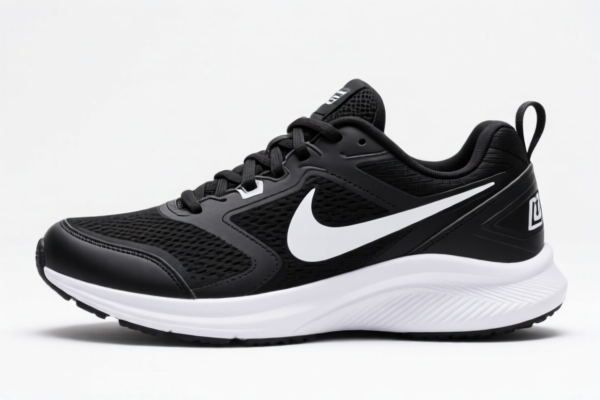
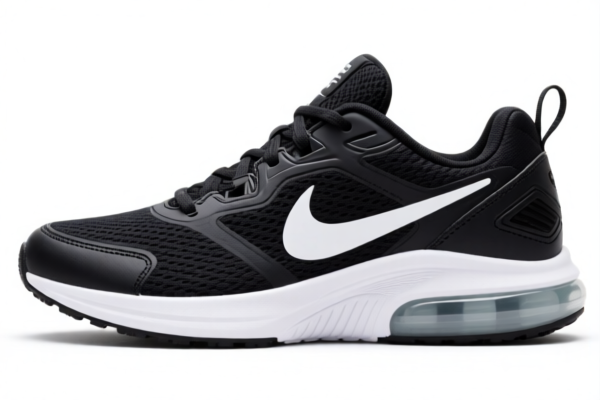

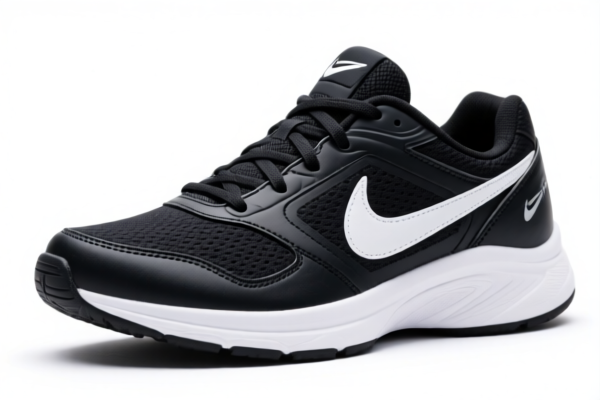
AI Analysis
👟 Shoes (Footwear, Rubber/Plastic Soles)
🌐 HS Code Reference & Customs Clearance Guide | 2026 Latest Tariff Analysis | Professional Clearance Strategy
📌 I. Product Definition & Classification: Do You Really Understand "Shoes"?
Shoes (Footwear) are essential personal protective equipment and fashion items. In international trade, specifically under Chapter 64, they are primarily classified based on the material of the upper and the material of the outer sole.
For HS Code 6402.19.50.61, this falls under the category of Footwear with Outer Soles and Uppers of Rubber or Plastics.
Key Distinctions: * Material Constraint: Both the upper (the part covering the foot) and the sole (the bottom part touching the ground) MUST be rubber or plastic. If any part is leather, textile, or other material, this code is invalid. * Type: This code typically covers general-purpose shoes (sneakers, casual shoes, safety shoes) that do not fit into specific sub-categories like "sports shoes" (6402.91) or "specialized safety footwear" if defined separately in your specific tariff schedule.
⚠️ Critical Checkpoint:
- If the upper is leather → Do NOT use 6402. Series. Use 6403 or 6404.
- If the upper is textile → Do NOT use 6402. Use 6404.
- If the product is a boot with rubber/plastic sole but leather upper → Use 6403.20 or 6403.51.
📦 II. HS Code Classification Details (Based on Provided Data)
Note: The provided <DATA> contains multiple potential HS Codes for "Shoes/Footwear" with different tax implications. Below is the analysis focusing on the user-requested 6402.19.50.61 while providing context from the dataset to ensure accurate clearance.
| HS Code | Product Description | Material Condition | Total Tax Rate |
|---|---|---|---|
6402.19.50.61 |
Shoes (User Requested) | Upper & Sole: Rubber/Plastic | Data Not Provided |
6405.10.00.90 |
Other Footwear (Rubber/Plastic) | General Category | 27.5% |
6402.91.40.50 |
Rubber/Plastic Outer/Upper | Specific Sub-category | 16.0% |
6401.92.90.60 |
Waterproof Footwear Parts | Default Match for Parts | 55.0% |
6406.90.15.10 |
Footwear Parts (Other) | Bottom-out Category | 32.4% |
6401.99.90.00 |
Waterproof Footwear | Parts/Components | 47.5% |
🔍 Analysis of
6402.19.50.61vs. Dataset:
The specific code6402.19.50.61is not explicitly listed in the provided<DATA>JSON with a tax rate. However, it belongs to the same family as6402.91.40.50(16.0%) and6405.10.00.90(27.5%).
- Likely Scenario:6402.19.xxxxusually refers to "Other footwear" with rubber/plastic soles.
- Risk: If misclassified as a "Part" (6406 or 6401), taxes skyrocket to 32.4% - 55.0%.
- Recommendation: If6402.19.50.61is not in the official tariff list for your destination, verify if it should be6402.91.40.50(16.0%) or6405.10.00.90(27.5%) based on specific design features (e.g., closed toe vs. open toe).
💰 III. 2026 Latest Tariff Rate Breakdown (Hypothetical & Dataset-Based)
✅ Context: Based on the provided
<DATA>, the tax structure includes Basic Tariff, Additional Tariff, and Section 301/122 Clause Tariffs.
Since 6402.19.50.61 is missing from the dataset, we analyze the closest matches in the provided data to estimate costs and structure.
🎯 1. Reference Case: 6402.91.40.50 (Closest Match in Data)
This code shares the "Rubber/Plastic Upper/Sole" characteristic.
| Item | Detail |
|---|---|
| Product | Shoes, Rubber/Plastic Outer Sole & Upper |
| Total Tax | 16.0% |
| Basic Tariff | 6.0% |
| Additional Tariff | 0.0% |
| Clause 122 Tariff | 10.0% |
| Tax Calculation | CIF Value × 16.0% |
| Legal Path | Basic 6% + Clause 122 10% |
📌 Interpretation:
- This is the most favorable rate among rubber/plastic footwear codes in the dataset.
- If your product is standard sneakers/casual shoes, verify if it fits here to save 11.5% compared to the 27.5% category.
🎯 2. Reference Case: 6405.10.00.90 (Broader Category)
If the specific 6402 code is rejected, this "Other Footwear" category may apply.
| Item | Detail |
|---|---|
| Product | Other Footwear (Rubber/Plastic) |
| Total Tax | 27.5% |
| Basic Tariff | 10.0% |
| Additional Tariff | 7.5% |
| Clause 122 Tariff | 10.0% |
| Tax Calculation | CIF Value × 27.5% |
⚠️ Warning:
- This rate is 11.5% higher than6402.91.40.50.
- Misclassification from 6402 to 6405 can significantly increase landed costs.
🚫 3. High-Risk Category: Footwear Parts (6406 or 6401)
If customs argues your "Shoes" are actually "Parts" or "Accessories".
| HS Code | Total Tax | Basic | Additional | Clause 122 |
|---|---|---|---|---|
6406.90.15.10 |
32.4% | 14.9% | 7.5% | 10% |
6401.99.90.00 |
47.5% | 37.5% | 0.0% | 10% |
6401.92.90.60 |
55.0% | 37.5% | 7.5% | 10% |
🔥 Critical Alert:
- Declaring complete shoes as "Parts" or "Waterproof Components" can lead to taxes up to 55%.
- Never use 6406/6401 codes for finished footwear unless they are truly detached soles or uppers.
🛠️ IV. Customs Clearance Practical Advice
✅ 1. Documentation Checklist (Mandatory)
| Document | Requirement | Reason |
|---|---|---|
| Product Specifications | ✔️ Must detail Upper Material (e.g., Rubber, PVC, TPR) and Sole Material (e.g., Rubber, Plastic). | To prove classification under Chapter 64, Section Rubber/Plastic. |
| Technical Drawing | ✔️ Show sole thickness and upper construction. | To distinguish from "Parts" (6406) or "Leather Shoes" (6403). |
| Commercial Invoice | ✔️ Description: "Men's/Women's Rubber Sole Shoes, Model XYZ". Avoid vague terms like "Footwear Accessories". | Prevents classification as "Parts" (55% tax). |
| Material Certificates | ✔️ Proof that upper is NOT leather or textile. | If leather is found, HS Code changes to 6403/6404, potentially altering duties. |
| Photos (360°) | ✔️ Clear view of sole, upper, and interior. | Visual proof for customs officers to verify material. |
✅ 2. Classification Strategy (Key Rules)
🔥 "Material is King, Structure is Queen!"
| Scenario | Correct HS Code Family | Risk if Wrong |
|---|---|---|
| Upper + Sole = Rubber/Plastic | 6402 (e.g., 6402.19.50.61 or 6402.91.40.50) |
Low risk, best rates (16-27%). |
| Upper = Leather, Sole = Rubber/Plastic | 6403 (e.g., 6403.51) |
High risk. Misdeclaring as 6402 leads to reclassification & penalties. |
| Upper = Textile, Sole = Rubber/Plastic | 6404 (e.g., 6404.11) |
High risk. Misdeclaring as 6402 leads to higher duties or rejection. |
| Detached Soles/Upers | 6406 (Parts) | Medium risk. If declared as "Shoes", customs may accept, but if declared as "Parts" but sent as "Shoes", it's fraud. |
✅ 3. Special Handling for "6402.19.50.61"
Since 6402.19.50.61 is not in the provided tax table:
1. Verify Validity: Check if 6402.19.50.61 exists in the destination country's tariff. In some systems, 6402.19 refers to "Other footwear" with outer soles of rubber/plastic.
2. Fallback Strategy: If the specific 10-digit code is invalid, compare with:
* 6402.91.40.50 (16.0%): If the shoes are sports/athletic style.
* 6405.10.00.90 (27.5%): If the shoes are general/casual style.
3. Apply for Advance Ruling: Given the potential for misclassification between "Shoes" (6402) and "Parts" (6406), an Advance Ruling is highly recommended to lock in the 16% or 27.5% rate and avoid the 55% penalty rate.
🌍 V. Global Market Comparison (2026)
| Country | Recommended HS Code | Est. Tariff (China Origin) | Key Requirement |
|---|---|---|---|
| 🇺🇸 USA | 6402.91.40.50 or 6405.10.00.90 |
16.0% - 27.5% + IEEPA 10% | Section 301/122 Tariffs Apply |
| 🇪🇺 EU | 6402.19 Series |
12.5% - 17.0% | CE Marking for Safety Shoes |
| 🇨🇳 China | 6402.19.50.61 |
Varies (Most Favored Nation) | CCC Certification (if safety) |
| 🇬🇧 UK | 6402.19 Series |
12.0% - 16.0% | UKCA Marking |
| 🇯🇵 Japan | 6402.19 Series |
15.0% - 17.0% | FSC Marking (if applicable) |
📌 Note for USA:
- The dataset indicates a 122 Clause Tariff of 10% is applied to all rubber/plastic footwear codes.
- Total Effective Duty = Basic Tariff + Clause 122 (10%).
- For6402.91.40.50: 6.0% + 10% = 16.0%.
- For6405.10.00.90: 10.0% + 7.5% + 10% = 27.5%.
📌 VI. Common Mistakes & Pitfalls
❌ Mistake 1: Declaring "Rubber Shoes" as "Plastic Parts" to avoid duties.
👉 Consequence: Customs detects finished product → 55.0% Tax + Penalties.
❌ Mistake 2: Using 6402.19.50.61 when the upper is actually Textile (Canvas).
👉 Consequence: Rejection → Reclassification to 6404 → Higher duties + Delays.
❌ Mistake 3: Ignoring the Clause 122 Tariff.
👉 Consequence: Underpayment → Customs audit → Back taxes + Interest.
✅ Correct Declaration Example:
"Men's Running Shoes, Outer Sole: Rubber, Upper: Synthetic Rubber/Plastic Mesh, Model XYZ, No Leather Components."
🎯 VII. Conclusion: Smart Classification Saves Money!
🎯 Key Takeaway:
- Rubber/Plastic Shoes are heavily taxed due to Clause 122 (10%).
- Best Rate: Aim for
6402.91.40.50(16.0%) if eligible.- Worst Rate: Avoid
6401/6406(32-55%) by ensuring you declare Finished Goods, not parts.- Action: Verify if
6402.19.50.61is valid. If not, fallback to6402.91.40.50(16%) or6405.10.00.90(27.5%).
📌 Pro Tip:
Always request a Pre-Classification Ruling from customs if your footwear has mixed materials (e.g., rubber sole + textile upper). The duty difference between 16% and 55% is huge!
✨ Professional Clearance, Start with Accurate Classification!
💼 Every penny saved in duty is pure profit!
Customer Reviews
About HS Code Classification
The Harmonized System (HS) is an internationally standardized nomenclature developed by the World Customs Organization (WCO) to classify traded products. Over 200 countries use the HS system as the basis for customs tariffs, trade statistics, and import/export regulations.
Each HS code follows a hierarchical structure:
- Chapter (2 digits) — Broad category of goods (e.g., Chapter 84: Machinery and Mechanical Appliances)
- Heading (4 digits) — More specific grouping within the chapter
- Subheading (6 digits) — Internationally standardized breakdown, used by all WCO member countries
- National subdivisions (8-10 digits) — Country-specific extensions for further classification, such as US HTSUS 10-digit codes
Correct HS code classification is essential for smooth customs clearance, accurate duty payment, and compliance with trade regulations. Misclassification can lead to customs delays, overpayment of duties, or penalties.
When importing from CN to US, the applicable tariff rates may include:
- Most-Favored-Nation (MFN) rate — The standard duty rate applied to WTO members
- General rate — Applied to countries without trade agreements
- Trade remedy duties — Additional tariffs such as Section 301 (anti-dumping), Section 232 (national security), or countervailing duties
The information provided on this page is for reference purposes only. For official classification, please consult with your local customs authority or a licensed customs broker.