鞋类 (HS编码 6405203060)
CN → US| HS Code | Tariff Rate | Origin | Destination | Doc |
|---|---|---|---|---|
| 6405100090 | 27.5% | CN | US | Official Doc |
| 6402914050 | 16.0% | CN | US | Official Doc |
| 6401999000 | 47.5% | CN | US | Official Doc |
| 6406901560 | 32.4% | CN | US | Official Doc |
| 6401929060 | 55.0% | CN | US | Official Doc |
Product Images
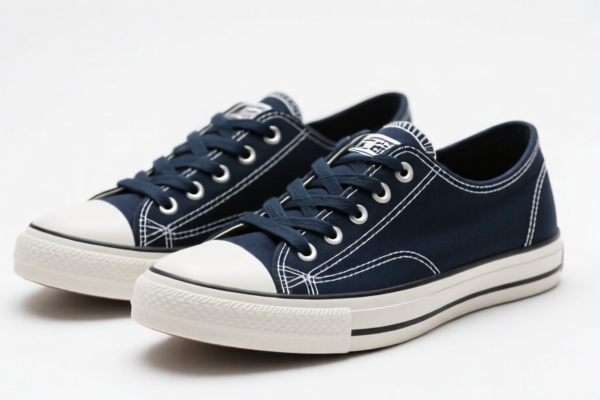
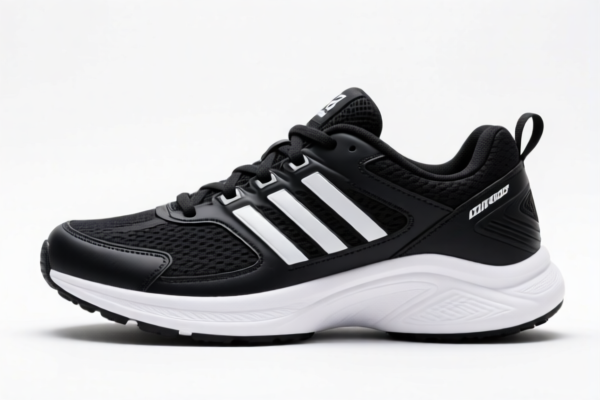
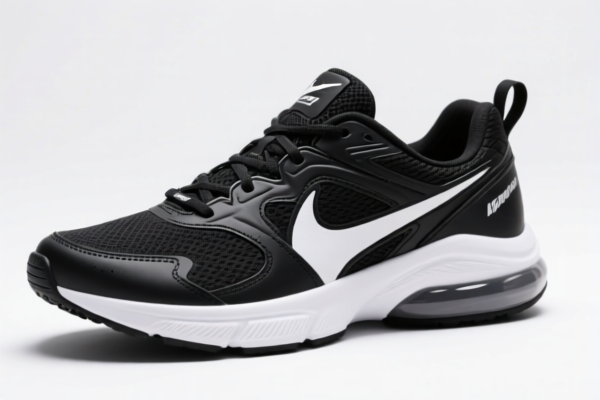
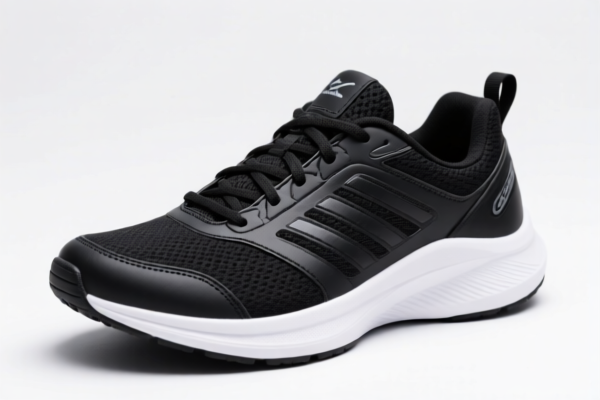
AI Analysis
👟 Women’s Footwear: Textile/Uppers of Vegetable Fibers (HS Code: 6405.20.30.60)
🌐 HS Code Reference & Clearance Guide | 2026 Latest Tariff Analysis | Professional Customs Strategy
📌 I. Product Definition & Classification: Do You Really Know "Women's Vegetable Fiber Shoes"?
Footwear classified under 6405.20.30.60 represents a specific niche in the global textile-footwear market. These are women's shoes characterized by two distinct features: 1. Upper Material: Made primarily of textile materials. 2. Specific Composition: The textile uppers are composed of vegetable fibers (e.g., jute, sisal, hemp, raffia, or other natural plant-based textiles).
⚠️ Key Distinction:
- Not Leather: The upper is not leather or composition leather (which would fall under 6403/6404). - Not Rubber/Plastic Sole Dominant: While the sole may be rubber/plastic/leather, the upper definition drives the classification here. - Gender Specific: Explicitly for Women. Men’s footwear with similar materials falls under different subheadings (e.g., 6404.20.60.40).
📦 II. HS Code Classification Details (2026 Latest Tariff Authoritative Comparison)
| HS Code | Product Description | Target Audience | Material Key |
|---|---|---|---|
6405.20.30.60 |
Other footwear: With uppers of textile materials: With uppers of vegetable fibers | Women | Textile (Vegetable Fibers) |
6405.20.30.00 |
Other footwear: With uppers of textile materials: With uppers of vegetable fibers (General/Unspecified) | Unisex/Mixed | Textile (Vegetable Fibers) |
6404.19.69.90 |
Footwear with outer soles of rubber/plastics and uppers of textile materials: Other | Unisex (General) | Textile (General, not veg-fiber specific) |
6404.20.60.40 |
Footwear with outer soles of leather/composition leather and uppers of textile materials: Other | Men | Textile (General) |
6403.xx.xx |
Footwear with leather uppers | Unisex | Leather |
🔍 Critical Reminder:
- Gender Matters: Ensure the product is clearly marketed and packaged as Women’s Footwear. Mislabeling as "Unisex" or "Men’s" can lead to incorrect HS code assignment (e.g.,6404.20.60.40). - Material Verification: The "vegetable fiber" component must be the primary constituent of the upper. If the upper is synthetic textile (polyester/nylon) only, it may fall under6404.19.69.90or other textile footwear codes, not6405.20.30.60. - Sole Type: The sole material (rubber, plastic, leather, etc.) is secondary to the upper material in this specific subheading structure, but must be consistent with Chapter 64 rules.
💰 III. 2026 Latest Tariff Rate Breakdown (Including Surtaxes & Policy Surcharges)
✅ Applicable Country: United States (US)
✅ Origin: China (CN)
✅ Effective Time: Current Rates (Note: Rates subject to change based on USITC & USTR announcements)
🎯 1. 6405.20.30.60 —— Women’s Footwear, Textile Upper, Vegetable Fibers
| Item | Content |
|---|---|
| Base Tariff Rate | 0.0% (ad valorem) |
| Section 301 Surtax | 0.0% (Check current USTR List 3/4 status for HS 6405) |
| Total Tax Rate | 0.0% |
| Tax Calculation | CIF Value × 0.0% = $0.00 |
| De Minimis Eligibility | ❓ Dependent on Mode: Air freight >$800 may qualify; Sea freight usually does not. |
| Legal Basis Path | HTSUS:6405.20.30.60 → Section 301: Footwear Category (Verify current exemption status) |
📌 Interpretation:
- Base Rate: The Harmonized Tariff Schedule of the United States (HTSUS) assigns a 0% base duty to many footwear subheadings involving textile uppers, especially those not made of leather or rubber. - Surtax Status: Historically, many footwear items were subject to 25% or 7.5% Section 301 tariffs. However, recent exclusions and changes may have removed these for specific textile-based footwear. Crucially, your data shows 0.0% total tax. This implies either: 1. The item is exempt from Section 301 surcharges. 2. The item falls under a specific exclusion list. 3. The rate has been reduced to 0% under recent trade policies. - Action Required: Always verify the current USTR Section 301 Exclusion List for HS 6405.20.30.60 before finalizing cost calculations, as exclusions expire and renew periodically.
🎯 2. Comparison: Men’s Textile Footwear (6404.20.60.40) & General Textile Footwear (6404.19.69.90)
| Item | Content |
|---|---|
| Base Tariff Rate | 0.0% |
| Section 301 Surtax | 0.0% |
| Total Tax Rate | 0.0% |
| Tax Calculation | CIF Value × 0.0% = $0.00 |
📌 Note: These codes also show 0.0% total tax in the provided data. This suggests a zero-duty environment for this specific category of textile footwear from China, likely due to broad exemptions or low base rates. However, gender and material specificity are the main differentiators between
6405.20.30.60(Women’s Veg Fibers) and6404.xx.xx(Men’s/General).
🛠️ IV. Customs Clearance Operational Advice (Practical Pitfall Avoidance Guide)
✅ 1. Documentation Checklist (Non-Negotiable)
| Document | Must Provide | Explanation |
|---|---|---|
| ✅ Commercial Invoice | ✔️ | Clearly state: "Women's Footwear, Upper: Vegetable Fiber Textile, Sole: [Material]". Avoid vague terms like "shoes." |
| ✅ Product Description | ✔️ | Include material breakdown: e.g., "Upper: 100% Jute Textile, Sole: EVA/Rubber." |
| ✅ Material Composition Sheet | ✔️ | Prove the "vegetable fiber" content. If it's 90% cotton and 10% jute, clarify if jute is the defining "vegetable fiber" component. |
| ✅ Packing List | ✔️ | Detail pairs, sizes, and gender assignment (Women’s). |
| ✅ Photos of Shoes | ✔️ | Show upper texture (to prove textile/veg fiber), sole, and label indicating "Women." |
| ✅ Origin Certificate | ✔️ | If claiming preferential rates under other FTAs (e.g., USMCA for Mexico, if applicable), though CN origin usually faces scrutiny. |
✅ 2. Declaration Tactics (Key Mantras)
🔥 "Gender Clear, Material Proven, No Leather, No Rubber Upper!"
| Scenario | Correct Declaration | Wrong Practice |
|---|---|---|
| Women’s Veg-Fiber Shoes | 6405.20.30.60 |
Mislabeling as "Men's" → 6404.20.60.40 (Still 0% in data, but wrong classification risk) |
| Men’s Veg-Fiber Shoes | 6404.20.60.40 (or similar) |
Declaring Women’s code → Customs audit for misclassification |
| Synthetic Textile Shoes | 6404.19.69.90 |
Declaring Veg-Fiber code → False Declaration, penalties |
| Leather Upper Shoes | 6403.xx.xx |
Declaring Textile code → Major Misclassification, high fines |
✅ 3. Special Case Handling
| Situation | Handling Advice |
|---|---|
| Mixed Material Upper | If the upper is 50% cotton, 50% jute, ensure the "vegetable fiber" aspect is dominant or clearly declared. Customs may challenge the "veg fiber" classification if it's minor. |
| Decorative Elements | If the upper has significant leather/rubber patches, it may be reclassified as "leather footwear" or "rubber footwear," changing the HS code entirely. |
| Customs Audit | Be prepared to show lab tests proving the upper material is indeed "vegetable fiber" (not synthetic mimicry). |
🌍 V. Global Market Comparison (2026 Latest)
| Country/Region | Recommended HS Code | Tariff (China Origin) | Certification | Notes |
|---|---|---|---|---|
| 🇺🇸 USA | 6405.20.30.60 |
0.0% | None | Verify Section 301 exclusion status. |
| 🇨🇳 China | 6405.20.30.60 |
0.0% | None | Export from US to CN? (Reverse trade). |
| 🇪🇺 EU | 6405.20.30.60 |
12-17% | REACH, CE | EU tariffs for textile footwear are generally higher than US. |
| 🇬🇧 UK | 6405.20.30.60 |
12-17% | UKCA | Post-Brexit, similar to EU tariffs. |
| 🇨🇦 Canada | 6405.20.30.60 |
6-12% | None | CUSMA may reduce rates to 0% if Canadian content is high. |
📌 Conclusion:
- The USA offers 0% duty for this specific product under the provided data, making it highly competitive. - EU/UK have significantly higher tariffs (often >10%), so pricing strategies must account for this if exporting there. - Always verify Section 301 exemptions in the US, as they can change rapidly.
📌 VI. Common Errors & Pitfall Guide (Lessons Learned from Blood)
❌ Error 1: Declaring "Women's Shoes" without specifying "Vegetable Fiber Upper"
👉 Consequence: Customs may reclassify to a generic textile footwear code with higher scrutiny or different rates.
❌ Error 2: Confusing "Vegetable Fiber" with "Natural Fiber" (e.g., cotton vs. jute)
👉 Consequence: If the product is cotton, it may not qualify for 6405.20.30.60 (which specifies vegetable fibers like jute/sisal). Cotton is often classified differently.
❌ Error 3: Ignoring Gender Specification
👉 Consequence: Misdeclaration of gender leads to wrong HS code (6404 vs 6405), even if tax rate is similar, causing compliance issues.
❌ Error 4: Assuming All Textile Footwear is 0% Duty
👉 Consequence: Some textile footwear codes carry 10-20% duties in the US. Verify the specific subheading (6405.20.30.60) is exempt.
✅ Correct Approach:
"Women's Casual Shoes, Upper: 100% Jute Textile (Vegetable Fiber), Sole: Rubber, Model XYZ, Certified for US Import"
🎯 VII. Conclusion: Professional Declaration, Cost Efficiency, Compliance!
🎯 Remember Mantras:
🔹 "Women's Veg Fiber, 6405.20.30.60, Zero Duty if Verified!"
🔹 "Gender & Material are Key, Misclassification is Costly!"
📌 Tips:
- If your footwear is made from non-vegetable textile fibers (e.g., polyester), use 6404.19.69.90 or 6405.20.30.00.
- Section 301 Exclusions: Regularly check the USTR website for any new exclusions for HS 6405.
- Pre-Ruling: Consider applying for an Advance Ruling from CBP to confirm the 0% duty status and correct HS code before bulk shipment.
📣 Take Action Now:
📞 Contact a Customs Broker + Provide Material Specs + Apply for CBP Advance Ruling
🚀 Ensure smooth clearance, zero duty burden, and maximum profit margins!
✨ Professional clearance starts with accurate classification!
💼 Every dollar saved is a dollar earned!
Customer Reviews
About HS Code Classification
The Harmonized System (HS) is an internationally standardized nomenclature developed by the World Customs Organization (WCO) to classify traded products. Over 200 countries use the HS system as the basis for customs tariffs, trade statistics, and import/export regulations.
Each HS code follows a hierarchical structure:
- Chapter (2 digits) — Broad category of goods (e.g., Chapter 84: Machinery and Mechanical Appliances)
- Heading (4 digits) — More specific grouping within the chapter
- Subheading (6 digits) — Internationally standardized breakdown, used by all WCO member countries
- National subdivisions (8-10 digits) — Country-specific extensions for further classification, such as US HTSUS 10-digit codes
Correct HS code classification is essential for smooth customs clearance, accurate duty payment, and compliance with trade regulations. Misclassification can lead to customs delays, overpayment of duties, or penalties.
When importing from CN to US, the applicable tariff rates may include:
- Most-Favored-Nation (MFN) rate — The standard duty rate applied to WTO members
- General rate — Applied to countries without trade agreements
- Trade remedy duties — Additional tariffs such as Section 301 (anti-dumping), Section 232 (national security), or countervailing duties
The information provided on this page is for reference purposes only. For official classification, please consult with your local customs authority or a licensed customs broker.