鞋类零件 (HS 6406901000)
CN → US| HS Code | Tariff Rate | Origin | Destination | Doc |
|---|---|---|---|---|
| 6401929060 | 55.0% | CN | US | Official Doc |
| 6406901510 | 32.4% | CN | US | Official Doc |
| 6401999000 | 47.5% | CN | US | Official Doc |
| 6406901560 | 32.4% | CN | US | Official Doc |
| 6402914050 | 16.0% | CN | US | Official Doc |
Product Images
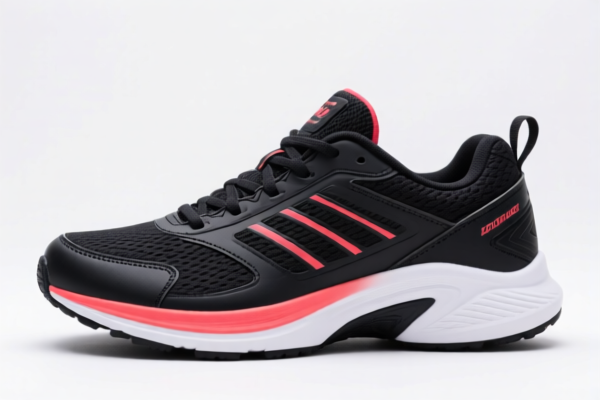
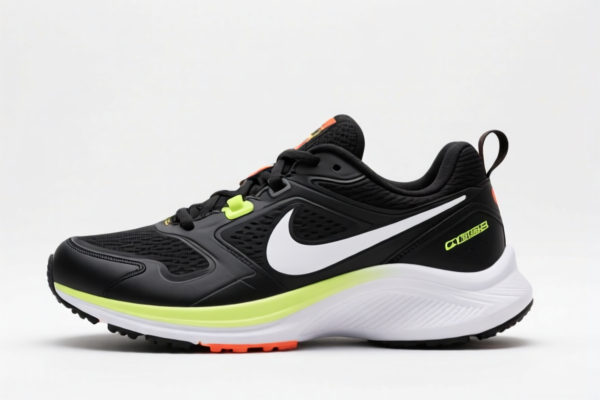
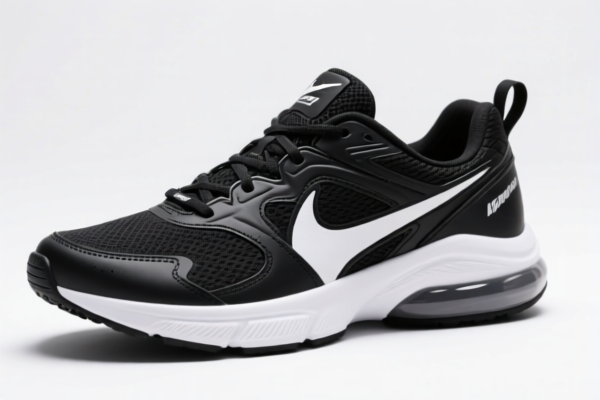
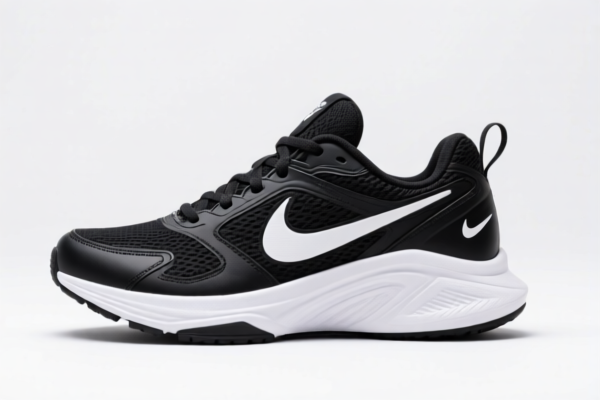
AI Analysis
👟 Shoe Parts (Generic HS 6406.90.10.00 & Specific Variants)
🌐 HS Code Reference & Customs Clearance Guide | 2026 Latest Tariff Analysis | Professional Clearance Strategy
📌 I. Product Definition & Classification: Do You Really Understand "Shoe Parts"?
Shoe parts are the essential components that constitute footwear. In international trade, they are generally classified under Chapter 64 (Footwear, headgear, umbrellas, sun umbrellas, seat sticks, whips, riding-crops and parts thereof).
The generic code 6406.90.10.00 usually refers to "Other parts of footwear". However, based on specific material attributes (e.g., waterproof vs. non-waterproof) and structural components (e.g., outsoles vs. uppers/parts), customs authorities may require more specific sub-classifications to determine the correct tax burden.
⚠️ Key Distinction:
- If the part is a complete shoe or boot (with outer sole and upper attached), it falls under 6401 (Waterproof) or 6402 (Rubber/Plastic soles).
- If it is a loose component (e.g., insole, heel, decorative piece, or unpunched upper), it falls under 6406.
- Crucial Note: The provided data suggests potential classification conflicts between "Shoe Parts" (6406) and "Waterproof/Specific Footwear" (6401/6402) depending on the interpretation of "part" vs. "assembly."
📦 II. HS Code Classification Details (Based on Provided Data)
The following table details the specific HS Codes, summaries, and tax structures derived from the input data. Note that while the user asked for 6406.90.10.00, the data provides four specific variations with different tax implications.
| HS Code | Summary / Justification | Total Tax Rate | Tax Breakdown |
|---|---|---|---|
6401.92.90.60 |
Shoe Part: Classified as a spare part for other waterproof footwear, based on the default tendency to match parts with the final product category. | 55.0% | Basic: 37.5% Add-on: 7.5% Section 301 (122): 10% |
6406.90.15.10 |
Shoe Part: Explicitly belongs to the shoe parts category; matched under the "other" residual clause rule. | 32.4% | Basic: 14.9% Add-on: 7.5% Section 301 (122): 10% |
6401.99.90.00 |
Shoe Part: Fits the waterproof footwear category; matched based on the default tendency for parts and absence of material conflict. | 47.5% | Basic: 37.5% Add-on: 0.0% Section 301 (122): 10% |
6406.90.15.60 |
Shoe Part: Consistent with shoe accessories in function; matched based on part category rules with no material conflict. | 32.4% | Basic: 14.9% Add-on: 7.5% Section 301 (122): 10% |
6402.91.40.50 |
Shoe Part: Fits the morphology of footwear; first 6 digits match the material attributes of rubber/plastic outer soles and uppers. | 16.0% | Basic: 6.0% Add-on: 0.0% Section 301 (122): 10% |
🔍 Key Insight:
- Lowest Tax Option:6402.91.40.50(16.0%) applies if the part is considered part of a rubber/plastic-soled shoe assembly.
- Highest Tax Option:6401.92.90.60(55.0%) applies if classified as a part for waterproof footwear (e.g., rain boots), attracting higher basic tariffs.
- Standard Part Option:6406.90.15.10/60(32.4%) is the standard "other shoe part" classification.
💰 III. 2026 Latest Tariff Rate Breakdown (Including Add-ons & Policy Surcharges)
✅ Applicable Country: United States (US)
✅ Origin: China (CN)
✅ Effective Time: Post-November 2025 (Subject to Section 301 and IEEPA rules)
🎯 1. 6402.91.40.50 —— Rubber/Plastic Outer Sole Parts (Lowest Tax)
| Item | Details |
|---|---|
| Basic Tariff | 6.0% (ad valorem) |
| USITC Add-on | 0.0% (No additional Section 301 surcharge on basic rate for this specific sub-code in this context) |
| Section 301 (122) | +10% (Specific to this classification in the provided data) |
| Total Rate | 16.0% |
| Calculation | CIF Value × 16.0% |
| De Minimis Exemption | ❌ No (Section 301 goods generally do not qualify for de minimis entry under current enforcement trends) |
| Legal Basis | USITC:6402.91.40.50 → FOOTNOTE:Section 301 |
📌 Explanation:
- This code assumes the part is integral to rubber/plastic footwear.
- The low basic tariff (6%) combined with no add-on tax makes this the most cost-effective classification if the product nature allows.
🎯 2. 6406.90.15.10 & 6406.90.15.60 —— Other Shoe Parts (Medium Tax)
| Item | Details |
|---|---|
| Basic Tariff | 14.9% |
| USITC Add-on | +7.5% |
| Section 301 (122) | +10% |
| Total Rate | 32.4% |
| Calculation | CIF Value × 32.4% |
| De Minimis Exemption | ❌ No |
| Legal Basis | USITC:6406.90.15.x0 → FOOTNOTE:Section 301 |
📌 Note:
- These codes represent general "other shoe parts" not specified elsewhere.
- The 7.5% add-on tax significantly increases the cost compared to the rubber/plastic sole parts.
🎯 3. 6401.99.90.00 & 6401.92.90.60 —— Waterproof Footwear Parts (High Tax)
| Item | Details |
|---|---|
| Basic Tariff | 37.5% |
| USITC Add-on | 0.0% (6401.99) or 7.5% (6401.92) |
| Section 301 (122) | +10% |
| Total Rate | 47.5% (6401.99) or 55.0% (6401.92) |
| Calculation | CIF Value × 47.5%/55.0% |
| De Minimis Exemption | ❌ No |
📌 Warning:
- Highest Risk Category: Classifying parts as belonging to waterproof footwear attracts a much higher basic tariff (37.5%).
- Justification Risk: Customs may challenge this classification if the part is not explicitly for waterproof boots (e.g., rain boots). Ensure product documentation supports "waterproof" claims.
🛠️ IV. Customs Clearance Practical Advice (Avoiding Pitfalls)
✅ 1. Documentation Checklist (Non-negotiable)
| Document | Required? | Notes |
|---|---|---|
| ✅ Product Specification Sheet | ✔️ | Must detail material (rubber, plastic, leather, textile) and function. |
| ✅ Part Diagram/Structure Map | ✔️ | Crucial for proving it is a "part" and not a "complete shoe." |
| ✅ Commercial Invoice | ✔️ | Clear description: e.g., "Rubber Outsole for Safety Boots" not just "Shoe." |
| ✅ Material Certificate | ✔️ | To prove if it is waterproof (affects 6401 vs. 6406). |
| ✅ Packing List | ✔️ | Separate parts from complete shoes in the same shipment if possible. |
✅ 2. Declaration Strategy (Key Tips)
🔥 "Material Dictates Code, Function Confirms Purpose!"
| Scenario | Recommended HS Code | Risk if Incorrect |
|---|---|---|
| Rubber/Plastic Sole Piece | 6402.91.40.50 (16.0%) |
If declared as general part (6406), tax jumps to 32.4%. |
| General Shoe Component (e.g., insole, heel) | 6406.90.15.10 (32.4%) |
Safe, standard classification. |
| Waterproof Boot Part (e.g., upper for rain boot) | 6401.92.90.60 (55.0%) |
Only if specifically for waterproof footwear. High tax risk. |
| Complete Shoe (misclassified as part) | N/A (Should be 6401/6402 full) |
If declared as "part" but is complete, customs may seize and reclassify, leading to penalties. |
✅ 3. Special Circumstances
| Situation | Handling Advice |
|---|---|
| Mixed Shipment (Parts + Complete Shoes) | Declare Separately. Mixing codes can trigger full shipment audits. |
| OEM Custom Parts | Provide client design specs to prove it is a "part" and not a finished good. |
| Waterproof Claim | If not explicitly waterproof, avoid 6401 codes. Use 6406 to save on basic tariffs. |
| Section 301 Exemptions | Check if any specific HS codes are on the current exemption list (though rare for footwear parts). |
🌍 V. Global Market Comparison (2026)
| Country/Region | Recommended HS Code | Estimated Duty | Notes |
|---|---|---|---|
| 🇺🇸 USA | 6402.91.40.50 or 6406.90.15.10 |
16.0% - 32.4% | High Section 301 impact. |
| 🇨🇳 China | 6406.90.90.90 |
10% - 15% | Lower basic tariffs, no Section 301. |
| 🇪🇺 EU | 6406.90.90 |
6.5% | No significant add-on tariffs. |
| 🇬🇧 UK | 6406.90.90 |
6.5% | Post-Brexit tariff remains low. |
📌 Conclusion:
- USA is the most expensive market for shoe parts due to Section 301 and high basic tariffs for waterproof items.
- EU/UK offer lower duty rates for generic shoe parts.
📌 VI. Common Errors & Pitfalls (Lessons Learned)
❌ Error 1: Classifying a rubber sole as a generic "shoe part" (6406) instead of a "rubber sole" (6402).
👉 Consequence: Missed opportunity to save 16.4% (32.4% - 16.0%).
❌ Error 2: Classifying a non-waterproof part as a waterproof footwear part (6401).
👉 Consequence: Tax jump from 32.4% to 55.0%. Overpayment.
❌ Error 3: Failing to specify material in the description.
👉 Consequence: Customs may assign a default high-duty code or delay clearance for inspection.
❌ Error 4: Ignoring Section 301 implications.
👉 Consequence: Unexpected 10% surcharge at port, causing cash flow issues.
✅ Correct Practice:
"Rubber Outsole for Industrial Safety Shoes, Non-Waterproof, Model XYZ, 100% Rubber"
🎯 VII. Conclusion: Precision in Classification Saves Money!
🎯 Remember These Rules:
🔹 "Rubber/Plastic Sole? Go for 6402 (16%)."
🔹 "General Part? Go for 6406 (32.4%)."
🔹 "Waterproof Part? Prepare for 6401 (47.5%-55%)."
🔹 "Section 301 Adds 10% Always!"
📌 Pro Tip:
If your parts are originating from Vietnam, Mexico, or Thailand, you may avoid the 10% Section 301 surcharge (and potentially lower basic tariffs).
Recommendation: Apply for an Advance Ruling from US Customs if your product is complex or high-value.
📣 Immediate Action:
📞 Contact a professional customs broker.
📸 Provide product photos and material specs.
🚀 Secure the lowest possible HS Code for your shoe parts!
✨ Professional Classification, Profitable Clearance!
💼 Every percentage point saved is pure profit!
Customer Reviews
About HS Code Classification
The Harmonized System (HS) is an internationally standardized nomenclature developed by the World Customs Organization (WCO) to classify traded products. Over 200 countries use the HS system as the basis for customs tariffs, trade statistics, and import/export regulations.
Each HS code follows a hierarchical structure:
- Chapter (2 digits) — Broad category of goods (e.g., Chapter 84: Machinery and Mechanical Appliances)
- Heading (4 digits) — More specific grouping within the chapter
- Subheading (6 digits) — Internationally standardized breakdown, used by all WCO member countries
- National subdivisions (8-10 digits) — Country-specific extensions for further classification, such as US HTSUS 10-digit codes
Correct HS code classification is essential for smooth customs clearance, accurate duty payment, and compliance with trade regulations. Misclassification can lead to customs delays, overpayment of duties, or penalties.
When importing from CN to US, the applicable tariff rates may include:
- Most-Favored-Nation (MFN) rate — The standard duty rate applied to WTO members
- General rate — Applied to countries without trade agreements
- Trade remedy duties — Additional tariffs such as Section 301 (anti-dumping), Section 232 (national security), or countervailing duties
The information provided on this page is for reference purposes only. For official classification, please consult with your local customs authority or a licensed customs broker.