骑行服
CN → US| HS Code | Tariff Rate | Origin | Destination | Doc |
|---|---|---|---|---|
| 6211335040 | 33.5% | CN | US | Official Doc |
| 6211325060 | 25.6% | CN | US | Official Doc |
| 6112120040 | 45.7% | CN | US | Official Doc |
| 6112120030 | 45.7% | CN | US | Official Doc |
Product Images

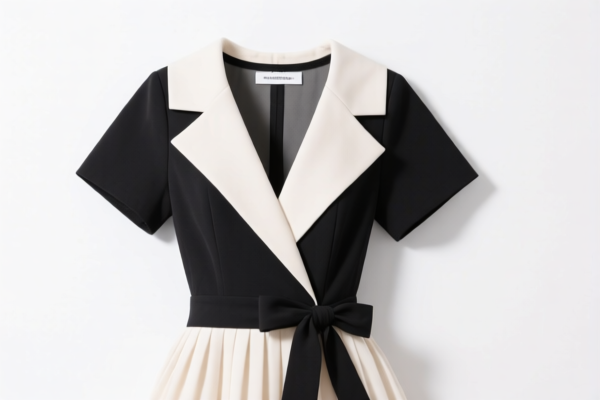
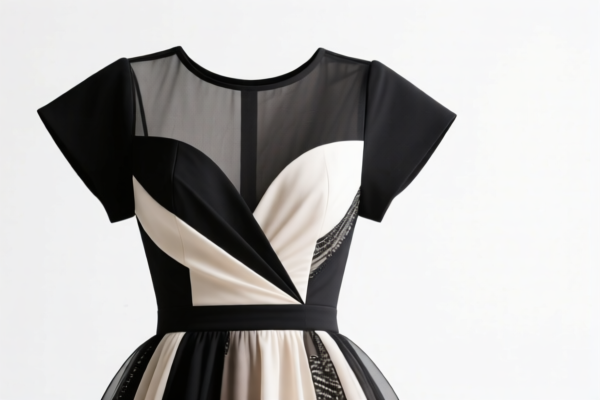
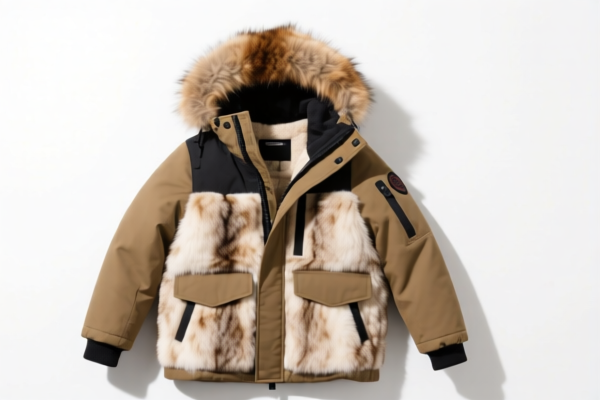
AI Analysis
🚴♂️ Cycling Suits (Riding Apparel) – The Ultimate HS Code & Tariff Guide for 2026
🌐 Global Trade Compliance | US Import Regulations | Professional Customs Clearance Strategy
📌 I. What is a "Cycling Suit"? Understanding the Product & Classification Logic
Cycling Suits are specialized athletic garments designed for cyclists, combining aerodynamics, moisture-wicking properties, and durability. In international trade, the critical factor for HS Code classification is the fabric construction (Knitted vs. Woven) and the material composition (Synthetic vs. Cotton).
⚠️ Key Classification Distinction:
- Knitted (Jersey Style): Stretchy, seamless, or sewn from knitted fabric → Chapter 61.
- Woven (Jacket/Outerwear Style): Structured, often with zippers/seams, less stretch → Chapter 62.
- Material Matters: "Synthetic" (Polyester/Nylon) vs. "Cotton" or blends drastically changes the tax rate.
📦 II. HS Code Classification Details (Based on Provided Data)
According to the latest data, Cycling Suits fall into five distinct categories based on their specific construction. Misclassification here can lead to significant tax penalties.
| HS Code | Product Description | Material & Construction | Total Tax Rate |
|---|---|---|---|
6112.12.00.30 |
Knitted Cycling Suit (Synthetic) | Knitted, Made of Synthetic Fibers | 45.7% |
6112.12.00.40 |
Knitted Cycling Suit (Synthetic) | Knitted, Made of Synthetic Fibers | 45.7% |
6211.33.50.40 |
Woven Cycling Outerwear (Synthetic) | Woven, Made of Synthetic Fibers (Outerwear) | 33.5% |
6211.32.50.60 |
Woven Cycling Outerwear (Cotton/Synthetic) | Woven, Made of Cotton or Synthetic | 25.6% |
6103.23.00.75 |
Knitted Shirt-Type Ensemble (Synthetic) | Knitted, Shirt-style, Part of an Ensemble | Variable + 17.5% |
🔍 Critical Analysis:
- Knitted vs. Woven: Knitted suits (6112.12) face the highest tax (45.7%), while woven suits (6211) range from 25.6% to 33.5%.
- Ensemble Rule: The6103entry implies a set (e.g., jersey + shorts) declared as a single unit. The base rate is "the rate applicable to each garment if separately classified" + 17.5%.
- Material Mix: Cotton blends (6211.32) enjoy a lower base tax compared to 100% synthetic woven gear.
💰 III. 2026 Tariff Breakdown (Detailed Tax Structure)
✅ Target Market: United States (US)
✅ Origin: China (CN)
✅ Applicable Timeframe: Current & Upcoming Trade Rules
All tariffs listed below are compounded from three distinct sources: Base Duty, Section 301/Section 232 (Additional), and Section 122 (New Section).
🎯 1. High-Tax Category: Knitted Synthetic (6112.12.00.30 & .40)
Target: Standard Polyester/Nylon Knitted Cycling Jerseys & Shorts.
| Tax Component | Rate | Description |
|---|---|---|
| Base Duty | 28.2% | Standard MFN duty for knitted synthetics. |
| Section 301 Additional | +7.5% | Specific "Section 301" tariff on Chinese textiles. |
| Section 122 Additional | +10.0% | New "Section 122" tariff (effective 2024/2025). |
| TOTAL RATE | 45.7% | ⚠️ Extremely High |
📌 Tax Logic:
Base (28.2%) + 301 (7.5%) + 122 (10%) = 45.7%
This is the most expensive classification. Do not classify synthetic knitted suits under a lower category.
🎯 2. Medium-High Tax: Woven Synthetic Outerwear (6211.33.50.40)
Target: Windbreakers, hard-shell cycling jackets made of synthetic woven fabric.
| Tax Component | Rate | Description |
|---|---|---|
| Base Duty | 16.0% | Standard duty for woven synthetic outerwear. |
| Section 301 Additional | +7.5% | Section 301 surcharge. |
| Section 122 Additional | +10.0% | Section 122 surcharge. |
| TOTAL RATE | 33.5% | ⚠️ High |
📌 Tax Logic:
Base (16.0%) + 301 (7.5%) + 122 (10%) = 33.5%
Woven fabrics are taxed lower than knitted ones in the base rate, but the 301+122 add-ons remain consistent.
🎯 3. Lower-Mid Tax: Woven Cotton/Synthetic Mix (6211.32.50.60)
Target: Vintage-style cycling shorts or jackets with cotton blends.
| Tax Component | Rate | Description |
|---|---|---|
| Base Duty | 8.1% | Lower base duty for cotton-blend woven goods. |
| Section 301 Additional | +7.5% | Section 301 surcharge. |
| Section 122 Additional | +10.0% | Section 122 surcharge. |
| TOTAL RATE | 25.6% | ✅ Most Competitive |
📌 Tax Logic:
Base (8.1%) + 301 (7.5%) + 122 (10%) = 25.6%
If your suit contains significant cotton content and is woven, this is the most cost-effective HS Code.
🎯 4. Special Case: Ensemble/Shirt Type (6103.23.00.75)
Target: Cycling shirts declared as part of a set (e.g., shirt + pants).
| Tax Component | Rate | Description |
|---|---|---|
| Base Duty | Varies | "Rate applicable to each garment if separately classified." |
| Section 301 Additional | +7.5% | Applicable. |
| Section 122 Additional | +10.0% | Applicable. |
| Total Calculation | Variable + 17.5% | Complex calculation based on individual items. |
⚠️ Warning:
This code is not a flat rate. You must calculate the duty for the shirt and the pants separately, sum them, then add the 7.5% + 10% surcharges to the total. The "ensemble" rule often traps importers who assume a flat rate.
🛠️ IV. Customs Clearance Strategy & Practical Advice
✅ 1. The "Fabric & Construction" Audit (Before Shipping)
- Do not assume: Just because it's a "cycling suit" doesn't mean it's
6112. - Action: Verify the fabric weave under a microscope or rely on mill certificates.
- Is it Knitted (stretchy, like a t-shirt)? → Likely
6112(45.7% tax). - Is it Woven (structured, like a jacket)? → Likely
6211(25.6% - 33.5% tax).
- Is it Knitted (stretchy, like a t-shirt)? → Likely
- Pro Tip: If possible, design suits with cotton blends and woven construction to target the 25.6% rate instead of the 45.7% pitfall.
✅ 2. Avoid the "Ensemble" Trap
- If shipping a set (Jersey + Shorts), declare them separately unless they are truly designed to be sold as a single unit and meet strict "ensemble" criteria.
- Why? The
6103calculation is complex and prone to errors. Separate declaration often yields a clearer, sometimes lower, total liability if the base rates differ.
✅ 3. Documentation Requirements for US Customs (CBP)
| Document | Requirement | Purpose |
|---|---|---|
| Technical Specification Sheet | Must state "Knitted" or "Woven" explicitly. | Prevents misclassification. |
| Material Content Label | Must specify "100% Polyester" or "Cotton Blend". | Determines Base Duty (8.1% vs 28.2%). |
| Section 122 Declaration | Explicit statement of origin (China). | Triggers the 10% surcharge. |
| Photos of Product | Show texture (knit vs. weave) and seams. | Evidence for audit. |
🚨 V. Common Pitfalls & "Blood Lesson" Alerts
| ❌ Mistake | Consequence | 💡 Correct Approach |
|---|---|---|
| Declaring Woven as Knitted | Overpaying tax (e.g., 33.5% vs 45.7% is less, but 6112 is higher) |
Verify weave structure first. |
| Declaring Knitted as Woven | Underpayment → 45.7% vs 25.6% risk → Seizure + 3x Penalty | Be honest about the knit texture. |
| Ignoring Section 122 | Missing the 10% surcharge → Post-entry audit fine | Always add 10% to your cost model. |
| Using "Cycling Suit" as Generic Name | CBP may reclassify to the highest possible rate. | Use specific terms: "Knitted Synthetic Jersey" or "Woven Synthetic Jacket". |
🔥 Golden Rule:
"Knitted + Synthetic = 45.7% (The Pitfall)"
"Woven + Cotton/Synthetic = 25.6% (The Sweet Spot)"
"Woven + Synthetic = 33.5% (The Middle Ground)"
🌍 VI. Global Market Comparison (US Focus)
| Region | Cycling Suit Tax Context | Recommendation |
|---|---|---|
| 🇺🇸 USA | Highest Risk: Combines Base Duty + 301 + 122. Total 25%~45%. | Strict HS Code verification is mandatory. |
| 🇪🇺 EU | Moderate: VAT (19-25%) + Standard Duty (12%). No Section 122. | Easier to clear, but VAT is high. |
| 🇨🇳 China | Low: Import duty (16% for knit) + VAT (13%). No Section 122. | Domestic market is tax-friendly. |
🎯 VII. Final Checklist for Importers
- Identify Construction: Knitted (
61) or Woven (62)? - Identify Material: 100% Synthetic or Cotton Blend?
- Select HS Code:
- Knitted Synthetic →
6112.12.00.30/.40(45.7%) - Woven Synthetic →
6211.33.50.40(33.5%) - Woven Cotton/Syn →
6211.32.50.60(25.6%)
- Knitted Synthetic →
- Calculate Total Duty:
Base + 7.5% + 10%. - Prepare Documents: Specs, Material Certs, Photos.
🚀 Final Advice:
"In the US textile market, a 20% difference in tax rate (25.6% vs 45.7%) can destroy your profit margin. Never guess the HS Code. Verify the fabric weave and composition with your supplier before shipping."
✨ Professional Customs Clearance Starts with Precision!
💼 Your Margin Depends on Your HS Code!
📞 Contact your compliance team NOW to verify your cycling suit specifications.
Customer Reviews
About HS Code Classification
The Harmonized System (HS) is an internationally standardized nomenclature developed by the World Customs Organization (WCO) to classify traded products. Over 200 countries use the HS system as the basis for customs tariffs, trade statistics, and import/export regulations.
Each HS code follows a hierarchical structure:
- Chapter (2 digits) — Broad category of goods (e.g., Chapter 84: Machinery and Mechanical Appliances)
- Heading (4 digits) — More specific grouping within the chapter
- Subheading (6 digits) — Internationally standardized breakdown, used by all WCO member countries
- National subdivisions (8-10 digits) — Country-specific extensions for further classification, such as US HTSUS 10-digit codes
Correct HS code classification is essential for smooth customs clearance, accurate duty payment, and compliance with trade regulations. Misclassification can lead to customs delays, overpayment of duties, or penalties.
When importing from CN to US, the applicable tariff rates may include:
- Most-Favored-Nation (MFN) rate — The standard duty rate applied to WTO members
- General rate — Applied to countries without trade agreements
- Trade remedy duties — Additional tariffs such as Section 301 (anti-dumping), Section 232 (national security), or countervailing duties
The information provided on this page is for reference purposes only. For official classification, please consult with your local customs authority or a licensed customs broker.