高尔夫旅行袋支撑杆
CN → US| HS Code | Tariff Rate | Origin | Destination | Doc |
|---|---|---|---|---|
| 4421999870 | 38.3% | CN | US | Official Doc |
| 9506390060 | 22.4% | CN | US | Official Doc |
| 7326190080 | 87.9% | CN | US | Official Doc |
| 9506390080 | 22.4% | CN | US | Official Doc |
| 7326908688 | 87.9% | CN | US | Official Doc |
Product Images
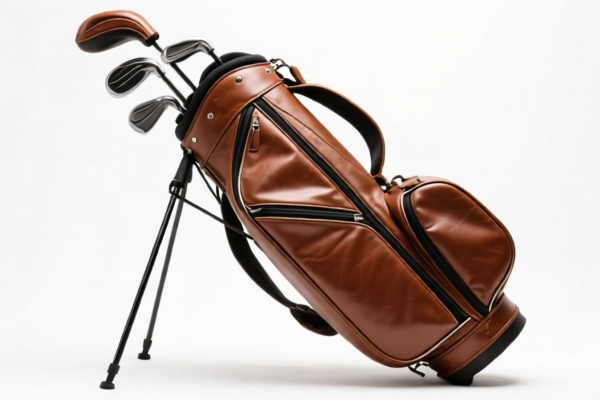
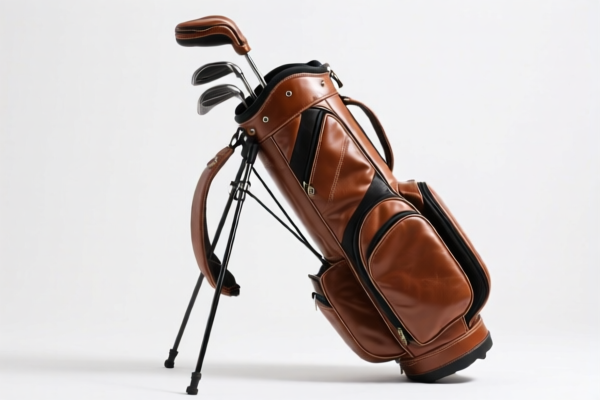
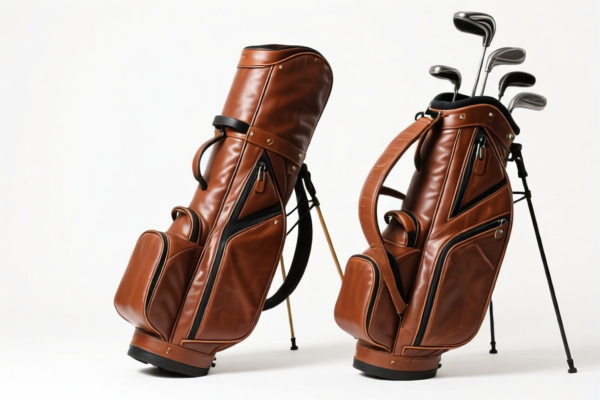
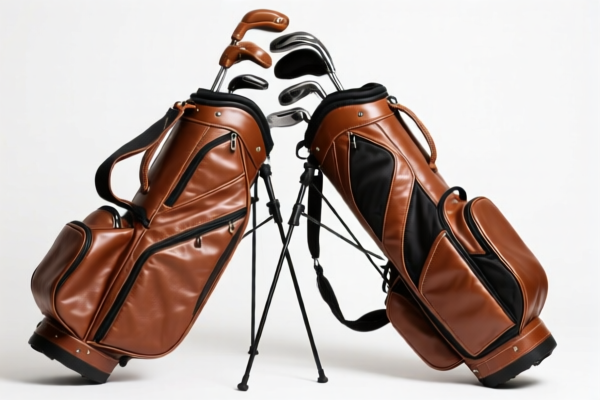
AI Analysis
🏌️♂️ Golf Travel Bag Support Pole / Rod (高尔夫旅行袋支撑杆)
🌐 HS Code Reference & Customs Clearance Guide | 2026 Latest Tariff Analysis | Professional Clearance Strategy
📌 Part 1: Product Definition & Classification: Do You Truly Understand the "Support Pole"?
A Golf Travel Bag Support Pole is a structural component designed to maintain the shape, rigidity, and protection of golf travel bags (hard or soft shell) during transit. In international trade, its classification depends heavily on material composition and functional integration.
It falls into three distinct categories based on HS Code logic: 1. Wooden/Plastic Components: Classified as general wooden/plastic articles. 2. Specific Golf Equipment Parts: Classified specifically under golf bag accessories if deemed integral to the bag's function. 3. Metal/Steel Structural Supports: Classified as steel/iron products if made of metal, regardless of intended use, due to Section XV chapter exclusions.
⚠️ Key Distinction Point:
- If made of Wood or Plastic without specific golf-specific features → 4421.99.98.70 / 9506.39.00.60
- If made of Steel/Iron (even for golf use) → 7326.19.00.80 / 7326.90.86.88 (Metal chapters take precedence over general accessory chapters in many cases).
📦 Part 2: Detailed HS Code Classification (2026 Latest Tariff Authority Comparison)
| HS Code | Product Description | Application Scenario | Material Basis |
|---|---|---|---|
4421.99.98.70 |
Other wooden articles (based on parts shape) | Wooden stiffeners, plastic reinforcements in bag frames | ✅ Wood/Plastic |
9506.39.00.60 |
Parts and accessories of golf clubs | Considered a "part" of the golf club/bag assembly | ✅ Functional Link |
7326.19.00.80 |
Other articles of iron or steel (forged/cast) | Metal support rods, steel hinges | ✅ Steel/Heavy Metal |
9506.39.00.80 |
Other sports equipment accessories (Golf bags) | Support structures for golf bags, non-club specific | ✅ Specific Use |
7326.90.86.88 |
Other articles of iron or steel (other) | Steel rods, tubular structures for support | ✅ Steel/Structure |
🔍 Critical Reminder:
- Metal materials override accessory classifications: Even if the item is for a golf bag, if it is made of steel/iron, it often defaults to Chapter 73 (Iron/Steel) rather than Chapter 95 (Sporting Goods), leading to significantly higher tariffs. - Golf Bag Specifics:9506.39.00.80is the ideal code for non-metallic bag supports if they don't fit the "club part" definition (9506.39.00.60).
💰 Part 3: 2026 Latest Tariff Rate Breakdown (Including Surtaxes & Policy Add-ons)
✅ Applicable Country: United States (US)
✅ Country of Origin: China (CN)
✅ Effective Date: Post-November 2025 (Current 301/IEEPA regime)
🎯 1. 4421.99.98.70 —— Wooden/Plastic Other Articles (Non-Specific)
| Item | Content |
|---|---|
| Base Tariff | 3.3% |
| Section 301 Surtax | +25.0% |
| Section 122 Surtax | +10.0% |
| Total Tariff Rate | 38.3% |
| Tax Calculation | CIF Value × 38.3% |
| De Minimis Eligibility | ❌ Not Eligible (High duty rate disqualifies from $800 exemption) |
| Legal Basis Path | USITC:4421.99.98.70 → FOOTNOTE:301 → IEEPA:Section 122 |
📌 Explanation:
- This is the lowest risk option among the listed codes, but still carries a heavy burden (~38%). - Applies if the pole is purely wooden/plastic and not specifically defined as a golf part.
🎯 2. 9506.39.00.60 —— Golf Club Parts (Specific Component)
| Item | Content |
|---|---|
| Base Tariff | 4.9% |
| Section 301 Surtax | +7.5% |
| Section 122 Surtax | +10.0% |
| Total Tariff Rate | 22.4% |
| Tax Calculation | CIF Value × 22.4% |
| De Minimis Eligibility | ❌ Not Eligible |
| Legal Basis Path | USITC:9506.39.00.60 → FOOTNOTE:301 (Lower bracket) → IEEPA:Section 122 |
📌 Note:
- Best Option for Wooden/Plastic: If you can prove the item is a "part of a golf club" (or closely integrated system), this code offers the lowest total tariff (22.4%). - Argument Strategy: Emphasize that the pole is an integral structural element of the golf bag system, which is an accessory to the primary golf equipment.
🎯 3. 7326.19.00.80 —— Other Articles of Iron/Steel (Forged/Cast)
| Item | Content |
|---|---|
| Base Tariff | 2.9% |
| Section 301 Surtax | +25.0% |
| Section 122 Surtax | +10.0% |
| Steel/Aluminum/Copper Additional Surtax | +50.0% |
| Total Tariff Rate | 87.9% |
| Tax Calculation | CIF Value × 87.9% |
| De Minimis Eligibility | ❌ Not Eligible |
| Legal Basis Path | USITC:7326.19.00.80 → FOOTNOTE:301 → IEEPA:Steel/Al/Cu 50% → IEEPA:Section 122 |
📌 Warning:
- EXTREMELY HIGH TARIFF: If the support rod is made of steel, it falls under this code. - The 50% surcharge for Steel/Aluminum/Copper is a critical trap. Even though the base rate is low, the total cost is prohibitive. - Do not use this code unless you have absolutely no alternative.
🎯 4. 9506.39.00.80 —— Other Golf Equipment Accessories (Golf Bags)
| Item | Content |
|---|---|
| Base Tariff | 4.9% |
| Section 301 Surtax | +7.5% |
| Section 122 Surtax | +10.0% |
| Total Tariff Rate | 22.4% |
| Tax Calculation | CIF Value × 22.4% |
| De Minimis Eligibility | ❌ Not Eligible |
| Legal Basis Path | USITC:9506.39.00.80 → FOOTNOTE:301 → IEEPA:Section 122 |
📌 Strategic Insight:
- Alternative for Plastic/Wood Bags: If the item is a support for a golf bag (not a club), and not made of metal, this code applies. - Same rate as9506.39.00.60(22.4%), making it a highly favorable option for non-metallic bag supports.
🎯 5. 7326.90.86.88 —— Other Articles of Iron/Steel (Other)
| Item | Content |
|---|---|
| Base Tariff | 2.9% |
| Section 301 Surtax | +25.0% |
| Section 122 Surtax | +10.0% |
| Steel/Aluminum/Copper Additional Surtax | +50.0% |
| Total Tariff Rate | 87.9% |
| Tax Calculation | CIF Value × 87.9% |
| De Minimis Eligibility | ❌ Not Eligible |
| Legal Basis Path | USITC:7326.90.86.88 → FOOTNOTE:301 → IEEPA:Steel/Al/Cu 50% → IEEPA:Section 122 |
📌 Warning:
- Same as7326.19.00.80. Any steel component attracts the 50% metal surcharge. - Total duty: 87.9%. This effectively kills profit margins.
🛠️ Part 4: Customs Clearance Practical Advice (Battle-Tested Pitfall Avoidance)
✅ 1. Preparation Checklist (Non-Negotiable)
| Document | Required | Explanation |
|---|---|---|
| ✅ Product Specification Sheet | ✔️ | Must clearly state Material (Wood, Plastic, or Steel). This is the #1 determinant for HS Code. |
| ✅ Product Photos (Clear) | ✔️ | Show the item alone and installed in the bag. Highlight joints, ends, and branding. |
| ✅ Commercial Invoice | ✔️ | Description must match HS Code logic: e.g., "Plastic Support Rod for Golf Bag" vs. "Steel Reinforcement Bar". |
| ✅ Country of Origin Certificate | ✔️ | Essential for verifying CN origin and applying correct surtaxes. |
| ✅ Structural Diagram | ✔️ | If claiming "Golf Part" status (9506.39), show how it integrates with the bag/club system. |
✅ 2. Declaration Strategy (Key Mantras)
🔥 “Material Dictates Code, Metal Brings Death, Bag Parts Save Taxes!”
| Scenario | Correct Declaration | Risk if Wrong |
|---|---|---|
| Item is Plastic/Wood | 9506.39.00.60 or 9506.39.00.80 |
22.4% (Optimal) |
| Item is Plastic/Wood (Misclassified) | Declared as 4421... |
38.3% (Higher, but acceptable if no golf link) |
| Item is Steel | 7326.19.00.80 / 7326.90.86.88 |
87.9% (Catastrophic) |
| Item is Steel (Attempted Golf Claim) | Declared as 9506... |
High Risk of Audit/penalty (Steel generally excluded from Ch 95 for structural parts) |
📌 Crucial Tip:
- If your product is made of steel, consider design changes to use plastic, carbon fiber, or aluminum (if exempt) to avoid the 50% steel surcharge. - Aluminum Note: The data mentions "Steel, Aluminum, Copper" getting +50%. Confirm if Aluminum is fully included in this 50% bracket or if there are nuances. Based on the provided data, it is +50%.
✅ 3. Special Situations
| Situation | Handling Advice |
|---|---|
| Mixed Materials (e.g., Steel rod with plastic ends) | Customs will likely classify based on the essential character. If steel is structural, it goes to 7326 (87.9%). Avoid mixed materials if possible. |
| OEM Custom Bags | Provide the client’s spec sheet showing the pole is a mandatory part of the bag structure. Helps argue for 9506.39 if non-metallic. |
| Shipping as "Part" vs "Assembly" | If shipped loose, declare as "Golf Bag Accessory". If pre-assembled, declare as "Golf Bag". Tariff logic remains similar for the component. |
| De Minimis ($800) | NOT APPLICABLE. All these HS codes have tariffs >10%, disqualifying them from the $800 de minimis exemption under current IEEPA rules. Full duty payment required. |
🌍 Part 5: Global Market Comparison (2026 Latest)
| Country/Region | Recommended HS Code (Non-Metal) | Tariff Rate (China Origin) | Certification | Note |
|---|---|---|---|---|
| 🇺🇸 USA | 9506.39.00.60/80 |
22.4% (Total) | None Specific | Steel = 87.9% |
| 🇨🇳 China | 9506.39.00 |
4.9% - 9% | CCC (if electrical) | No Section 301/122 |
| 🇪🇺 EU | 9506.39.00 |
0% - 4% | CE | No steel surcharge |
| 🇬🇧 UK | 9506.39.00 |
0% - 4% | UKCA | No steel surcharge |
📌 Conclusion:
- USA is the most punitive market for this item, especially if metallic. - Non-metallic materials (Wood/Plastic) are the key to cost control in the US market. - Steel support rods are financially unviable for the US market due to the 87.9% total tariff.
📌 Part 6: Common Errors & Pitfalls (Blood Lessons)
❌ Error 1: Using Steel support rods in golf bags destined for the US
👉 Consequence: 87.9% tariff. Profit margin destroyed.
✅ Fix: Switch to reinforced plastic or carbon fiber.
❌ Error 2: Classifying Plastic supports under 7326 (Steel) by mistake
👉 Consequence: Overpayment or complex customs disputes.
✅ Fix: Ensure material description in invoice says "Polypropylene" or "ABS Plastic".
❌ Error 3: Ignoring Section 122 (10%)
👉 Consequence: Under-declaring taxes.
✅ Fix: Always add 10% to any China-origin good going to the US.
❌ Error 4: Assuming De Minimis applies
👉 Consequence: Shipment held, fines, and storage fees.
✅ Fix: Plan for full duty payment. No exemptions for these HS codes.
🎯 Part 7: Conclusion: Precision Classification, Maximum Savings!
🎯 Remember the Mantra:
🔹 “Plastic/Wood: Aim for 9506.39 (22.4%)”
🔹 “Steel: Avoid US Market (87.9%) or Redesign Material”
🔹 “Always Add 10% for Section 122”
🔹 “No De Minimis: Pay Duties Upfront”
📌 Pro Tip:
If your supply chain allows, re-engineer the support pole to be made of high-density plastic or wood. This reduces the US tariff from 87.9% to 22.4%, saving 65.5% in duty costs. This is a massive competitive advantage.
📣 Immediate Action:
📞 Review Material Composition: Is it Steel? If yes, pause and redesign.
📝 Update Invoice Description: Specify "Plastic Support Rod for Golf Bag" or "Wooden Frame Part".
🚀 Apply for Pre-Ruling: If volume is high, request an Advance Ruling from US CBP for9506.39.00.60or80.
✨ Professional Customs Clearance Starts with Precise Classification!
💼 Every Percent Saved is Pure Profit!
Customer Reviews
About HS Code Classification
The Harmonized System (HS) is an internationally standardized nomenclature developed by the World Customs Organization (WCO) to classify traded products. Over 200 countries use the HS system as the basis for customs tariffs, trade statistics, and import/export regulations.
Each HS code follows a hierarchical structure:
- Chapter (2 digits) — Broad category of goods (e.g., Chapter 84: Machinery and Mechanical Appliances)
- Heading (4 digits) — More specific grouping within the chapter
- Subheading (6 digits) — Internationally standardized breakdown, used by all WCO member countries
- National subdivisions (8-10 digits) — Country-specific extensions for further classification, such as US HTSUS 10-digit codes
Correct HS code classification is essential for smooth customs clearance, accurate duty payment, and compliance with trade regulations. Misclassification can lead to customs delays, overpayment of duties, or penalties.
When importing from CN to US, the applicable tariff rates may include:
- Most-Favored-Nation (MFN) rate — The standard duty rate applied to WTO members
- General rate — Applied to countries without trade agreements
- Trade remedy duties — Additional tariffs such as Section 301 (anti-dumping), Section 232 (national security), or countervailing duties
The information provided on this page is for reference purposes only. For official classification, please consult with your local customs authority or a licensed customs broker.