高尔夫测距仪
CN → US| HS Code | Tariff Rate | Origin | Destination | Doc |
|---|---|---|---|---|
| 9015104000 | 35.0% | CN | US | Official Doc |
| 9015108000 | 35.0% | CN | US | Official Doc |
Product Images
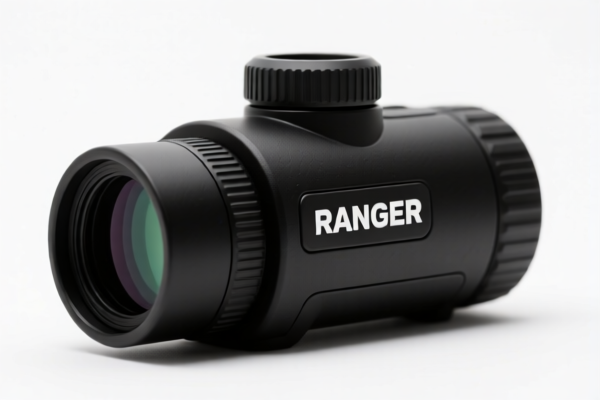
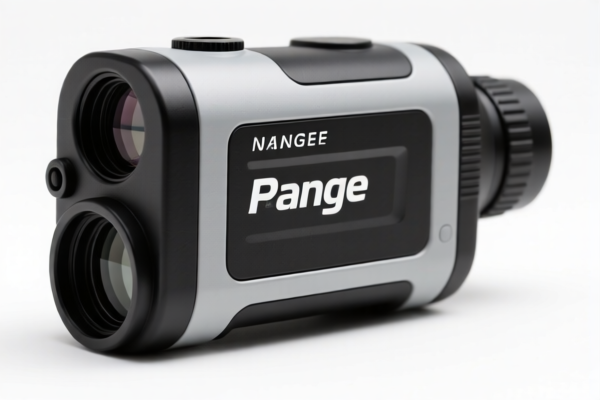
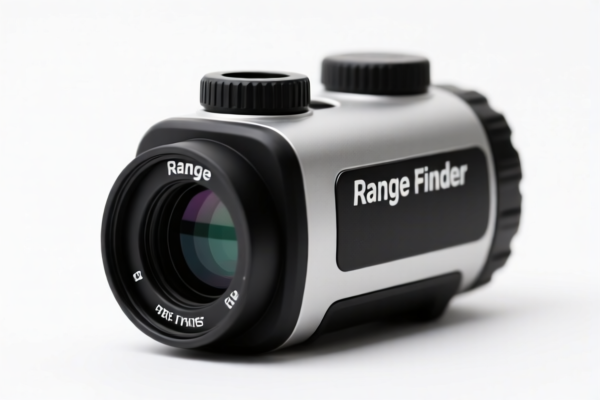
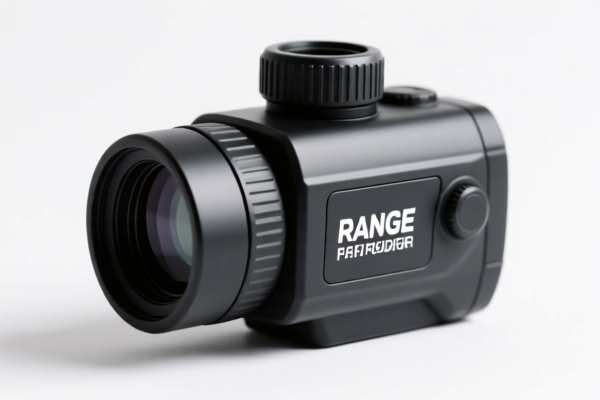
AI Analysis
🏌️♂️ Golf Rangefinders (Optical & Electronic Devices)
🌐 HS Code Reference & Customs Clearance Guide | 2026 Latest Tariff Analysis | Professional Clearance Strategy
📌 1. Product Definition & Classification: What is a Golf Rangefinder?
A golf rangefinder is a precision instrument used by golfers to measure the exact distance to a target (typically the flagstick or hazard). In international trade, these devices are classified under Chapter 90 (Optical, photographic, cinematographic, measuring, checking, precision, medical or surgical instruments).
Specifically, they fall under heading 9015:
"Surveying (including photogrammetrical surveying), hydrographic, oceanographic, hydrological, meteorological or geophysical instruments and appliances, excluding compasses; rangefinders; parts and accessories thereof."
It is crucial to distinguish between the type of technology used, as this determines the specific HS Code and, consequently, the tax rate.
📦 2. HS Code Classification Details (2026 Latest Tariff Reference)
Based on the provided data, Golf Rangefinders are categorized into two main sub-headings based on their operating mechanism: Electrical vs. Other (Non-electrical/Mechanical).
| HS Code | Product Description | Key Characteristics | Typical Golf Rangefinder Type |
|---|---|---|---|
9015.10.40.00 |
Rangefinders: Electrical | Uses electronic sensors, lasers, or digital circuitry to calculate distance. | Most modern golf rangefinders (Laser rangefinders with digital displays, GPS-enabled rangefinders). |
9015.10.80.00 |
Rangefinders: Other | Mechanical, optical (non-electronic), or analog devices. | Traditional optical prism rangefinders (rare in modern golf), purely mechanical slide-rule types. |
⚠️ Critical Distinction for Golfers & Importers: * Electrical (9015.10.40.00): If your device has batteries, a digital screen, LED lights, or electronic chips, it MUST be classified here. This covers 95%+ of modern golf rangefinders. * Other (9015.10.80.00): Only applies if the device is purely mechanical/optical without any electrical components. Do not use this code for electronic devices. Misclassification can lead to customs delays and penalties.
💰 3. 2026 Tariff Rate Breakdown (Detailed Tax Clause)
✅ Applicable Market: United States (US)
✅ Origin: China (CN) (Assumed based on typical export context for HS 9015; verify if origin differs)
✅ Effective Date: Current rates apply (Subject to USITC Section 301 & IEEPA adjustments)
🎯 1. 9015.10.40.00 – Electrical Rangefinders (Most Common for Golf)
| Item | Content |
|---|---|
| Base Tariff | 0.0% (Ad Valorem) |
| Section 301 / Additional Tariff | +25.0% |
| Total Effective Rate | 25.0% |
| Tax Calculation | CIF Value × 25.0% |
| De Minimis Exemption? | ❌ No (Value > $800 threshold usually triggers duty; below may not, but duty still applies if declared) |
| Legal Basis Path | USITC:9015.10.40.00 → Footnote: 9903.88.01 (Section 301 List 4A) |
📌 Explanation: * While the Base Tariff for surveying and rangefinding instruments is 0%, the Additional Tariff of 25% applies due to US trade policy (Section 301) on certain Chinese-origin goods. * Total Duty: You must pay 25% of the declared customs value (CIF: Cost, Insurance, Freight). * No IEEPA 10%? Based strictly on the provided data, only the 25% is listed. However, always verify if newer IEEPA tariffs (e.g., the recent 10% on certain tech goods) apply to your specific electronic components. If only the provided data is used, the rate is 25%.
🎯 2. 9015.10.80.00 – Other Rangefinders (Non-Electrical)
| Item | Content |
|---|---|
| Base Tariff | 0.0% (Ad Valorem) |
| Section 301 / Additional Tariff | +25.0% |
| Total Effective Rate | 25.0% |
| Tax Calculation | CIF Value × 25.0% |
| De Minimis Exemption? | ❌ No |
| Legal Basis Path | USITC:9015.10.80.00 → Footnote: 9903.88.01 (Section 301 List 4A) |
📌 Note: * Even mechanical rangefinders attract the 25% additional tariff under current US trade regulations. * Since these are rare in golf, ensure you are not misclassifying an electronic device as "Other" to avoid scrutiny.
🛠️ 4. Customs Clearance Practical Advice (Avoid Pitfalls)
✅ 1. Required Documentation Checklist
| Document | Required? | Notes |
|---|---|---|
| ✅ Product Specifications | ✔️ | Must clearly state: "Golf Rangefinder," "Laser/Optical," "Battery Powered" (if electrical). |
| ✅ Commercial Invoice | ✔️ | Value must be CIF (Cost + Insurance + Freight). |
| ✅ Packing List | ✔️ | Detail contents: Device, battery (if any), case, manual. |
| ✅ Declaration of Origin | ✔️ | If made in China, origin must be declared. |
| ✅ Battery Safety Docs (UN38.3) | ✔️ | Crucial if the rangefinder contains lithium batteries (common in 9015.10.40.00). |
✅ 2. Classification Strategy (Key Tips)
🔥 "Be Specific: 'Golf Rangefinder' vs. 'Surveying Instrument'" While the HS Code is the same, accurate description prevents delays.
| Scenario | Recommended HS Code | Why? |
|---|---|---|
| Modern Laser Rangefinder with LED/LCD | 9015.10.40.00 |
It is electrical. Using "Other" (9015.10.80.00) is incorrect and risky. |
| Old-school Optical Prism Rangefinder | 9015.10.80.00 |
No electricity, no batteries. Purely mechanical/optical. |
| GPS Watch with Rangefinder Function | ❌ Not 9015 | Likely classified under 9102 (Watches) or 8526 (Navigation Apparatus). Do not use 9015 for watches. |
✅ 3. Special Considerations
- Batteries: If your golf rangefinder uses lithium-ion or lithium-metal batteries, you must include UN38.3 test summaries and MSDS (Material Safety Data Sheet) for air freight. Failure to do so can result in refusal of shipment by carriers.
- Labeling: Clearly mark the product as "Golf Rangefinder" on the box and invoice. Avoid vague terms like "Distance Meter" without context.
- Valuation: Ensure the CIF value is accurate. Under-declaring value to reduce the 25% duty can lead to audits, fines, and seizure.
🌍 5. Global Market Comparison (Brief Overview)
| Market | HS Code | Typical Duty Rate | Notes |
|---|---|---|---|
| 🇺🇸 USA | 9015.10.40.00 |
25% (Total) | Includes 25% additional tariff. Base is 0%. |
| 🇨🇳 China | 9015.10.40.00 |
0-5% | Import duty may be lower or exempt depending on trade agreements. |
| 🇪🇺 EU | 9015.10.40 |
0% | Generally duty-free for rangefinders, but VAT applies (19-25%). |
| 🇬🇧 UK | 9015.10.40 |
0% | Duty-free, but 20% VAT. |
| 🇨🇦 Canada | 9015.10.40 |
0% | Duty-free under most MFN rates. |
📌 Conclusion: The USA imposes a significant 25% additional tariff on electrical golf rangefinders (and other types) of Chinese origin. For other major markets like the EU, UK, and Canada, these items are often duty-free, making them more cost-effective to export there if US tariffs are a concern.
📌 6. Common Mistakes & Pitfalls
❌ Mistake 1: Classifying a battery-powered rangefinder as "Other" (9015.10.80.00).
👉 Consequence: Customs may reclassify it as "Electrical" (9015.10.40.00), leading to delays. Note: In this specific dataset, both have 25%, so the rate is the same, but misclassification is still a compliance violation.
❌ Mistake 2: Ignoring battery regulations.
👉 Consequence: Shipment held at port due to lack of UN38.3/MSDS for lithium batteries.
❌ Mistake 3: Confusing with "GPS Watches" (9102).
👉 Consequence: Wrong HS Code leads to incorrect duty assessment. Rangefinders (handheld) are 9015; Watches are 9102.
🎯 7. Conclusion: Optimize Your Clearance
🎯 Remember:
🔹 "Electrical = 9015.10.40.00"
🔹 "Non-Electrical = 9015.10.80.00"
🔹 "Total Duty = 25%" (for US origin China goods)
🔹 "Battery Docs = Mandatory"
📌 Pro Tip: If you are exporting to the USA, consider whether your supply chain can benefit from transshipment or origin shifting (e.g., final assembly in Vietnam/Mexico) to potentially avoid the 25% additional tariff, subject to strict rules of origin. Always consult a licensed customs broker for pre-classification rulings.
📣 Immediate Action:
📞 Verify Battery Type (Li-ion vs. Dry Cell)
📦 Ensure UN38.3 Docs are ready
📄 Declare "Golf Rangefinder, Electrical" on Invoice
🚀 Clear customs smoothly, avoid delays, and maximize profit!
✨ Precision in Classification, Profit in Clearance!
💼 Every percent of duty saved is pure profit earned!
Customer Reviews
About HS Code Classification
The Harmonized System (HS) is an internationally standardized nomenclature developed by the World Customs Organization (WCO) to classify traded products. Over 200 countries use the HS system as the basis for customs tariffs, trade statistics, and import/export regulations.
Each HS code follows a hierarchical structure:
- Chapter (2 digits) — Broad category of goods (e.g., Chapter 84: Machinery and Mechanical Appliances)
- Heading (4 digits) — More specific grouping within the chapter
- Subheading (6 digits) — Internationally standardized breakdown, used by all WCO member countries
- National subdivisions (8-10 digits) — Country-specific extensions for further classification, such as US HTSUS 10-digit codes
Correct HS code classification is essential for smooth customs clearance, accurate duty payment, and compliance with trade regulations. Misclassification can lead to customs delays, overpayment of duties, or penalties.
When importing from CN to US, the applicable tariff rates may include:
- Most-Favored-Nation (MFN) rate — The standard duty rate applied to WTO members
- General rate — Applied to countries without trade agreements
- Trade remedy duties — Additional tariffs such as Section 301 (anti-dumping), Section 232 (national security), or countervailing duties
The information provided on this page is for reference purposes only. For official classification, please consult with your local customs authority or a licensed customs broker.