鲨鱼夹
CN → US| HS Code | Tariff Rate | Origin | Destination | Doc |
|---|---|---|---|---|
| 3926909989 | 22.8% | CN | US | Official Doc |
| 3926902500 | 24.0% | CN | US | Official Doc |
| 7117909000 | 28.5% | CN | US | Official Doc |
Product Images


AI Analysis
🦈 Shark Clips (Hair Clips / Hair Claw Clips)
🌐 HS Code Reference & Customs Clearance Guide | 2026 Latest Tariff Analysis | Professional Strategy for Cross-Border E-Commerce
📌 Part 1: Product Definition & Classification: What Exactly is a "Shark Clip"?
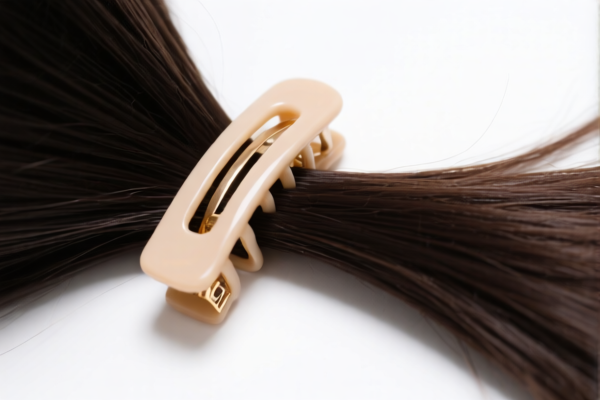
The "Shark Clip" (commonly known as Hair Claw Clip or Hair Claw) is a popular accessory used to gather and secure hair. It functions like a pincer, using two interlocking combs connected by a spring.
In international trade, classification depends heavily on the material composition: * Plastic Claw Clips: Made primarily of acrylonitrile butadiene styrene (ABS), polypropylene, or other plastics. These are the most common in mass market. * Metal/Mixed Material Claw Clips: If the primary structure is metal or contains significant metal parts, it might fall under different headings (e.g., Chapter 73 or 83). However, for standard decorative clips with minimal metallic springs, Chapter 39 (Plastics) is often the dominant classification if plastic constitutes the essential character.
⚠️ Key Distinction:
- If the clip is decorative, non-functional as a fastener for industrial purposes, and primarily plastic → Classify under 3926.90 (Other articles of plastic).
- If the clip is considered "Imitation Jewelry" (non-precious metal base with decorative elements) → Classify under 7117.90.
- Note: The provided data suggests a mix of plastic and imitation jewelry classifications depending on specific material breakdown. We must analyze the three HS codes provided in<DATA>to determine the correct fit based on product attributes.
📦 Part 2: HS Code Classification Details (Based on Provided <DATA>)
| HS Code | Product Description | Key Attributes | Tax Rate |
|---|---|---|---|
3926.90.25.00 |
Other plastic articles (Specific sub-category) | Plastic hair clips with specific design features; Plastic dominant. | 24.0% |
7117.90.90.00 |
Imitation Jewelry (Non-precious metal decorations) | Clips made of base metal with decorative coating (e.g., plated, enamel); Metal base or perceived as jewelry. | 28.5% |
3926.90.99.89 |
Other plastic articles (General residual category) | General plastic hair clips not specified in 3926.90.25; General plastic. | 22.8% |
🔍 Critical Analysis:
- The term "Shark Clip" is a marketing name. Customs determines classification based on material and function.
- Plastic Clips: Generally fall under 3926. The difference between.25.00and.99.89lies in the specific customs sub-definitions..25is often used for specific types of plastic articles, while.99.89is the "catch-all" for other plastic goods.
- Imitation Jewelry Clips: If the clip is made of zinc alloy, iron, or other base metals with a shiny, decorative finish (gold/plated), customs may classify it as 7117.90 (Imitation Jewelry). This attracts a higher tax rate.
💰 Part 3: 2026 Latest Tariff Rate Breakdown (Detailed Tax Clauses)
✅ Applicable Market: United States (US)
✅ Origin: China (CN)
✅ Effective Time: Post-2025 (Current Policy Era)
🎯 1. 3926.90.25.00 — Plastic Articles (Specific)
| Item | Detail |
|---|---|
| Base Tariff | 6.5% (MFN Rate) |
| Section 301 Additional Tariff | 7.5% |
| Section 122 Tariff (Uyghur Forced Labor Prevention Act / Specific Importer Clauses) | 10% |
| Total Tariff Rate | 24.0% |
| Calculation | CIF Value × 24.0% |
| De Minimis Exemption (Section 321) | ❌ Not Eligible (Section 122 and Section 301 often restrict de minimis for high-risk categories or specific tariffs, though plastic items may sometimes qualify if not listed in specific exclusion lists. However, with 122 tariffs active, caution is advised.) |
| Legal Basis | HTSUS 3926.90.25.00 → Section 301 Footnote → Section 122 Proclamation |
📌 Explanation:
- 6.5% is the standard Most Favored Nation (MFN) duty for plastic articles.
- 7.5% is the additional duty under Section 301 (Trade Relations with China).
- 10% is under Section 122 (often related to specific country-of-origin restrictions or forced labor prevention laws targeting certain supply chains).
- Total: 24.0%. This is a moderate-high rate for plastic goods.
🎯 2. 7117.90.90.00 — Imitation Jewelry
| Item | Detail |
|---|---|
| Base Tariff | 11.0% |
| Section 301 Additional Tariff | 7.5% |
| Section 122 Tariff | 10% |
| Total Tariff Rate | 28.5% |
| Calculation | CIF Value × 28.5% |
| De Minimis Exemption | ❌ Generally Not Eligible for imitation jewelry from China due to high scrutiny and existing tariffs. |
| Legal Basis | HTSUS 7117.90.90.00 → Section 301 → Section 122 |
📌 Explanation:
- 11.0% is the base duty for imitation jewelry.
- The additional tariffs (7.5% + 10%) push the total to 28.5%.
- Risk: If your plastic clip is perceived as "jewelry" (e.g., highly decorative, metal-plated plastic), customs may reclassify it here, increasing costs by 4.5% compared to the plastic classification.
🎯 3. 3926.90.99.89 — Other Plastic Articles (General)
| Item | Detail |
|---|---|
| Base Tariff | 5.3% |
| Section 301 Additional Tariff | 7.5% |
| Section 122 Tariff | 10% |
| Total Tariff Rate | 22.8% |
| Calculation | CIF Value × 22.8% |
| De Minimis Exemption | ⚠️ Check Specific Exclusions. While base plastic goods sometimes qualify, Section 122 restrictions may apply. |
| Legal Basis | HTSUS 3926.90.99.89 → Section 301 → Section 122 |
📌 Explanation:
- 5.3% is the lowest base tariff among the three options.
- Total: 22.8%. This is the most cost-effective classification for purely plastic shark clips.
- Strategy: Ensure product descriptions and materials clearly indicate 100% plastic (e.g., ABS, PP) to avoid classification as imitation jewelry.
🛠️ Part 4: Customs Clearance Practical Advice (Pitfall Avoidance)
✅ 1. Preparation Checklist (Non-Negotiable)
| Document | Required? | Notes |
|---|---|---|
| Product Spec Sheet | ✅ Yes | Must list material composition (e.g., "100% Acrylonitrile Butadiene Styrene (ABS)"). |
| Product Photos | ✅ Yes | Clear shots of the clip from all angles, showing no metal parts if claiming plastic classification. |
| Commercial Invoice | ✅ Yes | Describe as "Plastic Hair Claw Clip" or "Plastic Hair Accessory." Avoid words like "Jewelry," "Adornment," or "Decorative Metal." |
| Material Declaration | ✅ Yes | Explicitly state "No Precious Metals" and "No Base Metals" if using 3926 codes. |
| Supply Chain Documentation | ✅ Yes | To mitigate Section 122 risks, provide proof of origin and labor compliance if requested. |
✅ 2. Classification Strategy (Key Tips)
| Scenario | Recommended HS Code | Reason |
|---|---|---|
| Pure Plastic Clip (ABS/PP) | 3926.90.99.89 |
Lowest base tax (5.3%). Best for cost efficiency. |
| Plastic Clip with Specific Design | 3926.90.25.00 |
If the clip fits a specific defined category of plastic articles. Tax: 24.0%. |
| Metal-Based Clip (Zinc/Iron Alloy) | 7117.90.90.00 |
If the clip is base metal with decorative plating. Tax: 28.5%. |
| Mixed Material (Plastic + Metal Spring) | Consult Expert | If metal is minor, argue for plastic (3926). If metal is significant, risk 7117. |
🔥 "Golden Rule" for Shark Clips:
"Plastic is King, Metal is Enemy."
- To save taxes, emphasize plastic material.
- Avoid "jewelry" terminology in marketing and invoices.
- If the clip has a metal spring, it is still often considered plastic if the spring is incidental to the plastic body's function.
✅ 3. Special Considerations for Section 122 & 301
| Issue | Impact | Mitigation |
|---|---|---|
| Section 122 Tariff (10%) | Applies to all three HS codes in <DATA>. |
Ensure supply chain transparency. Provide detailed manufacturing location and labor compliance docs. |
| Section 301 Tariff (7.5%) | Applies to all three. | No exemption currently available for China-origin goods under these HTS codes. |
| De Minimis ($800) | ❌ Likely Blocked | Due to Section 122 and Section 301, de minimis exemptions are often revoked or scrutinized for Chinese imports in these categories. Plan for DDP (Delivered Duty Paid) shipping. |
🌍 Part 5: Global Market Comparison (2026)
| Country/Region | Recommended HS Code | Est. Tariff (China Origin) | Notes |
|---|---|---|---|
| 🇺🇸 USA | 3926.90.99.89 |
22.8% | Highest due to 301 + 122 tariffs. |
| 🇨🇳 China | 3926.90.99.89 |
5.3% - 9.5% | Varies by exact sub-category. Lower than US. |
| 🇪🇺 EU | 3926.90.99 |
6.0% | No Section 301/122 equivalent. Standard MFN. |
| 🇬🇧 UK | 3926.90.99 |
6.0% | Post-Brexit tariffs similar to EU. |
| 🇯🇵 Japan | 3926.90.99 |
6.0% | Low tariffs, high consumer demand. |
📌 Conclusion:
- The US market is the most expensive due to additive tariffs (301 + 122).
- EU/UK/Japan are more favorable for plastic hair accessories.
- Strategy: For US shipments, minimize tariff impact by ensuring correct plastic classification (3926.90.99.89) and potentially using Section 301 Exclusions if applicable (check USTR exclusion list for plastic hair accessories).
📌 Part 6: Common Mistakes & Pitfalls (Lessons Learned)
❌ Mistake 1: Calling "Plastic Clips" as "Imitation Jewelry"
👉 Result: Classified under 7117.90.90.00 → 28.5% Tax instead of 22.8%. Loss of 5.7% margin.
❌ Mistake 2: Splitting shipment into small parcels to use De Minimis
👉 Result: Section 122 and 301 tariffs often invalidate de minimis exemptions for Chinese goods. Package may be seized or taxed upon entry.
❌ Mistake 3: Ignoring Section 122 Compliance
👉 Result: Even if classified correctly, lack of supply chain documentation can lead to detention or denial of entry under the Uyghur Forced Labor Prevention Act (UFLPA).
❌ Mistake 4: Using "Metal" in Product Description for Plastic Clips
👉 Result: Customs may suspect metal content and reclassify to 7117.90 or demand additional material testing.
✅ Correct Practice:
Description: "Plastic Hair Claw Clip, Material: ABS, Color: Black, No Metal Components, For Hair Styling"
HS Code:3926.90.99.89
Preparation: Attach material certificate and supplier declaration.
🎯 Part 7: Conclusion: Optimize Classification, Maximize Profit
🎯 Key Takeaways:
1. Plastic is Cheaper: Use 3926.90.99.89 (22.8%) over 7117.90.90.00 (28.5%) for non-metal clips.
2. Section 122 is Real: The 10% additional tariff applies to all three codes. Prepare supply chain docs.
3. No De Minimis: Assume all US shipments are subject to full duty payment.
4. Clear Documentation: Avoid "jewelry" language. Use "plastic accessory."
🔥 "Shark Clip Strategy":
"Plastic Body, Plastic Mind, 22.8% is the Goal, 28.5% is the Trap!"
📌 Pro Tip:
If your product is 100% plastic but has a tiny metal spring, argue that the plastic provides the essential character (HTSUS General Rule of Interpretation 3(b)). This keeps you in Chapter 39, not Chapter 71.
📣 Immediate Action:
📞 Verify Material Composition: Confirm 100% plastic vs. mixed materials.
📄 Update Invoices: Remove "jewelry" terms.
📦 Prepare Compliance Docs: Supplier declarations for Section 122.
🚀 Calculate Landed Cost: Include 22.8% + 7.5% + 10% = 22.8% total tariff in your pricing model.
✨ Professional Customs Clearance Starts with Precise Classification!
💼 Every Percent Saved is Profit Gained!
Customer Reviews
About HS Code Classification
The Harmonized System (HS) is an internationally standardized nomenclature developed by the World Customs Organization (WCO) to classify traded products. Over 200 countries use the HS system as the basis for customs tariffs, trade statistics, and import/export regulations.
Each HS code follows a hierarchical structure:
- Chapter (2 digits) — Broad category of goods (e.g., Chapter 84: Machinery and Mechanical Appliances)
- Heading (4 digits) — More specific grouping within the chapter
- Subheading (6 digits) — Internationally standardized breakdown, used by all WCO member countries
- National subdivisions (8-10 digits) — Country-specific extensions for further classification, such as US HTSUS 10-digit codes
Correct HS code classification is essential for smooth customs clearance, accurate duty payment, and compliance with trade regulations. Misclassification can lead to customs delays, overpayment of duties, or penalties.
When importing from CN to US, the applicable tariff rates may include:
- Most-Favored-Nation (MFN) rate — The standard duty rate applied to WTO members
- General rate — Applied to countries without trade agreements
- Trade remedy duties — Additional tariffs such as Section 301 (anti-dumping), Section 232 (national security), or countervailing duties
The information provided on this page is for reference purposes only. For official classification, please consult with your local customs authority or a licensed customs broker.