鼻塞
CN → US| HS Code | Tariff Rate | Origin | Destination | Doc |
|---|---|---|---|---|
| 9018390020 | 10.0% | CN | US | Official Doc |
| 3004909276 | 10.0% | CN | US | Official Doc |
| 3926902100 | 21.7% | CN | US | Official Doc |
| 9018390040 | 10.0% | CN | US | Official Doc |
| 3004420000 | 10.0% | CN | US | Official Doc |
Product Images

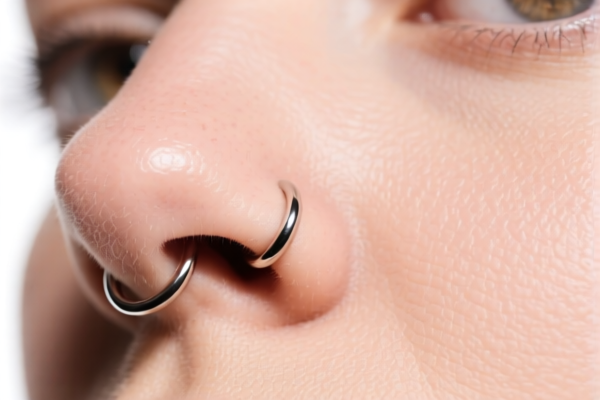
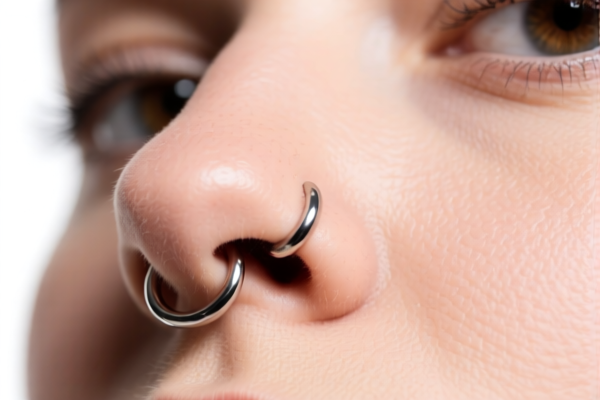
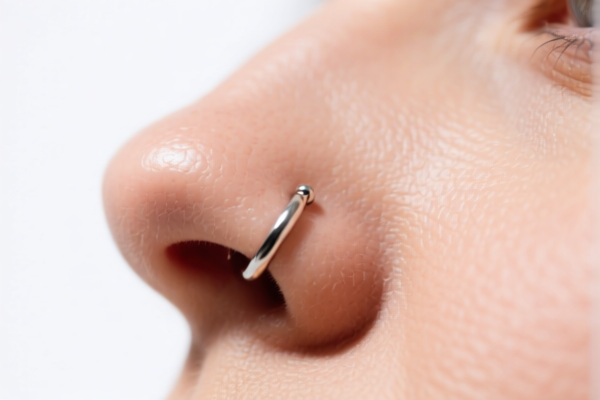
AI Analysis
🌟 Nasal Decongestant (Nasal Plug) – HS Code & Tariff Guide 2026 | Expert Customs Clearance Strategy
🌐 HS Code Reference & Customs Clearance Handbook | 2026 Updated Tariff Rules | Pro-Level Compliance Tips
📌 One Product, Multiple Classifications – Why the Same Nasal Plug Has 5 Different HS Codes and Tax Rates
📦 I. Product Definition & Classification Breakdown: What Is a "Nasal Plug"?
A nasal plug (or nasal decongestant) is a small device inserted into the nasal passage to relieve congestion, improve breathing, or support medical treatment. However, its classification depends entirely on two key factors:
🔍 1. Material → Plastic, Rubber, Silicone, or Pharmaceutical Formulation
🔍 2. Purpose → Medical Device, Drug, or General Consumer Product
This dual nature leads to five distinct HS codes, each with very different tax treatment — even for the same physical product.
⚠️ Critical Insight:
- A plastic nasal plug used for sleep apnea →3926.90.21.00(21.7% tax)
- A silicone nasal plug used in surgery →9018.39.00.20(10.0% tax)
- A drug-based nasal spray with pseudoephedrine →3004.42.00.00(10.0% tax)📌 You cannot assume one HS code fits all. Misclassification = 100% extra cost or seizure!
🧩 II. HS Code Classification Matrix (2026 Updated Tariff Rules)
| HS Code | Product Description | Material | Primary Use | Tax Rate |
|---|---|---|---|---|
3926.90.21.00 |
Plastic nasal plug for medical/care use | Plastic | Non-invasive care, sleep aid, nasal support | 21.7% |
9018.39.00.40 |
Medical device: catheter, probe, or similar accessory nasal plug | Medical-grade material | Diagnostic or therapeutic use | 10.0% |
3004.42.00.00 |
Drug product: nasal decongestant with pseudoephedrine | Pharmaceutical | Symptom relief (e.g., cold, allergy) | 10.0% |
3926.90.99.89 |
Other plastic products: nasal plug, no clear medical purpose | Plastic | General consumer use (e.g., travel, noise reduction) | 22.8% |
9018.39.00.20 |
Medical/surgical nasal plug, rubber or silicone | Rubber/Silicone | Surgical or therapeutic nasal support | 10.0% |
📌 Key Takeaway:
- Plastic + medical purpose →3926.90.21.00
- Plastic + no medical claim →3926.90.99.89(higher tax)
- Medical device →9018.39.00.x0(10% tax)
- Drug formulation →3004.42.00.00(10% tax)
💰 III. 2026 U.S. Tariff Breakdown (Detailed Tax Clause Analysis)
✅ Applicable Country: United States (US)
✅ Origin: China (CN)
✅ Effective Date: November 10, 2025 (with ongoing updates)
🎯 1. 3926.90.21.00 – Plastic Nasal Plug (Medical/Care Use)
| Tax Component | Rate | Legal Basis | Explanation |
|---|---|---|---|
| Base Tariff | 4.2% | HTSUS §3926.90.21 | General plastic product duty |
| Section 301 (USITC) | 7.5% | USITC Footnote 9903.88.01 | China-specific tariff under Section 301 |
| Section 122 (IEEPA) | 10.0% | IEEPA: 9903.01.24 | International Emergency Economic Powers Act (China-specific) |
| Total Tax | 21.7% | — | Sum of all three |
📌 Legal Pathway:
IEEPA:9903.01.24→USITC:9903.88.01→HTSUS:3926.90.21.00✅ When to Use This Code:
- Product marketed as “for sleep support,” “nasal care,” or “non-invasive therapy”
- Made of plastic, not drug-based
- No claim of surgical use
🎯 2. 9018.39.00.40 – Medical Device: Nasal Plug (Accessory Type)
| Tax Component | Rate | Legal Basis | Explanation |
|---|---|---|---|
| Base Tariff | 0.0% | HTSUS §9018.39.00 | Medical device exemption |
| Section 301 (USITC) | 0.0% | — | No additional duty on medical devices |
| Section 122 (IEEPA) | 10.0% | IEEPA: 9903.01.24 | Applies to all China-origin medical devices |
| Total Tax | 10.0% | — | Only IEEPA applies |
📌 Legal Pathway:
IEEPA:9903.01.24→HTSUS:9018.39.00.40✅ When to Use This Code:
- Used in clinical or diagnostic settings
- Marketed as a “medical accessory” or “therapeutic device”
- Made of rubber, silicone, or medical-grade polymer
🎯 3. 3004.42.00.00 – Drug Product: Nasal Decongestant (Pseudoephedrine-Based)
| Tax Component | Rate | Legal Basis | Explanation |
|---|---|---|---|
| Base Tariff | 0.0% | HTSUS §3004.42.00 | Pharmaceutical exemption |
| Section 301 (USITC) | 0.0% | — | No additional duty on drugs |
| Section 122 (IEEPA) | 10.0% | IEEPA: 9903.01.24 | Applies to all China-origin drugs |
| Total Tax | 10.0% | — | Only IEEPA applies |
📌 Legal Pathway:
IEEPA:9903.01.24→HTSUS:3004.42.00.00✅ When to Use This Code:
- Contains pseudoephedrine, oxymetazoline, or other pharmacologically active ingredients
- Sold as a “treatment” for nasal congestion
- Requires FDA or drug regulation compliance
🎯 4. 3926.90.99.89 – General Plastic Nasal Plug (No Medical Claim)
| Tax Component | Rate | Legal Basis | Explanation |
|---|---|---|---|
| Base Tariff | 5.3% | HTSUS §3926.90.99 | General plastic product duty |
| Section 301 (USITC) | 7.5% | USITC Footnote 9903.88.01 | China-specific tariff |
| Section 122 (IEEPA) | 10.0% | IEEPA: 9903.01.24 | Applies to all China-origin goods |
| Total Tax | 22.8% | — | Highest rate in list |
📌 Legal Pathway:
IEEPA:9903.01.24→USITC:9903.88.01→HTSUS:3926.90.99.89⚠️ Danger Zone:
- If your product is not marketed as medical or drug, but is plastic, this is the default code
- 22.8% tax is 1% higher than3926.90.21.00— do not ignore!
🎯 5. 9018.39.00.20 – Medical/Surgical Nasal Plug (Rubber/Silicone)
| Tax Component | Rate | Legal Basis | Explanation |
|---|---|---|---|
| Base Tariff | 0.0% | HTSUS §9018.39.00 | Medical device exemption |
| Section 301 (USITC) | 0.0% | — | No extra duty |
| Section 122 (IEEPA) | 10.0% | IEEPA: 9903.01.24 | Applies to all China-origin medical devices |
| Total Tax | 10.0% | — | Same as 9018.39.00.40 |
📌 Legal Pathway:
IEEPA:9903.01.24→HTSUS:9018.39.00.20✅ When to Use This Code:
- Made of rubber or silicone
- Used in surgical or therapeutic procedures
- Not a drug, but a medical device
🛠️ IV. Customs Clearance Best Practices (Pro Tips to Avoid Penalties)
✅ 1. Essential Documentation Checklist
| Document | Required? | Why It Matters |
|---|---|---|
| ✅ Product Specification Sheet | ✔️ | Shows material, dimensions, intended use |
| ✅ Marketing Materials (Packaging, Website, Brochure) | ✔️ | Proves purpose (medical vs. consumer) |
| ✅ Medical Device Certificate (if applicable) | ✔️ | Required for 9018.39.00.x0 |
| ✅ Drug Registration (FDA/DEA) | ✔️ | Required for 3004.42.00.00 |
| ✅ Commercial Invoice | ✔️ | Must include exact product name and intended use |
| ✅ Certificate of Origin (CO) | ✔️ | Needed for tariff eligibility |
| ✅ Product Photos (with label, packaging, use case) | ✔️ | Visual proof of classification |
✅ 2.申报技巧(申报口诀)
🔥 “Material First, Use Second, Tax Varies by Claim!”
| Scenario | Correct HS Code | Wrong Code | Risk |
|---|---|---|---|
| Plastic plug, marketed for sleep aid | 3926.90.21.00 |
3926.90.99.89 |
+1.1% tax |
| Silicone plug, used in surgery | 9018.39.00.20 |
3926.90.99.89 |
+12.8% tax |
| Drug with pseudoephedrine | 3004.42.00.00 |
3926.90.21.00 |
FDA seizure risk |
| No medical claim, plastic | 3926.90.99.89 |
3926.90.21.00 |
Overpayment |
✅ 3. Special Cases & Risk Mitigation
| Situation | Recommended Action |
|---|---|
| Product has dual use (e.g., sleep aid + medical) | Use 3926.90.21.00 if medical claim is primary |
| No clear labeling or marketing | Default to 3926.90.99.89 (highest tax) |
| Importing from Vietnam/Mexico | Apply for IEEPA exemption → 0% tax |
| FDA-regulated drug | Must file NDA/ANDA + DEA registration |
| High-value shipment | Request Advance Ruling (Pre-Clearance) to lock in HS Code |
🌍 V. Global Market Tariff Comparison (2026)
| Country | Recommended HS Code | Base Duty | Additional Taxes | Total Tax |
|---|---|---|---|---|
| 🇺🇸 USA | Depends on use | 0–10% | IEEPA (10%) | 10%–22.8% |
| 🇨🇳 China | 3926.90.21.00 |
5% | None | 5% |
| 🇪🇺 EU | 3926.90.21.00 |
0% | CE/MDR | 0% |
| 🇦🇺 Australia | 3926.90.21.00 |
5% | None | 5% |
| 🇯🇵 Japan | 3926.90.21.00 |
0% | None | 0% |
📌 Insight:
- U.S. is the only market with IEEPA 10% on all China-origin goods
- China, EU, Japan, Australia have no additional tariffs on nasal plugs
- Best strategy: Shift sourcing to Vietnam, Mexico, Thailand to avoid IEEPA
📌 VI. Common Mistakes & Costly Errors (Avoid These!)
❌ Mistake 1: Using 3926.90.99.89 for a medical product
👉 Result: Pay 22.8% instead of 10.0% → +12.8% tax = $12,800 extra on $100k shipment
❌ Mistake 2: Claiming "medical device" without FDA/CE certification
👉 Result: Seizure, delay, fines
❌ Mistake 3: Not including marketing materials in filing
👉 Result: Customs reclassifies product → higher tax + penalties
❌ Mistake 4: Using "nasal plug" as generic name
👉 Result: No proof of use → default to highest tax code
✅ Correct Name Example:
“Silicone Nasal Plug for Sleep Apnea Therapy, Medical Device, CE Certified, Model XYZ”
🎯 VII. Final Verdict: Classify Right, Pay Less, Ship Faster
🔥 Golden Rule:
"If it’s medical → use9018.39.00.x0
If it’s a drug → use3004.42.00.00
If it’s plastic with no claim → use3926.90.99.89
If it’s plastic with care claim → use3926.90.21.00"💡 Pro Tip:
- Pre-apply for an Advance Ruling (Pre-Clearance)
- Use a customs broker with medical device expertise
- Keep marketing materials updated and consistent
📣 Act Now!
📞 Contact a licensed customs broker + provide product photos, specs, and marketing
🚀 Lock in your HS Code & tax rate before shipment
💼 Save thousands — one correct classification at a time!
✨ Your Product. Your Tax. Your Control.
💼 Precision in Classification = Profit in Export!
Customer Reviews
About HS Code Classification
The Harmonized System (HS) is an internationally standardized nomenclature developed by the World Customs Organization (WCO) to classify traded products. Over 200 countries use the HS system as the basis for customs tariffs, trade statistics, and import/export regulations.
Each HS code follows a hierarchical structure:
- Chapter (2 digits) — Broad category of goods (e.g., Chapter 84: Machinery and Mechanical Appliances)
- Heading (4 digits) — More specific grouping within the chapter
- Subheading (6 digits) — Internationally standardized breakdown, used by all WCO member countries
- National subdivisions (8-10 digits) — Country-specific extensions for further classification, such as US HTSUS 10-digit codes
Correct HS code classification is essential for smooth customs clearance, accurate duty payment, and compliance with trade regulations. Misclassification can lead to customs delays, overpayment of duties, or penalties.
When importing from CN to US, the applicable tariff rates may include:
- Most-Favored-Nation (MFN) rate — The standard duty rate applied to WTO members
- General rate — Applied to countries without trade agreements
- Trade remedy duties — Additional tariffs such as Section 301 (anti-dumping), Section 232 (national security), or countervailing duties
The information provided on this page is for reference purposes only. For official classification, please consult with your local customs authority or a licensed customs broker.