Bamboo Plate (Printed)
CN → US| HS编码 | 关税税率 | 原产国 | 目的国 | 文档 |
|---|---|---|---|---|
| 4602114500 | 41.6% | CN | US | 官方文档 |
| 4419199000 | 13.2% | CN | US | 官方文档 |
| 4602113500 | 35.0% | CN | US | 官方文档 |
| 4419110000 | 13.2% | CN | US | 官方文档 |
商品图片
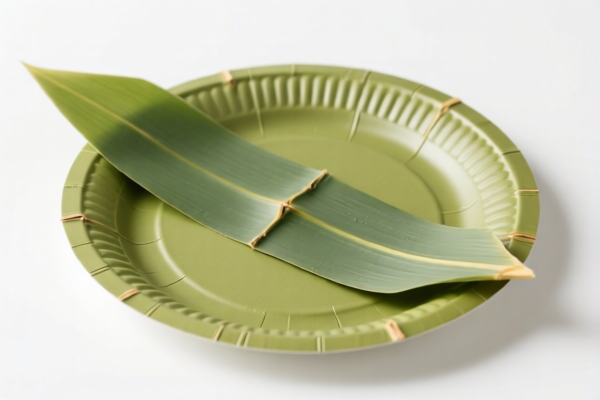
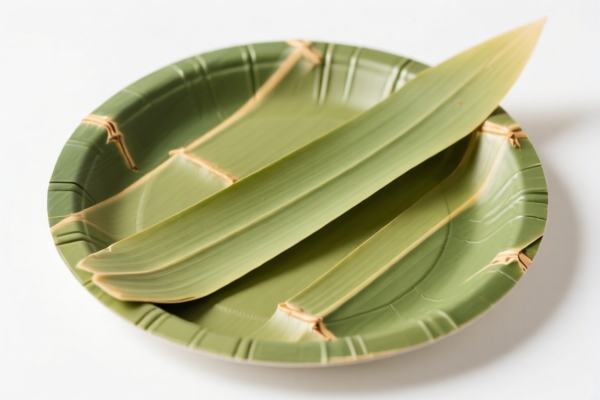
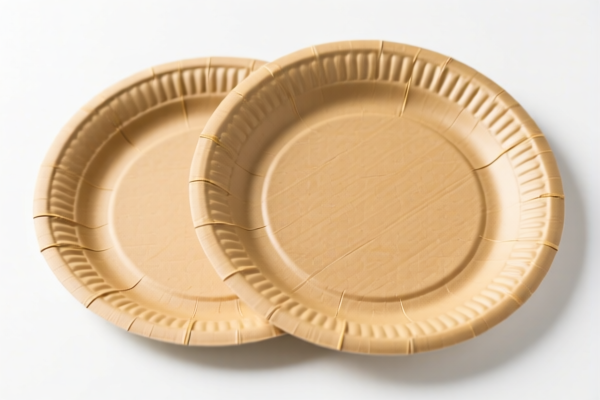
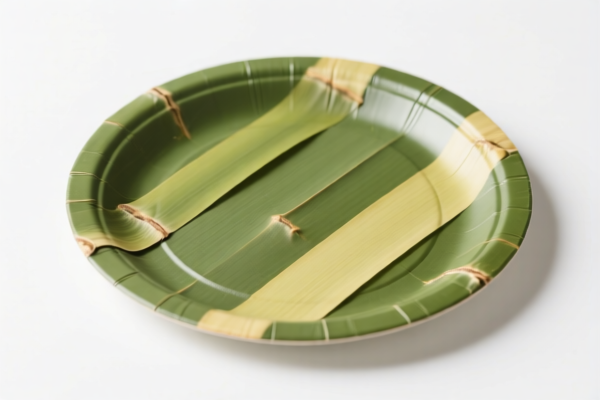
AI分析
🎋 Bamboo Plate (Printed) — The "Double-Edged Sword" of Kitchenware
🌐 HS Code Reference & Customs Clearance Guide | 2026 Latest Tariff Breakdown | Professional Strategy
📌 1. Product Definition & Classification: The Material Matters!
A Bamboo Plate (Printed) might look like simple tableware, but in international trade, its classification hinges on two critical factors: 1. Material: Is it 100% wood or bamboo composite/plastic? 2. Form: Is it a standard eating plate or a specific "bread/chopping board"?
In the provided, we see a clear split between HS 4419 (Wood/Bamboo Tableware) and HS 3924 (Plastics). Crucially, bamboo is legally classified as "Wood" under HS Code Chapter 44 in many jurisdictions, not Chapter 39 (Plastics).
⚠️ CRITICAL DISTINCTION:
- If your plate is made of solid bamboo or engineered bamboo wood → It falls under 4419.
- If your plate is made of bamboo fiber mixed with plastic/resin → It falls under 3924 (Plastics).
The data below assumes the product is classified as "Tableware of Wood/Bamboo" based on the specific HS codes provided.
📦 2. HS Code Classification Matrix (2026 Latest Tariff Data)
| HS Code | Product Description | Material Type | Key Feature | Tax Rate |
|---|---|---|---|---|
4419.11.00.00 |
Tableware of wood; Of bamboo; Bread boards, chopping boards and similar boards | 100% Bamboo/Wood | Flat, wide, often thicker; intended for cutting or serving bread | 3.2% |
4419.19.90.00 |
Tableware of wood; Of bamboo; Other; Other | 100% Bamboo/Wood | Standard eating plates, bowls, cups not listed elsewhere | 3.2% |
3924.10.20.00 |
Tableware of plastics; Plates, cups, saucers... | Bamboo Fiber + Plastic | Composite material; "Bamboo-printed" plastic plates | 14.0% |
3924.10.40.00 |
Tableware of plastics; Tableware and kitchenware; Other | Bamboo Fiber + Plastic | Other plastic-based tableware | 3.4% |
4602.11.35.00 |
Basketwork of vegetable materials; Of bamboo; Wickerwork | Woven Bamboo | Woven baskets/trays, not rigid plates | 25.0% |
4602.11.45.00 |
Basketwork of vegetable materials; Of bamboo; Other | Woven Bamboo | Other woven bamboo articles | 31.6% |
🔍 Key Insight:
- "Printed" does not change the HS Code. A printed bamboo plate is still bamboo tableware.
- Avoid4602: Do not classify rigid plates as "wickerwork/basketwork" unless they are woven. Rigid molded bamboo plates go to 4419.
- Avoid3924: Only use if your product is primarily plastic with bamboo fibers. If it's natural bamboo,3924is incorrect and risky.
💰 3. Detailed Tariff Analysis (US Import from China)
✅ Applicable Country: United States (US)
✅ Origin: China (CN)
✅ Effective Date: Current as of 2026 Data
🎯 Scenario A: Standard Bamboo Eating Plate (4419.19.90.00)
| Item | Detail |
|---|---|
| Base Tariff | 3.2% (Ad Valorem) |
| Section 301 Surcharge | 0.0% |
| Total Tax Rate | 3.2% |
| Tax Detail | 基础关税: 3.2%, 加征关税: 0.0% |
| Legal Basis | HTSUS 4419.19.90 |
📌 Explanation:
- Bamboo tableware (other than chopping boards) enjoys a relatively low tariff of 3.2%.
- Crucially, the provided data shows 0.0% additional tariff. This is a significant advantage compared to other bamboo products (like basketwork) or plastic alternatives under certain conditions.
- Note: Always verify if "Section 301" applies to your specific bamboo product code in the latest USITC list, as policies can change. Based on the provided , it is 0%.
🎯 Scenario B: Bamboo Chopping Board (4419.11.00.00)
| Item | Detail |
|---|---|
| Base Tariff | 3.2% |
| Section 301 Surcharge | 0.0% |
| Total Tax Rate | 3.2% |
| Tax Detail | 基础关税: 3.2%, 加征关税: 0.0% |
📌 Explanation:
- If the "Bamboo Plate" is thick and marketed as a chopping board, it falls under4419.11.00.00.
- The tariff is the same (3.2%), but the description must be precise. Customs may scrutinize if a thin plate is declared as a chopping board to avoid specific restrictions.
🎯 Scenario C: Mistaken Classification as Plastic (3924.10.20.00)
| Item | Detail |
|---|---|
| Base Tariff | 6.5% |
| Section 301 Surcharge | 7.5% |
| Total Tax Rate | 14.0% |
| Tax Detail | 基础关税: 6.5%, 加征关税: 7.5% |
⚠️ WARNING:
- If your "Bamboo Plate" is actually bamboo-fiber-reinforced plastic, you must use3924.10.20.00.
- However, the 14.0% total tax is 4.4x higher than the correct bamboo classification (3.2%).
- Do not misclassify bamboo wood products as plastic to avoid scrutiny, but do not classify plastic products as wood to save tax (high audit risk).
🎯 Scenario D: Mistaken Classification as Wicker/Basketwork (4602.11.45.00)
| Item | Detail |
|---|---|
| Base Tariff | 6.6% |
| Section 301 Surcharge | 25.0% |
| Total Tax Rate | 31.6% |
| Tax Detail | 基础关税: 6.6%, 加征关税: 25.0% |
🚫 AVOID:
- Never classify a rigid molded bamboo plate as "Wickerwork" (4602).
- The 31.6% tariff is catastrophic for profit margins.
- "Printed" does not make it wickerwork. Wickerwork is woven.
🛠️ 4. Customs Clearance Practical Advice (Pro Tips)
✅ 1. Documentation Checklist (Must-Have)
| Document | Requirement | Purpose |
|---|---|---|
| Commercial Invoice | Clearly state: "Bamboo Tableware, Printed" | Avoid vague terms like "Kitchen Accessories" |
| Product Composition Statement | Specify: "100% Natural Bamboo" or "Bamboo Fiber + Melamine Resin" | Determines HS 4419 vs 3924 |
| Material Safety Data Sheet (MSDS) | If using melamine/plastic binder | Required for 3924 classification |
| Photos | Show cross-section of material | Prove it's wood/bamboo, not plastic |
| Printing Specifications | Describe ink type (e.g., "Food-safe water-based ink") | For FDA/CPSC compliance (US) |
✅ 2. Declaration Strategy (Key Phrases)
🔥 "Be Specific, Be Accurate, Save Money!"
| Product Type | Recommended Declaration | HS Code | Tax |
|---|---|---|---|
| Solid Bamboo Plate | "Bamboo Tableware, Printed, For Eating" |
4419.19.90.00 |
3.2% |
| Bamboo Chopping Board | "Bamboo Chopping Board, Printed Design" |
4419.11.00.00 |
3.2% |
| Bamboo Fiber Plastic Plate | "Plastic Tableware, Bamboo Fiber Reinforced" |
3924.10.20.00 |
14.0% |
| Woven Bamboo Tray | "Bamboo Wickerwork Tray, Printed" |
4602.11.35.00 |
25.0% |
✅ 3. Common Pitfalls & How to Avoid Them
| Pitfall | Consequence | Solution |
|---|---|---|
| Mislabeling Plastic as Bamboo | Customs audit, fines, back-tariff | Provide material test report proving bamboo content |
| Using "Kitchenware" as Generic Term | Delayed clearance, possible misclassification | Use specific term: "Tableware" or "Plates" |
| Ignoring "Printed" Aspect | FDA/CPSC compliance issues | Ensure ink is food-safe and non-toxic |
| Confusing Chopping Boards with Plates | If thickness < 1cm, it's likely a plate | Classify as 4419.19.90.00 unless intended for cutting |
🌍 5. Global Market Comparison (2026)
| Market | Recommended HS Code | Tariff Rate | Notes |
|---|---|---|---|
| 🇺🇸 USA | 4419.19.90.00 |
3.2% | Low tariff, but strict FDA rules for printed inks |
| 🇪🇺 EU | 4419.19.90 |
0-10% | Varies by member state; CE marking not required for wood |
| 🇬🇧 UK | 4419.19.90 |
0-10% | Post-Brexit tariffs may differ; check UK Global Tariff |
| 🇨🇦 Canada | 4419.19.90 |
0% (Under CUSMA) | Free trade if originating in Canada/US/Mexico |
📌 Conclusion:
- The US tariff of 3.2% is highly competitive for bamboo tableware.
- Ensure correct classification to avoid the 14% (plastic) or 31.6% (wicker) traps.
- "Printed" adds compliance complexity (FDA) but does not affect HS Code in the provided.
📌 6. Final Checklist for Exporters
- [ ] Confirm Material: Is it 100% bamboo or bamboo-plastic composite?
- [ ] Select HS Code:
4419.19.90.00(Plate) or4419.11.00.00(Chopping Board). - [ ] Verify Tax: 3.2% Total (Base 3.2% + Additional 0%).
- [ ] Check Ink Safety: Ensure printed inks are food-contact safe.
- [ ] Prepare Docs: Invoice, Packing List, Certificate of Origin, Material Statement.
🎯 Pro Tip:
"If it's bamboo, it's 4419. If it's plastic, it's 3924. Don't guess, test!"
Tax Savings: Choosing4419over3924saves 10.8% on tariffs.
Risk Avoidance: Choosing4419over4602saves 28.4% on tariffs.
📣 Action Required:
📞 Consult a Customs Broker to validate your product's material composition.
📄 Request a Binding Ruling from CBP if uncertain about "Bamboo vs. Bamboo-Plastic".
🚀 Optimize Costs: Use4419.19.90.00for standard bamboo plates to lock in the 3.2% rate.
✨ Smart Classification, Smarter Profits!
💼 Your Bamboo Plate, Your Competitive Edge!
用户评价
关于 HS 编码归类
协调制度(HS)是由世界海关组织(WCO)制定的国际贸易商品分类标准。全球 200 多个国家采用 HS 系统作为海关关税、贸易统计和进出口监管的基础。
每个 HS 编码遵循以下层级结构:
- 章(2 位)——商品大类(例如:第 84 章:机器和机械设备)
- 品目(4 位)——章内的更具体分类
- 子目(6 位)——国际通用细分,所有 WCO 成员国统一使用
- 本国细分(8-10 位)——各国自行扩展的细分编码,如美国 HTSUS 10 位编码
正确的 HS 编码归类对于顺利通关、准确缴纳关税和遵守贸易法规至关重要。错误归类可能导致海关延误、多缴关税或罚款。
从CN进口到US时,适用的关税税率可能包括:
- 最惠国(MFN)税率——适用于 WTO 成员国的标准关税税率
- 普通税率——适用于无贸易协定国家
- 贸易救济关税——附加关税,如 301 条款(反倾销)、232 条款(国家安全)或反补贴税
本页内容仅供参考。如需正式归类,请咨询当地海关或持牌报关代理。