Bamboo Plate (Printed)
CN → US| HS Code | Tariff Rate | Origin | Destination | Doc |
|---|---|---|---|---|
| 4602114500 | 41.6% | CN | US | Official Doc |
| 4419199000 | 13.2% | CN | US | Official Doc |
| 4602113500 | 35.0% | CN | US | Official Doc |
| 4419110000 | 13.2% | CN | US | Official Doc |
Product Images
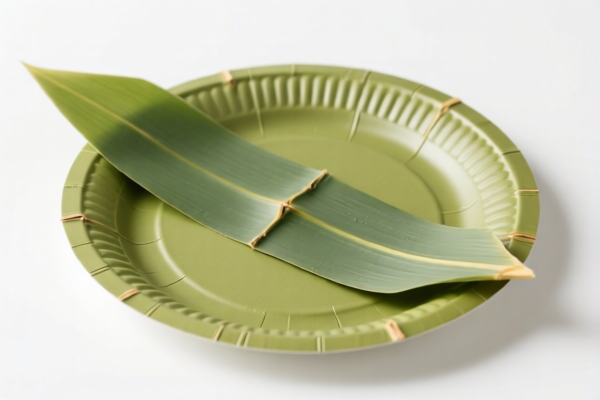
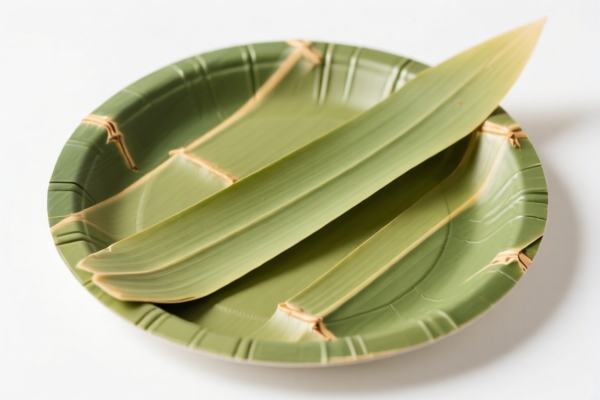
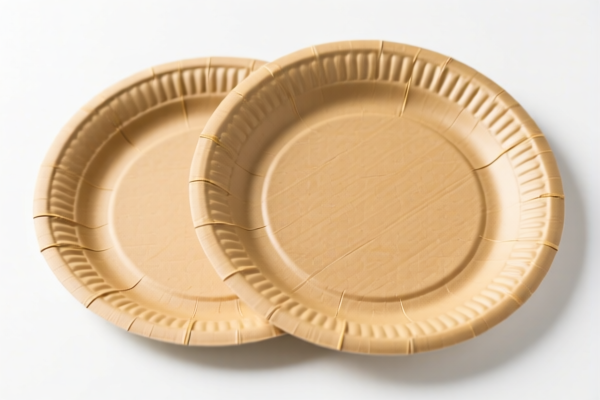
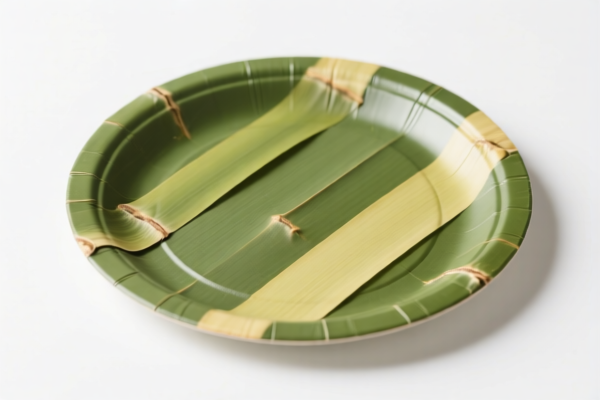
AI Analysis
🎋 Bamboo Plate (Printed) — The "Double-Edged Sword" of Kitchenware
🌐 HS Code Reference & Customs Clearance Guide | 2026 Latest Tariff Breakdown | Professional Strategy
📌 1. Product Definition & Classification: The Material Matters!
A Bamboo Plate (Printed) might look like simple tableware, but in international trade, its classification hinges on two critical factors: 1. Material: Is it 100% wood or bamboo composite/plastic? 2. Form: Is it a standard eating plate or a specific "bread/chopping board"?
In the provided, we see a clear split between HS 4419 (Wood/Bamboo Tableware) and HS 3924 (Plastics). Crucially, bamboo is legally classified as "Wood" under HS Code Chapter 44 in many jurisdictions, not Chapter 39 (Plastics).
⚠️ CRITICAL DISTINCTION:
- If your plate is made of solid bamboo or engineered bamboo wood → It falls under 4419.
- If your plate is made of bamboo fiber mixed with plastic/resin → It falls under 3924 (Plastics).
The data below assumes the product is classified as "Tableware of Wood/Bamboo" based on the specific HS codes provided.
📦 2. HS Code Classification Matrix (2026 Latest Tariff Data)
| HS Code | Product Description | Material Type | Key Feature | Tax Rate |
|---|---|---|---|---|
4419.11.00.00 |
Tableware of wood; Of bamboo; Bread boards, chopping boards and similar boards | 100% Bamboo/Wood | Flat, wide, often thicker; intended for cutting or serving bread | 3.2% |
4419.19.90.00 |
Tableware of wood; Of bamboo; Other; Other | 100% Bamboo/Wood | Standard eating plates, bowls, cups not listed elsewhere | 3.2% |
3924.10.20.00 |
Tableware of plastics; Plates, cups, saucers... | Bamboo Fiber + Plastic | Composite material; "Bamboo-printed" plastic plates | 14.0% |
3924.10.40.00 |
Tableware of plastics; Tableware and kitchenware; Other | Bamboo Fiber + Plastic | Other plastic-based tableware | 3.4% |
4602.11.35.00 |
Basketwork of vegetable materials; Of bamboo; Wickerwork | Woven Bamboo | Woven baskets/trays, not rigid plates | 25.0% |
4602.11.45.00 |
Basketwork of vegetable materials; Of bamboo; Other | Woven Bamboo | Other woven bamboo articles | 31.6% |
🔍 Key Insight:
- "Printed" does not change the HS Code. A printed bamboo plate is still bamboo tableware.
- Avoid4602: Do not classify rigid plates as "wickerwork/basketwork" unless they are woven. Rigid molded bamboo plates go to 4419.
- Avoid3924: Only use if your product is primarily plastic with bamboo fibers. If it's natural bamboo,3924is incorrect and risky.
💰 3. Detailed Tariff Analysis (US Import from China)
✅ Applicable Country: United States (US)
✅ Origin: China (CN)
✅ Effective Date: Current as of 2026 Data
🎯 Scenario A: Standard Bamboo Eating Plate (4419.19.90.00)
| Item | Detail |
|---|---|
| Base Tariff | 3.2% (Ad Valorem) |
| Section 301 Surcharge | 0.0% |
| Total Tax Rate | 3.2% |
| Tax Detail | 基础关税: 3.2%, 加征关税: 0.0% |
| Legal Basis | HTSUS 4419.19.90 |
📌 Explanation:
- Bamboo tableware (other than chopping boards) enjoys a relatively low tariff of 3.2%.
- Crucially, the provided data shows 0.0% additional tariff. This is a significant advantage compared to other bamboo products (like basketwork) or plastic alternatives under certain conditions.
- Note: Always verify if "Section 301" applies to your specific bamboo product code in the latest USITC list, as policies can change. Based on the provided , it is 0%.
🎯 Scenario B: Bamboo Chopping Board (4419.11.00.00)
| Item | Detail |
|---|---|
| Base Tariff | 3.2% |
| Section 301 Surcharge | 0.0% |
| Total Tax Rate | 3.2% |
| Tax Detail | 基础关税: 3.2%, 加征关税: 0.0% |
📌 Explanation:
- If the "Bamboo Plate" is thick and marketed as a chopping board, it falls under4419.11.00.00.
- The tariff is the same (3.2%), but the description must be precise. Customs may scrutinize if a thin plate is declared as a chopping board to avoid specific restrictions.
🎯 Scenario C: Mistaken Classification as Plastic (3924.10.20.00)
| Item | Detail |
|---|---|
| Base Tariff | 6.5% |
| Section 301 Surcharge | 7.5% |
| Total Tax Rate | 14.0% |
| Tax Detail | 基础关税: 6.5%, 加征关税: 7.5% |
⚠️ WARNING:
- If your "Bamboo Plate" is actually bamboo-fiber-reinforced plastic, you must use3924.10.20.00.
- However, the 14.0% total tax is 4.4x higher than the correct bamboo classification (3.2%).
- Do not misclassify bamboo wood products as plastic to avoid scrutiny, but do not classify plastic products as wood to save tax (high audit risk).
🎯 Scenario D: Mistaken Classification as Wicker/Basketwork (4602.11.45.00)
| Item | Detail |
|---|---|
| Base Tariff | 6.6% |
| Section 301 Surcharge | 25.0% |
| Total Tax Rate | 31.6% |
| Tax Detail | 基础关税: 6.6%, 加征关税: 25.0% |
🚫 AVOID:
- Never classify a rigid molded bamboo plate as "Wickerwork" (4602).
- The 31.6% tariff is catastrophic for profit margins.
- "Printed" does not make it wickerwork. Wickerwork is woven.
🛠️ 4. Customs Clearance Practical Advice (Pro Tips)
✅ 1. Documentation Checklist (Must-Have)
| Document | Requirement | Purpose |
|---|---|---|
| Commercial Invoice | Clearly state: "Bamboo Tableware, Printed" | Avoid vague terms like "Kitchen Accessories" |
| Product Composition Statement | Specify: "100% Natural Bamboo" or "Bamboo Fiber + Melamine Resin" | Determines HS 4419 vs 3924 |
| Material Safety Data Sheet (MSDS) | If using melamine/plastic binder | Required for 3924 classification |
| Photos | Show cross-section of material | Prove it's wood/bamboo, not plastic |
| Printing Specifications | Describe ink type (e.g., "Food-safe water-based ink") | For FDA/CPSC compliance (US) |
✅ 2. Declaration Strategy (Key Phrases)
🔥 "Be Specific, Be Accurate, Save Money!"
| Product Type | Recommended Declaration | HS Code | Tax |
|---|---|---|---|
| Solid Bamboo Plate | "Bamboo Tableware, Printed, For Eating" |
4419.19.90.00 |
3.2% |
| Bamboo Chopping Board | "Bamboo Chopping Board, Printed Design" |
4419.11.00.00 |
3.2% |
| Bamboo Fiber Plastic Plate | "Plastic Tableware, Bamboo Fiber Reinforced" |
3924.10.20.00 |
14.0% |
| Woven Bamboo Tray | "Bamboo Wickerwork Tray, Printed" |
4602.11.35.00 |
25.0% |
✅ 3. Common Pitfalls & How to Avoid Them
| Pitfall | Consequence | Solution |
|---|---|---|
| Mislabeling Plastic as Bamboo | Customs audit, fines, back-tariff | Provide material test report proving bamboo content |
| Using "Kitchenware" as Generic Term | Delayed clearance, possible misclassification | Use specific term: "Tableware" or "Plates" |
| Ignoring "Printed" Aspect | FDA/CPSC compliance issues | Ensure ink is food-safe and non-toxic |
| Confusing Chopping Boards with Plates | If thickness < 1cm, it's likely a plate | Classify as 4419.19.90.00 unless intended for cutting |
🌍 5. Global Market Comparison (2026)
| Market | Recommended HS Code | Tariff Rate | Notes |
|---|---|---|---|
| 🇺🇸 USA | 4419.19.90.00 |
3.2% | Low tariff, but strict FDA rules for printed inks |
| 🇪🇺 EU | 4419.19.90 |
0-10% | Varies by member state; CE marking not required for wood |
| 🇬🇧 UK | 4419.19.90 |
0-10% | Post-Brexit tariffs may differ; check UK Global Tariff |
| 🇨🇦 Canada | 4419.19.90 |
0% (Under CUSMA) | Free trade if originating in Canada/US/Mexico |
📌 Conclusion:
- The US tariff of 3.2% is highly competitive for bamboo tableware.
- Ensure correct classification to avoid the 14% (plastic) or 31.6% (wicker) traps.
- "Printed" adds compliance complexity (FDA) but does not affect HS Code in the provided.
📌 6. Final Checklist for Exporters
- [ ] Confirm Material: Is it 100% bamboo or bamboo-plastic composite?
- [ ] Select HS Code:
4419.19.90.00(Plate) or4419.11.00.00(Chopping Board). - [ ] Verify Tax: 3.2% Total (Base 3.2% + Additional 0%).
- [ ] Check Ink Safety: Ensure printed inks are food-contact safe.
- [ ] Prepare Docs: Invoice, Packing List, Certificate of Origin, Material Statement.
🎯 Pro Tip:
"If it's bamboo, it's 4419. If it's plastic, it's 3924. Don't guess, test!"
Tax Savings: Choosing4419over3924saves 10.8% on tariffs.
Risk Avoidance: Choosing4419over4602saves 28.4% on tariffs.
📣 Action Required:
📞 Consult a Customs Broker to validate your product's material composition.
📄 Request a Binding Ruling from CBP if uncertain about "Bamboo vs. Bamboo-Plastic".
🚀 Optimize Costs: Use4419.19.90.00for standard bamboo plates to lock in the 3.2% rate.
✨ Smart Classification, Smarter Profits!
💼 Your Bamboo Plate, Your Competitive Edge!
Customer Reviews
About HS Code Classification
The Harmonized System (HS) is an internationally standardized nomenclature developed by the World Customs Organization (WCO) to classify traded products. Over 200 countries use the HS system as the basis for customs tariffs, trade statistics, and import/export regulations.
Each HS code follows a hierarchical structure:
- Chapter (2 digits) — Broad category of goods (e.g., Chapter 84: Machinery and Mechanical Appliances)
- Heading (4 digits) — More specific grouping within the chapter
- Subheading (6 digits) — Internationally standardized breakdown, used by all WCO member countries
- National subdivisions (8-10 digits) — Country-specific extensions for further classification, such as US HTSUS 10-digit codes
Correct HS code classification is essential for smooth customs clearance, accurate duty payment, and compliance with trade regulations. Misclassification can lead to customs delays, overpayment of duties, or penalties.
When importing from CN to US, the applicable tariff rates may include:
- Most-Favored-Nation (MFN) rate — The standard duty rate applied to WTO members
- General rate — Applied to countries without trade agreements
- Trade remedy duties — Additional tariffs such as Section 301 (anti-dumping), Section 232 (national security), or countervailing duties
The information provided on this page is for reference purposes only. For official classification, please consult with your local customs authority or a licensed customs broker.