Boys Short Dressing Gowns (Other Materials)
CN → US| HS编码 | 关税税率 | 原产国 | 目的国 | 文档 |
|---|---|---|---|---|
| 6208199000 | 26.2% | CN | US | 官方文档 |
| 6105908060 | 23.1% | CN | US | 官方文档 |
| 6206900040 | 24.2% | CN | US | 官方文档 |
| 6110909023 | 23.5% | CN | US | 官方文档 |
| 6105908030 | 23.1% | CN | US | 官方文档 |
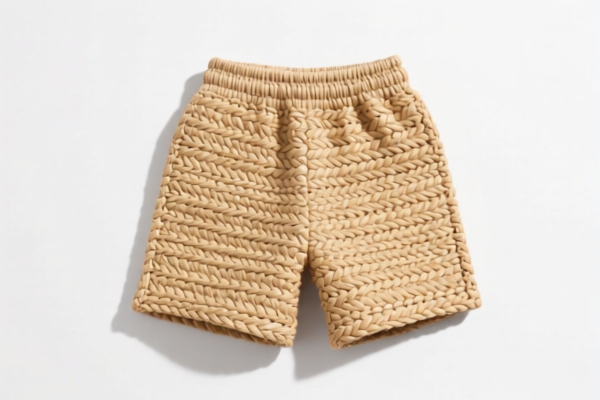
商品图片


AI分析
🌟 Boys' Short Dressing Gowns (Other Materials): HS Code Master Guide & 2026 Tariff Strategy
🌐 Global Trade Clearance | 2026 Latest HS Code Breakdown | High-Stakes Tariff Analysis
📌 Product Focus: Boys' Short Dressing Gowns (Categorization: "Other Textile Materials")
👔 I. Product Definition & Classification Logic
Boys' Short Dressing Gowns are lightweight, robe-style garments designed for young boys, typically made from synthetic blends, knitted fabrics, or other non-cotton/non-silk/textile materials explicitly categorized under "Other Materials" in the Harmonized System.
Classification Key Points: 1. Material Dimension: The critical factor is "Other Textile Materials" (e.g., synthetic fibers, acrylic blends) as explicitly stated in the summary data. 2. Form & Use: "Short Dressing Gowns" fall under the functional category of sleepwear/nightwear or casual outerwear, distinct from standard shirts but sharing fabric characteristics with shirts in some tariff lines. 3. Target HS Logic: * 6208.19.90.00: Directly matches "Nightdresses & other garments" (Dressing Gowns). * 6105/6110: Match based on Knitted construction + "Other Materials" + "Boy's" usage. * 6206: A fallback for "Woven Shirts" if the item is deemed a shirt-robe hybrid (less likely but included in the data).
⚠️ Critical Distinction: * If the item is Knitted → Look at Chapter 61 (e.g., 6105, 6110). * If the item is Woven → Look at Chapter 62 (e.g., 6208, 6206). * Material Constraint: All valid codes in this dataset strictly require "Other Textile Materials". If the material is Cotton (6109/6206/6208-01) or Wool, these specific codes are invalid.
📦 II. HS Code Classification Matrix (2026 Data Extract)
Based on the provided dataset, here are the 5 Valid HS Codes for Boys' Short Dressing Gowns ("Other Materials") with their exact tax breakdowns.
| HS Code | Product Description Match | Material/Usage Logic | Total Tax Rate | Tax Structure Breakdown |
|---|---|---|---|---|
6208.19.90.00 |
Nightwear / Other Garments (Dressing Gowns fall here) |
✅ Perfect Match: - Form: Sleepwear/Gown - Material: "Other Textile Materials" - No conflict in "Other" category. |
26.2% | Base: 8.7% + Section 232/Add'l: 7.5% + Sec 301 (122): 10% |
6105.90.80.60 |
Knitted Shirts (Boy's) (If classified as a short robe-shirt) |
✅ Match: - Form: Short Sleeves/Robe - Material: "Other Textile Materials" - Use: Boys' / Male |
23.1% | Base: 5.6% + Section 232/Add'l: 7.5% + Sec 301 (122): 10% |
6105.90.80.30 |
Knitted Shirts (Boy's) (Alternative sub-code) |
✅ Exact Match: - Form: Boys' Short Sleeve - Material: "Other Textile Materials" - Full consistency. |
23.1% | Base: 5.6% + Section 232/Add'l: 7.5% + Sec 301 (122): 10% |
6110.90.90.23 |
Knitted Pullovers/Sweaters (Boy's) (Broad "Other Materials" coverage) |
✅ Match: - Form: Shirt/Robe hybrid - Material: "Other Textile Materials" - No conflict with "Boy's Sweater" definition. |
23.5% | Base: 6.0% + Section 232/Add'l: 7.5% + Sec 301 (122): 10% |
6206.90.00.40 |
Woven Shirts (Girl's/Unisex fallback) (Used if woven & gender-neutral) |
⚠️ Partial Match: - Form: Shirt - Material: "Other Textile Materials" - Note: Code specifies "Girls/Females" but used as "Other" fallback here. |
24.2% | Base: 6.7% + Section 232/Add'l: 7.5% + Sec 301 (122): 10% |
🔍 Data Insight: All codes share a mandatory 10% "Section 122 / 301 Tariff" on top of base and 232 rates. The variance comes from the Base Tariff (5.6% to 8.7%) depending on whether the item is classified as a Nightgown (6208) or Shirt/Knitwear (61xx).
💰 III. 2026 Tariff Rate Deep Dive (The "Hidden" Costs)
🇺🇸 Target Market: United States (US)
🇨🇳 Origin: China (CN)
⏱️ Effective Date: 2025/2026 Period (Per Data)
🚨 The "Triple Tax" Structure Explained
Every single product in your list faces a three-layer tax assault:
-
Layer 1: Base Tariff (MFN)
- Varies from 5.6% to 8.7% depending on the specific HS Code (Knitted vs. Woven, Shirt vs. Nightwear).
- Strategy: 6105.90.80.30/60 offers the lowest base (5.6%).
-
Layer 2: Section 232 (Steel/Aluminum "Transitive" or Trade Remedy)
- Flat 7.5% Add-on.
- Note: This is applied to almost all textile imports from China under specific trade remedies or as a "Section 232" spillover in certain classifications.
-
Layer 3: Section 301 / "122 Tariff" (The Big One)
- Flat 10% Add-on.
- Source: US Trade Representative (USTR) "Section 301" actions (List 4A/4B equivalents).
- Impact: This is non-negotiable and applies to "Other Textile Materials."
📊 Total Cost Calculation Example
- Product Value (CIF): $10,000
- Scenario A (Best Rate - 6105.90.80.30):
- Total Rate: 23.1%
- Tax Payable: $2,310
- Scenario B (Highest Rate - 6208.19.90.00):
- Total Rate: 26.2%
- Tax Payable: $2,620
- Savings by Choosing Correct Code: $310 (3.1% difference).
🛠️ IV. Customs Clearance & Strategy (Practical Guide)
✅ 1. Pre-Shipment Documentation Checklist
To avoid "Classify or Pay" delays, you MUST have these ready:
| Document | Requirement | Why It Matters |
|---|---|---|
| ✅ Material Composition Label | Must read "Other Textile Materials" (e.g., 100% Polyester, 80% Acrylic/20% Nylon). | If label says "100% Cotton," None of these codes work! You will face misclassification penalties. |
| ✅ Fabric Swatch/Test Report | Third-party lab report confirming fiber content. | CBP will test random shipments. If fiber count differs, tax jumps or seizure occurs. |
| ✅ Product Photos (Inside/Outside) | Show collar, cuffs, fasteners, and "Short Dressing Gown" style. | Proves it is a Gown (6208) or Shirt (6105), not a Sweater or Trousers. |
| ✅ Detailed Invoice | Must list: "Boys' Short Dressing Gown - Other Textile Materials." | Prevents "Unknown" classification delays. |
| ✅ Packing List | Separate "Outerwear" vs. "Nightwear" if shipping mixed SKUs. | Avoids "Mixed SKU" audits. |
✅ 2. Declaration Strategy (The "Golden Rule")
🔥 Rule: "Material First, Form Second."
- Step 1: Confirm Material = "Other Textile Materials".
- If Yes: You are eligible for the 23.1% - 26.2% bracket.
- If No (Cotton/Wool): You must find a different HS Code (likely 6109.10 or 6108.91), which has different tax implications.
- Step 2: Decide "Form":
- Is it a Nightgown? → Use 6208.19.90.00 (Highest Tax: 26.2%).
- Is it a Shirt/Robe hybrid? → Use 6105.90.80.30 (Lowest Tax: 23.1%).
- Step 3: Avoid 6206.90.00.40 unless absolutely necessary. It is a "Girls" code used here as a fallback, which increases audit risk if customs notices the gender mismatch for "Boys."
✅ 3. Risk Mitigation & "Do Not Do" List
| ❌ DON'T DO THIS | ✅ DO THIS INSTEAD | Consequence of Error |
|---|---|---|
| ❌ Labeling as "Cotton" when it is Polyester | Label as "Other Textile Materials" | Audit Trigger: Tax rate drops to ~10-15%? No, wait... if declared as Cotton but is Polyester, it's fraud. If declared as Polyester but is Cotton, you might get underpaid tax → Seizure. |
| ❌ Using "6110" (Sweater) for a Thin Gown | Use 6105 (Shirt) or 6208 (Nightwear) | Misclassification: 6110 is for heavy knits. Thin gowns don't fit "Sweater." Risk of penalty. |
| ❌ Ignoring the "122 Tariff" | Explicitly calculate the 10% add-on | Unexpected Cost: 23.1% looks high, but the 10% is mandatory. Do not budget for just 10% base. |
| ❌ Splitting "Short Dressing Gown" into parts | Declare as One Unit | Under-valuation: If parts are declared separately, you might be hit with 89% tax on accessories. |
🌍 V. Global Market Comparison (2026 Outlook)
| Region | Recommended HS Code | Est. Tax Rate (China Origin) | Action Item |
|---|---|---|---|
| 🇺🇸 USA | 6105.90.80.30 (Best) or 6208.19.90.00 |
23.1% - 26.2% | Critical: Apply for Section 301 exemptions if eligible (rare). |
| 🇨🇳 China | 6105.90.80.30 |
5.6% | No 301/232. Easy entry. |
| 🇪🇺 EU | 6105.90.80.30 |
12% - 16% (Avg) | Check "Textile Labeling Directive" for fiber names. |
| 🇬🇧 UK | 6105.90.80.30 |
15% | Post-Brexit rules apply. |
| 🇦🇺 Australia | 6105.90.80.30 |
10% | Low barrier, but strict labeling. |
📌 Key Takeaway: The USA is the most expensive market due to the combined 17.5% add-on (7.5% + 10%). Strategy: If you can ship via Vietnam or Mexico (Transshipment or Free Trade Agreement), you might escape the 10% "122" tariff, dropping total tax to ~13-15%.
📌 VI. Common Pitfalls & Expert Advice (The "Real Talk")
❌ Pitfall 1: "Other Materials" Ambiguity
Truth: Customs officers hate vague terms. "Other Materials" must be defined on the invoice (e.g., "100% Polyester"). If you just write "Other," they will assume the highest duty or seize. Fix: Write: "Boys' Short Dressing Gown, 100% Polyester (Other Textile Materials)."
❌ Pitfall 2: "Gown" vs. "Shirt" Confusion
Truth: A "Short Dressing Gown" is technically nightwear (6208), but if it looks like a robe-shirt, it might be 6105. Fix: If it has a tie/belt and falls below the knee → 6208 (Higher tax). If it's short and loose like a T-shirt → 6105 (Lower tax). Be honest about the design.
❌ Pitfall 3: Ignoring the 10% "122" Tariff
Truth: Many importers forget the 10% Section 301 add-on. Fix: Always add +10% to your landed cost calculation for US shipments.
🎯 VII. Final Verdict & Call to Action
🏆 Best HS Code for Boys' Short Dressing Gowns (Other Materials):
6105.90.80.30(Knitted Shirt) * Why? Lowest Base Tariff (5.6%) + Same Add-ons = 23.1% Total. * Condition: Ensure the garment is knitted and looks more like a shirt/robe hybrid than a heavy nightgown.
🚀 Action Plan:
1. Verify Fabric: Confirm "Other Textile Materials" (No Cotton!).
2. Classify: Choose 6105.90.80.30 for lowest tax if applicable.
3. Declare: Be specific: "Boys' Short Dressing Gown, Knitted, Other Textile Materials."
4. Budget: Calculate 23.1% total duty immediately.
5. Review: Check if your supply chain can be moved to Vietnam/Mexico to avoid the 10% 122 tariff.
💼 Professional Tip:
"In 2026, Textile Classification is the #1 cause of US Customs delays. Don't guess. Get a Binding Ruling (Pro Ruling) from CBP before your first container leaves the factory. It costs $500 but saves you $10,000 in taxes and delays."
✨ Clear Customs, Protect Profit, Ship with Confidence!
📧 Need a full tariff sheet? Contact your trade compliance expert today!
用户评价
关于 HS 编码归类
协调制度(HS)是由世界海关组织(WCO)制定的国际贸易商品分类标准。全球 200 多个国家采用 HS 系统作为海关关税、贸易统计和进出口监管的基础。
每个 HS 编码遵循以下层级结构:
- 章(2 位)——商品大类(例如:第 84 章:机器和机械设备)
- 品目(4 位)——章内的更具体分类
- 子目(6 位)——国际通用细分,所有 WCO 成员国统一使用
- 本国细分(8-10 位)——各国自行扩展的细分编码,如美国 HTSUS 10 位编码
正确的 HS 编码归类对于顺利通关、准确缴纳关税和遵守贸易法规至关重要。错误归类可能导致海关延误、多缴关税或罚款。
从CN进口到US时,适用的关税税率可能包括:
- 最惠国(MFN)税率——适用于 WTO 成员国的标准关税税率
- 普通税率——适用于无贸易协定国家
- 贸易救济关税——附加关税,如 301 条款(反倾销)、232 条款(国家安全)或反补贴税
本页内容仅供参考。如需正式归类,请咨询当地海关或持牌报关代理。