Boys Short Dressing Gowns (Other Materials)
CN → US| HS Code | Tariff Rate | Origin | Destination | Doc |
|---|---|---|---|---|
| 6208199000 | 26.2% | CN | US | Official Doc |
| 6105908060 | 23.1% | CN | US | Official Doc |
| 6206900040 | 24.2% | CN | US | Official Doc |
| 6110909023 | 23.5% | CN | US | Official Doc |
| 6105908030 | 23.1% | CN | US | Official Doc |
Product Images
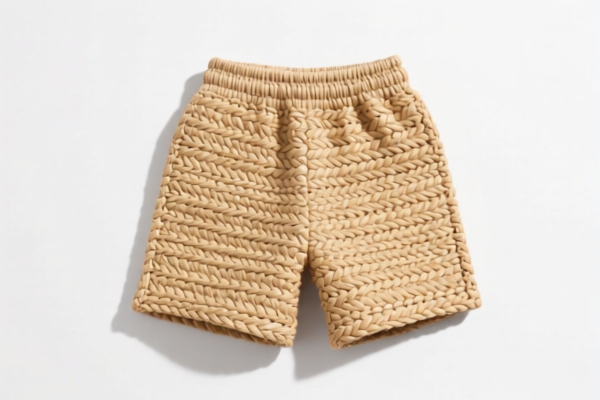


AI Analysis
🌟 Boys' Short Dressing Gowns (Other Materials): HS Code Master Guide & 2026 Tariff Strategy
🌐 Global Trade Clearance | 2026 Latest HS Code Breakdown | High-Stakes Tariff Analysis
📌 Product Focus: Boys' Short Dressing Gowns (Categorization: "Other Textile Materials")
👔 I. Product Definition & Classification Logic
Boys' Short Dressing Gowns are lightweight, robe-style garments designed for young boys, typically made from synthetic blends, knitted fabrics, or other non-cotton/non-silk/textile materials explicitly categorized under "Other Materials" in the Harmonized System.
Classification Key Points: 1. Material Dimension: The critical factor is "Other Textile Materials" (e.g., synthetic fibers, acrylic blends) as explicitly stated in the summary data. 2. Form & Use: "Short Dressing Gowns" fall under the functional category of sleepwear/nightwear or casual outerwear, distinct from standard shirts but sharing fabric characteristics with shirts in some tariff lines. 3. Target HS Logic: * 6208.19.90.00: Directly matches "Nightdresses & other garments" (Dressing Gowns). * 6105/6110: Match based on Knitted construction + "Other Materials" + "Boy's" usage. * 6206: A fallback for "Woven Shirts" if the item is deemed a shirt-robe hybrid (less likely but included in the data).
⚠️ Critical Distinction: * If the item is Knitted → Look at Chapter 61 (e.g., 6105, 6110). * If the item is Woven → Look at Chapter 62 (e.g., 6208, 6206). * Material Constraint: All valid codes in this dataset strictly require "Other Textile Materials". If the material is Cotton (6109/6206/6208-01) or Wool, these specific codes are invalid.
📦 II. HS Code Classification Matrix (2026 Data Extract)
Based on the provided dataset, here are the 5 Valid HS Codes for Boys' Short Dressing Gowns ("Other Materials") with their exact tax breakdowns.
| HS Code | Product Description Match | Material/Usage Logic | Total Tax Rate | Tax Structure Breakdown |
|---|---|---|---|---|
6208.19.90.00 |
Nightwear / Other Garments (Dressing Gowns fall here) |
✅ Perfect Match: - Form: Sleepwear/Gown - Material: "Other Textile Materials" - No conflict in "Other" category. |
26.2% | Base: 8.7% + Section 232/Add'l: 7.5% + Sec 301 (122): 10% |
6105.90.80.60 |
Knitted Shirts (Boy's) (If classified as a short robe-shirt) |
✅ Match: - Form: Short Sleeves/Robe - Material: "Other Textile Materials" - Use: Boys' / Male |
23.1% | Base: 5.6% + Section 232/Add'l: 7.5% + Sec 301 (122): 10% |
6105.90.80.30 |
Knitted Shirts (Boy's) (Alternative sub-code) |
✅ Exact Match: - Form: Boys' Short Sleeve - Material: "Other Textile Materials" - Full consistency. |
23.1% | Base: 5.6% + Section 232/Add'l: 7.5% + Sec 301 (122): 10% |
6110.90.90.23 |
Knitted Pullovers/Sweaters (Boy's) (Broad "Other Materials" coverage) |
✅ Match: - Form: Shirt/Robe hybrid - Material: "Other Textile Materials" - No conflict with "Boy's Sweater" definition. |
23.5% | Base: 6.0% + Section 232/Add'l: 7.5% + Sec 301 (122): 10% |
6206.90.00.40 |
Woven Shirts (Girl's/Unisex fallback) (Used if woven & gender-neutral) |
⚠️ Partial Match: - Form: Shirt - Material: "Other Textile Materials" - Note: Code specifies "Girls/Females" but used as "Other" fallback here. |
24.2% | Base: 6.7% + Section 232/Add'l: 7.5% + Sec 301 (122): 10% |
🔍 Data Insight: All codes share a mandatory 10% "Section 122 / 301 Tariff" on top of base and 232 rates. The variance comes from the Base Tariff (5.6% to 8.7%) depending on whether the item is classified as a Nightgown (6208) or Shirt/Knitwear (61xx).
💰 III. 2026 Tariff Rate Deep Dive (The "Hidden" Costs)
🇺🇸 Target Market: United States (US)
🇨🇳 Origin: China (CN)
⏱️ Effective Date: 2025/2026 Period (Per Data)
🚨 The "Triple Tax" Structure Explained
Every single product in your list faces a three-layer tax assault:
-
Layer 1: Base Tariff (MFN)
- Varies from 5.6% to 8.7% depending on the specific HS Code (Knitted vs. Woven, Shirt vs. Nightwear).
- Strategy: 6105.90.80.30/60 offers the lowest base (5.6%).
-
Layer 2: Section 232 (Steel/Aluminum "Transitive" or Trade Remedy)
- Flat 7.5% Add-on.
- Note: This is applied to almost all textile imports from China under specific trade remedies or as a "Section 232" spillover in certain classifications.
-
Layer 3: Section 301 / "122 Tariff" (The Big One)
- Flat 10% Add-on.
- Source: US Trade Representative (USTR) "Section 301" actions (List 4A/4B equivalents).
- Impact: This is non-negotiable and applies to "Other Textile Materials."
📊 Total Cost Calculation Example
- Product Value (CIF): $10,000
- Scenario A (Best Rate - 6105.90.80.30):
- Total Rate: 23.1%
- Tax Payable: $2,310
- Scenario B (Highest Rate - 6208.19.90.00):
- Total Rate: 26.2%
- Tax Payable: $2,620
- Savings by Choosing Correct Code: $310 (3.1% difference).
🛠️ IV. Customs Clearance & Strategy (Practical Guide)
✅ 1. Pre-Shipment Documentation Checklist
To avoid "Classify or Pay" delays, you MUST have these ready:
| Document | Requirement | Why It Matters |
|---|---|---|
| ✅ Material Composition Label | Must read "Other Textile Materials" (e.g., 100% Polyester, 80% Acrylic/20% Nylon). | If label says "100% Cotton," None of these codes work! You will face misclassification penalties. |
| ✅ Fabric Swatch/Test Report | Third-party lab report confirming fiber content. | CBP will test random shipments. If fiber count differs, tax jumps or seizure occurs. |
| ✅ Product Photos (Inside/Outside) | Show collar, cuffs, fasteners, and "Short Dressing Gown" style. | Proves it is a Gown (6208) or Shirt (6105), not a Sweater or Trousers. |
| ✅ Detailed Invoice | Must list: "Boys' Short Dressing Gown - Other Textile Materials." | Prevents "Unknown" classification delays. |
| ✅ Packing List | Separate "Outerwear" vs. "Nightwear" if shipping mixed SKUs. | Avoids "Mixed SKU" audits. |
✅ 2. Declaration Strategy (The "Golden Rule")
🔥 Rule: "Material First, Form Second."
- Step 1: Confirm Material = "Other Textile Materials".
- If Yes: You are eligible for the 23.1% - 26.2% bracket.
- If No (Cotton/Wool): You must find a different HS Code (likely 6109.10 or 6108.91), which has different tax implications.
- Step 2: Decide "Form":
- Is it a Nightgown? → Use 6208.19.90.00 (Highest Tax: 26.2%).
- Is it a Shirt/Robe hybrid? → Use 6105.90.80.30 (Lowest Tax: 23.1%).
- Step 3: Avoid 6206.90.00.40 unless absolutely necessary. It is a "Girls" code used here as a fallback, which increases audit risk if customs notices the gender mismatch for "Boys."
✅ 3. Risk Mitigation & "Do Not Do" List
| ❌ DON'T DO THIS | ✅ DO THIS INSTEAD | Consequence of Error |
|---|---|---|
| ❌ Labeling as "Cotton" when it is Polyester | Label as "Other Textile Materials" | Audit Trigger: Tax rate drops to ~10-15%? No, wait... if declared as Cotton but is Polyester, it's fraud. If declared as Polyester but is Cotton, you might get underpaid tax → Seizure. |
| ❌ Using "6110" (Sweater) for a Thin Gown | Use 6105 (Shirt) or 6208 (Nightwear) | Misclassification: 6110 is for heavy knits. Thin gowns don't fit "Sweater." Risk of penalty. |
| ❌ Ignoring the "122 Tariff" | Explicitly calculate the 10% add-on | Unexpected Cost: 23.1% looks high, but the 10% is mandatory. Do not budget for just 10% base. |
| ❌ Splitting "Short Dressing Gown" into parts | Declare as One Unit | Under-valuation: If parts are declared separately, you might be hit with 89% tax on accessories. |
🌍 V. Global Market Comparison (2026 Outlook)
| Region | Recommended HS Code | Est. Tax Rate (China Origin) | Action Item |
|---|---|---|---|
| 🇺🇸 USA | 6105.90.80.30 (Best) or 6208.19.90.00 |
23.1% - 26.2% | Critical: Apply for Section 301 exemptions if eligible (rare). |
| 🇨🇳 China | 6105.90.80.30 |
5.6% | No 301/232. Easy entry. |
| 🇪🇺 EU | 6105.90.80.30 |
12% - 16% (Avg) | Check "Textile Labeling Directive" for fiber names. |
| 🇬🇧 UK | 6105.90.80.30 |
15% | Post-Brexit rules apply. |
| 🇦🇺 Australia | 6105.90.80.30 |
10% | Low barrier, but strict labeling. |
📌 Key Takeaway: The USA is the most expensive market due to the combined 17.5% add-on (7.5% + 10%). Strategy: If you can ship via Vietnam or Mexico (Transshipment or Free Trade Agreement), you might escape the 10% "122" tariff, dropping total tax to ~13-15%.
📌 VI. Common Pitfalls & Expert Advice (The "Real Talk")
❌ Pitfall 1: "Other Materials" Ambiguity
Truth: Customs officers hate vague terms. "Other Materials" must be defined on the invoice (e.g., "100% Polyester"). If you just write "Other," they will assume the highest duty or seize. Fix: Write: "Boys' Short Dressing Gown, 100% Polyester (Other Textile Materials)."
❌ Pitfall 2: "Gown" vs. "Shirt" Confusion
Truth: A "Short Dressing Gown" is technically nightwear (6208), but if it looks like a robe-shirt, it might be 6105. Fix: If it has a tie/belt and falls below the knee → 6208 (Higher tax). If it's short and loose like a T-shirt → 6105 (Lower tax). Be honest about the design.
❌ Pitfall 3: Ignoring the 10% "122" Tariff
Truth: Many importers forget the 10% Section 301 add-on. Fix: Always add +10% to your landed cost calculation for US shipments.
🎯 VII. Final Verdict & Call to Action
🏆 Best HS Code for Boys' Short Dressing Gowns (Other Materials):
6105.90.80.30(Knitted Shirt) * Why? Lowest Base Tariff (5.6%) + Same Add-ons = 23.1% Total. * Condition: Ensure the garment is knitted and looks more like a shirt/robe hybrid than a heavy nightgown.
🚀 Action Plan:
1. Verify Fabric: Confirm "Other Textile Materials" (No Cotton!).
2. Classify: Choose 6105.90.80.30 for lowest tax if applicable.
3. Declare: Be specific: "Boys' Short Dressing Gown, Knitted, Other Textile Materials."
4. Budget: Calculate 23.1% total duty immediately.
5. Review: Check if your supply chain can be moved to Vietnam/Mexico to avoid the 10% 122 tariff.
💼 Professional Tip:
"In 2026, Textile Classification is the #1 cause of US Customs delays. Don't guess. Get a Binding Ruling (Pro Ruling) from CBP before your first container leaves the factory. It costs $500 but saves you $10,000 in taxes and delays."
✨ Clear Customs, Protect Profit, Ship with Confidence!
📧 Need a full tariff sheet? Contact your trade compliance expert today!
Customer Reviews
About HS Code Classification
The Harmonized System (HS) is an internationally standardized nomenclature developed by the World Customs Organization (WCO) to classify traded products. Over 200 countries use the HS system as the basis for customs tariffs, trade statistics, and import/export regulations.
Each HS code follows a hierarchical structure:
- Chapter (2 digits) — Broad category of goods (e.g., Chapter 84: Machinery and Mechanical Appliances)
- Heading (4 digits) — More specific grouping within the chapter
- Subheading (6 digits) — Internationally standardized breakdown, used by all WCO member countries
- National subdivisions (8-10 digits) — Country-specific extensions for further classification, such as US HTSUS 10-digit codes
Correct HS code classification is essential for smooth customs clearance, accurate duty payment, and compliance with trade regulations. Misclassification can lead to customs delays, overpayment of duties, or penalties.
When importing from CN to US, the applicable tariff rates may include:
- Most-Favored-Nation (MFN) rate — The standard duty rate applied to WTO members
- General rate — Applied to countries without trade agreements
- Trade remedy duties — Additional tariffs such as Section 301 (anti-dumping), Section 232 (national security), or countervailing duties
The information provided on this page is for reference purposes only. For official classification, please consult with your local customs authority or a licensed customs broker.