Coniferous sawnwood (unprocessed)
CN → US| HS编码 | 关税税率 | 原产国 | 目的国 | 文档 |
|---|---|---|---|---|
| 4403220165 | 35.0% | CN | US | 官方文档 |
| 4403260165 | 35.0% | CN | US | 官方文档 |
| 4407190092 | 35.0% | CN | US | 官方文档 |
| 4407190093 | 35.0% | CN | US | 官方文档 |
| 4403260164 | 35.0% | CN | US | 官方文档 |
商品图片
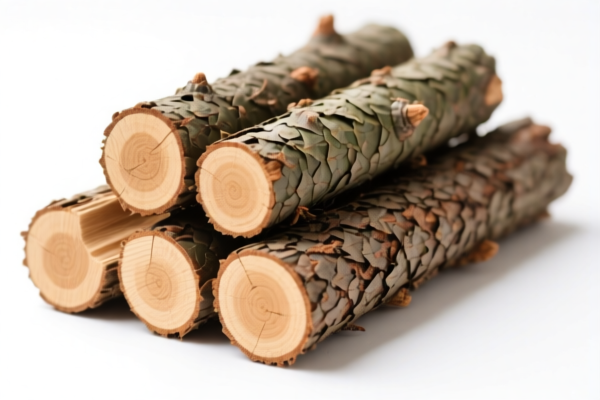
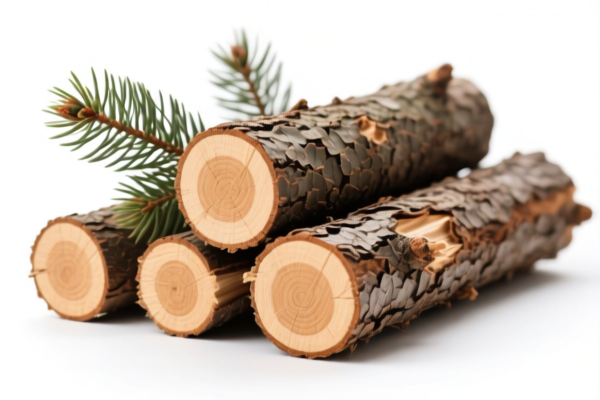
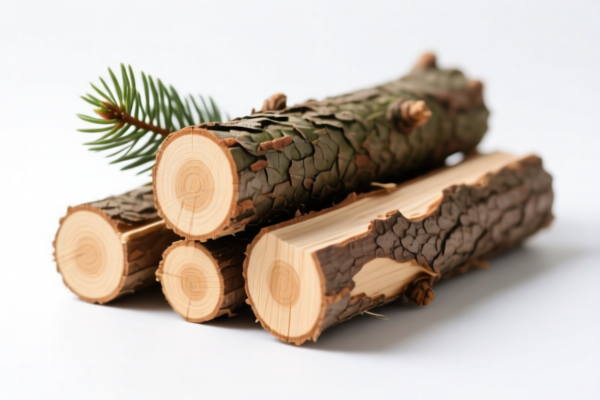
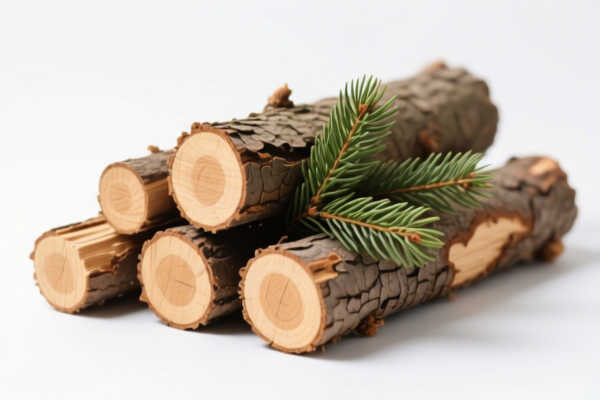
AI分析
🌲 Coniferous Sawnwood (Unprocessed)
🌐 HS Code Reference & Customs Clearance Guide | 2026 Latest Tariff Analysis | Professional Strategy for Raw Timber
📌 I. Product Definition & Classification: Understanding "Coniferous Sawnwood"
Coniferous sawnwood, particularly when unprocessed (raw logs, rough-sawn timber, or fuel wood), falls under specific high-risk tariff categories in international trade (specifically targeting imports from China to the US under current trade policies). The classification depends heavily on the state of processing:
Raw Logs (Roundwood): Unpeeled or unpeeled coniferous timber intended for further processing.
Rough-Sawn/Unprocessed Sawnwood: Timber that has been sawn longitudinally but retains a rough surface, without planing, smoothing, or joining.
Fuel Wood: Chopped or broken coniferous wood intended primarily for combustion.
⚠️ Key Distinction:
- If the wood is in its natural state (logs) or roughly sawn without planing/smoothing → It falls under Chapter 44 (Wood and articles of wood), specifically headings 4403 or 4407.
- If the wood is planed, sanded, or joined (e.g., flooring, moldings) → It may fall under different subheadings with potentially different treatment.
- Crucial Note: All the HS Codes listed in the DATA are subject to the same high tariff structure due to their classification as raw/unprocessed coniferous timber.
📦 II. HS Code Classification Details (2026 Latest Tariff Authority)
Based on the provided data, here are the specific HS Codes for unprocessed coniferous wood:
| HS Code | Product Description | Application Scenario | Processing State |
|---|---|---|---|
4403.22.01.65 |
Coniferous wood, treated or not with paint, stain, creosote or other preservatives (Logs) | Raw timber logs, unfinished construction timber | ❌ Unprocessed (Rough/Log) |
4403.26.01.65 |
Other coniferous wood, rough (not planed or finger-jointed) | Rough-sawn lumber, green timber | ❌ Unprocessed (Rough) |
4407.19.00.92 |
Coniferous wood sawn or chipped lengthwise, sliced or peeled, whether or not planed, sanded or finger-jointed (Unprocessed) | Rough-sawn planks, beams, unplaned timber | ❌ Unprocessed (Rough Sawing only) |
4407.19.00.93 |
Other coniferous wood, sawn or chipped lengthwise (Unprocessed) | Other rough-sawn coniferous timber varieties | ❌ Unprocessed (Rough Sawing only) |
4401.11.00.00 |
Wood in the form of wood chips or particles, and waste and scrap of wood (Fuel Wood) | Firewood, wood chips for biomass | ❌ Unprocessed (Fuel/Waste) |
🔍 Important Reminder:
- All these codes refer to coniferous wood (pine, spruce, fir, etc.).
- The term "Unprocessed" here includes logs and rough-sawn timber that has NOT been planed, sanded, or finished.
- Do not confuse with planed timber (e.g.,4407.10series), which may have different duties.
- All listed HS Codes share the SAME tariff structure: Base 0% + Section 301 25% + Section 122 10% = 35% Total.
💰 III. 2026 Latest Tariff Rate Breakdown (Including Additional Taxes & Policy Surcharges)
✅ Applicable Country: United States (US)
✅ Origin: China (CN)
✅ Effective Date: Ongoing under current trade regulations (Section 301 & 122)
🎯 1. 4403.22.01.65 — Coniferous Wood Logs (Unprocessed)
| Item | Content |
|---|---|
| Base Tariff Rate | 0% (ad valorem) |
| Section 301 Additional Tariff | +25% (Under US Trade Law Section 301) |
| Section 122 Tariff | +10% (Specific surcharge on certain Chinese goods) |
| Total Tariff Rate | 35% |
| Tax Calculation | CIF Value × 35% |
| De Minimis Eligibility | ❌ Not Eligible (Deny de minimis for timber products) |
| Legal Basis Path | Section 301: 4403.22.01.65 → Section 122 → USITC: 4403.22.01.65 |
📌 Explanation:
- The 0% base rate reflects standard Most Favored Nation (MFN) treatment for raw wood.
- The 25% Section 301 duty is a punitive tariff on Chinese manufactured and semi-manufactured goods, including raw timber exports from China.
- The 10% Section 122 duty is an additional surcharge applied to specific categories of Chinese goods.
- Total 35% is a significant cost factor. Importers must account for this in pricing models.
🎯 2. 4403.26.01.65 — Other Coniferous Wood, Rough (Unprocessed)
| Item | Content |
|---|---|
| Base Tariff Rate | 0% |
| Section 301 Additional Tariff | +25% |
| Section 122 Tariff | +10% |
| Total Tariff Rate | 35% |
| Tax Calculation | CIF × 35% |
| De Minimis Eligibility | ❌ Not Eligible |
| Legal Basis Path | Section 301: 4403.26.01.65 → Section 122 → USITC: 4403.26.01.65 |
📌 Note:
- Identical tariff structure to logs.
- Applies to rough-sawn timber that is not further processed.
🎯 3. 4407.19.00.92 & 4407.19.00.93 — Other Coniferous Wood, Sawn/Chipped (Unprocessed)
| Item | Content |
|---|---|
| Base Tariff Rate | 0% |
| Section 301 Additional Tariff | +25% |
| Section 122 Tariff | +10% |
| Total Tariff Rate | 35% |
| Tax Calculation | CIF × 35% |
| De Minimis Eligibility | ❌ Not Eligible |
| Legal Basis Path | Section 301: 4407.19.00.92/93 → Section 122 → USITC: 4407.19.00.92/93 |
📌 Note:
- Applies to timber that has been sawn lengthwise but remains rough/unplaned.
- Critical: If the wood is planed, sanded, or finger-jointed, it may fall under4407.10or other subheadings. Always verify processing state.
🎯 4. 4401.11.00.00 — Coniferous Fuel Wood (Unprocessed)
| Item | Content |
|---|---|
| Base Tariff Rate | 0% |
| Section 301 Additional Tariff | +25% |
| Section 122 Tariff | +10% |
| Total Tariff Rate | 35% |
| Tax Calculation | CIF × 35% |
| De Minimis Eligibility | ❌ Not Eligible |
| Legal Basis Path | Section 301: 4401.11.00.00 → Section 122 → USITC: 4401.11.00.00 |
📌 Note:
- Includes firewood, wood chips, and waste.
- Despite being "waste," it is still subject to the same high tariffs.
🛠️ IV. Customs Clearance Practical Advice (Pitfall Avoidance Guide)
✅ 1. Required Documentation Checklist (Mandatory)
| Document | Must Provide | Description |
|---|---|---|
| ✅ Commercial Invoice | ✔️ | Clearly state "Coniferous Wood, Unprocessed/Rough" |
| ✅ Packing List | ✔️ | Detail dimensions, weight, and quantity of logs/sawnwood |
| ✅ Phytosanitary Certificate | ✔️ | Critical for wood products. Must be issued by the exporting country's plant protection agency. |
| ✅ Certificate of Origin | ✔️ | To determine eligibility for any potential exemptions (though rare for Chinese coniferous wood). |
| ✅ Wood Treatment Certificate | ✔️ | If wood is treated (e.g., heat-treated, fumigated), provide proof to avoid detention. |
| ✅ Product Photos | ✔️ | Show rough surface, lack of planing, and species identification. |
| ✅ Bill of Lading | ✔️ | Must match invoice and packing list. |
✅ 2. Declaration Tips (Key Rules)
🔥 “Be Specific, Be Honest, Be Prepared!”
| Scenario | Correct Declaration | Incorrect Practice |
|---|---|---|
| Rough-Sawn Lumber | Declare as "Coniferous Wood, Rough, Unprocessed" → HS 4403.26.01.65 or 4407.19.00.92 |
Declaring as "Planed Lumber" → Higher risk of audit, potential misclassification |
| Raw Logs | Declare as "Coniferous Logs, Unpeeled" → HS 4403.22.01.65 |
Declaring as "Sawnwood" → Misclassification, penalties |
| Treated Wood | Declare as "Heat-Treated Coniferous Wood" + Provide HT Certificate | No treatment info → Detention by USDA APHIS |
| Mixed Species | Declare all coniferous species clearly | Mixing with hardwoods → Incorrect HS Code, higher duties |
✅ 3. Special Considerations
| Scenario | Handling Advice |
|---|---|
| ISPM 15 Compliance | All wood packaging materials must be marked with the ISPM 15 logo. Raw wood itself does not require fumigation unless specified by the importing country, but phytosanitary certificates are mandatory. |
| Species Identification | Provide detailed species names (e.g., Picea abies, Pinus sylvestris). Misidentification can lead to delays. |
| Moisture Content | Declare moisture content if relevant. Green wood may have different handling requirements. |
| Anti-Dumping/Countervailing Duties | Check for any additional anti-dumping duties on Chinese coniferous wood. Currently, the 35% is the primary burden. |
| USDA APHIS Inspection | Expect inspection at US ports. Ensure documentation is ready for immediate submission. |
🌍 V. Global Market Comparison (2026 Latest)
| Country/Region | Recommended HS Code | Tariff (China Origin) | Certification Requirement | Notes |
|---|---|---|---|---|
| 🇺🇸 USA | 4403.22.01.65 / 4407.19.00.92 |
35% (0% Base + 25% Sec 301 + 10% Sec 122) | Phytosanitary Certificate, ISPM 15 | High tariff burden. Strict biosecurity. |
| 🇨🇳 China | Same HS Codes | 0% (Export) | N/A | China is a major exporter. No export duties on raw wood. |
| 🇪🇺 EU | 4403 / 4407 |
0% (if compliant with FLEGT) | FLEGT License or Timber Regulation Compliance | No additional Section 301 tariffs. Strict due diligence. |
| 🇯🇵 Japan | 4403 / 4407 |
0-5% (depending on treatment) | Phytosanitary Certificate | Moderate tariffs. High quality standards. |
| 🇰🇷 South Korea | 4403 / 4407 |
0-8% | Phytosanitary Certificate | FTA benefits may apply if processed in partner country. |
📌 Conclusion:
- The USA imposes the highest tariffs on Chinese coniferous wood due to trade wars (Section 301 & 122).
- EU and Asia have lower tariffs but stricter biosecurity and legality verification (FLEGT, due diligence).
- Cost Strategy: If targeting the US, consider sourcing from non-China origins (e.g., Canada, Russia, Europe) to avoid 35% tariffs. If sourcing from China, factor the 35% into landed cost.
📌 VI. Common Mistakes & Pitfalls (Lessons Learned)
❌ Mistake 1: Declaring rough-sawn wood as "Finished Lumber"
👉 Consequence: Customs may reclassify, leading to higher duties (if planed wood has different rates) or penalties for misdeclaration.
❌ Mistake 2: Missing Phytosanitary Certificate
👉 Consequence: Cargo detained or destroyed at US port. No exception.
❌ Mistake 3: Ignoring Section 122 Tariff
👉 Consequence: Underpayment of duties. 10% additional tax is mandatory.
❌ Mistake 4: Assuming "Wood Chips" are exempt
👉 Consequence: 4401.11.00.00 is still subject to 35%. No de minimis exemption.
✅ Correct Approach:
"Coniferous Logs, Unpeeled, Species: Pinus sylvestris, Heat-Treated, Phytosanitary Certificate Attached, Origin: China"
🎯 VII. Conclusion: Professional Declaration, Risk Mitigation, Cost Optimization
🎯 Remember the Mantra:
🔹 "Raw wood, high tax, 35% total, no de minimis."
🔹 "Phytosanitary cert is mandatory, no cert, no entry."
🔹 "Be specific, be honest, avoid detention."
📌 Pro Tip:
- If your wood is not from China, you may avoid Section 301 and 122 tariffs, reducing the rate to 0% (if FTA applies) or low MFN rates.
- Always apply for a Pre-Ruling from US CBP if uncertain about classification.
- Work with a licensed customs broker experienced in timber products.
📣 Take Action Now:
📞 Contact a specialized customs broker + Provide Product Details + Verify Phytosanitary Requirements
🚀 Ensure smooth clearance, avoid delays, and manage costs effectively!
✨ Professional Clearance Starts with Accurate Classification!
💼 Your Landed Cost is Only as Good as Your Tariff Strategy!
用户评价
关于 HS 编码归类
协调制度(HS)是由世界海关组织(WCO)制定的国际贸易商品分类标准。全球 200 多个国家采用 HS 系统作为海关关税、贸易统计和进出口监管的基础。
每个 HS 编码遵循以下层级结构:
- 章(2 位)——商品大类(例如:第 84 章:机器和机械设备)
- 品目(4 位)——章内的更具体分类
- 子目(6 位)——国际通用细分,所有 WCO 成员国统一使用
- 本国细分(8-10 位)——各国自行扩展的细分编码,如美国 HTSUS 10 位编码
正确的 HS 编码归类对于顺利通关、准确缴纳关税和遵守贸易法规至关重要。错误归类可能导致海关延误、多缴关税或罚款。
从CN进口到US时,适用的关税税率可能包括:
- 最惠国(MFN)税率——适用于 WTO 成员国的标准关税税率
- 普通税率——适用于无贸易协定国家
- 贸易救济关税——附加关税,如 301 条款(反倾销)、232 条款(国家安全)或反补贴税
本页内容仅供参考。如需正式归类,请咨询当地海关或持牌报关代理。