Coniferous sawnwood (unprocessed)
CN → US| HS Code | Tariff Rate | Origin | Destination | Doc |
|---|---|---|---|---|
| 4403220165 | 35.0% | CN | US | Official Doc |
| 4403260165 | 35.0% | CN | US | Official Doc |
| 4407190092 | 35.0% | CN | US | Official Doc |
| 4407190093 | 35.0% | CN | US | Official Doc |
| 4403260164 | 35.0% | CN | US | Official Doc |
Product Images
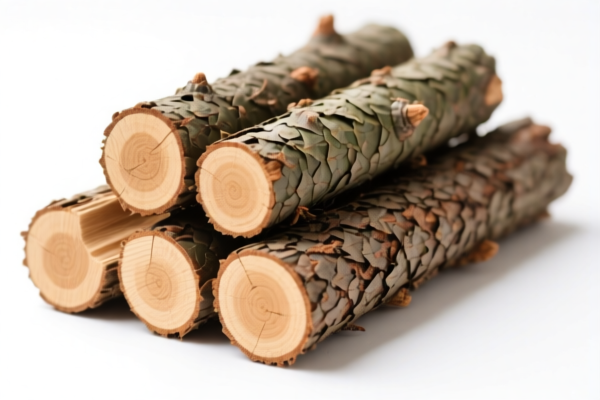
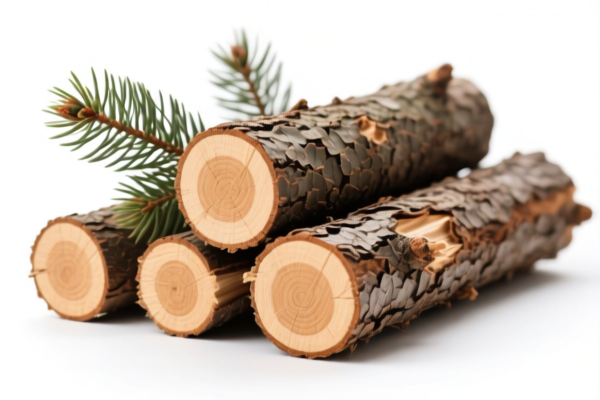
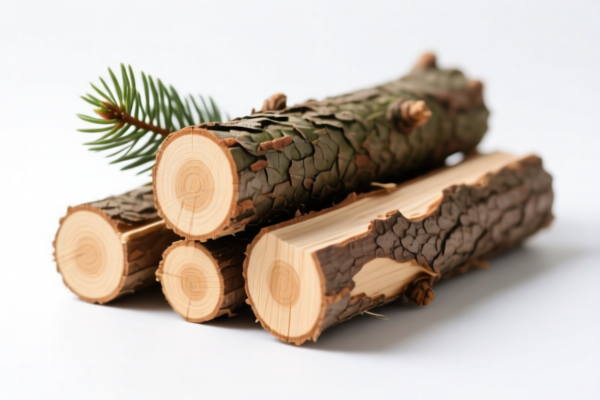
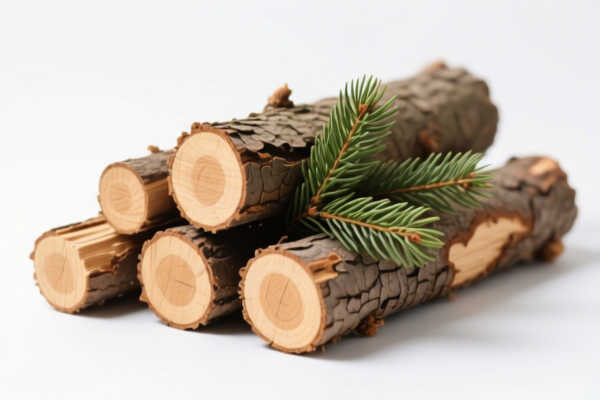
AI Analysis
🌲 Coniferous Sawnwood (Unprocessed)
🌐 HS Code Reference & Customs Clearance Guide | 2026 Latest Tariff Analysis | Professional Strategy for Raw Timber
📌 I. Product Definition & Classification: Understanding "Coniferous Sawnwood"
Coniferous sawnwood, particularly when unprocessed (raw logs, rough-sawn timber, or fuel wood), falls under specific high-risk tariff categories in international trade (specifically targeting imports from China to the US under current trade policies). The classification depends heavily on the state of processing:
Raw Logs (Roundwood): Unpeeled or unpeeled coniferous timber intended for further processing.
Rough-Sawn/Unprocessed Sawnwood: Timber that has been sawn longitudinally but retains a rough surface, without planing, smoothing, or joining.
Fuel Wood: Chopped or broken coniferous wood intended primarily for combustion.
⚠️ Key Distinction:
- If the wood is in its natural state (logs) or roughly sawn without planing/smoothing → It falls under Chapter 44 (Wood and articles of wood), specifically headings 4403 or 4407.
- If the wood is planed, sanded, or joined (e.g., flooring, moldings) → It may fall under different subheadings with potentially different treatment.
- Crucial Note: All the HS Codes listed in the DATA are subject to the same high tariff structure due to their classification as raw/unprocessed coniferous timber.
📦 II. HS Code Classification Details (2026 Latest Tariff Authority)
Based on the provided data, here are the specific HS Codes for unprocessed coniferous wood:
| HS Code | Product Description | Application Scenario | Processing State |
|---|---|---|---|
4403.22.01.65 |
Coniferous wood, treated or not with paint, stain, creosote or other preservatives (Logs) | Raw timber logs, unfinished construction timber | ❌ Unprocessed (Rough/Log) |
4403.26.01.65 |
Other coniferous wood, rough (not planed or finger-jointed) | Rough-sawn lumber, green timber | ❌ Unprocessed (Rough) |
4407.19.00.92 |
Coniferous wood sawn or chipped lengthwise, sliced or peeled, whether or not planed, sanded or finger-jointed (Unprocessed) | Rough-sawn planks, beams, unplaned timber | ❌ Unprocessed (Rough Sawing only) |
4407.19.00.93 |
Other coniferous wood, sawn or chipped lengthwise (Unprocessed) | Other rough-sawn coniferous timber varieties | ❌ Unprocessed (Rough Sawing only) |
4401.11.00.00 |
Wood in the form of wood chips or particles, and waste and scrap of wood (Fuel Wood) | Firewood, wood chips for biomass | ❌ Unprocessed (Fuel/Waste) |
🔍 Important Reminder:
- All these codes refer to coniferous wood (pine, spruce, fir, etc.).
- The term "Unprocessed" here includes logs and rough-sawn timber that has NOT been planed, sanded, or finished.
- Do not confuse with planed timber (e.g.,4407.10series), which may have different duties.
- All listed HS Codes share the SAME tariff structure: Base 0% + Section 301 25% + Section 122 10% = 35% Total.
💰 III. 2026 Latest Tariff Rate Breakdown (Including Additional Taxes & Policy Surcharges)
✅ Applicable Country: United States (US)
✅ Origin: China (CN)
✅ Effective Date: Ongoing under current trade regulations (Section 301 & 122)
🎯 1. 4403.22.01.65 — Coniferous Wood Logs (Unprocessed)
| Item | Content |
|---|---|
| Base Tariff Rate | 0% (ad valorem) |
| Section 301 Additional Tariff | +25% (Under US Trade Law Section 301) |
| Section 122 Tariff | +10% (Specific surcharge on certain Chinese goods) |
| Total Tariff Rate | 35% |
| Tax Calculation | CIF Value × 35% |
| De Minimis Eligibility | ❌ Not Eligible (Deny de minimis for timber products) |
| Legal Basis Path | Section 301: 4403.22.01.65 → Section 122 → USITC: 4403.22.01.65 |
📌 Explanation:
- The 0% base rate reflects standard Most Favored Nation (MFN) treatment for raw wood.
- The 25% Section 301 duty is a punitive tariff on Chinese manufactured and semi-manufactured goods, including raw timber exports from China.
- The 10% Section 122 duty is an additional surcharge applied to specific categories of Chinese goods.
- Total 35% is a significant cost factor. Importers must account for this in pricing models.
🎯 2. 4403.26.01.65 — Other Coniferous Wood, Rough (Unprocessed)
| Item | Content |
|---|---|
| Base Tariff Rate | 0% |
| Section 301 Additional Tariff | +25% |
| Section 122 Tariff | +10% |
| Total Tariff Rate | 35% |
| Tax Calculation | CIF × 35% |
| De Minimis Eligibility | ❌ Not Eligible |
| Legal Basis Path | Section 301: 4403.26.01.65 → Section 122 → USITC: 4403.26.01.65 |
📌 Note:
- Identical tariff structure to logs.
- Applies to rough-sawn timber that is not further processed.
🎯 3. 4407.19.00.92 & 4407.19.00.93 — Other Coniferous Wood, Sawn/Chipped (Unprocessed)
| Item | Content |
|---|---|
| Base Tariff Rate | 0% |
| Section 301 Additional Tariff | +25% |
| Section 122 Tariff | +10% |
| Total Tariff Rate | 35% |
| Tax Calculation | CIF × 35% |
| De Minimis Eligibility | ❌ Not Eligible |
| Legal Basis Path | Section 301: 4407.19.00.92/93 → Section 122 → USITC: 4407.19.00.92/93 |
📌 Note:
- Applies to timber that has been sawn lengthwise but remains rough/unplaned.
- Critical: If the wood is planed, sanded, or finger-jointed, it may fall under4407.10or other subheadings. Always verify processing state.
🎯 4. 4401.11.00.00 — Coniferous Fuel Wood (Unprocessed)
| Item | Content |
|---|---|
| Base Tariff Rate | 0% |
| Section 301 Additional Tariff | +25% |
| Section 122 Tariff | +10% |
| Total Tariff Rate | 35% |
| Tax Calculation | CIF × 35% |
| De Minimis Eligibility | ❌ Not Eligible |
| Legal Basis Path | Section 301: 4401.11.00.00 → Section 122 → USITC: 4401.11.00.00 |
📌 Note:
- Includes firewood, wood chips, and waste.
- Despite being "waste," it is still subject to the same high tariffs.
🛠️ IV. Customs Clearance Practical Advice (Pitfall Avoidance Guide)
✅ 1. Required Documentation Checklist (Mandatory)
| Document | Must Provide | Description |
|---|---|---|
| ✅ Commercial Invoice | ✔️ | Clearly state "Coniferous Wood, Unprocessed/Rough" |
| ✅ Packing List | ✔️ | Detail dimensions, weight, and quantity of logs/sawnwood |
| ✅ Phytosanitary Certificate | ✔️ | Critical for wood products. Must be issued by the exporting country's plant protection agency. |
| ✅ Certificate of Origin | ✔️ | To determine eligibility for any potential exemptions (though rare for Chinese coniferous wood). |
| ✅ Wood Treatment Certificate | ✔️ | If wood is treated (e.g., heat-treated, fumigated), provide proof to avoid detention. |
| ✅ Product Photos | ✔️ | Show rough surface, lack of planing, and species identification. |
| ✅ Bill of Lading | ✔️ | Must match invoice and packing list. |
✅ 2. Declaration Tips (Key Rules)
🔥 “Be Specific, Be Honest, Be Prepared!”
| Scenario | Correct Declaration | Incorrect Practice |
|---|---|---|
| Rough-Sawn Lumber | Declare as "Coniferous Wood, Rough, Unprocessed" → HS 4403.26.01.65 or 4407.19.00.92 |
Declaring as "Planed Lumber" → Higher risk of audit, potential misclassification |
| Raw Logs | Declare as "Coniferous Logs, Unpeeled" → HS 4403.22.01.65 |
Declaring as "Sawnwood" → Misclassification, penalties |
| Treated Wood | Declare as "Heat-Treated Coniferous Wood" + Provide HT Certificate | No treatment info → Detention by USDA APHIS |
| Mixed Species | Declare all coniferous species clearly | Mixing with hardwoods → Incorrect HS Code, higher duties |
✅ 3. Special Considerations
| Scenario | Handling Advice |
|---|---|
| ISPM 15 Compliance | All wood packaging materials must be marked with the ISPM 15 logo. Raw wood itself does not require fumigation unless specified by the importing country, but phytosanitary certificates are mandatory. |
| Species Identification | Provide detailed species names (e.g., Picea abies, Pinus sylvestris). Misidentification can lead to delays. |
| Moisture Content | Declare moisture content if relevant. Green wood may have different handling requirements. |
| Anti-Dumping/Countervailing Duties | Check for any additional anti-dumping duties on Chinese coniferous wood. Currently, the 35% is the primary burden. |
| USDA APHIS Inspection | Expect inspection at US ports. Ensure documentation is ready for immediate submission. |
🌍 V. Global Market Comparison (2026 Latest)
| Country/Region | Recommended HS Code | Tariff (China Origin) | Certification Requirement | Notes |
|---|---|---|---|---|
| 🇺🇸 USA | 4403.22.01.65 / 4407.19.00.92 |
35% (0% Base + 25% Sec 301 + 10% Sec 122) | Phytosanitary Certificate, ISPM 15 | High tariff burden. Strict biosecurity. |
| 🇨🇳 China | Same HS Codes | 0% (Export) | N/A | China is a major exporter. No export duties on raw wood. |
| 🇪🇺 EU | 4403 / 4407 |
0% (if compliant with FLEGT) | FLEGT License or Timber Regulation Compliance | No additional Section 301 tariffs. Strict due diligence. |
| 🇯🇵 Japan | 4403 / 4407 |
0-5% (depending on treatment) | Phytosanitary Certificate | Moderate tariffs. High quality standards. |
| 🇰🇷 South Korea | 4403 / 4407 |
0-8% | Phytosanitary Certificate | FTA benefits may apply if processed in partner country. |
📌 Conclusion:
- The USA imposes the highest tariffs on Chinese coniferous wood due to trade wars (Section 301 & 122).
- EU and Asia have lower tariffs but stricter biosecurity and legality verification (FLEGT, due diligence).
- Cost Strategy: If targeting the US, consider sourcing from non-China origins (e.g., Canada, Russia, Europe) to avoid 35% tariffs. If sourcing from China, factor the 35% into landed cost.
📌 VI. Common Mistakes & Pitfalls (Lessons Learned)
❌ Mistake 1: Declaring rough-sawn wood as "Finished Lumber"
👉 Consequence: Customs may reclassify, leading to higher duties (if planed wood has different rates) or penalties for misdeclaration.
❌ Mistake 2: Missing Phytosanitary Certificate
👉 Consequence: Cargo detained or destroyed at US port. No exception.
❌ Mistake 3: Ignoring Section 122 Tariff
👉 Consequence: Underpayment of duties. 10% additional tax is mandatory.
❌ Mistake 4: Assuming "Wood Chips" are exempt
👉 Consequence: 4401.11.00.00 is still subject to 35%. No de minimis exemption.
✅ Correct Approach:
"Coniferous Logs, Unpeeled, Species: Pinus sylvestris, Heat-Treated, Phytosanitary Certificate Attached, Origin: China"
🎯 VII. Conclusion: Professional Declaration, Risk Mitigation, Cost Optimization
🎯 Remember the Mantra:
🔹 "Raw wood, high tax, 35% total, no de minimis."
🔹 "Phytosanitary cert is mandatory, no cert, no entry."
🔹 "Be specific, be honest, avoid detention."
📌 Pro Tip:
- If your wood is not from China, you may avoid Section 301 and 122 tariffs, reducing the rate to 0% (if FTA applies) or low MFN rates.
- Always apply for a Pre-Ruling from US CBP if uncertain about classification.
- Work with a licensed customs broker experienced in timber products.
📣 Take Action Now:
📞 Contact a specialized customs broker + Provide Product Details + Verify Phytosanitary Requirements
🚀 Ensure smooth clearance, avoid delays, and manage costs effectively!
✨ Professional Clearance Starts with Accurate Classification!
💼 Your Landed Cost is Only as Good as Your Tariff Strategy!
Customer Reviews
About HS Code Classification
The Harmonized System (HS) is an internationally standardized nomenclature developed by the World Customs Organization (WCO) to classify traded products. Over 200 countries use the HS system as the basis for customs tariffs, trade statistics, and import/export regulations.
Each HS code follows a hierarchical structure:
- Chapter (2 digits) — Broad category of goods (e.g., Chapter 84: Machinery and Mechanical Appliances)
- Heading (4 digits) — More specific grouping within the chapter
- Subheading (6 digits) — Internationally standardized breakdown, used by all WCO member countries
- National subdivisions (8-10 digits) — Country-specific extensions for further classification, such as US HTSUS 10-digit codes
Correct HS code classification is essential for smooth customs clearance, accurate duty payment, and compliance with trade regulations. Misclassification can lead to customs delays, overpayment of duties, or penalties.
When importing from CN to US, the applicable tariff rates may include:
- Most-Favored-Nation (MFN) rate — The standard duty rate applied to WTO members
- General rate — Applied to countries without trade agreements
- Trade remedy duties — Additional tariffs such as Section 301 (anti-dumping), Section 232 (national security), or countervailing duties
The information provided on this page is for reference purposes only. For official classification, please consult with your local customs authority or a licensed customs broker.