High quality raw muskrat fur
CN → US| HS编码 | 关税税率 | 原产国 | 目的国 | 文档 |
|---|---|---|---|---|
| 4103901190 | 17.5% | CN | US | 官方文档 |
| 4103902000 | 20.8% | CN | US | 官方文档 |
| 4302206000 | 38.5% | CN | US | 官方文档 |
| 4302193070 | 36.5% | CN | US | 官方文档 |
| 4103902000 | 20.8% | CN | US | 官方文档 |
商品图片
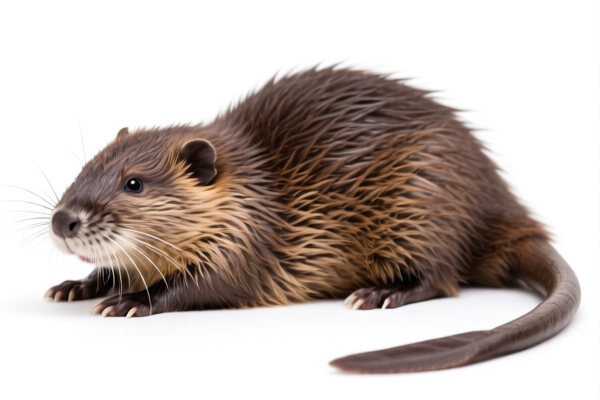
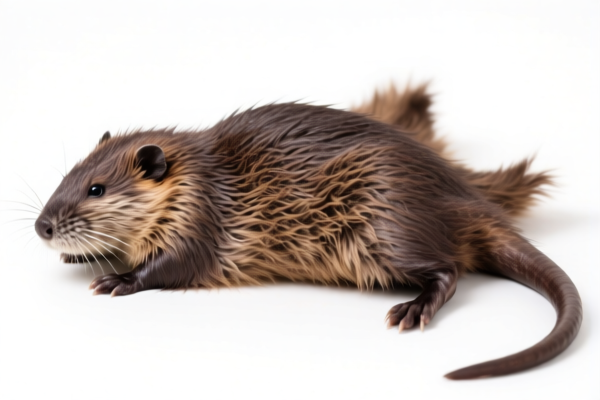
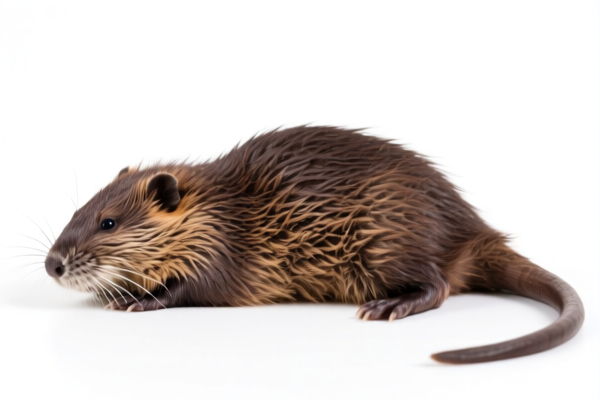
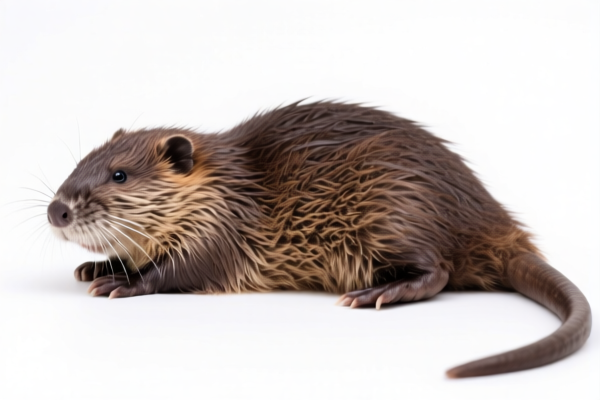
AI分析
🦫 High-Quality Raw Muskrat Fur: HS Code Classification & Customs Clearance Guide (2026 Update)
🌐 HS Code Reference & Customs Clearance Strategy | 2026 Tariff Authority Analysis | Professional Entry Guide
📌 I. Product Definition & Classification: Do You Really Know "Raw Muskrat Fur"?
"High-quality raw muskrat fur" is a specialized commodity in the international trade of animal skins and furs. In customs classification, it is strictly divided based on processing status (pre-tanned vs. untreated/raw) and origin type (wild vs. farmed). The key distinction lies in whether the skin has undergone any tanning or preservation process beyond basic cleaning.
Untreated Raw Skins (生皮/未经鞣制): Skins that have been removed from the animal, salted, or dried but not chemically tanned. These fall under Chapter 41.
Pre-Tanned or Preserved Skins (预鞣/初步处理): Skins that have undergone preliminary tanning (e.g., alum-tawing) to prevent rotting but are not yet finished leather. These also fall under Chapter 41 but with different subheadings.
Wild vs. Farmed (野生 vs. 养殖): Wild muskrat skins are subject to stricter regulations (CITES considerations) and higher tariffs compared to farmed counterparts.
⚠️ Critical Distinction Point:
- If the fur is simply dried, salted, or frozen without chemical tanning → Classified as Chapter 41 (Raw Skins).
- If the fur has been tanned, dyed, or further processed for final use → Classified as Chapter 43 (Prepared Furs).
- Wild origin often triggers Section 301 tariffs (25%) and 122 Clause tariffs (10%) from the US, whereas basic raw skins may have lower base rates.
📦 II. HS Code Classification Details (2026 Latest Tariff Authority对照)
| HS Code | Product Description | Application Scenario | Processing Status | Origin Note |
|---|---|---|---|---|
4103.90.11.90 |
Raw Muskrat Skin, pre-tanned, "Other" | Pre-tanned raw hides, not yet finished leather | ✅ Pre-tanned (Alum/Tawed) | Often Farmed |
4103.90.20.00 |
Wild Muskrat Skin, untreated, raw | Raw wild skins, salted/dried, no tanning | ✅ Untreated (Raw) | ❗ Wild Origin |
4302.20.60.00 |
Wild Muskrat Skin, prepared fur | Tanned/dyed wild fur, ready for manufacturing | ✅ Prepared (Tanned) | ❗ Wild Origin |
4302.19.30.70 |
Wild Muskrat Skin, prepared, "Other" | Other prepared wild furs not elsewhere specified | ✅ Prepared (Tanned) | ❗ Wild Origin |
4103.90.20.00 |
Wild Muskrat Skin, raw material characteristic | Raw wild skins, specifically identified as raw | ✅ Untreated (Raw) | ❗ Wild Origin |
🔍 Key Reminder:
- "Raw" (未经鞣制/生皮) implies Chapter 41. Do not classify raw skins under Chapter 43 (Prepared Furs), or you risk misdeclaration.
- "Wild" (野生) skins typically incur higher tariffs due to Section 301 tariffs (25%) compared to farmed skins, which may only face Section 301 (7.5%) or lower.
- Pre-tanned (预鞣) skins under4103.90.11.90have a 0% base tariff but are still subject to add-on tariffs.
💰 III. 2026 Latest Tariff Rate Breakdown (Including Add-ons, Policy Add-ons)
✅ Applicable Country: United States (US)
✅ Origin: China (CN) or Wild-Origin (Subject to 122 Clause)
✅ Effective Date: Post-2025 Tariff Adjustments (Includes Section 301 & 122 Clause)
🎯 1. 4103.90.11.90 —— Pre-Tanned Raw Muskrat Skin ("Other")
| Item | Content |
|---|---|
| Base Tariff | 0% (ad valorem) |
| Section 301 Add-on | +7.5% |
| 122 Clause Add-on | +10% (Specific to certain animal products) |
| Total Tariff Rate | 17.5% |
| Calculation | CIF Value × 17.5% |
| De Minimis Exemption | ❌ Not Eligible (deny_de_minimis) |
| Legal Basis Path | Section 301: 9903.88.01 → IEEPA: 9903.01.24 → USITC: 4103.90.11.90 → FOOTNOTE: 122 Clause |
📌 Explanation:
- Although the base tariff is 0%, the Section 301 tariff (7.5%) and 122 Clause (10%) apply, making the total 17.5%.
- 122 Clause applies to certain animal products, including specific prepared raw skins.
- Must be declared accurately as "Pre-tanned" to avoid misclassification under higher-tariff categories.
🎯 2. 4103.90.20.00 —— Wild Muskrat Skin, Untreated/Raw
| Item | Content |
|---|---|
| Base Tariff | 3.3% |
| Section 301 Add-on | +7.5% |
| 122 Clause Add-on | +10% |
| Total Tariff Rate | 20.8% |
| Calculation | CIF Value × 20.8% |
| De Minimis Exemption | ❌ Not Eligible |
| Legal Basis Path | Section 301: 9903.88.01 → IEEPA: 9903.01.24 → USITC: 4103.90.20.00 → FOOTNOTE: 122 Clause |
📌 Note:
- This code is for Wild, Raw skins.
- Higher base tariff (3.3%) compared to pre-tanned skins (0%).
- Same add-ons (7.5% + 10%) apply.
- Total 20.8% is significantly higher than pre-tanned skins. Do not misclassify wild raw skins as pre-tanned.
🎯 3. 4302.20.60.00 —— Wild Muskrat Skin, Prepared (Tanned/Dyed)
| Item | Content |
|---|---|
| Base Tariff | 3.5% |
| Section 301 Add-on | +25% |
| 122 Clause Add-on | +10% |
| Total Tariff Rate | 38.5% |
| Calculation | CIF Value × 38.5% |
| De Minimis Exemption | ❌ Not Eligible |
| Legal Basis Path | Section 301: 9903.88.01 → IEEPA: 9903.01.24 → USITC: 4302.20.60.00 → FOOTNOTE: 122 Clause |
📌 Warning:
- High Tariff Alert!
- Section 301 tariff jumps to 25% for prepared furs (Chapter 43).
- Total 38.5% is very high.
- Only apply if the fur is fully tanned/dyed. Do not use this for raw skins.
🎯 4. 4302.19.30.70 —— Wild Muskrat Skin, Prepared ("Other")
| Item | Content |
|---|---|
| Base Tariff | 1.5% |
| Section 301 Add-on | +25% |
| 122 Clause Add-on | +10% |
| Total Tariff Rate | 36.5% |
| Calculation | CIF Value × 36.5% |
| De Minimis Exemption | ❌ Not Eligible |
| Legal Basis Path | Section 301: 9903.88.01 → IEEPA: 9903.01.24 → USITC: 4302.19.30.70 → FOOTNOTE: 122 Clause |
📌 Note:
- Similar to above, but for "Other" prepared wild furs.
- Total 36.5% is also high.
- Ensure proper documentation that the fur is "Prepared" to avoid penalties.
🛠️ IV. Customs Clearance Practical Advice (Real-World Pitfall Avoidance)
✅ 1. Required Documentation Checklist (Non-Negotiable)
| Document | Mandatory? | Description |
|---|---|---|
| ✅ Product Specification Sheet | ✔️ | Must detail: Species (Muskrat), Origin (Wild/Farmed), Processing Status (Raw/Pre-tanned/Tanned), Weight, Count. |
| ✅ Processing Certificate | ✔️ | Issued by the supplier, confirming whether the skins are Raw, Pre-tanned, or Fully Tanned. |
| ✅ Wildlife Permit (CITES) | ❗ If Wild | If the muskrat is Wild-caught, a CITES permit may be required. Check local wildlife laws. |
| ✅ Commercial Invoice | ✔️ | Must explicitly state: "Raw Muskrat Skins, Not Tanned" or "Pre-tanned Muskrat Skins". |
| ✅ Packing List | ✔️ | Detailing packaging method (e.g., salted, dried, frozen). |
| ✅ Photos of Goods | ✔️ | Clear photos showing skin condition, labeling, and packaging. |
✅ 2. Declaration Tips (Key Mnemonic)
🔥 “Raw is Ch41, Tanned is Ch43; Wild pays more, Pre-tanned is cheaper!”
| Scenario | Correct HS Code | Incorrect Practice | Consequence |
|---|---|---|---|
| Raw, Wild, Untreated | 4103.90.20.00 (20.8%) |
Declare as "Fur Leather" (Ch43) | ❌ Tax Evasion, Heavy Penalty |
| Raw, Wild, Pre-tanned | 4103.90.11.90 (17.5%) |
Declare as Raw (Ch41, 20.8%) | ✅ Slightly higher tax, but correct |
| Tanned, Wild, Finished | 4302.20.60.00 (38.5%) |
Declare as Raw (Ch41) | ❌ Misdeclaration, Seizure Risk |
| Farmed, Raw | 4103.90.20.00 (20.8%) |
Declare as Wild | ❌ Higher tax than necessary |
✅ 3. Special Case Handling
| Scenario | Handling Advice |
|---|---|
| OEM Custom Skins | Provide customer order + design specs. Ensure "Pre-tanned" status is certified. |
| Mixed Shipment (Raw & Tanned) | Split Declaration! Do not mix Ch41 and Ch43 in one line. |
| Wild vs. Farmed | Clearly label "Wild" or "Farmed". Wild triggers higher tariffs. |
| CITES Compliance | If Wild, obtain CITES permit. Failure to do so leads to seizure and fines. |
🌍 V. Global Market Comparison (2026 Latest)
| Country/Region | Recommended HS Code | Tariff (US Origin) | Certification | Notes |
|---|---|---|---|---|
| 🇺🇸 USA | 4103.90.11.90 |
17.5% | CITES (if Wild) | High add-ons for Ch41/43 |
| 🇨🇳 China | 4103.90.11.90 |
5% | No CITES needed | Low base tariff |
| 🇪🇺 EU | 4103.90.11.90 |
0-5% | CITES (if Wild) | Strict wildlife regulations |
| 🇦🇺 Australia | 4103.90.11.90 |
5% | CITES (if Wild) | No major add-ons |
| 🇯🇵 Japan | 4103.90.11.90 |
0-5% | CITES (if Wild) | No major add-ons |
📌 Conclusion:
- USA has the highest tariffs due to Section 301 and 122 Clause.
- China, EU, and Australia have lower tariffs but strict CITES enforcement for wild species.
- Always verify CITES requirements for wild muskrat skins.
📌 VI. Common Errors & Pitfall Avoidance (Lessons Learned)
❌ Error 1: Declaring Raw Skins as Tanned Furs (Ch43)
👉 Consequence: Under-declaration of tariffs, risk of customs audit and penalties.
❌ Error 2: Ignoring Wild vs. Farmed distinction
👉 Consequence: Higher tariffs (25% vs 7.5% Section 301) if misclassified as Wild.
❌ Error 3: Missing CITES Permit for Wild Skins
👉 Consequence: Seizure, fines, and legal action.
❌ Error 4: Mixing Raw and Tanned skins in one declaration
👉 Consequence: Customs rejection, delays, and additional fees.
✅ Correct Practice:
"Muskrat Skins, Raw, Salted, Farmed, Pre-tanned, 100 pcs, HS Code: 4103.90.11.90, CITES Permit: N/A"
🎯 VII. Conclusion: Professional Declaration for Smooth Clearance
🎯 Remember the Mnemonic:
🔹 "Raw is Ch41, Tanned is Ch43; Wild pays more, Pre-tanned is cheaper!"
🔹 "HS Code determines tax, 17.5% vs 38.5%, one step wrong, thousands lost!"
📌 Pro Tip:
- If your muskrat skins are Farmed, ensure documentation states "Farmed" to avoid Wild tariffs.
- If Wild, obtain CITES Permit in advance.
- Consider Advance Ruling from US Customs to confirm HS Code and tariff rate.
📣 Immediate Action:
📞 Contact a professional customs broker + Provide Processing Certificate + Apply for CITES Permit (if Wild)
🚀 Ensure Smooth Clearance, Reduce Costs, Maximize Profits!
✨ Professional Customs Clearance Starts with Accurate Classification!
💼 Every Penny Matters in Global Trade!
用户评价
关于 HS 编码归类
协调制度(HS)是由世界海关组织(WCO)制定的国际贸易商品分类标准。全球 200 多个国家采用 HS 系统作为海关关税、贸易统计和进出口监管的基础。
每个 HS 编码遵循以下层级结构:
- 章(2 位)——商品大类(例如:第 84 章:机器和机械设备)
- 品目(4 位)——章内的更具体分类
- 子目(6 位)——国际通用细分,所有 WCO 成员国统一使用
- 本国细分(8-10 位)——各国自行扩展的细分编码,如美国 HTSUS 10 位编码
正确的 HS 编码归类对于顺利通关、准确缴纳关税和遵守贸易法规至关重要。错误归类可能导致海关延误、多缴关税或罚款。
从CN进口到US时,适用的关税税率可能包括:
- 最惠国(MFN)税率——适用于 WTO 成员国的标准关税税率
- 普通税率——适用于无贸易协定国家
- 贸易救济关税——附加关税,如 301 条款(反倾销)、232 条款(国家安全)或反补贴税
本页内容仅供参考。如需正式归类,请咨询当地海关或持牌报关代理。