High quality raw muskrat fur
CN → US| HS Code | Tariff Rate | Origin | Destination | Doc |
|---|---|---|---|---|
| 4103901190 | 17.5% | CN | US | Official Doc |
| 4103902000 | 20.8% | CN | US | Official Doc |
| 4302206000 | 38.5% | CN | US | Official Doc |
| 4302193070 | 36.5% | CN | US | Official Doc |
| 4103902000 | 20.8% | CN | US | Official Doc |
Product Images
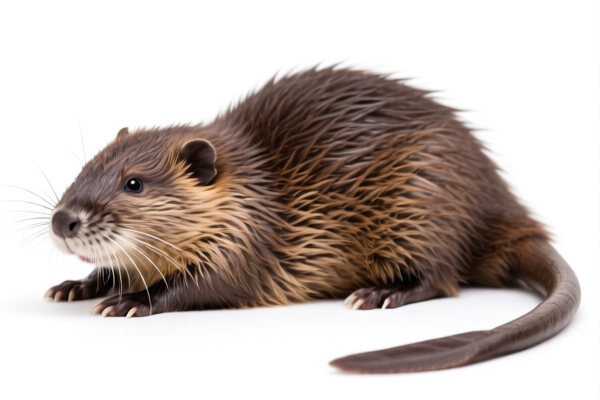
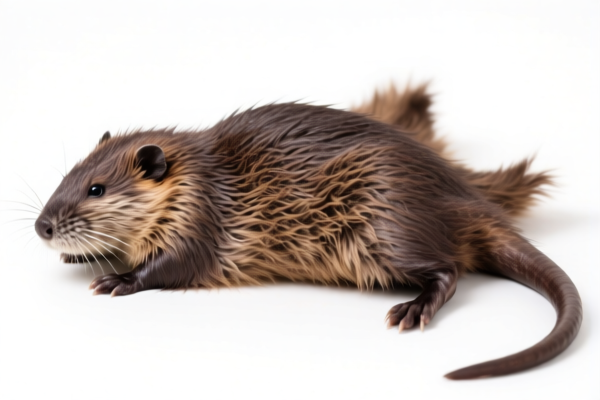
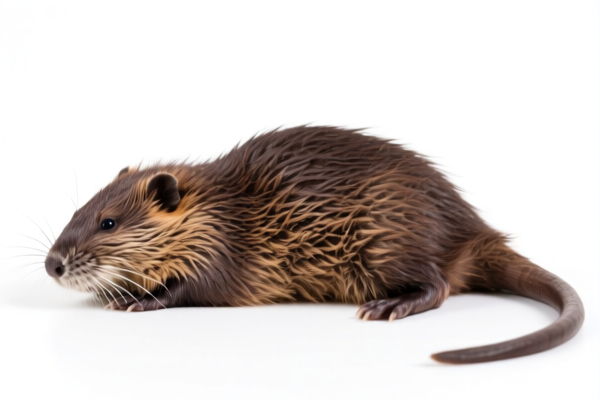
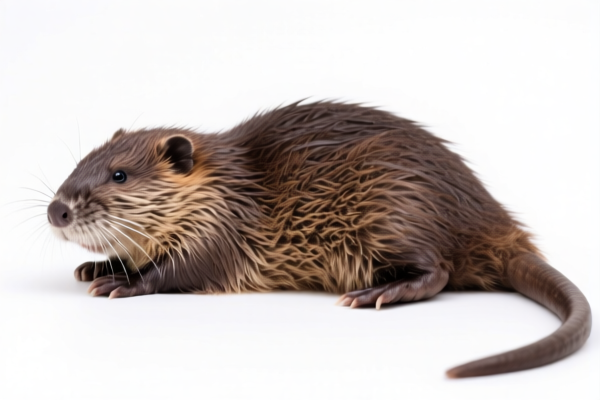
AI Analysis
🦫 High-Quality Raw Muskrat Fur: HS Code Classification & Customs Clearance Guide (2026 Update)
🌐 HS Code Reference & Customs Clearance Strategy | 2026 Tariff Authority Analysis | Professional Entry Guide
📌 I. Product Definition & Classification: Do You Really Know "Raw Muskrat Fur"?
"High-quality raw muskrat fur" is a specialized commodity in the international trade of animal skins and furs. In customs classification, it is strictly divided based on processing status (pre-tanned vs. untreated/raw) and origin type (wild vs. farmed). The key distinction lies in whether the skin has undergone any tanning or preservation process beyond basic cleaning.
Untreated Raw Skins (生皮/未经鞣制): Skins that have been removed from the animal, salted, or dried but not chemically tanned. These fall under Chapter 41.
Pre-Tanned or Preserved Skins (预鞣/初步处理): Skins that have undergone preliminary tanning (e.g., alum-tawing) to prevent rotting but are not yet finished leather. These also fall under Chapter 41 but with different subheadings.
Wild vs. Farmed (野生 vs. 养殖): Wild muskrat skins are subject to stricter regulations (CITES considerations) and higher tariffs compared to farmed counterparts.
⚠️ Critical Distinction Point:
- If the fur is simply dried, salted, or frozen without chemical tanning → Classified as Chapter 41 (Raw Skins).
- If the fur has been tanned, dyed, or further processed for final use → Classified as Chapter 43 (Prepared Furs).
- Wild origin often triggers Section 301 tariffs (25%) and 122 Clause tariffs (10%) from the US, whereas basic raw skins may have lower base rates.
📦 II. HS Code Classification Details (2026 Latest Tariff Authority对照)
| HS Code | Product Description | Application Scenario | Processing Status | Origin Note |
|---|---|---|---|---|
4103.90.11.90 |
Raw Muskrat Skin, pre-tanned, "Other" | Pre-tanned raw hides, not yet finished leather | ✅ Pre-tanned (Alum/Tawed) | Often Farmed |
4103.90.20.00 |
Wild Muskrat Skin, untreated, raw | Raw wild skins, salted/dried, no tanning | ✅ Untreated (Raw) | ❗ Wild Origin |
4302.20.60.00 |
Wild Muskrat Skin, prepared fur | Tanned/dyed wild fur, ready for manufacturing | ✅ Prepared (Tanned) | ❗ Wild Origin |
4302.19.30.70 |
Wild Muskrat Skin, prepared, "Other" | Other prepared wild furs not elsewhere specified | ✅ Prepared (Tanned) | ❗ Wild Origin |
4103.90.20.00 |
Wild Muskrat Skin, raw material characteristic | Raw wild skins, specifically identified as raw | ✅ Untreated (Raw) | ❗ Wild Origin |
🔍 Key Reminder:
- "Raw" (未经鞣制/生皮) implies Chapter 41. Do not classify raw skins under Chapter 43 (Prepared Furs), or you risk misdeclaration.
- "Wild" (野生) skins typically incur higher tariffs due to Section 301 tariffs (25%) compared to farmed skins, which may only face Section 301 (7.5%) or lower.
- Pre-tanned (预鞣) skins under4103.90.11.90have a 0% base tariff but are still subject to add-on tariffs.
💰 III. 2026 Latest Tariff Rate Breakdown (Including Add-ons, Policy Add-ons)
✅ Applicable Country: United States (US)
✅ Origin: China (CN) or Wild-Origin (Subject to 122 Clause)
✅ Effective Date: Post-2025 Tariff Adjustments (Includes Section 301 & 122 Clause)
🎯 1. 4103.90.11.90 —— Pre-Tanned Raw Muskrat Skin ("Other")
| Item | Content |
|---|---|
| Base Tariff | 0% (ad valorem) |
| Section 301 Add-on | +7.5% |
| 122 Clause Add-on | +10% (Specific to certain animal products) |
| Total Tariff Rate | 17.5% |
| Calculation | CIF Value × 17.5% |
| De Minimis Exemption | ❌ Not Eligible (deny_de_minimis) |
| Legal Basis Path | Section 301: 9903.88.01 → IEEPA: 9903.01.24 → USITC: 4103.90.11.90 → FOOTNOTE: 122 Clause |
📌 Explanation:
- Although the base tariff is 0%, the Section 301 tariff (7.5%) and 122 Clause (10%) apply, making the total 17.5%.
- 122 Clause applies to certain animal products, including specific prepared raw skins.
- Must be declared accurately as "Pre-tanned" to avoid misclassification under higher-tariff categories.
🎯 2. 4103.90.20.00 —— Wild Muskrat Skin, Untreated/Raw
| Item | Content |
|---|---|
| Base Tariff | 3.3% |
| Section 301 Add-on | +7.5% |
| 122 Clause Add-on | +10% |
| Total Tariff Rate | 20.8% |
| Calculation | CIF Value × 20.8% |
| De Minimis Exemption | ❌ Not Eligible |
| Legal Basis Path | Section 301: 9903.88.01 → IEEPA: 9903.01.24 → USITC: 4103.90.20.00 → FOOTNOTE: 122 Clause |
📌 Note:
- This code is for Wild, Raw skins.
- Higher base tariff (3.3%) compared to pre-tanned skins (0%).
- Same add-ons (7.5% + 10%) apply.
- Total 20.8% is significantly higher than pre-tanned skins. Do not misclassify wild raw skins as pre-tanned.
🎯 3. 4302.20.60.00 —— Wild Muskrat Skin, Prepared (Tanned/Dyed)
| Item | Content |
|---|---|
| Base Tariff | 3.5% |
| Section 301 Add-on | +25% |
| 122 Clause Add-on | +10% |
| Total Tariff Rate | 38.5% |
| Calculation | CIF Value × 38.5% |
| De Minimis Exemption | ❌ Not Eligible |
| Legal Basis Path | Section 301: 9903.88.01 → IEEPA: 9903.01.24 → USITC: 4302.20.60.00 → FOOTNOTE: 122 Clause |
📌 Warning:
- High Tariff Alert!
- Section 301 tariff jumps to 25% for prepared furs (Chapter 43).
- Total 38.5% is very high.
- Only apply if the fur is fully tanned/dyed. Do not use this for raw skins.
🎯 4. 4302.19.30.70 —— Wild Muskrat Skin, Prepared ("Other")
| Item | Content |
|---|---|
| Base Tariff | 1.5% |
| Section 301 Add-on | +25% |
| 122 Clause Add-on | +10% |
| Total Tariff Rate | 36.5% |
| Calculation | CIF Value × 36.5% |
| De Minimis Exemption | ❌ Not Eligible |
| Legal Basis Path | Section 301: 9903.88.01 → IEEPA: 9903.01.24 → USITC: 4302.19.30.70 → FOOTNOTE: 122 Clause |
📌 Note:
- Similar to above, but for "Other" prepared wild furs.
- Total 36.5% is also high.
- Ensure proper documentation that the fur is "Prepared" to avoid penalties.
🛠️ IV. Customs Clearance Practical Advice (Real-World Pitfall Avoidance)
✅ 1. Required Documentation Checklist (Non-Negotiable)
| Document | Mandatory? | Description |
|---|---|---|
| ✅ Product Specification Sheet | ✔️ | Must detail: Species (Muskrat), Origin (Wild/Farmed), Processing Status (Raw/Pre-tanned/Tanned), Weight, Count. |
| ✅ Processing Certificate | ✔️ | Issued by the supplier, confirming whether the skins are Raw, Pre-tanned, or Fully Tanned. |
| ✅ Wildlife Permit (CITES) | ❗ If Wild | If the muskrat is Wild-caught, a CITES permit may be required. Check local wildlife laws. |
| ✅ Commercial Invoice | ✔️ | Must explicitly state: "Raw Muskrat Skins, Not Tanned" or "Pre-tanned Muskrat Skins". |
| ✅ Packing List | ✔️ | Detailing packaging method (e.g., salted, dried, frozen). |
| ✅ Photos of Goods | ✔️ | Clear photos showing skin condition, labeling, and packaging. |
✅ 2. Declaration Tips (Key Mnemonic)
🔥 “Raw is Ch41, Tanned is Ch43; Wild pays more, Pre-tanned is cheaper!”
| Scenario | Correct HS Code | Incorrect Practice | Consequence |
|---|---|---|---|
| Raw, Wild, Untreated | 4103.90.20.00 (20.8%) |
Declare as "Fur Leather" (Ch43) | ❌ Tax Evasion, Heavy Penalty |
| Raw, Wild, Pre-tanned | 4103.90.11.90 (17.5%) |
Declare as Raw (Ch41, 20.8%) | ✅ Slightly higher tax, but correct |
| Tanned, Wild, Finished | 4302.20.60.00 (38.5%) |
Declare as Raw (Ch41) | ❌ Misdeclaration, Seizure Risk |
| Farmed, Raw | 4103.90.20.00 (20.8%) |
Declare as Wild | ❌ Higher tax than necessary |
✅ 3. Special Case Handling
| Scenario | Handling Advice |
|---|---|
| OEM Custom Skins | Provide customer order + design specs. Ensure "Pre-tanned" status is certified. |
| Mixed Shipment (Raw & Tanned) | Split Declaration! Do not mix Ch41 and Ch43 in one line. |
| Wild vs. Farmed | Clearly label "Wild" or "Farmed". Wild triggers higher tariffs. |
| CITES Compliance | If Wild, obtain CITES permit. Failure to do so leads to seizure and fines. |
🌍 V. Global Market Comparison (2026 Latest)
| Country/Region | Recommended HS Code | Tariff (US Origin) | Certification | Notes |
|---|---|---|---|---|
| 🇺🇸 USA | 4103.90.11.90 |
17.5% | CITES (if Wild) | High add-ons for Ch41/43 |
| 🇨🇳 China | 4103.90.11.90 |
5% | No CITES needed | Low base tariff |
| 🇪🇺 EU | 4103.90.11.90 |
0-5% | CITES (if Wild) | Strict wildlife regulations |
| 🇦🇺 Australia | 4103.90.11.90 |
5% | CITES (if Wild) | No major add-ons |
| 🇯🇵 Japan | 4103.90.11.90 |
0-5% | CITES (if Wild) | No major add-ons |
📌 Conclusion:
- USA has the highest tariffs due to Section 301 and 122 Clause.
- China, EU, and Australia have lower tariffs but strict CITES enforcement for wild species.
- Always verify CITES requirements for wild muskrat skins.
📌 VI. Common Errors & Pitfall Avoidance (Lessons Learned)
❌ Error 1: Declaring Raw Skins as Tanned Furs (Ch43)
👉 Consequence: Under-declaration of tariffs, risk of customs audit and penalties.
❌ Error 2: Ignoring Wild vs. Farmed distinction
👉 Consequence: Higher tariffs (25% vs 7.5% Section 301) if misclassified as Wild.
❌ Error 3: Missing CITES Permit for Wild Skins
👉 Consequence: Seizure, fines, and legal action.
❌ Error 4: Mixing Raw and Tanned skins in one declaration
👉 Consequence: Customs rejection, delays, and additional fees.
✅ Correct Practice:
"Muskrat Skins, Raw, Salted, Farmed, Pre-tanned, 100 pcs, HS Code: 4103.90.11.90, CITES Permit: N/A"
🎯 VII. Conclusion: Professional Declaration for Smooth Clearance
🎯 Remember the Mnemonic:
🔹 "Raw is Ch41, Tanned is Ch43; Wild pays more, Pre-tanned is cheaper!"
🔹 "HS Code determines tax, 17.5% vs 38.5%, one step wrong, thousands lost!"
📌 Pro Tip:
- If your muskrat skins are Farmed, ensure documentation states "Farmed" to avoid Wild tariffs.
- If Wild, obtain CITES Permit in advance.
- Consider Advance Ruling from US Customs to confirm HS Code and tariff rate.
📣 Immediate Action:
📞 Contact a professional customs broker + Provide Processing Certificate + Apply for CITES Permit (if Wild)
🚀 Ensure Smooth Clearance, Reduce Costs, Maximize Profits!
✨ Professional Customs Clearance Starts with Accurate Classification!
💼 Every Penny Matters in Global Trade!
Customer Reviews
About HS Code Classification
The Harmonized System (HS) is an internationally standardized nomenclature developed by the World Customs Organization (WCO) to classify traded products. Over 200 countries use the HS system as the basis for customs tariffs, trade statistics, and import/export regulations.
Each HS code follows a hierarchical structure:
- Chapter (2 digits) — Broad category of goods (e.g., Chapter 84: Machinery and Mechanical Appliances)
- Heading (4 digits) — More specific grouping within the chapter
- Subheading (6 digits) — Internationally standardized breakdown, used by all WCO member countries
- National subdivisions (8-10 digits) — Country-specific extensions for further classification, such as US HTSUS 10-digit codes
Correct HS code classification is essential for smooth customs clearance, accurate duty payment, and compliance with trade regulations. Misclassification can lead to customs delays, overpayment of duties, or penalties.
When importing from CN to US, the applicable tariff rates may include:
- Most-Favored-Nation (MFN) rate — The standard duty rate applied to WTO members
- General rate — Applied to countries without trade agreements
- Trade remedy duties — Additional tariffs such as Section 301 (anti-dumping), Section 232 (national security), or countervailing duties
The information provided on this page is for reference purposes only. For official classification, please consult with your local customs authority or a licensed customs broker.