Satin Weave Fabric for Garments (Unbleached/Bleached)
CN → US| HS编码 | 关税税率 | 原产国 | 目的国 | 文档 |
|---|---|---|---|---|
| 5111909000 | 60.0% | CN | US | 官方文档 |
| 5111117060 | 60.0% | CN | US | 官方文档 |
| 5407912050 | 49.9% | CN | US | 官方文档 |
| 5208192020 | 42.9% | CN | US | 官方文档 |
| 5407810040 | 49.9% | CN | US | 官方文档 |
商品图片


AI分析
🧵 Satin Weave Fabric for Garments (Unbleached/Bleached)
🌐 HS Code Reference & Customs Clearance Guide | 2026 Latest Tariff Breakdown | Professional Clearance Strategy
📌 I. Product Definition & Classification: What Exactly is "Satin Weave"?
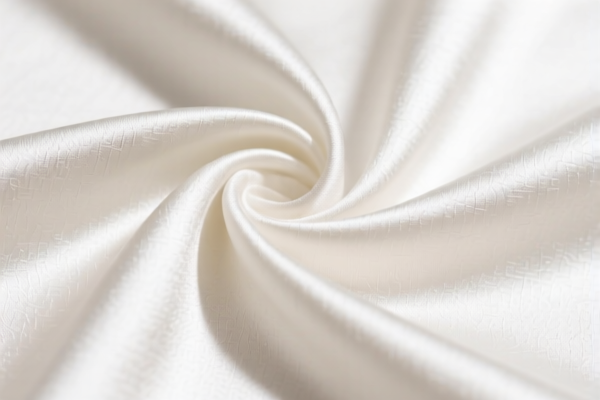
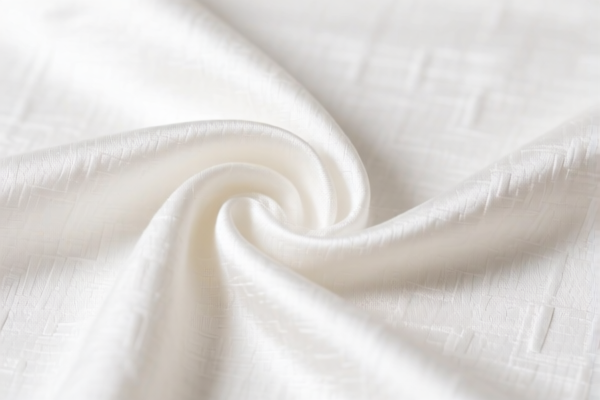
Satin weave fabric is characterized by its smooth, lustrous surface and dull back, created by a specific weaving structure where warp yarns float over multiple weft yarns. In international trade, classification depends heavily on the fiber content and processing state (bleached vs. unbleached).
Key Distinction:
- Unbleached: Retains natural fiber color/impurities; subject to different tariff baselines.
- Bleached: Processed to whiten; often falls under specific textile chapters based on fiber.
- Fiber Composition: The single most critical factor determining HS Code (Silk, Wool, Cotton, Synthetic).
⚠️ Critical Classification Rule:
- Silk/Wool: Generally attract higher duties due to protective tariffs on luxury/natural fibers.
- Cotton: Lower base duties, but sensitive to anti-dumping or specific trade remedies.
- Synthetic (Polyester/Nylon): Moderate base duties, heavily impacted by Section 301/122 tariffs.
📦 II. HS Code Classification Details (Based on Provided Data)
| HS Code | Product Description | Summary & Logic | Total Tax Rate | Tax Breakdown |
|---|---|---|---|---|
5111.90.90.00 |
Satin Weave Fabric, Unbleached, Other | Bottom-up Principle: Matches material/shape but not specific subheadings; applies as a residual category. | 60.0% | Base: 25.0% Section 301: 25.0% Section 122: 10% |
5111.11.70.60 |
Satin Weave Fabric, Unbleached | Inference: Based on common sense, classified as Wool or Fine Animal Hair fabric. | 60.0% | Base: 25.0% Section 301: 25.0% Section 122: 10% |
5407.91.20.50 |
Satin Weave Fabric, Unbleached | Perfect Match: Fully complies with fabric structure and processing state limits (Synthetic woven). | 49.9% | Base: 14.9% Section 301: 25.0% Section 122: 10% |
5208.19.20.20 |
Satin Fabric, Unbleached | State & Form Match: Form and condition strictly meet requirements (Cotton woven). | 42.9% | Base: 7.9% Section 301: 25.0% Section 122: 10% |
5407.81.00.40 |
Satin Weave Fabric, Unbleached | Inference: Based on common sense, inferred as Synthetic/Cotton Blended fabric. | 49.9% | Base: 14.9% Section 301: 25.0% Section 122: 10% |
🔍 Key Insight:
- Cotton (5208.19.20.20) offers the lowest total tax rate (42.9%) due to its low base duty (7.9%).
- Wool/Animal Hair (5111.11.70.60) and Residual Silk/Wool categories (5111.90.90.00) face the highest rate (60.0%) due to high base duties (25.0%).
- Synthetics (5407series) fall in the middle (49.9%), driven by a moderate base duty (14.9%).
💰 III. 2026 Tariff Rate Breakdown (Including Supplementary Duties & Policies)
✅ Applicable Country: United States (US)
✅ Origin: China (CN)
✅ Effective Date: 2025/2026 (Current Trade Policy)
🎯 1. 5208.19.20.20 —— Cotton Satin Fabric (Unbleached)
Best Value Option
| Item | Detail |
|---|---|
| Base Duty | 7.9% |
| USITC Add-on (Sec 301) | +25.0% |
| IEEPA Add-on (Sec 122) | +10.0% |
| Total Tax Rate | 42.9% |
| Tax Calculation | CIF Value × 42.9% |
| De Minimis Eligibility | ❌ No (Denied) |
| Legal Basis Path | USITC:5208.19.20.20 → FOOTNOTE:301 → IEEPA:122 |
📌 Explanation:
- Cotton fabrics generally have lower base tariffs under US trade policy.
- However, Section 301 (25%) and Section 122 (10%) apply heavily to Chinese-origin textiles.
- Total 42.9% is significantly lower than wool/silk categories.
🎯 2. 5407.91.20.50 & 5407.81.00.40 —— Synthetic Satin Fabric (Unbleached)
Balanced Option
| Item | Detail |
|---|---|
| Base Duty | 14.9% |
| USITC Add-on (Sec 301) | +25.0% |
| IEEPA Add-on (Sec 122) | +10.0% |
| Total Tax Rate | 49.9% |
| Tax Calculation | CIF Value × 49.9% |
| De Minimis Eligibility | ❌ No (Denied) |
| Legal Basis Path | USITC:5407.xx.xx.xx → FOOTNOTE:301 → IEEPA:122 |
📌 Explanation:
- Polyester/nylon satins face a higher base duty (14.9%) compared to cotton.
- Identical supplementary duties apply, leading to a 49.9% total rate.
- Commonly used for affordable fashion, sportswear, and linings.
🎯 3. 5111.90.90.00 & 5111.11.70.60 —— Wool/Animal Hair Satin Fabric (Unbleached)
Premium/Luxury Option
| Item | Detail |
|---|---|
| Base Duty | 25.0% |
| USITC Add-on (Sec 301) | +25.0% |
| IEEPA Add-on (Sec 122) | +10.0% |
| Total Tax Rate | 60.0% |
| Tax Calculation | CIF Value × 60.0% |
| De Minimis Eligibility | ❌ No (Denied) |
| Legal Basis Path | USITC:5111.xx.xx.xx → FOOTNOTE:301 → IEEPA:122 |
📌 Explanation:
- Wool and fine animal hair fabrics face the highest base duty (25%) due to domestic industry protection.
- Combined with mandatory supplementary tariffs, the 60.0% rate makes these high-cost imports.
- Typically used for high-end suits, luxury dresses, and winter garments.
🛠️ IV. Customs Clearance Practical Advice (Real-World Pitfall Guide)
✅ 1. Required Documentation Checklist (Mandatory)
| Document | Required? | Notes |
|---|---|---|
| ✅ Product Specification Sheet | ✔️ | Must include fiber content %, weave type (satin), weight (GSM), and finish (unbleached). |
| ✅ Weave Structure Diagram | ✔️ | Proves "Satin Weave" classification vs. plain/twill. |
| ✅ Product Photos (Clear) | ✔️ | Show fabric surface luster, texture, and selvedge. |
| ✅ Third-Party Test Report | ✔️ | Fiber composition analysis (critical for correct HS Code). |
| ✅ Commercial Invoice | ✔️ | Must state "Satin Weave Fabric, Unbleached, [Fiber Type]". |
| ✅ Packing List | ✔️ | Detail roll lengths, weights, and dimensions. |
✅ 2. Declaration Tips (Critical Mnemonics)
🔥 "Fiber Dictates HS, Weave Defines Structure, Unbleached Lowers Base!"
| Scenario | Correct Declaration | Wrong Action | Consequence |
|---|---|---|---|
| 100% Polyester Satin | 5407.91.20.50 |
Declared as "Cotton" | Customs seizure, penalties |
| Wool Blend Satin | 5111.11.70.60 |
Declared as "Synthetic" | Underpayment of tax + penalties |
| Unbleached Fabric | Specify "Unbleached" | Declare as "Bleached" | Incorrect HS Code → Different Duty |
| Fabric vs. Garment | Declare as "Fabric" (Not Made-Up) | Declare as "Shirt/Dress" | Wrong Chapter (50-63 vs. 61/62) |
✅ 3. Special Cases Handling
| Situation | Recommendation |
|---|---|
| Blended Fibers (e.g., Cotton/Poly) | Use 5407.81.00.40 if synthetics dominate, or 5208 if cotton dominates (check specific rules). |
| Sample Shipments | Still subject to full duties; de minimis ($800) does NOT apply to textiles from China under current rules. |
| Anti-Dumping Duties (AD/CVD) | Check if specific fabrics face AD/CVD. Satin weaves rarely face AD/CVD, but always verify. |
| Origin Marking | Must clearly mark "Made in China" on fabric rolls and packaging. |
🌍 V. Global Market Comparison (2026 Latest)
| Country/Region | Recommended HS Code (Example) | Est. Total Duty | Certification/Remarks |
|---|---|---|---|
| 🇺🇸 USA | 5208.19.20.20 (Cotton) |
42.9% | High supplementary tariffs; strict fiber content checks. |
| 🇨🇳 China | 5208.19.20.20 |
Low/0% | Import duty may be low, but VAT applies. No Sec 301/122. |
| 🇪🇺 EU | 5208.19.20.20 |
~12% | No Sec 301/122. Standard EU textile duty applies. |
| 🇬🇧 UK | 5208.19.20.20 |
~12% | Post-Brexit rules; similar to EU. |
| 🇦🇺 Australia | 5208.19.20.20 |
~5-10% | Lower tariffs; FTA considerations may apply. |
📌 Conclusion:
- USA is the most expensive market due to Section 301 & 122 tariffs.
- EU/UK offer more predictable, lower duties for Chinese fabrics.
- Cotton (5208) remains the most tariff-efficient fiber for US imports among the options provided.
📌 VI. Common Errors & Pitfalls (Lessons Learned)
❌ Error 1: Declaring Bleached fabric as Unbleached
👉 Consequence: Wrong HS Code → Potential underpayment or overpayment → Audits.
❌ Error 2: Ignoring Fiber Content in Declaration
👉 Consequence: If declared as "General Fabric" without fiber %, Customs may assign a default (often higher) rate or detain cargo.
❌ Error 3: Assuming De Minimis ($800) applies
👉 Consequence: Textiles from China are EXCLUDED from de minimis exemption under current US law. All shipments, even samples, are taxable.
✅ Correct Action:
"100% Polyester Satin Weave Fabric, Unbleached, 150cm Width, 120 GSM, for Garment Use, Model XYZ, No Bleaching Agents"
🎯 VII. Conclusion: Precision Classification, Cost Efficiency!
🎯 Key Takeaways:
🔹 Cotton = Cheapest Duty (42.9%) if you can use it.
🔹 Synthetics = Mid-Range (49.9%).
🔹 Wool/Animal Hair = Most Expensive (60.0%).
🔹 Always specify "Unbleached" to avoid misclassification.
🔹 No De Minimis! Every shipment must declare and pay duties.
📌 Pro Tip:
If you are importing blended fabrics, consult a customs broker to determine if cotton content >50% allows you to use 5208 codes, potentially saving 7%+ in duties compared to synthetic-dominant codes.
📣 Immediate Action:
📞 Engage a licensed customs broker before shipment.
📄 Provide fiber composition test reports with every customs declaration.
🚀 Accurate HS Code = Lower Duties + Faster Clearance + No Penalties!
✨ Professional Clearance Starts with Precise Classification!
💼 Every cent of duty is a cost you can optimize with the right HS Code!
用户评价
关于 HS 编码归类
协调制度(HS)是由世界海关组织(WCO)制定的国际贸易商品分类标准。全球 200 多个国家采用 HS 系统作为海关关税、贸易统计和进出口监管的基础。
每个 HS 编码遵循以下层级结构:
- 章(2 位)——商品大类(例如:第 84 章:机器和机械设备)
- 品目(4 位)——章内的更具体分类
- 子目(6 位)——国际通用细分,所有 WCO 成员国统一使用
- 本国细分(8-10 位)——各国自行扩展的细分编码,如美国 HTSUS 10 位编码
正确的 HS 编码归类对于顺利通关、准确缴纳关税和遵守贸易法规至关重要。错误归类可能导致海关延误、多缴关税或罚款。
从CN进口到US时,适用的关税税率可能包括:
- 最惠国(MFN)税率——适用于 WTO 成员国的标准关税税率
- 普通税率——适用于无贸易协定国家
- 贸易救济关税——附加关税,如 301 条款(反倾销)、232 条款(国家安全)或反补贴税
本页内容仅供参考。如需正式归类,请咨询当地海关或持牌报关代理。