Satin Weave Fabric for Garments (Unbleached/Bleached)
CN → US| HS Code | Tariff Rate | Origin | Destination | Doc |
|---|---|---|---|---|
| 5111909000 | 60.0% | CN | US | Official Doc |
| 5111117060 | 60.0% | CN | US | Official Doc |
| 5407912050 | 49.9% | CN | US | Official Doc |
| 5208192020 | 42.9% | CN | US | Official Doc |
| 5407810040 | 49.9% | CN | US | Official Doc |
Product Images
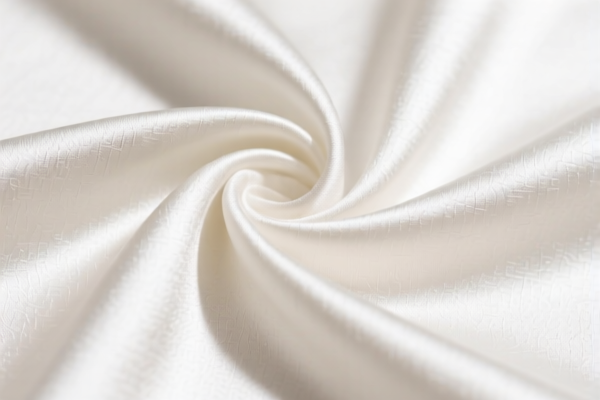
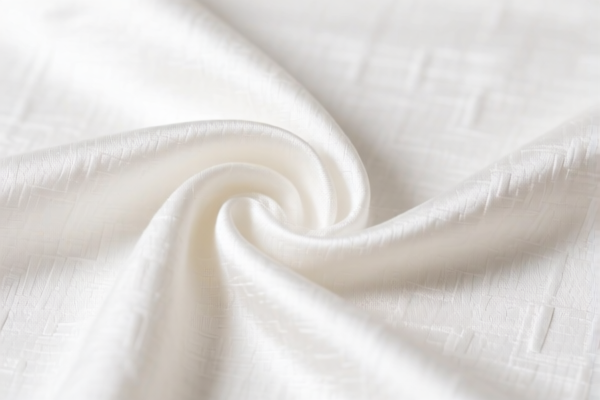


AI Analysis
🧵 Satin Weave Fabric for Garments (Unbleached/Bleached)
🌐 HS Code Reference & Customs Clearance Guide | 2026 Latest Tariff Breakdown | Professional Clearance Strategy
📌 I. Product Definition & Classification: What Exactly is "Satin Weave"?
Satin weave fabric is characterized by its smooth, lustrous surface and dull back, created by a specific weaving structure where warp yarns float over multiple weft yarns. In international trade, classification depends heavily on the fiber content and processing state (bleached vs. unbleached).
Key Distinction:
- Unbleached: Retains natural fiber color/impurities; subject to different tariff baselines.
- Bleached: Processed to whiten; often falls under specific textile chapters based on fiber.
- Fiber Composition: The single most critical factor determining HS Code (Silk, Wool, Cotton, Synthetic).
⚠️ Critical Classification Rule:
- Silk/Wool: Generally attract higher duties due to protective tariffs on luxury/natural fibers.
- Cotton: Lower base duties, but sensitive to anti-dumping or specific trade remedies.
- Synthetic (Polyester/Nylon): Moderate base duties, heavily impacted by Section 301/122 tariffs.
📦 II. HS Code Classification Details (Based on Provided Data)
| HS Code | Product Description | Summary & Logic | Total Tax Rate | Tax Breakdown |
|---|---|---|---|---|
5111.90.90.00 |
Satin Weave Fabric, Unbleached, Other | Bottom-up Principle: Matches material/shape but not specific subheadings; applies as a residual category. | 60.0% | Base: 25.0% Section 301: 25.0% Section 122: 10% |
5111.11.70.60 |
Satin Weave Fabric, Unbleached | Inference: Based on common sense, classified as Wool or Fine Animal Hair fabric. | 60.0% | Base: 25.0% Section 301: 25.0% Section 122: 10% |
5407.91.20.50 |
Satin Weave Fabric, Unbleached | Perfect Match: Fully complies with fabric structure and processing state limits (Synthetic woven). | 49.9% | Base: 14.9% Section 301: 25.0% Section 122: 10% |
5208.19.20.20 |
Satin Fabric, Unbleached | State & Form Match: Form and condition strictly meet requirements (Cotton woven). | 42.9% | Base: 7.9% Section 301: 25.0% Section 122: 10% |
5407.81.00.40 |
Satin Weave Fabric, Unbleached | Inference: Based on common sense, inferred as Synthetic/Cotton Blended fabric. | 49.9% | Base: 14.9% Section 301: 25.0% Section 122: 10% |
🔍 Key Insight:
- Cotton (5208.19.20.20) offers the lowest total tax rate (42.9%) due to its low base duty (7.9%).
- Wool/Animal Hair (5111.11.70.60) and Residual Silk/Wool categories (5111.90.90.00) face the highest rate (60.0%) due to high base duties (25.0%).
- Synthetics (5407series) fall in the middle (49.9%), driven by a moderate base duty (14.9%).
💰 III. 2026 Tariff Rate Breakdown (Including Supplementary Duties & Policies)
✅ Applicable Country: United States (US)
✅ Origin: China (CN)
✅ Effective Date: 2025/2026 (Current Trade Policy)
🎯 1. 5208.19.20.20 —— Cotton Satin Fabric (Unbleached)
Best Value Option
| Item | Detail |
|---|---|
| Base Duty | 7.9% |
| USITC Add-on (Sec 301) | +25.0% |
| IEEPA Add-on (Sec 122) | +10.0% |
| Total Tax Rate | 42.9% |
| Tax Calculation | CIF Value × 42.9% |
| De Minimis Eligibility | ❌ No (Denied) |
| Legal Basis Path | USITC:5208.19.20.20 → FOOTNOTE:301 → IEEPA:122 |
📌 Explanation:
- Cotton fabrics generally have lower base tariffs under US trade policy.
- However, Section 301 (25%) and Section 122 (10%) apply heavily to Chinese-origin textiles.
- Total 42.9% is significantly lower than wool/silk categories.
🎯 2. 5407.91.20.50 & 5407.81.00.40 —— Synthetic Satin Fabric (Unbleached)
Balanced Option
| Item | Detail |
|---|---|
| Base Duty | 14.9% |
| USITC Add-on (Sec 301) | +25.0% |
| IEEPA Add-on (Sec 122) | +10.0% |
| Total Tax Rate | 49.9% |
| Tax Calculation | CIF Value × 49.9% |
| De Minimis Eligibility | ❌ No (Denied) |
| Legal Basis Path | USITC:5407.xx.xx.xx → FOOTNOTE:301 → IEEPA:122 |
📌 Explanation:
- Polyester/nylon satins face a higher base duty (14.9%) compared to cotton.
- Identical supplementary duties apply, leading to a 49.9% total rate.
- Commonly used for affordable fashion, sportswear, and linings.
🎯 3. 5111.90.90.00 & 5111.11.70.60 —— Wool/Animal Hair Satin Fabric (Unbleached)
Premium/Luxury Option
| Item | Detail |
|---|---|
| Base Duty | 25.0% |
| USITC Add-on (Sec 301) | +25.0% |
| IEEPA Add-on (Sec 122) | +10.0% |
| Total Tax Rate | 60.0% |
| Tax Calculation | CIF Value × 60.0% |
| De Minimis Eligibility | ❌ No (Denied) |
| Legal Basis Path | USITC:5111.xx.xx.xx → FOOTNOTE:301 → IEEPA:122 |
📌 Explanation:
- Wool and fine animal hair fabrics face the highest base duty (25%) due to domestic industry protection.
- Combined with mandatory supplementary tariffs, the 60.0% rate makes these high-cost imports.
- Typically used for high-end suits, luxury dresses, and winter garments.
🛠️ IV. Customs Clearance Practical Advice (Real-World Pitfall Guide)
✅ 1. Required Documentation Checklist (Mandatory)
| Document | Required? | Notes |
|---|---|---|
| ✅ Product Specification Sheet | ✔️ | Must include fiber content %, weave type (satin), weight (GSM), and finish (unbleached). |
| ✅ Weave Structure Diagram | ✔️ | Proves "Satin Weave" classification vs. plain/twill. |
| ✅ Product Photos (Clear) | ✔️ | Show fabric surface luster, texture, and selvedge. |
| ✅ Third-Party Test Report | ✔️ | Fiber composition analysis (critical for correct HS Code). |
| ✅ Commercial Invoice | ✔️ | Must state "Satin Weave Fabric, Unbleached, [Fiber Type]". |
| ✅ Packing List | ✔️ | Detail roll lengths, weights, and dimensions. |
✅ 2. Declaration Tips (Critical Mnemonics)
🔥 "Fiber Dictates HS, Weave Defines Structure, Unbleached Lowers Base!"
| Scenario | Correct Declaration | Wrong Action | Consequence |
|---|---|---|---|
| 100% Polyester Satin | 5407.91.20.50 |
Declared as "Cotton" | Customs seizure, penalties |
| Wool Blend Satin | 5111.11.70.60 |
Declared as "Synthetic" | Underpayment of tax + penalties |
| Unbleached Fabric | Specify "Unbleached" | Declare as "Bleached" | Incorrect HS Code → Different Duty |
| Fabric vs. Garment | Declare as "Fabric" (Not Made-Up) | Declare as "Shirt/Dress" | Wrong Chapter (50-63 vs. 61/62) |
✅ 3. Special Cases Handling
| Situation | Recommendation |
|---|---|
| Blended Fibers (e.g., Cotton/Poly) | Use 5407.81.00.40 if synthetics dominate, or 5208 if cotton dominates (check specific rules). |
| Sample Shipments | Still subject to full duties; de minimis ($800) does NOT apply to textiles from China under current rules. |
| Anti-Dumping Duties (AD/CVD) | Check if specific fabrics face AD/CVD. Satin weaves rarely face AD/CVD, but always verify. |
| Origin Marking | Must clearly mark "Made in China" on fabric rolls and packaging. |
🌍 V. Global Market Comparison (2026 Latest)
| Country/Region | Recommended HS Code (Example) | Est. Total Duty | Certification/Remarks |
|---|---|---|---|
| 🇺🇸 USA | 5208.19.20.20 (Cotton) |
42.9% | High supplementary tariffs; strict fiber content checks. |
| 🇨🇳 China | 5208.19.20.20 |
Low/0% | Import duty may be low, but VAT applies. No Sec 301/122. |
| 🇪🇺 EU | 5208.19.20.20 |
~12% | No Sec 301/122. Standard EU textile duty applies. |
| 🇬🇧 UK | 5208.19.20.20 |
~12% | Post-Brexit rules; similar to EU. |
| 🇦🇺 Australia | 5208.19.20.20 |
~5-10% | Lower tariffs; FTA considerations may apply. |
📌 Conclusion:
- USA is the most expensive market due to Section 301 & 122 tariffs.
- EU/UK offer more predictable, lower duties for Chinese fabrics.
- Cotton (5208) remains the most tariff-efficient fiber for US imports among the options provided.
📌 VI. Common Errors & Pitfalls (Lessons Learned)
❌ Error 1: Declaring Bleached fabric as Unbleached
👉 Consequence: Wrong HS Code → Potential underpayment or overpayment → Audits.
❌ Error 2: Ignoring Fiber Content in Declaration
👉 Consequence: If declared as "General Fabric" without fiber %, Customs may assign a default (often higher) rate or detain cargo.
❌ Error 3: Assuming De Minimis ($800) applies
👉 Consequence: Textiles from China are EXCLUDED from de minimis exemption under current US law. All shipments, even samples, are taxable.
✅ Correct Action:
"100% Polyester Satin Weave Fabric, Unbleached, 150cm Width, 120 GSM, for Garment Use, Model XYZ, No Bleaching Agents"
🎯 VII. Conclusion: Precision Classification, Cost Efficiency!
🎯 Key Takeaways:
🔹 Cotton = Cheapest Duty (42.9%) if you can use it.
🔹 Synthetics = Mid-Range (49.9%).
🔹 Wool/Animal Hair = Most Expensive (60.0%).
🔹 Always specify "Unbleached" to avoid misclassification.
🔹 No De Minimis! Every shipment must declare and pay duties.
📌 Pro Tip:
If you are importing blended fabrics, consult a customs broker to determine if cotton content >50% allows you to use 5208 codes, potentially saving 7%+ in duties compared to synthetic-dominant codes.
📣 Immediate Action:
📞 Engage a licensed customs broker before shipment.
📄 Provide fiber composition test reports with every customs declaration.
🚀 Accurate HS Code = Lower Duties + Faster Clearance + No Penalties!
✨ Professional Clearance Starts with Precise Classification!
💼 Every cent of duty is a cost you can optimize with the right HS Code!
Customer Reviews
About HS Code Classification
The Harmonized System (HS) is an internationally standardized nomenclature developed by the World Customs Organization (WCO) to classify traded products. Over 200 countries use the HS system as the basis for customs tariffs, trade statistics, and import/export regulations.
Each HS code follows a hierarchical structure:
- Chapter (2 digits) — Broad category of goods (e.g., Chapter 84: Machinery and Mechanical Appliances)
- Heading (4 digits) — More specific grouping within the chapter
- Subheading (6 digits) — Internationally standardized breakdown, used by all WCO member countries
- National subdivisions (8-10 digits) — Country-specific extensions for further classification, such as US HTSUS 10-digit codes
Correct HS code classification is essential for smooth customs clearance, accurate duty payment, and compliance with trade regulations. Misclassification can lead to customs delays, overpayment of duties, or penalties.
When importing from CN to US, the applicable tariff rates may include:
- Most-Favored-Nation (MFN) rate — The standard duty rate applied to WTO members
- General rate — Applied to countries without trade agreements
- Trade remedy duties — Additional tariffs such as Section 301 (anti-dumping), Section 232 (national security), or countervailing duties
The information provided on this page is for reference purposes only. For official classification, please consult with your local customs authority or a licensed customs broker.