Solid Rubber Tire (High Strength)
CN → US| HS编码 | 关税税率 | 原产国 | 目的国 | 文档 |
|---|---|---|---|---|
| 4011901050 | 35.0% | CN | US | 官方文档 |
| 4011908050 | 38.4% | CN | US | 官方文档 |
| 4012909000 | 37.7% | CN | US | 官方文档 |
| 4016996010 | 37.5% | CN | US | 官方文档 |
| 4012901000 | 35.0% | CN | US | 官方文档 |
| 4016993000 | 35.0% | CN | US | 官方文档 |
商品图片
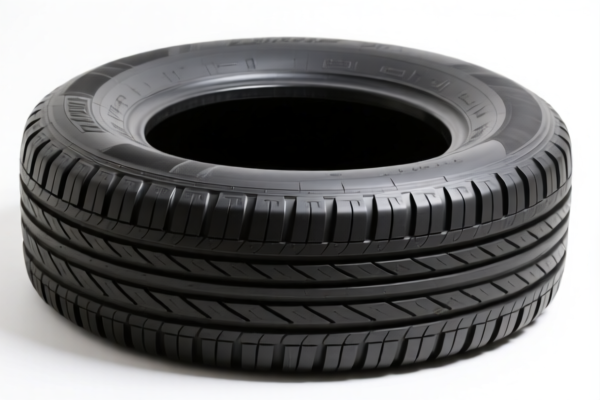
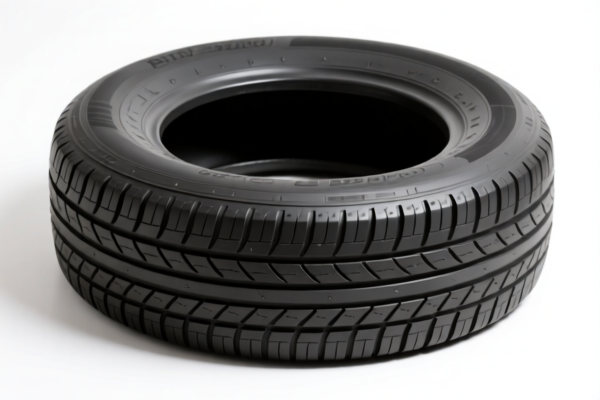
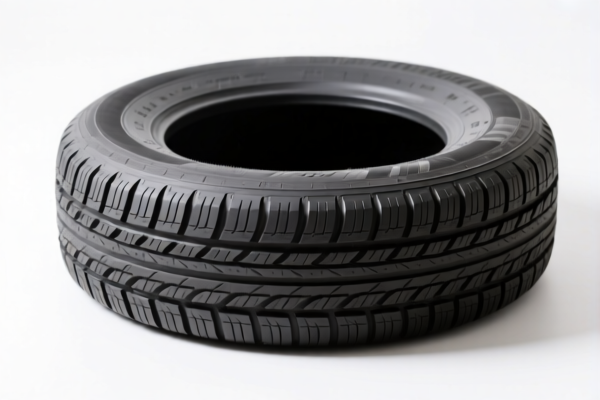
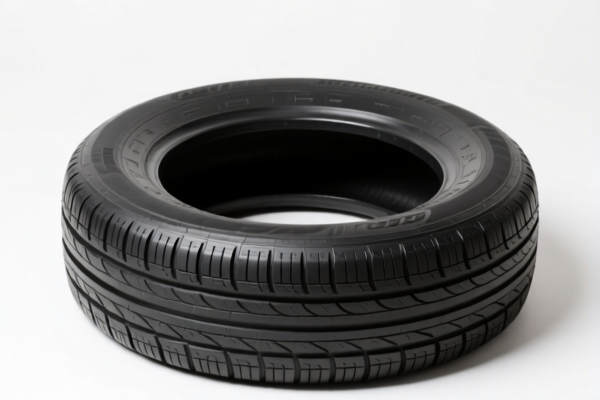
AI分析
🛞 Solid Rubber Tire (High Strength)
🌐 HS Code Reference & Customs Clearance Guide | 2026 Latest Tariff Analysis | Professional Clearance Strategy
📌 I. Product Definition & Classification: What Exactly Is a "High-Strength Solid Rubber Tire"?
A Solid Rubber Tire is a non-pneumatic tire made entirely of rubber (often reinforced with steel or high-density polymers for "high strength"), designed for heavy loads, slow-moving vehicles, or industrial machinery (e.g., forklifts, pallet jacks, airport ground support equipment). Unlike pneumatic tires, it contains no air, offering puncture-proof durability.
In international trade, classification depends on: 1. Material Composition: Pure rubber vs. composite. 2. Application: Automotive/Vehicle use vs. Industrial/Machinery use. 3. Structure: Solid/Non-pneumatic vs. Pneumatic (even if solid core).
⚠️ Critical Distinction:
- If the tire is for vehicles (cars, trucks, forklifts) and is solid/non-pneumatic → Generally falls under Chapter 40 (Rubber Articles).
- If it is considered an "Other pneumatic tire" due to specific structural nuances or misclassification → 4011 or 4012 might be debated, but for solid tires, 4012 or 4016 are more common depending on the "vehicle part" argument.
- High Strength implies reinforcement, which may shift it from general rubber articles to specific tire classifications.
📦 II. HS Code Classification Details (Based on Provided Data)
| HS Code | Product Description | Summary from Data | Total Tax Rate | Tax Detail Breakdown |
|---|---|---|---|---|
| 4011.90.10.50 | Solid Rubber Tire, High Strength, Matching Rubber Material & Tire Form | Rubber solid tire, high intensity, matching rubber material and tire form | 35.0% | Base: 0.0% Section 301: 25.0% Section 122: 10.0% |
| 4011.90.80.50 | Other New Type Rubber Pneumatic Tire Category (Note: Data says "Pneumatic" but summary says "Solid") | Rubber solid tire, high intensity, belongs to other new rubber pneumatic tire category | 38.4% | Base: 3.4% Section 301: 25.0% Section 122: 10.0% |
| 4012.90.90.00 | Rubber Solid Tire, High Strength, Fits Rubber & Solid Tire Classification | Rubber solid tire, high intensity, conforms to rubber and solid tire classification requirements | 37.7% | Base: 2.7% Section 301: 25.0% Section 122: 10.0% |
| 4016.99.60.10 | Vulcanized Rubber Product, Solid Tire, High Strength, Fits Auto Mechanical Part Attribute | Vulcanized rubber products, solid tire, high intensity, conforms to auto mechanical part attributes | 37.5% | Base: 2.5% Section 301: 25.0% Section 122: 10.0% |
| 4012.90.10.00 | Rubber Solid Tire, High Strength, Clearly Fits Material & Usage Classification | Rubber solid tire, high intensity, clearly conforms to material and usage classification | 35.0% | Base: 0.0% Section 301: 25.0% Section 122: 10.0% |
| 4016.99.30.00 | Natural or Vulcanized Rubber Products, Solid Tire for Vehicles, High Strength, No Material Conflict | Natural or vulcanized rubber products, solid tire for vehicles, high strength, no material conflict | 35.0% | Base: 0.0% Section 301: 25.0% Section 122: 10.0% |
🔍 Key Observation:
- Lowest Total Tax (35.0%): HS Codes4011.90.10.50,4012.90.10.00, and4016.99.30.00.
- Highest Total Tax (38.4%): HS Code4011.90.80.50(due to higher base duty of 3.4%).
- Section 301 (25%) and Section 122 (10%) are consistently applied, adding 35% to the base duty. This means the Base Duty is the key differentiator for cost optimization.
💰 III. 2026 Latest Tariff Rate Breakdown (Including Additional Taxes)
✅ Applicable Country: United States (US)
✅ Origin: China (CN)
✅ Effective Date: Current tariffs apply (Section 301 & 122 are active)
🎯 1. HS Code 4011.90.10.50 & 4012.90.10.00 & 4016.99.30.00 —— Best Cost Options (35.0% Total)
| Item | Content |
|---|---|
| Base Tariff | 0.0% |
| Section 301 Tariff | +25.0% |
| Section 122 Tariff | +10.0% |
| Total Tariff | 35.0% |
| Tax Calculation | CIF Value × 35.0% |
| De Minimis Exemption | ❌ Not Eligible (High risk of audit) |
| Legal Basis | USITC:4011.90.10.50 / 4012.90.10.00 / 4016.99.30.00 → Section 301 → Section 122 |
📌 Explanation:
- Base Duty 0%: These codes are favored for their zero base duty, making the total tax lower than others with base duties of 2.5% or 2.7%.
- Section 122 (10%): Likely refers to specific retaliatory or national security-related tariffs on rubber articles or vehicle parts from China.
- Section 301 (25%): The standard 301 tariff on Chinese manufactured goods.
- Total 35%: This is the most competitive rate among the provided options.
🎯 2. HS Code 4016.99.60.10 —— Vehicle Part Classification (37.5% Total)
| Item | Content |
|---|---|
| Base Tariff | 2.5% |
| Section 301 Tariff | +25.0% |
| Section 122 Tariff | +10.0% |
| Total Tariff | 37.5% |
| Tax Calculation | CIF Value × 37.5% |
| Legal Basis | USITC:4016.99.60.10 → Section 301 → Section 122 |
📌 Note:
- This code classifies the tire as a "Vulcanized Rubber Product" rather than a tire. This can be a strategic move if the tire is used as a replacement part for vehicles, but it comes at a 2.5% higher cost than the 0% base options.
🎯 3. HS Code 4012.90.90.00 —— Other Rubber Products (37.7% Total)
| Item | Content |
|---|---|
| Base Tariff | 2.7% |
| Section 301 Tariff | +25.0% |
| Section 122 Tariff | +10.0% |
| Total Tariff | 37.7% |
| Tax Calculation | CIF Value × 37.7% |
| Legal Basis | USITC:4012.90.90.00 → Section 301 → Section 122 |
📌 Note:
- Slightly more expensive than4016.99.60.10due to a 2.7% base duty. Use this if the product does not fit the "vehicle part" definition of 4016.
🎯 4. HS Code 4011.90.80.50 —— Avoid If Possible (38.4% Total)
| Item | Content |
|---|---|
| Base Tariff | 3.4% |
| Section 301 Tariff | +25.0% |
| Section 122 Tariff | +10.0% |
| Total Tariff | 38.4% |
| Tax Calculation | CIF Value × 38.4% |
| Legal Basis | USITC:4011.90.80.50 → Section 301 → Section 122 |
📌 Warning:
- This code has the highest base duty (3.4%), leading to the highest total tax.
- The description mentions "pneumatic tire category," which may be a misclassification risk for a solid tire. Customs may reject this if documentation clearly states "Solid/Non-pneumatic."
🛠️ IV. Customs Clearance Practical Advice (Real-World Pitfall Guide)
✅ 1. Preparation Checklist (Non-Negotiable)
| Document | Required? | Explanation |
|---|---|---|
| ✅ Product Specifications | ✔️ | Must state "Solid," "Non-Pneumatic," "High Strength," and material composition (e.g., 100% Vulcanized Rubber). |
| ✅ Technical Data Sheet | ✔️ | Include durometer (hardness), tensile strength, and load capacity to justify "High Strength." |
| ✅ Product Photos | ✔️ | Clear images showing the solid structure, no air valve, and any steel reinforcement. |
| ✅ Commercial Invoice | ✔️ | Use precise terminology: "Solid Rubber Tire, High Strength, Non-Pneumatic." Avoid vague terms like "Tyre." |
| ✅ Packing List | ✔️ | Detail quantity, weight, and dimensions. |
| ✅ Origin Certificate | ✔️ | Essential for confirming Chinese origin and applying Section 301/122 accurately. |
✅ 2. Declaration Strategy (Key Mantras)
🔥 "Be Precise: 'Solid,' Not 'Pneumatic'; 'Rubber Article,' Not 'Part' if unsure!"
| Scenario | Recommended HS Code | Risk if Misclassified |
|---|---|---|
| Standard Solid Tire (Forklift, Pallet Jack) | 4012.90.10.00 or 4011.90.10.50 |
Lower tax (35%) vs. Higher tax (38.4%) |
| Tire for Car/Truck Replacement | 4016.99.60.10 |
May be challenged if not clearly a vehicle part |
| Tire with Steel Core | 4016.99.60.10 or 4012.90.90.00 |
Avoid 4011 if it implies pneumatic structure |
| Mislabeling as "Pneumatic" | 4011.90.80.50 |
Highest tax (38.4%) + Potential penalty for false declaration |
📌 Critical Tip:
- Never use the word "Pneumatic" in your product description if it is Solid.
- Use terms like "Non-Pneumatic," "Solid Core," "Vulcanized Rubber," and "Reinforced."
- If the tire is for a vehicle, consider4016.99.60.10to align with "vehicle parts," but be prepared for a 2.5% base duty.
✅ 3. Special Situations
| Situation | Handling Advice |
|---|---|
| OEM Custom Tires | Provide design specs and load-bearing data to justify "High Strength." |
| Mixed Containers | Ensure solid tires are not mixed with pneumatic tires to avoid classification confusion. |
| Steel-Reinforced Tires | Declare material composition clearly (e.g., "Rubber with Steel Belts") to support 4016 or 4012 classification. |
| Retreading | If retreaded, ensure the HS code reflects the process (though solid tires are rarely retreaded). |
🌍 V. Global Market Comparison (2026)
| Country/Region | Recommended HS Code | Total Tax (China Origin) | Certification | Notes |
|---|---|---|---|---|
| 🇺🇸 USA | 4012.90.10.00 or 4011.90.10.50 |
35.0% | None specific | Section 301 + 122 apply. Highest tax burden. |
| 🇨🇳 China | 4011.90.10.50 |
~5-10% (Import Duty) | CCC (if for vehicles) | No Section 301/122. Favorable for domestic use. |
| 🇪🇺 EU | 4011.90.10 / 4012.90.90 |
0-4.5% | CE, REACH | No Section 301/122. Lower taxes than US. |
| 🇦🇺 Australia | 4011.90.10 / 4012.90.90 |
5% | RCM | No Section 301/122. Moderate taxes. |
| 🇯🇵 Japan | 4011.90.10 / 4012.90.90 |
0-5% | JIS | No Section 301/122. Low taxes. |
📌 Conclusion:
- USA is the most expensive market for solid rubber tires due to Section 301 (25%) and Section 122 (10%).
- EU, Japan, and Australia offer significantly lower total tariffs (0-5%).
- Strategy: If targeting the US, optimize HS Code selection to4012.90.10.00or4011.90.10.50to minimize the 35% total tax. Consider supply chain diversification to avoid Chinese origin if possible.
📌 VI. Common Mistakes & Pitfalls (Lessons Learned)
❌ Mistake 1: Declaring a Solid Tire as a Pneumatic Tire (4011.90.80.50)
👉 Consequence: Higher base duty (3.4%) → Total tax 38.4% + Potential fraud penalty if caught.
❌ Mistake 2: Using vague terms like "Rubber Wheel" without specifying "Solid/Non-Pneumatic"
👉 Consequence: Customs may classify it under a less favorable code or request additional information, causing delays.
❌ Mistake 3: Ignoring Section 122 (10%) in tariff calculations
👉 Consequence: Unexpected 35% total tax instead of the assumed 25% (Section 301 only). This can wipe out profit margins.
❌ Mistake 4: Misclassifying as "Vehicle Parts" (4016.99.60.10) when not applicable
👉 Consequence: Higher base duty (2.5%) → Total tax 37.5%. Only use if clearly a replacement part for vehicles.
✅ Correct Approach:
"Solid Rubber Tire, High Strength, Non-Pneumatic, Vulcanized Rubber, For Forklift, Model XYZ, HS Code: 4012.90.10.00"
🎯 VII. Conclusion: Precision in Classification Saves Money
🎯 Remember the Mantra:
🔹 "Solid = Non-Pneumatic; 0% Base = 35% Total; 3.4% Base = 38.4% Total!"
🔹 "Section 301 + 122 = 35% Added Tax; Choose 4012 or 4011 for 0% Base!"
📌 Pro Tip:
If your solid tires are originating from Vietnam, Mexico, or Thailand, you may be eligible to avoid Section 301/122 tariffs, reducing the total tax to the base rate only (0-3.4%).
Recommend Advance Ruling from US Customs and Border Protection (CBP) to confirm the HS Code and tax liability before shipment.
📣 Immediate Action:
📞 Contact a licensed customs broker + Provide product specs + Request CBP Advance Ruling
🚀 Ensure your solid tires, cleared smoothly, efficiently exported, and profit maximized!
✨ Professional clearance begins with accurate classification!
💼 Every cent of tax saved is a cent of profit earned!
用户评价
关于 HS 编码归类
协调制度(HS)是由世界海关组织(WCO)制定的国际贸易商品分类标准。全球 200 多个国家采用 HS 系统作为海关关税、贸易统计和进出口监管的基础。
每个 HS 编码遵循以下层级结构:
- 章(2 位)——商品大类(例如:第 84 章:机器和机械设备)
- 品目(4 位)——章内的更具体分类
- 子目(6 位)——国际通用细分,所有 WCO 成员国统一使用
- 本国细分(8-10 位)——各国自行扩展的细分编码,如美国 HTSUS 10 位编码
正确的 HS 编码归类对于顺利通关、准确缴纳关税和遵守贸易法规至关重要。错误归类可能导致海关延误、多缴关税或罚款。
从CN进口到US时,适用的关税税率可能包括:
- 最惠国(MFN)税率——适用于 WTO 成员国的标准关税税率
- 普通税率——适用于无贸易协定国家
- 贸易救济关税——附加关税,如 301 条款(反倾销)、232 条款(国家安全)或反补贴税
本页内容仅供参考。如需正式归类,请咨询当地海关或持牌报关代理。