Unpeeled Coniferous Timber (15cm or more)
CN → US| HS编码 | 关税税率 | 原产国 | 目的国 | 文档 |
|---|---|---|---|---|
| 4401110000 | 35.0% | CN | US | 官方文档 |
| 4403210130 | 35.0% | CN | US | 官方文档 |
| 4407110052 | 35.0% | CN | US | 官方文档 |
| 4403250164 | 35.0% | CN | US | 官方文档 |
| 4407190056 | 35.0% | CN | US | 官方文档 |
商品图片
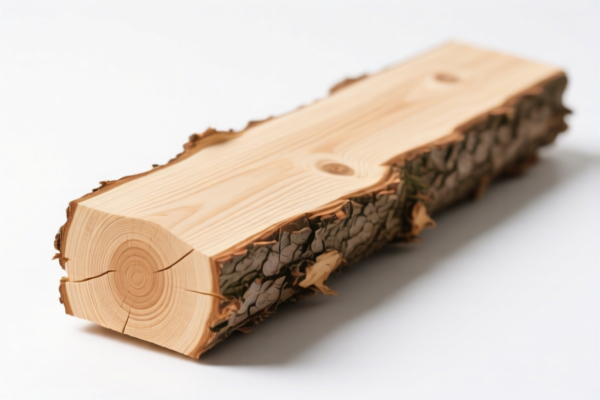
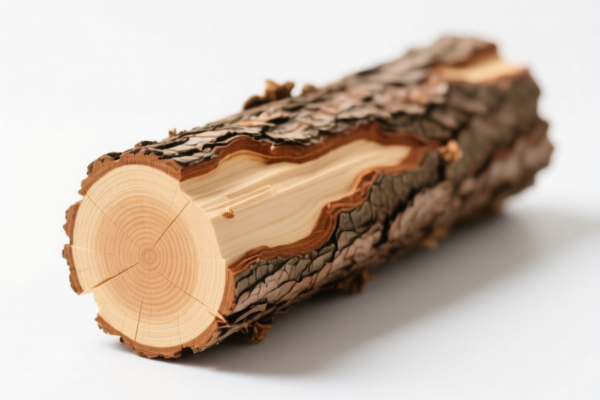
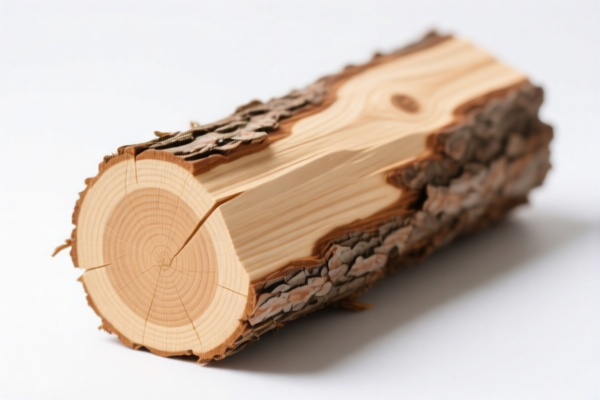
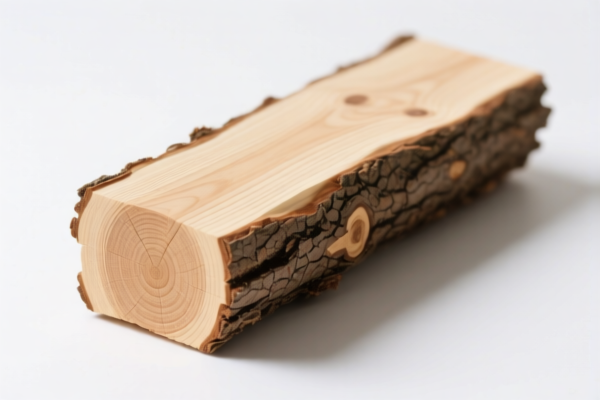
AI分析
🌲 Unpeeled Coniferous Timber (15cm or more)
🌐 HS Code Reference & Customs Clearance Guide | 2026 Latest Tariff Analysis | Professional Clearance Strategy
📌 I. Product Definition & Classification: Do You Really Understand "Coniferous Timber"?
Coniferous timber is a critical raw material for construction, furniture, and paper industries. In international trade, it is strictly regulated based on processing level (rough vs. sawn) and cross-section dimensions. For "Unpeeled Coniferous Timber" with a cross-section of 15cm or more, the classification depends heavily on whether it is primarily "rough-sawn" (4403) or "prepared for construction" (4407).
⚠️ Key Distinction Point:
- If the wood is roughly squared, hewn, or simply debarked but retains its natural cylindrical shape or rough sawn surface → Generally falls under Chapter 4403 (Wood prepared for construction purposes, e.g., rough sleepers).
- If the wood is sawn lengthwise (even roughly) but not further worked → May fall under Chapter 4407 (Wood sawn or chipped lengthwise).
- Critical Threshold: The 15cm (approx. 6 inches) dimension is a major trigger for specific sub-headings regarding "rough squared timber."
📦 II. HS Code Classification Details (2026 Latest Tariff Authority Comparison)
Based on the provided data, here are the applicable HS Codes for Unpeeled Coniferous Timber (≥15cm cross-section):
| HS Code | Product Description | Applicable Scenario | Key Characteristics |
|---|---|---|---|
4401.11.00.00 |
Fuel Wood / Rough Squared Timber | Unpeeled coniferous wood, roughly squared, dimensions ≥15cm. Often used for industrial fuel or basic construction rough stock. | ✅ Rough Squared: Maintains the "rough squared" form. |
4403.21.01.30 |
Unpeeled Coniferous Timber | Unpeeled coniferous wood, rough sawn or roughly squared, cross-section ≥15cm. This is the primary code for "rough sleepers" or construction logs. | ✅ Unpeeled: Bark still present or recently removed (unpeeled). |
4407.11.00.52 |
Sawn Coniferous Timber | Coniferous wood, sawn lengthwise, rough form, dimensions meet requirements. Used if the wood has been sawn (even roughly) rather than just hewn. | ✅ Sawn: Cut with a saw, not just hewn. |
4403.25.01.64 |
Coniferous Timber, Rough Squared | Coniferous timber, roughly squared to rectangular, minimum cross-section 15cm. Specific sub-category for larger rough logs. | ✅ Large Cross-Section: Specifically targets the ≥15cm size. |
4407.19.00.56 |
Other Sawn Coniferous Wood | Coniferous wood, rough sawn, dimensions ≥12.7cm (5 inches). Used for slightly smaller but still large rough-sawn pieces. | ✅ Rough Sawn: Minimum 12.7cm, but often grouped with larger sizes in trade. |
🔍 Key Reminder:
- All codes above apply to Coniferous wood (e.g., Pine, Spruce, Fir, Larch).
- "Unpeeled" means the bark is either still on or has been removed shortly after felling (debarked).
- "Rough" means no further planing or smoothing has been applied.
- Dimension Check: The ≥15cm threshold is critical. If the smallest side is <15cm, different sub-codes may apply.
💰 III. 2026 Latest Tariff Rate Breakdown (Including Surtaxes & Policy Add-ons)
✅ Applicable Country: United States (US)
✅ Origin: China (CN)
✅ Effective Date: From November 10, 2025 (and subsequent imports)
🎯 1. General Tax Structure for All Listed HS Codes
| Item | Detail |
|---|---|
| Base Tariff Rate | 0.0% (ad valorem) – Note: Many wood products have low base duties, but the surtaxes are the killer. |
| Section 301 Surtax | +25.0% – Imposed under US Trade Law Section 301. |
| Section 122 Tariff | +10.0% – Imposed under Section 122 of the Trade Act (National Security/Industrial Base protection). |
| Total Effective Tax Rate | 35.0% |
| Tax Calculation | CIF Value × 35% |
| De Minimis Exemption | ❌ NOT APPLICABLE (deny_de_minimis) – Small shipments do NOT qualify for tax-free entry. |
| Legal Authority Path | Base: 0% → Section 301: 25% → Section 122: 10% → Total: 35% |
📌 Explanation:
- "Base 0%": Coniferous timber often has a low base duty, but this is irrelevant when surtaxes apply.
- "Section 301 (25%)": This is the standard US retaliatory tariff on Chinese goods.
- "Section 122 (10%)": A specific tariff targeting imports that threaten the US domestic industrial base.
- Total 35%: This is a VERY HIGH effective duty rate. It significantly impacts the profitability of wood imports.
🛠️ IV. Customs Clearance Practical Advice (Battle-Tested Pitfall Guide)
✅ 1. Required Documentation Checklist (Non-Negotiable)
| Document | Required | Explanation |
|---|---|---|
| ✅ Phytosanitary Certificate | ✔️ Mandatory | Issued by the country of origin. Must certify no pests/diseases. Critical for wood. |
| ✅ Commercial Invoice | ✔️ | Must clearly state: "Unpeeled Coniferous Timber," "Rough Squared/Sawn," "Cross-section ≥15cm," and HS Code. |
| ✅ Packing List | ✔️ | Detail dimensions (length, width, height), weight, and number of pieces. |
| ✅ Bill of Lading (B/L) | ✔️ | Ensure "Clean on Board" status. |
| ✅ Country of Origin Certificate | ✔️ | Required for tariff determination. |
| ✅ ISPM 15 Marking (if packaged) | ✔️ | If wood pallets/crates are used, they must be ISPM 15 compliant (heat-treated/fumigated). |
✅ 2. Declaration Tips (Key Rules)
🔥 "Be Precise: Rough vs. Sawn, Peeled vs. Unpeeled, Size Matters!"
| Scenario | Correct Declaration | Incorrect Practice |
|---|---|---|
| Logs just debarked | 4403.21.01.30 or 4403.25.01.64 |
Misdeclaring as "Sawn Timber" → Risk of penalty. |
| Roughly squared logs | 4401.11.00.00 (if for fuel/rough use) |
Misdeclaring as "Lumber" → Higher scrutiny. |
| Sawn but rough | 4407.11.00.52 or 4407.19.00.56 |
Claiming as "Unpeeled" if sawn → Classification error. |
| Smallest side < 15cm | Check other sub-codes | Using ≥15cm codes → Rejection. |
✅ 3. Special Handling Advice
| Situation | Handling Suggestion |
|---|---|
| Pest Control | Ensure the timber is free of bark (if "unpeeled" means debarked) to meet strict phytosanitary rules. If bark is present, it must be treated. |
| Moisture Content | Declare accurately. High moisture can lead to mold, which may trigger inspection. |
| Mixed Shipments | If the shipment contains both coniferous and non-coniferous wood, separate the declarations. Mixed declarations can cause delays. |
| Value Declaration | Declare CIF Value accurately. Customs will audit the value, especially with 35% duty involved. |
🌍 V. Global Market Comparison (2026 Latest)
| Country/Region | Recommended HS Code | Total Tariff (China Origin) | Key Requirements | Notes |
|---|---|---|---|---|
| 🇺🇸 USA | 4403.21.01.30 etc. |
35% (0% Base + 25% Sec 301 + 10% Sec 122) | Phytosanitary Cert, ISPM 15 | Highest duty. 35% is a major cost driver. |
| 🇨🇳 China | 4403.21.01.30 etc. |
0% (Import duty) | Phytosanitary Cert | No additional surtaxes. |
| 🇪🇺 EU | 4403.21.01.30 etc. |
~2.5% | Fumigation, FLEGT License (if applicable) | Lower duty than US, but strict environmental checks. |
| 🇯🇵 Japan | 4403.21.01.30 etc. |
~0.5% | Phytosanitary Cert | Very low duty, strict inspection. |
📌 Conclusion:
- USA is the most expensive market for Chinese coniferous timber due to the 35% total tariff.
- EU and Japan offer much lower duty rates but have strict phytosanitary and environmental regulations.
- Profitability in the US market is heavily pressured by the 35% duty. Consider supply chain adjustments or duty drawback programs if eligible.
📌 VI. Common Mistakes & Pitfall Guide (Lessons from Experience)
❌ Mistake 1: Declaring "Rough Sawn" as "Unpeeled"
👉 Consequence: If the wood is sawn, it belongs in 4407, not 4403. Misdeclaration leads to penalties + back duties.
❌ Mistake 2: Ignoring the 15cm Threshold
👉 Consequence: If the smallest side is 14.9cm, you may be in a different sub-heading with different tax implications. Accuracy is key.
❌ Mistake 3: Missing Phytosanitary Certificate
👉 Consequence: Shipment held at port. Fumigation required on-site (expensive) or destruction/return.
❌ Mistake 4: Under-declaring Value
👉 Consequence: With a 35% duty, even a 10% under-declaration saves only 3.5% of the value. The risk of audits, fines, and loss of trust is not worth it.
✅ Correct Approach:
"Unpeeled Coniferous Timber (Pine), Rough Squared, Cross-section 15cm+, HS Code 4403.21.01.30, CIF Value $X, Phytosanitary Cert Attached"
🎯 VII. Conclusion: Professional Declaration, Cost Control, Risk Mitigation!
🎯 Remember the Rules:
🔹 "Rough? Sawn? Peeled? Size? Check All Four!"
🔹 "35% Duty in the US: No De Minimis, No Excuses!"
🔹 "Phytosanitary Cert is Your Ticket to Enter!"
📌 Pro Tip:
- If you are importing into the USA, consider applying for HTSUS Exclusions if available (though rare for wood).
- For China-origin timber, ensure Country of Origin Marking is clear on all packaging.
- Pre-clearance: Engage a customs broker before shipment arrives to verify HS Code and documentation.
📣 Immediate Action:
📞 Contact a licensed customs broker + Provide Product Photos + Verify Phytosanitary Status
🚀 Ensure Smooth Clearance, Avoid Delays, Protect Your Margins!
✨ Professional Customs Clearance Starts with Accurate Classification!
💼 Your Every Dollar of Cost Should Be Precisely Calculated!
用户评价
关于 HS 编码归类
协调制度(HS)是由世界海关组织(WCO)制定的国际贸易商品分类标准。全球 200 多个国家采用 HS 系统作为海关关税、贸易统计和进出口监管的基础。
每个 HS 编码遵循以下层级结构:
- 章(2 位)——商品大类(例如:第 84 章:机器和机械设备)
- 品目(4 位)——章内的更具体分类
- 子目(6 位)——国际通用细分,所有 WCO 成员国统一使用
- 本国细分(8-10 位)——各国自行扩展的细分编码,如美国 HTSUS 10 位编码
正确的 HS 编码归类对于顺利通关、准确缴纳关税和遵守贸易法规至关重要。错误归类可能导致海关延误、多缴关税或罚款。
从CN进口到US时,适用的关税税率可能包括:
- 最惠国(MFN)税率——适用于 WTO 成员国的标准关税税率
- 普通税率——适用于无贸易协定国家
- 贸易救济关税——附加关税,如 301 条款(反倾销)、232 条款(国家安全)或反补贴税
本页内容仅供参考。如需正式归类,请咨询当地海关或持牌报关代理。