Unpeeled Coniferous Timber (15cm or more)
CN → US| HS Code | Tariff Rate | Origin | Destination | Doc |
|---|---|---|---|---|
| 4401110000 | 35.0% | CN | US | Official Doc |
| 4403210130 | 35.0% | CN | US | Official Doc |
| 4407110052 | 35.0% | CN | US | Official Doc |
| 4403250164 | 35.0% | CN | US | Official Doc |
| 4407190056 | 35.0% | CN | US | Official Doc |
Product Images
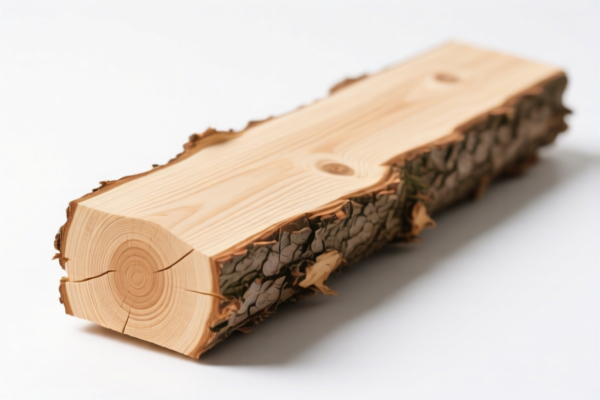
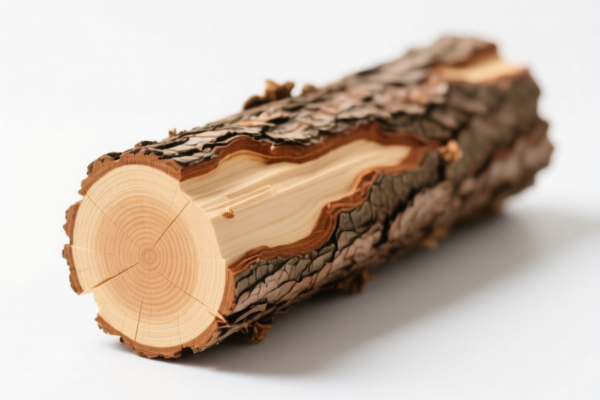
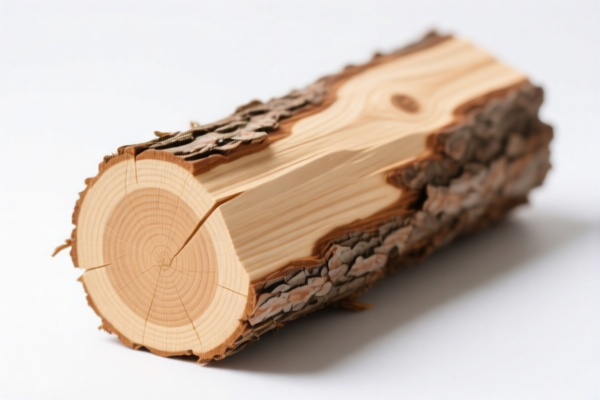
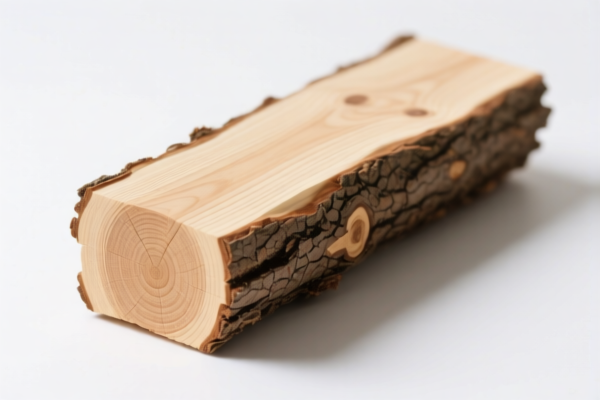
AI Analysis
🌲 Unpeeled Coniferous Timber (15cm or more)
🌐 HS Code Reference & Customs Clearance Guide | 2026 Latest Tariff Analysis | Professional Clearance Strategy
📌 I. Product Definition & Classification: Do You Really Understand "Coniferous Timber"?
Coniferous timber is a critical raw material for construction, furniture, and paper industries. In international trade, it is strictly regulated based on processing level (rough vs. sawn) and cross-section dimensions. For "Unpeeled Coniferous Timber" with a cross-section of 15cm or more, the classification depends heavily on whether it is primarily "rough-sawn" (4403) or "prepared for construction" (4407).
⚠️ Key Distinction Point:
- If the wood is roughly squared, hewn, or simply debarked but retains its natural cylindrical shape or rough sawn surface → Generally falls under Chapter 4403 (Wood prepared for construction purposes, e.g., rough sleepers).
- If the wood is sawn lengthwise (even roughly) but not further worked → May fall under Chapter 4407 (Wood sawn or chipped lengthwise).
- Critical Threshold: The 15cm (approx. 6 inches) dimension is a major trigger for specific sub-headings regarding "rough squared timber."
📦 II. HS Code Classification Details (2026 Latest Tariff Authority Comparison)
Based on the provided data, here are the applicable HS Codes for Unpeeled Coniferous Timber (≥15cm cross-section):
| HS Code | Product Description | Applicable Scenario | Key Characteristics |
|---|---|---|---|
4401.11.00.00 |
Fuel Wood / Rough Squared Timber | Unpeeled coniferous wood, roughly squared, dimensions ≥15cm. Often used for industrial fuel or basic construction rough stock. | ✅ Rough Squared: Maintains the "rough squared" form. |
4403.21.01.30 |
Unpeeled Coniferous Timber | Unpeeled coniferous wood, rough sawn or roughly squared, cross-section ≥15cm. This is the primary code for "rough sleepers" or construction logs. | ✅ Unpeeled: Bark still present or recently removed (unpeeled). |
4407.11.00.52 |
Sawn Coniferous Timber | Coniferous wood, sawn lengthwise, rough form, dimensions meet requirements. Used if the wood has been sawn (even roughly) rather than just hewn. | ✅ Sawn: Cut with a saw, not just hewn. |
4403.25.01.64 |
Coniferous Timber, Rough Squared | Coniferous timber, roughly squared to rectangular, minimum cross-section 15cm. Specific sub-category for larger rough logs. | ✅ Large Cross-Section: Specifically targets the ≥15cm size. |
4407.19.00.56 |
Other Sawn Coniferous Wood | Coniferous wood, rough sawn, dimensions ≥12.7cm (5 inches). Used for slightly smaller but still large rough-sawn pieces. | ✅ Rough Sawn: Minimum 12.7cm, but often grouped with larger sizes in trade. |
🔍 Key Reminder:
- All codes above apply to Coniferous wood (e.g., Pine, Spruce, Fir, Larch).
- "Unpeeled" means the bark is either still on or has been removed shortly after felling (debarked).
- "Rough" means no further planing or smoothing has been applied.
- Dimension Check: The ≥15cm threshold is critical. If the smallest side is <15cm, different sub-codes may apply.
💰 III. 2026 Latest Tariff Rate Breakdown (Including Surtaxes & Policy Add-ons)
✅ Applicable Country: United States (US)
✅ Origin: China (CN)
✅ Effective Date: From November 10, 2025 (and subsequent imports)
🎯 1. General Tax Structure for All Listed HS Codes
| Item | Detail |
|---|---|
| Base Tariff Rate | 0.0% (ad valorem) – Note: Many wood products have low base duties, but the surtaxes are the killer. |
| Section 301 Surtax | +25.0% – Imposed under US Trade Law Section 301. |
| Section 122 Tariff | +10.0% – Imposed under Section 122 of the Trade Act (National Security/Industrial Base protection). |
| Total Effective Tax Rate | 35.0% |
| Tax Calculation | CIF Value × 35% |
| De Minimis Exemption | ❌ NOT APPLICABLE (deny_de_minimis) – Small shipments do NOT qualify for tax-free entry. |
| Legal Authority Path | Base: 0% → Section 301: 25% → Section 122: 10% → Total: 35% |
📌 Explanation:
- "Base 0%": Coniferous timber often has a low base duty, but this is irrelevant when surtaxes apply.
- "Section 301 (25%)": This is the standard US retaliatory tariff on Chinese goods.
- "Section 122 (10%)": A specific tariff targeting imports that threaten the US domestic industrial base.
- Total 35%: This is a VERY HIGH effective duty rate. It significantly impacts the profitability of wood imports.
🛠️ IV. Customs Clearance Practical Advice (Battle-Tested Pitfall Guide)
✅ 1. Required Documentation Checklist (Non-Negotiable)
| Document | Required | Explanation |
|---|---|---|
| ✅ Phytosanitary Certificate | ✔️ Mandatory | Issued by the country of origin. Must certify no pests/diseases. Critical for wood. |
| ✅ Commercial Invoice | ✔️ | Must clearly state: "Unpeeled Coniferous Timber," "Rough Squared/Sawn," "Cross-section ≥15cm," and HS Code. |
| ✅ Packing List | ✔️ | Detail dimensions (length, width, height), weight, and number of pieces. |
| ✅ Bill of Lading (B/L) | ✔️ | Ensure "Clean on Board" status. |
| ✅ Country of Origin Certificate | ✔️ | Required for tariff determination. |
| ✅ ISPM 15 Marking (if packaged) | ✔️ | If wood pallets/crates are used, they must be ISPM 15 compliant (heat-treated/fumigated). |
✅ 2. Declaration Tips (Key Rules)
🔥 "Be Precise: Rough vs. Sawn, Peeled vs. Unpeeled, Size Matters!"
| Scenario | Correct Declaration | Incorrect Practice |
|---|---|---|
| Logs just debarked | 4403.21.01.30 or 4403.25.01.64 |
Misdeclaring as "Sawn Timber" → Risk of penalty. |
| Roughly squared logs | 4401.11.00.00 (if for fuel/rough use) |
Misdeclaring as "Lumber" → Higher scrutiny. |
| Sawn but rough | 4407.11.00.52 or 4407.19.00.56 |
Claiming as "Unpeeled" if sawn → Classification error. |
| Smallest side < 15cm | Check other sub-codes | Using ≥15cm codes → Rejection. |
✅ 3. Special Handling Advice
| Situation | Handling Suggestion |
|---|---|
| Pest Control | Ensure the timber is free of bark (if "unpeeled" means debarked) to meet strict phytosanitary rules. If bark is present, it must be treated. |
| Moisture Content | Declare accurately. High moisture can lead to mold, which may trigger inspection. |
| Mixed Shipments | If the shipment contains both coniferous and non-coniferous wood, separate the declarations. Mixed declarations can cause delays. |
| Value Declaration | Declare CIF Value accurately. Customs will audit the value, especially with 35% duty involved. |
🌍 V. Global Market Comparison (2026 Latest)
| Country/Region | Recommended HS Code | Total Tariff (China Origin) | Key Requirements | Notes |
|---|---|---|---|---|
| 🇺🇸 USA | 4403.21.01.30 etc. |
35% (0% Base + 25% Sec 301 + 10% Sec 122) | Phytosanitary Cert, ISPM 15 | Highest duty. 35% is a major cost driver. |
| 🇨🇳 China | 4403.21.01.30 etc. |
0% (Import duty) | Phytosanitary Cert | No additional surtaxes. |
| 🇪🇺 EU | 4403.21.01.30 etc. |
~2.5% | Fumigation, FLEGT License (if applicable) | Lower duty than US, but strict environmental checks. |
| 🇯🇵 Japan | 4403.21.01.30 etc. |
~0.5% | Phytosanitary Cert | Very low duty, strict inspection. |
📌 Conclusion:
- USA is the most expensive market for Chinese coniferous timber due to the 35% total tariff.
- EU and Japan offer much lower duty rates but have strict phytosanitary and environmental regulations.
- Profitability in the US market is heavily pressured by the 35% duty. Consider supply chain adjustments or duty drawback programs if eligible.
📌 VI. Common Mistakes & Pitfall Guide (Lessons from Experience)
❌ Mistake 1: Declaring "Rough Sawn" as "Unpeeled"
👉 Consequence: If the wood is sawn, it belongs in 4407, not 4403. Misdeclaration leads to penalties + back duties.
❌ Mistake 2: Ignoring the 15cm Threshold
👉 Consequence: If the smallest side is 14.9cm, you may be in a different sub-heading with different tax implications. Accuracy is key.
❌ Mistake 3: Missing Phytosanitary Certificate
👉 Consequence: Shipment held at port. Fumigation required on-site (expensive) or destruction/return.
❌ Mistake 4: Under-declaring Value
👉 Consequence: With a 35% duty, even a 10% under-declaration saves only 3.5% of the value. The risk of audits, fines, and loss of trust is not worth it.
✅ Correct Approach:
"Unpeeled Coniferous Timber (Pine), Rough Squared, Cross-section 15cm+, HS Code 4403.21.01.30, CIF Value $X, Phytosanitary Cert Attached"
🎯 VII. Conclusion: Professional Declaration, Cost Control, Risk Mitigation!
🎯 Remember the Rules:
🔹 "Rough? Sawn? Peeled? Size? Check All Four!"
🔹 "35% Duty in the US: No De Minimis, No Excuses!"
🔹 "Phytosanitary Cert is Your Ticket to Enter!"
📌 Pro Tip:
- If you are importing into the USA, consider applying for HTSUS Exclusions if available (though rare for wood).
- For China-origin timber, ensure Country of Origin Marking is clear on all packaging.
- Pre-clearance: Engage a customs broker before shipment arrives to verify HS Code and documentation.
📣 Immediate Action:
📞 Contact a licensed customs broker + Provide Product Photos + Verify Phytosanitary Status
🚀 Ensure Smooth Clearance, Avoid Delays, Protect Your Margins!
✨ Professional Customs Clearance Starts with Accurate Classification!
💼 Your Every Dollar of Cost Should Be Precisely Calculated!
Customer Reviews
About HS Code Classification
The Harmonized System (HS) is an internationally standardized nomenclature developed by the World Customs Organization (WCO) to classify traded products. Over 200 countries use the HS system as the basis for customs tariffs, trade statistics, and import/export regulations.
Each HS code follows a hierarchical structure:
- Chapter (2 digits) — Broad category of goods (e.g., Chapter 84: Machinery and Mechanical Appliances)
- Heading (4 digits) — More specific grouping within the chapter
- Subheading (6 digits) — Internationally standardized breakdown, used by all WCO member countries
- National subdivisions (8-10 digits) — Country-specific extensions for further classification, such as US HTSUS 10-digit codes
Correct HS code classification is essential for smooth customs clearance, accurate duty payment, and compliance with trade regulations. Misclassification can lead to customs delays, overpayment of duties, or penalties.
When importing from CN to US, the applicable tariff rates may include:
- Most-Favored-Nation (MFN) rate — The standard duty rate applied to WTO members
- General rate — Applied to countries without trade agreements
- Trade remedy duties — Additional tariffs such as Section 301 (anti-dumping), Section 232 (national security), or countervailing duties
The information provided on this page is for reference purposes only. For official classification, please consult with your local customs authority or a licensed customs broker.