Woven Handbag (Waterproof)
CN → US| HS编码 | 关税税率 | 原产国 | 目的国 | 文档 |
|---|---|---|---|---|
| 4202228930 | 52.6% | CN | US | 官方文档 |
| 4602192920 | 40.3% | CN | US | 官方文档 |
| 3926909989 | 22.8% | CN | US | 官方文档 |
| 4202224020 | 42.4% | CN | US | 官方文档 |
| 4602122500 | 53.0% | CN | US | 官方文档 |
商品图片
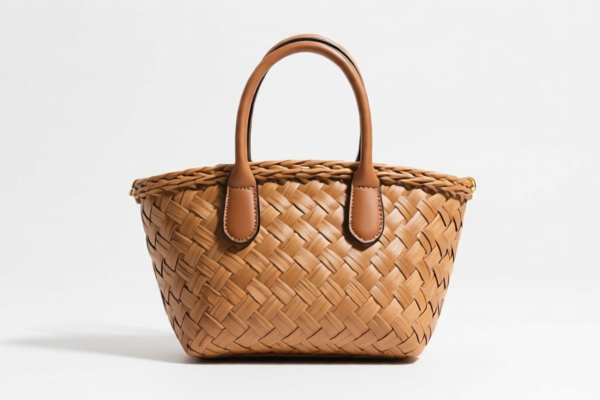
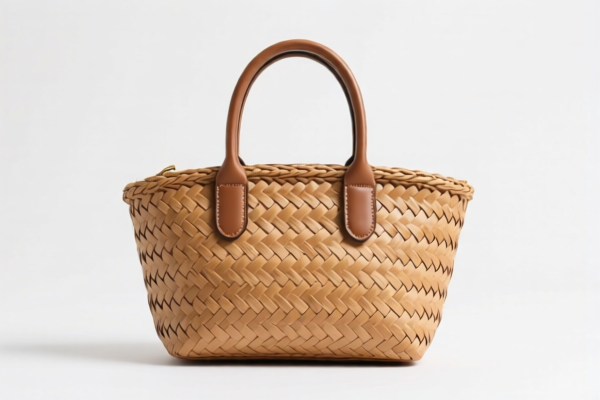
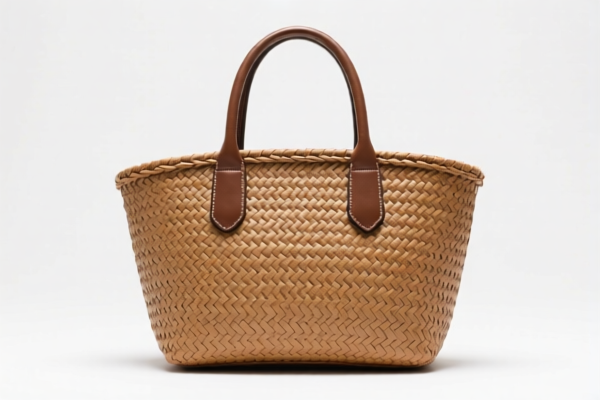
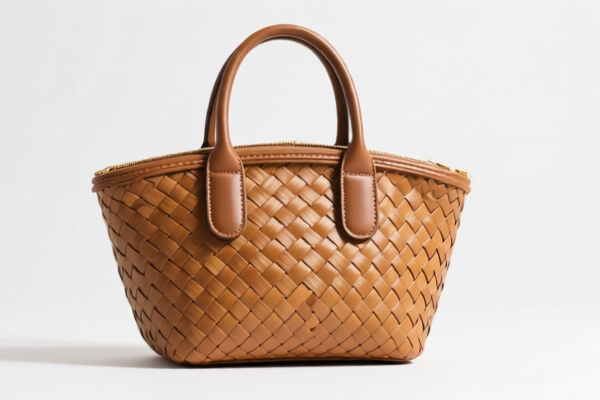
AI分析
👜 Woven Handbag (Waterproof) – HS Code Classification & US Customs Clearance Guide | 2026 Tax Analysis
🌐 HS Code Reference & Customs Clearance Guide | 2026 Latest Tariff Full Analysis | Professional Entry Strategy
📌 I. Product Definition & Classification: Do You Really Understand "Woven Handbags"?
Woven handbags are a classic accessory, blending craftsmanship with functionality. In international trade, they are categorized based on material composition and structure. The key distinction lies in whether the main exterior surface is made of textiles (e.g., synthetic fibers) or other materials (e.g., plastic, rattan, or natural plant fibers).
Key Distinction Points:
- If the bag is made of woven textile fibers (nylon, polyester, etc.) → Classified under Chapter 42 (Articles of Leather; Similar Articles).
- If the bag is made of plastic or similar materials (PVC, TPU woven sheets) → Classified under Chapter 39 (Plastics and Articles Thereof).
- If the bag is made of natural plant materials (rattan, wicker, bamboo) → Classified under Chapter 46 (Articles of Vegetable Plaiting Materials).
⚠️ Critical Note:
The term "Woven" does not automatically mean Chapter 46. Chapter 46 is strictly for vegetable plaiting materials (natural fibers). Woven synthetics (textiles) fall under Chapter 42. Woven plastics fall under Chapter 39. Misclassification here leads to massive tariff discrepancies.
📦 II. HS Code Classification Details (2026 Latest Tariff Authority Comparison)
Based on the provided data, here are the four most likely HS codes for a "Woven Handbag (Waterproof)" and their corresponding tax breakdowns.
| HS Code | Product Description & Logic | Total Tax Rate | Tax Breakdown Details |
|---|---|---|---|
| 4602.19.29.20 | Plant Fiber Woven Handbag Match: Shape is a handbag, material is woven. Fits classification explanation for material and use. Assumption: Made of rattan, bamboo, or similar natural plant fibers. |
40.3% | Base Tariff: 5.3% Section 301 (Add'l): 25.0% Section 122 (Add'l): 10% |
| 4202.22.89.30 | Textile Fiber Woven Handbag Match: Shape is a handbag. Woven craft usually made of textile fibers. Fits "Outer surface made of textile materials." Belongs to "Other" category. Assumption: Made of woven nylon, polyester, or cotton. |
52.6% | Base Tariff: 17.6% Section 301 (Add'l): 25.0% Section 122 (Add'l): 10% |
| 4202.22.40.20 | Textile Woven Handbag (Specific Subheading) Match: Shape is a handbag. Material fits woven/textile category. Fits classification explanation for shape and material characteristics. Assumption: Specific type of textile handbag. |
42.4% | Base Tariff: 7.4% Section 301 (Add'l): 25.0% Section 122 (Add'l): 10% |
| 3926.90.99.89 | Plastic/Polymer Woven Handbag Match: Product is fabric-made but material fits "Plastic or similar polymer materials." Shape belongs to "Other unenumerated articles." Assumption: Made of woven PVC, TPU, or synthetic plastic yarns. |
22.8% | Base Tariff: 5.3% Section 301 (Add'l): 7.5% Section 122 (Add'l): 10% |
| 4602.12.25.00 | Rattan/Plant Fiber Woven Handbag Match: Shape and woven product match completely. Based on common sense, inferred as plant fiber, consistent with rattan/natural material logic. Assumption: High-quality natural rattan weaving. |
53.0% | Base Tariff: 18.0% Section 301 (Add'l): 25.0% Section 122 (Add'l): 10% |
🔍 Key Takeaway:
- The lowest tax rate (22.8%) applies to Plastic/Polymer (HS 3926) bags.
- The highest tax rate (53.0%) applies to Rattan/Natural Plant (HS 4602) bags.
- Textile bags (HS 4202) vary between 42.4% and 52.6% depending on specific subheading details.
- All entries include US Section 301 tariffs (25%) and Section 122 tariffs (10%), significantly impacting total cost.
💰 III. 2026 Latest Tariff Rate Detailed Explanation (Including Additional Taxes & Policy Surcharges)
✅ Applicable Country: United States (US)
✅ Origin: China (CN)
✅ Effective Date: November 10, 2025 onwards (including subsequent imports)
🎯 1. 3926.90.99.89 – Plastic/Polymer Woven Handbag (Lowest Tax)
| Item | Content |
|---|---|
| Base Tariff | 5.3% (ad valorem) |
| USITC Additional Tax (Section 301) | +7.5% |
| IEEPA Additional Tax (Section 122) | +10% |
| Total Rate | 22.8% |
| Tax Calculation | CIF Value × 22.8% |
| De Minimis Exemption Eligible? | ❌ No (High risk of scrutiny) |
| Legal Basis Path | IEEPA:9903.01.25 → IEEPA:9903.01.24 → USITC:3926.90.99.89 → FOOTNOTE:9903.88.01 |
📌 Explanation:
- "USITC 7.5%": Lower than the standard 25% due to specific subheading rules or recent adjustments for certain plastic articles.
- "IEEPA 10%": Under the International Emergency Economic Powers Act, targeting Chinese products.
- Total 22.8%: This is the most cost-effective option if the bag is made of woven plastic/PVC/TPU.
🎯 2. 4202.22.89.30 – Textile Woven Handbag (Highest Tax among Textiles)
| Item | Content |
|---|---|
| Base Tariff | 17.6% |
| USITC Additional Tax (Section 301) | +25.0% |
| IEEPA Additional Tax (Section 122) | +10% |
| Total Rate | 52.6% |
| Tax Calculation | CIF Value × 52.6% |
| De Minimis Exemption Eligible? | ❌ No |
| Legal Basis Path | IEEPA:9903.01.25 → IEEPA:9903.01.24 → USITC:4202.22.89.30 → FOOTNOTE:9903.88.01 |
📌 Warning:
- "Base 17.6%": High base rate for textile bags.
- "USITC 25%": Standard Section 301 tariff.
- Total 52.6%: This is a heavy burden. If your bag is made of nylon or polyester weave, expect this rate.
🎯 3. 4202.22.40.20 – Textile Woven Handbag (Specific Subcategory)
| Item | Content |
|---|---|
| Base Tariff | 7.4% |
| USITC Additional Tax (Section 301) | +25.0% |
| IEEPA Additional Tax (Section 122) | +10% |
| Total Rate | 42.4% |
| Tax Calculation | CIF Value × 42.4% |
| De Minimis Exemption Eligible? | ❌ No |
| Legal Basis Path | IEEPA:9901.25 → IEEPA:9903.01.24 → USITC:4202.22.40.20 → FOOTNOTE:9903.88.01 |
📌 Note:
- Lower base rate (7.4%) than 4202.22.89.30 (17.6%).
- Total 42.4%: Still high, but 10.2% cheaper than the 52.6% category. Verify if your bag fits this specific subheading.
🎯 4. 4602.19.29.20 – Plant Fiber Woven Handbag (General)
| Item | Content |
|---|---|
| Base Tariff | 5.3% |
| USITC Additional Tax (Section 301) | +25.0% |
| IEEPA Additional Tax (Section 122) | +10% |
| Total Rate | 40.3% |
| Tax Calculation | CIF Value × 40.3% |
| De Minimis Exemption Eligible? | ❌ No |
| Legal Basis Path | IEEPA:9901.25 → IEEPA:9903.01.24 → USITC:4602.19.29.20 → FOOTNOTE:9903.88.01 |
📌 Note:
- Low base rate (5.3%) due to vegetable plaiting materials.
- Total 40.3%: Moderate burden. Only applies if made of natural plant fibers (rattan, reed, etc.).
🎯 5. 4602.12.25.00 – Rattan/Plant Fiber Woven Handbag (Specific)
| Item | Content |
|---|---|
| Base Tariff | 18.0% |
| USITC Additional Tax (Section 301) | +25.0% |
| IEEPA Additional Tax (Section 122) | +10% |
| Total Rate | 53.0% |
| Tax Calculation | CIF Value × 53.0% |
| De Minimis Exemption Eligible? | ❌ No |
| Legal Basis Path | IEEPA:9901.25 → IEEPA:9903.01.24 → USITC:4602.12.25.00 → FOOTNOTE:9903.88.01 |
📌 Warning:
- High base rate (18.0%) for specific rattan items.
- Total 53.0%: Highest among all options. Avoid if possible, or confirm material strictly matches this category.
🛠️ IV. Customs Clearance Practical Advice (Battle-Tested Pitfall Guide)
✅ 1. Required Document Checklist (No Omissions Allowed)
| Document | Mandatory? | Explanation |
|---|---|---|
| ✅ Product Specification Sheet | ✔️ | Must detail material (e.g., "100% Polyester Woven" vs. "Natural Rattan"), dimensions, waterproof coating type. |
| ✅ Material Certificate | ✔️ | Critical for distinguishing Chapter 39 (Plastic) vs. Chapter 42 (Textile) vs. Chapter 46 (Plant). |
| ✅ Product Photos (Labeled) | ✔️ | Clear shots of weaving texture, lining, hardware, and labels. |
| ✅ Commercial Invoice | ✔️ | Must state: "Woven Handbag, Waterproof Coating, Material: [Specific]" |
| ✅ Packing List | ✔️ | Include accessories (straps, dust bags) to avoid separation of goods issues. |
| ✅ Third-Party Test Report | ✔️ | If claiming "Waterproof," provide test reports (e.g., AATCC 127) to justify functionality. |
✅ 2. Declaration Tips (Key Mantra)
🔥 "Material First, Not Just 'Handbag'. Textile=Ch42, Plastic=Ch39, Plant=Ch46!"
| Scenario | Correct Declaration | Wrong Approach |
|---|---|---|
| Bag made of woven PVC/TPU | HS 3926.90.99.89 (22.8%) | Declare as "Textile Bag" → 52.6% |
| Bag made of woven Nylon/Polyester | HS 4202.22.40.20 or 89.30 (42-52%) | Declare as "Plastic Bag" → 22.8% (Audit Risk!) |
| Bag made of Rattan/Bamboo | HS 4602.19.29.20 (40.3%) | Declare as "Textile Bag" → Penalty |
| Bag with mixed materials | Declare primary material (exterior surface) | Vague description "Handbag" → Delays |
✅ 3. Special Case Handling
| Scenario | Handling Advice |
|---|---|
| Waterproof Claim | Provide test reports. If coating is polymer-based, it might lean toward Chapter 39. If coating is on textile, it remains Chapter 42. |
| OEM Custom Handbag | Provide client design + material specs. Avoid "General Handbag" description. |
| Mixed Shipment (Bags + Textiles) | Separate HS codes! Do not lump together. |
| De Minimis (Section 321) | ❌ Not Applicable. High tariffs and Section 122 taxes usually exclude these from de minimis exemption. |
🌍 V. Global Market Customs Comparison (2026 Latest)
| Country/Region | Recommended HS Code | Tariff (China Origin) | Certification | Notes |
|---|---|---|---|---|
| 🇺🇸 USA | 3926.90.99.89 (Plastic) |
22.8% (Lowest) | N/A | Highest tax burden for Textile/Plant. |
| 🇺🇸 USA | 4202.22.89.30 (Textile) |
52.6% (Highest) | N/A | Avoid if plastic alternative exists. |
| 🇪🇺 EU | 4202.22.00 (Textile) |
~12% | CE (if applicable) | No Section 301/122 tariffs. |
| 🇨🇳 China | 4202.22.00 |
~10% | N/A | No additional surcharges. |
| 🇬🇧 UK | 4202.22.00 |
~12% | N/A | Post-Brexit rules apply. |
📌 Conclusion:
- US Market is the most expensive due to Section 301 and 122 tariffs.
- Plastic/Polymer bags (Ch39) are the most tax-efficient in the US.
- Textile (Ch42) and Plant (Ch46) bags suffer high taxes (40-53%).
- Consider supply chain diversification (e.g., producing in Vietnam/Mexico) for Textile/Plant bags to avoid US tariffs.
📌 VI. Common Errors & Pitfall Guide (Blood & Tears Lessons)
❌ Error 1: Declaring a Nylon Woven Bag as Plastic (HS 3926)
👉 Consequence: Customs audit reveals textile nature → Back Taxes (52.6%) + Penalties!
❌ Error 2: Declaring a Rattan Bag as Textile (HS 4202)
👉 Consequence: Misclassification → Delay + 53.0% Tax instead of 40.3%.
❌ Error 3: Vague Description "Woven Handbag"
👉 Consequence: Customs assigns default highest rate or requests additional info → Delays.
❌ Error 4: Ignoring "Waterproof" Coating Material
👉 Consequence: If coating is significant, it may shift classification to Chapter 39. Mislabeling leads to Audit.
✅ Correct Declaration Example:
"Woven Handbag, Waterproof, Exterior Material: 100% Polyester Textile Woven, Lining: Nylon, Hardware: Metal. HS Code: 4202.22.40.20."
🎯 VII. Conclusion: Professional Declaration, Save Money, Save Time!
🎯 Remember the Mantra:
🔹 "Material Determines Chapter: Plastic=39, Textile=42, Plant=46"
🔹 "Tax Rate Varies: Plastic 22.8%, Textile 42-52%, Plant 40-53%"
🔹 "Section 301 & 122 Apply: Always Add 35-37.5%!"
📌 Pro Tip:
- If your bag is made of woven plastic/PVC, prioritize HS 3926.90.99.89 for the lowest tax (22.8%).
- If it’s textile, try to fit HS 4202.22.40.20 (42.4%) instead of 89.30 (52.6%).
- For rattan/natural, accept 40.3% or 53.0% based on specific weave type.
📣 Immediate Action:
📞 Contact Professional Customs Broker + Provide Material Spec + Apply for Advance Ruling
🚀 Ensure your woven handbag clears customs smoothly, minimizes tax, and maximizes profit!
✨ Professional Clearance Starts with Accurate Classification!
💼 Every Dollar of Cost Deserves Precise Calculation!
用户评价
关于 HS 编码归类
协调制度(HS)是由世界海关组织(WCO)制定的国际贸易商品分类标准。全球 200 多个国家采用 HS 系统作为海关关税、贸易统计和进出口监管的基础。
每个 HS 编码遵循以下层级结构:
- 章(2 位)——商品大类(例如:第 84 章:机器和机械设备)
- 品目(4 位)——章内的更具体分类
- 子目(6 位)——国际通用细分,所有 WCO 成员国统一使用
- 本国细分(8-10 位)——各国自行扩展的细分编码,如美国 HTSUS 10 位编码
正确的 HS 编码归类对于顺利通关、准确缴纳关税和遵守贸易法规至关重要。错误归类可能导致海关延误、多缴关税或罚款。
从CN进口到US时,适用的关税税率可能包括:
- 最惠国(MFN)税率——适用于 WTO 成员国的标准关税税率
- 普通税率——适用于无贸易协定国家
- 贸易救济关税——附加关税,如 301 条款(反倾销)、232 条款(国家安全)或反补贴税
本页内容仅供参考。如需正式归类,请咨询当地海关或持牌报关代理。