Woven Handbag (Waterproof)
CN → US| HS Code | Tariff Rate | Origin | Destination | Doc |
|---|---|---|---|---|
| 4202228930 | 52.6% | CN | US | Official Doc |
| 4602192920 | 40.3% | CN | US | Official Doc |
| 3926909989 | 22.8% | CN | US | Official Doc |
| 4202224020 | 42.4% | CN | US | Official Doc |
| 4602122500 | 53.0% | CN | US | Official Doc |
Product Images
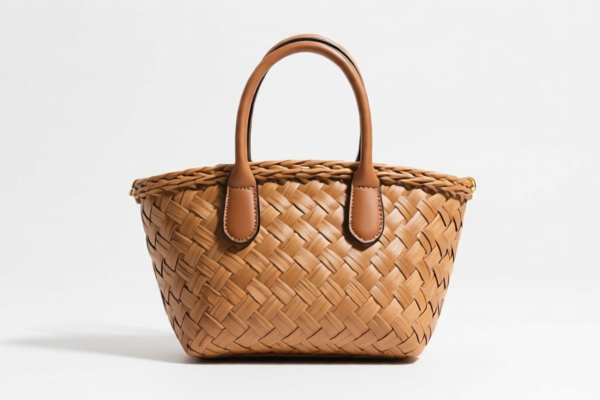
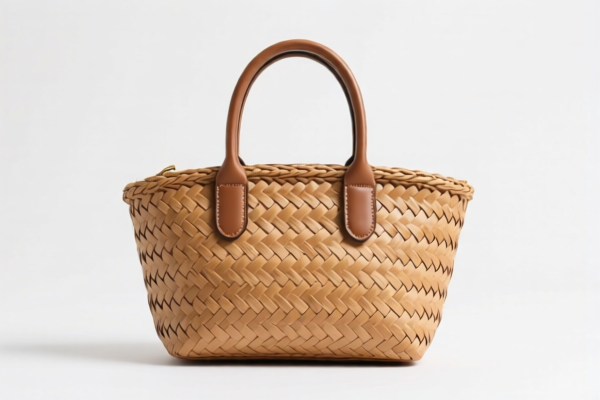
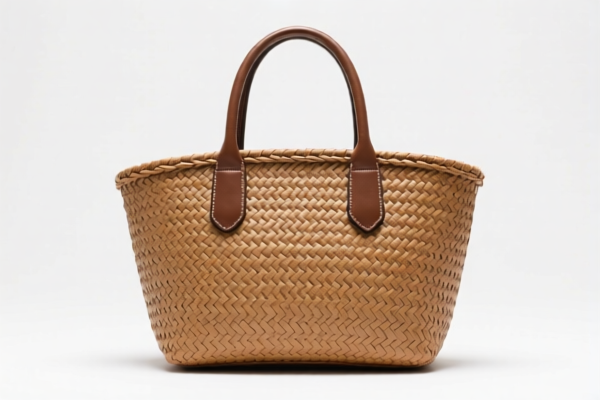
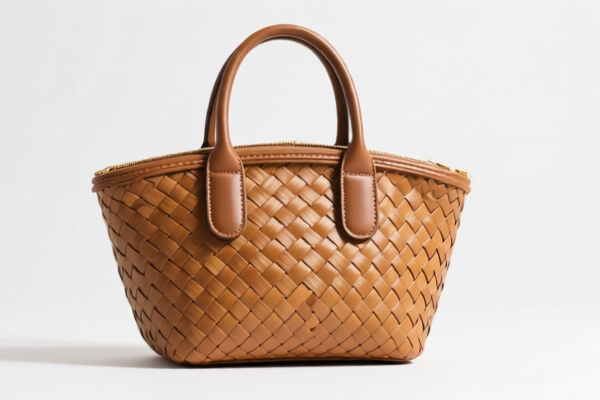
AI Analysis
👜 Woven Handbag (Waterproof) – HS Code Classification & US Customs Clearance Guide | 2026 Tax Analysis
🌐 HS Code Reference & Customs Clearance Guide | 2026 Latest Tariff Full Analysis | Professional Entry Strategy
📌 I. Product Definition & Classification: Do You Really Understand "Woven Handbags"?
Woven handbags are a classic accessory, blending craftsmanship with functionality. In international trade, they are categorized based on material composition and structure. The key distinction lies in whether the main exterior surface is made of textiles (e.g., synthetic fibers) or other materials (e.g., plastic, rattan, or natural plant fibers).
Key Distinction Points:
- If the bag is made of woven textile fibers (nylon, polyester, etc.) → Classified under Chapter 42 (Articles of Leather; Similar Articles).
- If the bag is made of plastic or similar materials (PVC, TPU woven sheets) → Classified under Chapter 39 (Plastics and Articles Thereof).
- If the bag is made of natural plant materials (rattan, wicker, bamboo) → Classified under Chapter 46 (Articles of Vegetable Plaiting Materials).
⚠️ Critical Note:
The term "Woven" does not automatically mean Chapter 46. Chapter 46 is strictly for vegetable plaiting materials (natural fibers). Woven synthetics (textiles) fall under Chapter 42. Woven plastics fall under Chapter 39. Misclassification here leads to massive tariff discrepancies.
📦 II. HS Code Classification Details (2026 Latest Tariff Authority Comparison)
Based on the provided data, here are the four most likely HS codes for a "Woven Handbag (Waterproof)" and their corresponding tax breakdowns.
| HS Code | Product Description & Logic | Total Tax Rate | Tax Breakdown Details |
|---|---|---|---|
| 4602.19.29.20 | Plant Fiber Woven Handbag Match: Shape is a handbag, material is woven. Fits classification explanation for material and use. Assumption: Made of rattan, bamboo, or similar natural plant fibers. |
40.3% | Base Tariff: 5.3% Section 301 (Add'l): 25.0% Section 122 (Add'l): 10% |
| 4202.22.89.30 | Textile Fiber Woven Handbag Match: Shape is a handbag. Woven craft usually made of textile fibers. Fits "Outer surface made of textile materials." Belongs to "Other" category. Assumption: Made of woven nylon, polyester, or cotton. |
52.6% | Base Tariff: 17.6% Section 301 (Add'l): 25.0% Section 122 (Add'l): 10% |
| 4202.22.40.20 | Textile Woven Handbag (Specific Subheading) Match: Shape is a handbag. Material fits woven/textile category. Fits classification explanation for shape and material characteristics. Assumption: Specific type of textile handbag. |
42.4% | Base Tariff: 7.4% Section 301 (Add'l): 25.0% Section 122 (Add'l): 10% |
| 3926.90.99.89 | Plastic/Polymer Woven Handbag Match: Product is fabric-made but material fits "Plastic or similar polymer materials." Shape belongs to "Other unenumerated articles." Assumption: Made of woven PVC, TPU, or synthetic plastic yarns. |
22.8% | Base Tariff: 5.3% Section 301 (Add'l): 7.5% Section 122 (Add'l): 10% |
| 4602.12.25.00 | Rattan/Plant Fiber Woven Handbag Match: Shape and woven product match completely. Based on common sense, inferred as plant fiber, consistent with rattan/natural material logic. Assumption: High-quality natural rattan weaving. |
53.0% | Base Tariff: 18.0% Section 301 (Add'l): 25.0% Section 122 (Add'l): 10% |
🔍 Key Takeaway:
- The lowest tax rate (22.8%) applies to Plastic/Polymer (HS 3926) bags.
- The highest tax rate (53.0%) applies to Rattan/Natural Plant (HS 4602) bags.
- Textile bags (HS 4202) vary between 42.4% and 52.6% depending on specific subheading details.
- All entries include US Section 301 tariffs (25%) and Section 122 tariffs (10%), significantly impacting total cost.
💰 III. 2026 Latest Tariff Rate Detailed Explanation (Including Additional Taxes & Policy Surcharges)
✅ Applicable Country: United States (US)
✅ Origin: China (CN)
✅ Effective Date: November 10, 2025 onwards (including subsequent imports)
🎯 1. 3926.90.99.89 – Plastic/Polymer Woven Handbag (Lowest Tax)
| Item | Content |
|---|---|
| Base Tariff | 5.3% (ad valorem) |
| USITC Additional Tax (Section 301) | +7.5% |
| IEEPA Additional Tax (Section 122) | +10% |
| Total Rate | 22.8% |
| Tax Calculation | CIF Value × 22.8% |
| De Minimis Exemption Eligible? | ❌ No (High risk of scrutiny) |
| Legal Basis Path | IEEPA:9903.01.25 → IEEPA:9903.01.24 → USITC:3926.90.99.89 → FOOTNOTE:9903.88.01 |
📌 Explanation:
- "USITC 7.5%": Lower than the standard 25% due to specific subheading rules or recent adjustments for certain plastic articles.
- "IEEPA 10%": Under the International Emergency Economic Powers Act, targeting Chinese products.
- Total 22.8%: This is the most cost-effective option if the bag is made of woven plastic/PVC/TPU.
🎯 2. 4202.22.89.30 – Textile Woven Handbag (Highest Tax among Textiles)
| Item | Content |
|---|---|
| Base Tariff | 17.6% |
| USITC Additional Tax (Section 301) | +25.0% |
| IEEPA Additional Tax (Section 122) | +10% |
| Total Rate | 52.6% |
| Tax Calculation | CIF Value × 52.6% |
| De Minimis Exemption Eligible? | ❌ No |
| Legal Basis Path | IEEPA:9903.01.25 → IEEPA:9903.01.24 → USITC:4202.22.89.30 → FOOTNOTE:9903.88.01 |
📌 Warning:
- "Base 17.6%": High base rate for textile bags.
- "USITC 25%": Standard Section 301 tariff.
- Total 52.6%: This is a heavy burden. If your bag is made of nylon or polyester weave, expect this rate.
🎯 3. 4202.22.40.20 – Textile Woven Handbag (Specific Subcategory)
| Item | Content |
|---|---|
| Base Tariff | 7.4% |
| USITC Additional Tax (Section 301) | +25.0% |
| IEEPA Additional Tax (Section 122) | +10% |
| Total Rate | 42.4% |
| Tax Calculation | CIF Value × 42.4% |
| De Minimis Exemption Eligible? | ❌ No |
| Legal Basis Path | IEEPA:9901.25 → IEEPA:9903.01.24 → USITC:4202.22.40.20 → FOOTNOTE:9903.88.01 |
📌 Note:
- Lower base rate (7.4%) than 4202.22.89.30 (17.6%).
- Total 42.4%: Still high, but 10.2% cheaper than the 52.6% category. Verify if your bag fits this specific subheading.
🎯 4. 4602.19.29.20 – Plant Fiber Woven Handbag (General)
| Item | Content |
|---|---|
| Base Tariff | 5.3% |
| USITC Additional Tax (Section 301) | +25.0% |
| IEEPA Additional Tax (Section 122) | +10% |
| Total Rate | 40.3% |
| Tax Calculation | CIF Value × 40.3% |
| De Minimis Exemption Eligible? | ❌ No |
| Legal Basis Path | IEEPA:9901.25 → IEEPA:9903.01.24 → USITC:4602.19.29.20 → FOOTNOTE:9903.88.01 |
📌 Note:
- Low base rate (5.3%) due to vegetable plaiting materials.
- Total 40.3%: Moderate burden. Only applies if made of natural plant fibers (rattan, reed, etc.).
🎯 5. 4602.12.25.00 – Rattan/Plant Fiber Woven Handbag (Specific)
| Item | Content |
|---|---|
| Base Tariff | 18.0% |
| USITC Additional Tax (Section 301) | +25.0% |
| IEEPA Additional Tax (Section 122) | +10% |
| Total Rate | 53.0% |
| Tax Calculation | CIF Value × 53.0% |
| De Minimis Exemption Eligible? | ❌ No |
| Legal Basis Path | IEEPA:9901.25 → IEEPA:9903.01.24 → USITC:4602.12.25.00 → FOOTNOTE:9903.88.01 |
📌 Warning:
- High base rate (18.0%) for specific rattan items.
- Total 53.0%: Highest among all options. Avoid if possible, or confirm material strictly matches this category.
🛠️ IV. Customs Clearance Practical Advice (Battle-Tested Pitfall Guide)
✅ 1. Required Document Checklist (No Omissions Allowed)
| Document | Mandatory? | Explanation |
|---|---|---|
| ✅ Product Specification Sheet | ✔️ | Must detail material (e.g., "100% Polyester Woven" vs. "Natural Rattan"), dimensions, waterproof coating type. |
| ✅ Material Certificate | ✔️ | Critical for distinguishing Chapter 39 (Plastic) vs. Chapter 42 (Textile) vs. Chapter 46 (Plant). |
| ✅ Product Photos (Labeled) | ✔️ | Clear shots of weaving texture, lining, hardware, and labels. |
| ✅ Commercial Invoice | ✔️ | Must state: "Woven Handbag, Waterproof Coating, Material: [Specific]" |
| ✅ Packing List | ✔️ | Include accessories (straps, dust bags) to avoid separation of goods issues. |
| ✅ Third-Party Test Report | ✔️ | If claiming "Waterproof," provide test reports (e.g., AATCC 127) to justify functionality. |
✅ 2. Declaration Tips (Key Mantra)
🔥 "Material First, Not Just 'Handbag'. Textile=Ch42, Plastic=Ch39, Plant=Ch46!"
| Scenario | Correct Declaration | Wrong Approach |
|---|---|---|
| Bag made of woven PVC/TPU | HS 3926.90.99.89 (22.8%) | Declare as "Textile Bag" → 52.6% |
| Bag made of woven Nylon/Polyester | HS 4202.22.40.20 or 89.30 (42-52%) | Declare as "Plastic Bag" → 22.8% (Audit Risk!) |
| Bag made of Rattan/Bamboo | HS 4602.19.29.20 (40.3%) | Declare as "Textile Bag" → Penalty |
| Bag with mixed materials | Declare primary material (exterior surface) | Vague description "Handbag" → Delays |
✅ 3. Special Case Handling
| Scenario | Handling Advice |
|---|---|
| Waterproof Claim | Provide test reports. If coating is polymer-based, it might lean toward Chapter 39. If coating is on textile, it remains Chapter 42. |
| OEM Custom Handbag | Provide client design + material specs. Avoid "General Handbag" description. |
| Mixed Shipment (Bags + Textiles) | Separate HS codes! Do not lump together. |
| De Minimis (Section 321) | ❌ Not Applicable. High tariffs and Section 122 taxes usually exclude these from de minimis exemption. |
🌍 V. Global Market Customs Comparison (2026 Latest)
| Country/Region | Recommended HS Code | Tariff (China Origin) | Certification | Notes |
|---|---|---|---|---|
| 🇺🇸 USA | 3926.90.99.89 (Plastic) |
22.8% (Lowest) | N/A | Highest tax burden for Textile/Plant. |
| 🇺🇸 USA | 4202.22.89.30 (Textile) |
52.6% (Highest) | N/A | Avoid if plastic alternative exists. |
| 🇪🇺 EU | 4202.22.00 (Textile) |
~12% | CE (if applicable) | No Section 301/122 tariffs. |
| 🇨🇳 China | 4202.22.00 |
~10% | N/A | No additional surcharges. |
| 🇬🇧 UK | 4202.22.00 |
~12% | N/A | Post-Brexit rules apply. |
📌 Conclusion:
- US Market is the most expensive due to Section 301 and 122 tariffs.
- Plastic/Polymer bags (Ch39) are the most tax-efficient in the US.
- Textile (Ch42) and Plant (Ch46) bags suffer high taxes (40-53%).
- Consider supply chain diversification (e.g., producing in Vietnam/Mexico) for Textile/Plant bags to avoid US tariffs.
📌 VI. Common Errors & Pitfall Guide (Blood & Tears Lessons)
❌ Error 1: Declaring a Nylon Woven Bag as Plastic (HS 3926)
👉 Consequence: Customs audit reveals textile nature → Back Taxes (52.6%) + Penalties!
❌ Error 2: Declaring a Rattan Bag as Textile (HS 4202)
👉 Consequence: Misclassification → Delay + 53.0% Tax instead of 40.3%.
❌ Error 3: Vague Description "Woven Handbag"
👉 Consequence: Customs assigns default highest rate or requests additional info → Delays.
❌ Error 4: Ignoring "Waterproof" Coating Material
👉 Consequence: If coating is significant, it may shift classification to Chapter 39. Mislabeling leads to Audit.
✅ Correct Declaration Example:
"Woven Handbag, Waterproof, Exterior Material: 100% Polyester Textile Woven, Lining: Nylon, Hardware: Metal. HS Code: 4202.22.40.20."
🎯 VII. Conclusion: Professional Declaration, Save Money, Save Time!
🎯 Remember the Mantra:
🔹 "Material Determines Chapter: Plastic=39, Textile=42, Plant=46"
🔹 "Tax Rate Varies: Plastic 22.8%, Textile 42-52%, Plant 40-53%"
🔹 "Section 301 & 122 Apply: Always Add 35-37.5%!"
📌 Pro Tip:
- If your bag is made of woven plastic/PVC, prioritize HS 3926.90.99.89 for the lowest tax (22.8%).
- If it’s textile, try to fit HS 4202.22.40.20 (42.4%) instead of 89.30 (52.6%).
- For rattan/natural, accept 40.3% or 53.0% based on specific weave type.
📣 Immediate Action:
📞 Contact Professional Customs Broker + Provide Material Spec + Apply for Advance Ruling
🚀 Ensure your woven handbag clears customs smoothly, minimizes tax, and maximizes profit!
✨ Professional Clearance Starts with Accurate Classification!
💼 Every Dollar of Cost Deserves Precise Calculation!
Customer Reviews
About HS Code Classification
The Harmonized System (HS) is an internationally standardized nomenclature developed by the World Customs Organization (WCO) to classify traded products. Over 200 countries use the HS system as the basis for customs tariffs, trade statistics, and import/export regulations.
Each HS code follows a hierarchical structure:
- Chapter (2 digits) — Broad category of goods (e.g., Chapter 84: Machinery and Mechanical Appliances)
- Heading (4 digits) — More specific grouping within the chapter
- Subheading (6 digits) — Internationally standardized breakdown, used by all WCO member countries
- National subdivisions (8-10 digits) — Country-specific extensions for further classification, such as US HTSUS 10-digit codes
Correct HS code classification is essential for smooth customs clearance, accurate duty payment, and compliance with trade regulations. Misclassification can lead to customs delays, overpayment of duties, or penalties.
When importing from CN to US, the applicable tariff rates may include:
- Most-Favored-Nation (MFN) rate — The standard duty rate applied to WTO members
- General rate — Applied to countries without trade agreements
- Trade remedy duties — Additional tariffs such as Section 301 (anti-dumping), Section 232 (national security), or countervailing duties
The information provided on this page is for reference purposes only. For official classification, please consult with your local customs authority or a licensed customs broker.