3 chainsaw chains
CN → US| HS Code | Tariff Rate | Origin | Destination | Doc |
|---|---|---|---|---|
| 8207903085 | 40.0% | CN | US | Official Doc |
| 8207907585 | 38.7% | CN | US | Official Doc |
Product Images
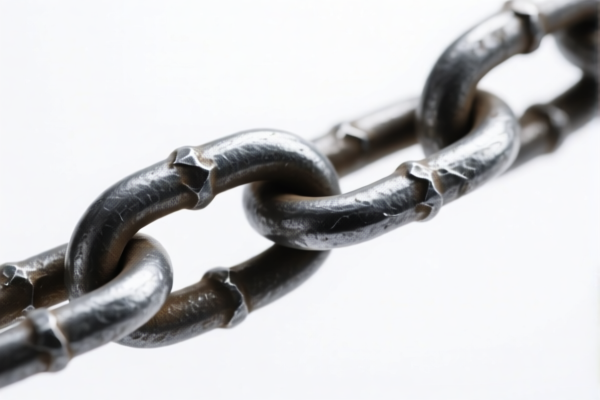
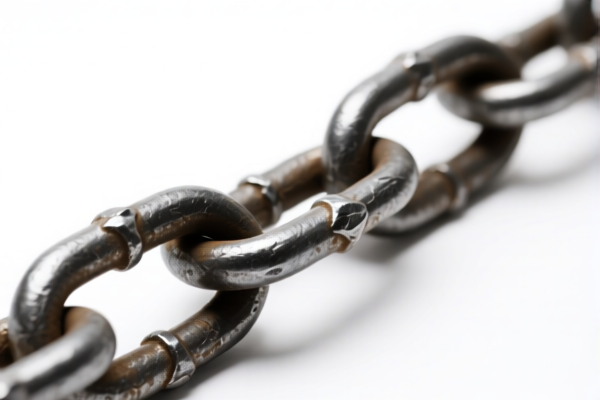
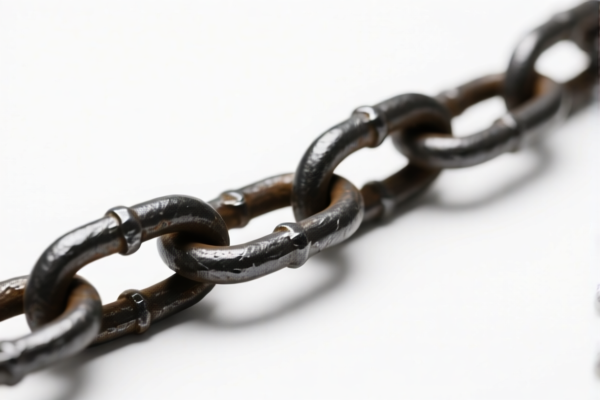
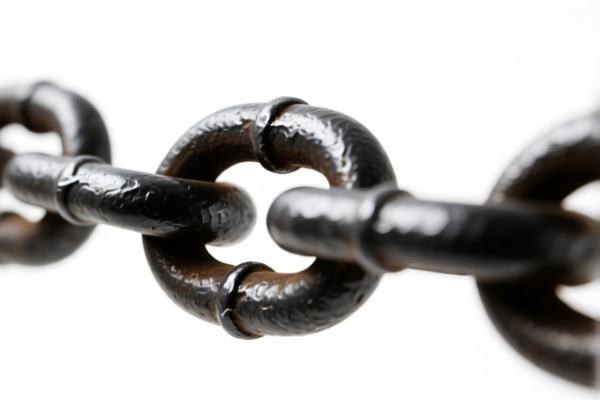
AI Analysis
🪚 Chainsaw Chains: The "Teeth" of the Power Tool
🌐 HS Code Reference & Customs Clearance Guide | 2026 Latest Tariff Analysis | Professional Entry Strategy
📌 I. Product Definition & Classification: Do You Really Know "Chainsaw Chains"?
Chainsaw chains are not standalone machines; they are interchangeable cutting tools designed for hand-held or power-operated chainsaws. In international trade, they fall under Chapter 82 (Tools for Working in the Hand or for Machine-Tools). However, not all chainsaw chains are created equal in the eyes of customs.
Key Distinction 1: Material Composition
- High-Alloy Steel Chains: Chains where the cutting part contains >0.2% Chromium, Molybdenum, or Tungsten (by weight), or >0.1% Vanadium. These are classified as high-performance cutting tools.
- Standard Carbon Steel Chains: Chains that do not meet the above alloy thresholds. These are often classified as "Other" interchangeable tools.
Key Distinction 2: Functionality
- Metal-Cutting Chains: Rare, specialized chains for cutting metal (e.g., stainless steel). These are subject to different tariff treatments.
- Wood-Cutting Chains: The vast majority of chainsaw chains. Even though they cut wood, if they meet the alloy criteria, they are classified under the "Cutting Tools" heading rather than "General Tools."
⚠️ Critical Classification Point:
- If the chain’s cutting teeth contain over 0.2% Cr/Mo/W or over 0.1% V → Go to 8207.90.30.85
- If the chain is not suitable for cutting metal and does not meet the high-alloy threshold → Go to 8207.90.75.85
📦 II. HS Code Classification Details (2026 Latest Tariff Authority Match)
Based on your input: "3 chainsaw chains"
| HS Code | Product Description | Applicable Scenario | Alloy Content Requirement |
|---|---|---|---|
8207.90.30.85 |
Cutting tools with cutting part containing by weight over 0.2% of chromium, molybdenum, or tungsten or over 0.1% of vanadium | High-performance professional chainsaw chains (e.g., Stihl, Husqvarna premium series with carbide-tipped or high-alloy teeth) | ✅ Yes (High-Alloy) |
8207.90.75.85 |
Other interchangeable tools, and parts thereof: Other: Not suitable for cutting metal, and parts thereof: Other Other | Standard consumer-grade chainsaw chains (typically carbon steel) that do not meet the high-alloy threshold | ❌ No (Standard Alloy) |
🔍 Important Note:
- 8207.90.30.85 is for high-alloy cutting tools. Even if it’s a wood chain, if the steel is high-grade, this code applies.
- 8207.75.85 is a catch-all for "Other" tools. If your chain is basic carbon steel, use this.
- Do NOT classify as a whole machine (e.g., 8209 or 84.67) because chainsaws are separate from their chains.
💰 III. 2026 Latest Tariff Rate Details (Including Additional Taxes)
✅ Applicable Country: United States (US)
✅ Country of Origin: China (CN)
✅ Effective Date: 2025 November 10 onwards (for subsequent imports)
🎯 1. HS Code 8207.90.30.85 — High-Alloy Cutting Tools
| Item | Details |
|---|---|
| Base Tariff Rate | 5.0% |
| Section 301 Additional Tariff | +25.0% |
| Total Tariff Rate | 30.0% |
| Calculation Method | CIF Value × 30% |
| De Minimis Exemption Eligible? | ❌ NO (denied for Section 301 goods) |
| Legal Basis Path | HTSUS:8207.90.30.85 → USITC:Section301 → FOOTNOTE:301 |
📌 Explanation:
- Chainsaw chains made in China are subject to Section 301 tariffs due to their classification as "tools" under Chapter 82.
- The 30% total tax is significant. Importers must budget accordingly.
- No de minimis exemption applies (i.e., even small shipments like 3 chains are taxed at 30%).
🎯 2. HS Code 8207.90.75.85 — Other Interchangeable Tools (Non-Metal Cutting)
| Item | Details |
|---|---|
| Base Tariff Rate | 3.7% |
| Section 301 Additional Tariff | +25.0% |
| Total Tariff Rate | 28.7% |
| Calculation Method | CIF Value × 28.7% |
| De Minimis Exemption Eligible? | ❌ NO |
| Legal Basis Path | HTSUS:8207.90.75.85 → USITC:Section301 → FOOTNOTE:301 |
📌 Explanation:
- Slightly lower base rate (3.7% vs 5.0%) but still subject to the same 25% Section 301 tariff.
- Total effective rate: 28.7%.
- This code is often used for standard, non-professional grade chains.
🛠️ IV. Customs Clearance Practical Advice (Pitfall Avoidance Guide)
✅ 1. Required Documentation Checklist (Non-Negotiable)
| Document | Must Provide? | Description |
|---|---|---|
| ✅ Product Specification Sheet | ✔️ | Must include material composition (steel type), pitch, gauge, number of links, and cutting tooth type. |
| ✅ Material Declaration | ✔️ | Explicitly state % of Chromium, Molybdenum, Tungsten, or Vanadium to determine correct HS Code. |
| ✅ Commercial Invoice | ✔️ | Must clearly state "Chainsaw Chains" and HS Code. Do not use vague terms like "Saw Parts." |
| ✅ Packing List | ✔️ | Specify quantity (e.g., "3 pcs") and weight. |
| ✅ Brand Authorization (if applicable) | ✔️ | If branded (e.g., Stihl), provide proof of authorization to avoid IP issues. |
✅ 2. Declaration Tips (Key Mantra)
🔥 “Alloy Level Determines HS Code, 301 Tariff Applies to All!”
| Scenario | Correct HS Code | Wrong Code | Consequence of Error |
|---|---|---|---|
| High-Alloy Chain (>0.2% Cr/Mo/W) | 8207.90.30.85 |
8207.90.75.85 |
Underpayment of 1.3% → Penalty + Back Taxes |
| Standard Chain | 8207.90.75.85 |
8207.90.30.85 |
Overpayment (minor) or Inspection Delay |
| Chain + Saw Kit | 8207.90.xx for chain, 84.67 for saw |
Single HS Code | Classification Error → Rejection |
⚠️ Critical Warning:
- Do not classify chainsaw chains under 8209 (Tiles/Blocks) or 84.67 (Hand Tools). They are interchangeable cutting tools under 8207.
- Do not assume "3 chains" are exempt from tariffs. Section 301 applies regardless of quantity.
✅ 3. Special Cases
| Case | Handling Advice |
|---|---|
| Carbide-Tipped Chains | If the tips contain tungsten carbide, ensure the base steel meets the alloy threshold for 8207.90.30.85. If not, use 8207.90.75.85. |
| OEM/White Label | Provide design drawings or tech specs to prove alloy content if requested by CBP. |
| Small Quantity (De Minimis) | ❌ Not Eligible. Section 301 tariffs apply to all shipments, no matter how small. |
🌍 V. Global Market Comparison (2026 Latest)
| Country/Region | Recommended HS Code | Total Tariff (CN Origin) | Notes |
|---|---|---|---|
| 🇺🇸 USA | 8207.90.30.85 or 8207.90.75.85 |
28.7% – 30.0% | High tariff due to Section 301. |
| 🇨🇳 China | 8207.90.30 or 8207.90.75 |
~5-10% | Import duties into China are lower. |
| 🇪🇺 EU | 8207.90 |
~6.5% | No Section 301 equivalent, but standard MFN rate applies. |
| 🇨🇦 Canada | 8207.90 |
~6.5% | No Section 301 tariff. |
📌 Conclusion:
- USA is the most expensive market for Chinese-made chainsaw chains due to 30% total tax.
- Consider supply chain diversification (e.g., sourcing from Vietnam or EU) if targeting the US market heavily.
📌 VI. Common Mistakes & Pitfalls (Lessons Learned)
❌ Mistake 1: Classifying chainsaw chains under 84.67 (Hand Tools)
👉 Result: Incorrect classification. CBP will reclassify and charge the correct 30% rate + penalties.
❌ Mistake 2: Ignoring alloy content
👉 Result: Using 8207.90.75.85 for high-alloy chains → Underpayment of 1.3%. CBP may audit and demand back taxes.
❌ Mistake 3: Claiming de minimis exemption for small shipments
👉 Result: Denied. All Section 301 goods are taxed, even if value < $800.
✅ Correct Declaration Example:
"Chainsaw Chains, High-Alloy Steel, 18-inch, 3/8-inch Pitch, 3 Pieces, Model XYZ, Made in China. HS Code: 8207.90.30.85"
🎯 VII. Conclusion: Professional Clearance, Cost Optimization
🎯 Remember the Mantra:
🔹 "Alloy Level → HS Code, 301 → 30% Tax, No De Minimis!"
🔹 "Correct HS Code Saves 1.3% and Avoids Penalties!"
📌 Pro Tip:
If you are importing large volumes, consider applying for a Section 301 Exclusion (if applicable) or explore tariff engineering (e.g., importing parts separately if allowed, though unlikely for chains).
For small shipments (3 chains), the 30% tax is unavoidable. Plan your pricing accordingly!
📣 Immediate Action:
📞 Confirm the alloy composition of your chainsaw chains with your supplier.
📋 Choose the correct HS Code:
- High-Alloy →8207.90.30.85(30% Tax)
- Standard →8207.90.75.85(28.7% Tax)
🚀 Clear Customs Smoothly, Maximize Profit Margins!
✨ Professional Clearance Starts with Precise Classification!
💼 Every Cent Counts in International Trade!
Customer Reviews
About HS Code Classification
The Harmonized System (HS) is an internationally standardized nomenclature developed by the World Customs Organization (WCO) to classify traded products. Over 200 countries use the HS system as the basis for customs tariffs, trade statistics, and import/export regulations.
Each HS code follows a hierarchical structure:
- Chapter (2 digits) — Broad category of goods (e.g., Chapter 84: Machinery and Mechanical Appliances)
- Heading (4 digits) — More specific grouping within the chapter
- Subheading (6 digits) — Internationally standardized breakdown, used by all WCO member countries
- National subdivisions (8-10 digits) — Country-specific extensions for further classification, such as US HTSUS 10-digit codes
Correct HS code classification is essential for smooth customs clearance, accurate duty payment, and compliance with trade regulations. Misclassification can lead to customs delays, overpayment of duties, or penalties.
When importing from CN to US, the applicable tariff rates may include:
- Most-Favored-Nation (MFN) rate — The standard duty rate applied to WTO members
- General rate — Applied to countries without trade agreements
- Trade remedy duties — Additional tariffs such as Section 301 (anti-dumping), Section 232 (national security), or countervailing duties
The information provided on this page is for reference purposes only. For official classification, please consult with your local customs authority or a licensed customs broker.