4 Black Recliner Elastic Straps
CN → US| HS Code | Tariff Rate | Origin | Destination | Doc |
|---|---|---|---|---|
| 3926909905 | 22.8% | CN | US | Official Doc |
| 5604909000 | 40.0% | CN | US | Official Doc |
| 5604100000 | 41.3% | CN | US | Official Doc |
| 9403999040 | 85.0% | CN | US | Official Doc |
Product Images
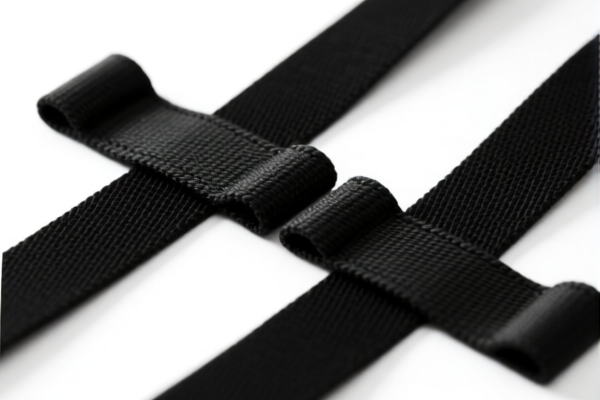
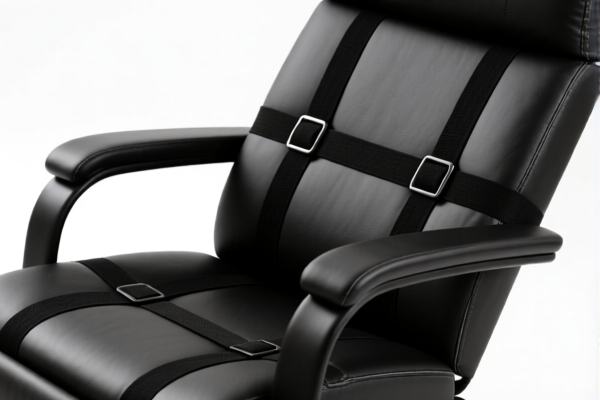
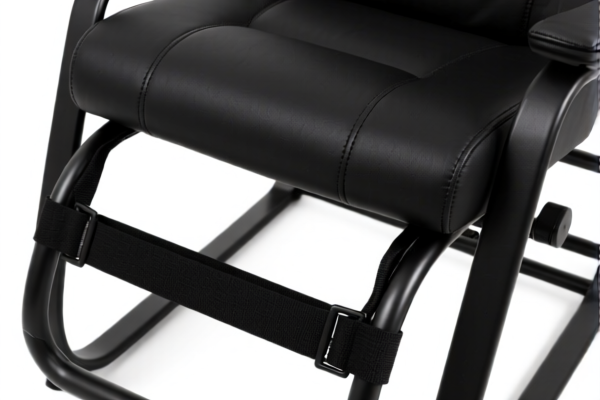
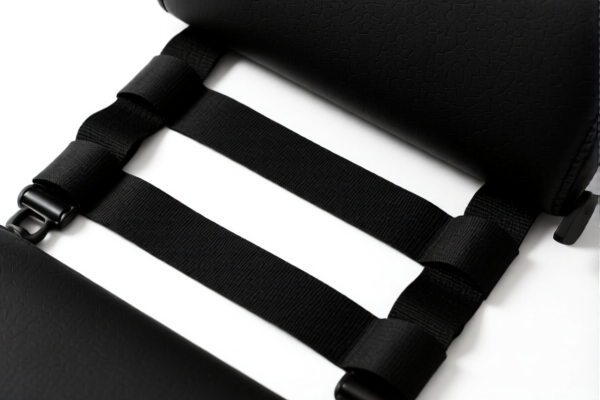
AI Analysis
🪑 Lounge Chair Elastic Straps (Black Recliner Elastic Straps)
🌐 HS Code Reference & Customs Clearance Guide | 2026 Latest Tariff Analysis | Professional Level Clearance Strategy
📌 I. Product Definition & Classification: Do You Really Understand "Elastic Straps"?
Elastic Straps (Black Recliner Elastic Straps) are flexible, tension-bearing components primarily used in the assembly or repair of furniture, specifically lounge chairs and recliners. In international trade, their classification depends heavily on the material composition (Plastic/Synthetic Fiber vs. Textile/Rubber-coated) and functional role (Raw Material vs. Furniture Part).
⚠️ Key Classification Distinction:
- If made of plastic/synthetic fibers and treated as general plastic articles → Falls under Chapter 39.
- If made of textile/rubber materials → Falls under Chapter 56.
- If classified as a part/accessory of furniture (regardless of material, if not more specifically classified elsewhere) → Falls under Chapter 94.
📦 II. HS Code Classification Details (2026 Latest Tariff Authority Comparison)
| HS Code | Product Description | Applicable Scenario | Material Logic | Total Tax Rate |
|---|---|---|---|---|
3926.90.99.05 |
Other articles of plastics and articles of other materials of headings 3901 to 3914 (Plastic/General) | Lounge chair straps made of plastic or synthetic fibers; generic plastic articles. | Consistent with "All Plastic" material attributes; no conflict. | 22.8% |
5604.90.90.00 |
Other textile threads and cordage, impregnated, coated, covered or sheathed with rubber or plastics, other than those of heading 5607. | Elastic straps where material matches "rubber-coated textile" or "impregnated textile yarns." | Material (elastic/textile) aligns with textile/rubber category; no material conflict. | 40.0% |
5604.10.00.00 |
Threads and cordage, coated with rubber, whether or not covered with textile. | Elastic straps made of textile covered with rubber; logic aligns with "textile-covered rubber threads/ropes." | Morphology (strap/rope-like) consistent with textile-covered rubber; no material conflict. | 41.3% |
9403.99.90.40 |
Parts of furniture of all kinds (Other Furniture Parts) | Straps explicitly identified as parts/accessories for Lounge Chairs. | Function (Furniture Part) aligns with "Other Furniture and Parts"; no material conflict. | 85.0% |
🔍 Key Reminder:
- Material Matters: The primary dispute is usually between Plastic (Ch. 39) and Textile/Rubber (Ch. 56). If the strap is woven fabric with a rubber core, Ch. 56 is more likely correct. If it is a molded plastic band, Ch. 39 is appropriate. - Functional Role: If declared strictly as a "Part of Chair," Ch. 94 applies, but beware of the highest tariff burden. Customs may reject this if the item is more specifically described in Ch. 39 or 56.
💰 III. 2026 Latest Tariff Rate Breakdown (Including Additional Duties & Policy Surcharges)
✅ Applicable Country: United States (US)
✅ Country of Origin: China (CN)
✅ Effective Date: From November 10, 2025 onwards (for subsequent imports)
🎯 1. 3926.90.99.05 —— Plastic/General Articles (Lowest Risk/Lowest Cost)
| Item | Content |
|---|---|
| Base Tariff | 5.3% (ad valorem) |
| Section 301 Surcharge (Add-on Tariff) | +7.5% |
| Section 122 Tariff | +10% (Specific provision for certain goods) |
| Total Tax Rate | 22.8% |
| Tax Calculation | CIF Value × 22.8% |
| De Minimis Eligibility | ❌ No (deny_de_minimis) |
| Legal Basis Path | Base: 3926.90.99.05 → Section 301: 7.5% → Sec 122: 10% |
📌 Explanation:
- This is the most favorable classification if the product can be substantiated as plastic/synthetic. - The "122 Tariff" is a specific additional duty often applied to certain Chinese imports. - Total 22.8% is significantly lower than other options, making this the preferred choice if material evidence supports it.
🎯 2. 5604.90.90.00 —— Textile/Rubber Articles (Medium Risk/Medium Cost)
| Item | Content |
|---|---|
| Base Tariff | 5.0% (ad valorem) |
| Section 301 Surcharge (Add-on Tariff) | +25.0% |
| Section 122 Tariff | +10% |
| Total Tax Rate | 40.0% |
| Tax Calculation | CIF Value × 40.0% |
| De Minimis Eligibility | ❌ No (deny_de_minimis) |
| Legal Basis Path | Base: 5604.90.90.00 → Section 301: 25% → Sec 122: 10% |
📌 Note:
- The 25% Section 301 surcharge is the key driver here. - Suitable if the product is clearly textile-based with rubber coating or impregnation. - Total 40% is moderate but nearly double the cost of the plastic classification.
🎯 3. 5604.10.00.00 —— Rubber-Coated Textile Threads/Ropes (Medium-High Risk)
| Item | Content |
|---|---|
| Base Tariff | 6.3% (ad valorem) |
| Section 301 Surcharge (Add-on Tariff) | +25.0% |
| Section 122 Tariff | +10% |
| Total Tax Rate | 41.3% |
| Tax Calculation | CIF Value × 41.3% |
| De Minimis Eligibility | ❌ No (deny_de_minimis) |
| Legal Basis Path | Base: 5604.10.00.00 → Section 301: 25% → Sec 122: 10% |
📌 Warning:
- Slightly higher than5604.90due to a higher base rate (6.3% vs 5.0%). - Applies if the product is strictly classified as "rubber-coated textile threads/ropes." - Total 41.3% is the most expensive among the textile/rubber options.
🎯 4. 9403.99.90.40 —— Furniture Parts (Highest Risk/Highest Cost)
| Item | Content |
|---|---|
| Base Tariff | 0.0% (ad valorem) |
| Section 301 Surcharge (Add-on Tariff) | +25.0% |
| Section 122 Tariff | +10% |
| Steel/Aluminum/Copper Surcharge | +50.0% (⚠️ Only if steel/aluminum/copper parts are involved) |
| Total Tax Rate | 85.0% (Standard) 135.0% (If metal components present) |
| Tax Calculation | CIF Value × 85.0% (or 135.0%) |
| De Minimis Eligibility | ❌ No (deny_de_minimis) |
| Legal Basis Path | Base: 9403.99.90.40 → Section 301: 25% → Sec 122: 10% + Metal Surcharge: 50% |
📌 Critical Alert:
- Extremely High Tariff: Even with a 0% base rate, the combination of Section 301 and Section 122 results in an 85% total duty. - Metal Component Risk: If any part of the strap assembly involves steel, aluminum, or copper, an additional 50% is added, bringing the total to 135%. - Usage Advice: Avoid this classification unless no other specific material-based classification (Ch 39/56) applies, as it is the most costly.
🛠️ IV. Customs Clearance Practical Advice (Battle-Tested Pitfall Avoidance Guide)
✅ 1. Preparation Checklist (All Documents Required)
| Document | Required | Explanation |
|---|---|---|
| ✅ Product Specifications | ✔️ | Must clearly state material (e.g., "Polyester woven with rubber core" vs. "Injection-molded plastic"). |
| ✅ Material Composition Report | ✔️ | Lab test report proving material content (e.g., % Polyester, % Rubber, % Plastic). Crucial for Ch 39 vs. Ch 56. |
| ✅ Product Photos (Clear) | ✔️ | Show the strap texture, cross-section, and any labels. |
| ✅ Commercial Invoice | ✔️ | Describe as "Elastic Straps for Furniture," NOT "Parts of Chair" if possible, to avoid Ch 94 high tariffs. |
| ✅ Packing List | ✔️ | Detail quantity, weight, and dimensions. |
| ✅ Origin Certificate | ✔️ | If applicable, to verify Country of Origin (China). |
✅ 2. Declaration Strategies (Key Mantras)
🔥 "Material Defines Code, Function Defines Risk!"
| Scenario | Correct Declaration | Wrong Practice |
|---|---|---|
| Plastic/Synthetic Straps | Use 3926.90.99.05 (22.8%) |
Declare as "Furniture Parts" → 85% |
| Textile/Rubber Straps | Use 5604.90.90.00 (40.0%) |
Declare as "Plastic" → Audit Risk |
| Straps with Metal Hardware | Use 5604... or 3926... |
Declare as 9403... with metal → 135% |
| Generic "Elastic Bands" | Specify Material in Description | Vague description → Customs Delay |
✅ 3. Special Case Handling
| Situation | Handling Advice |
|---|---|
| OEM Custom Straps | Provide design drawings showing material layers to support Ch 39 or Ch 56. |
| Mixed Material Components | If the strap has metal clips, declare the strap separately or use the higher-tariff component if inseparable. |
| Small Shipments (De Minimis) | ⚠️ Note: These HS Codes are NOT eligible for de minimis exemption (Section 321). All shipments are subject to duty. |
| Pre-Ruling Application | Strongly recommended to apply for an Advance Ruling from CBP if material classification is ambiguous. |
🌍 V. Global Market Comparison (2026 Latest)
| Country/Region | Recommended HS Code | Tariff (China Origin) | Certification | Notes |
|---|---|---|---|---|
| 🇺🇸 USA | 3926.90.99.05 |
22.8% | None specific | Lowest cost if plastic. Avoid Ch 94. |
| 🇺🇸 USA | 5604.90.90.00 |
40.0% | None specific | Moderate cost if textile. |
| 🇺🇸 USA | 9403.99.90.40 |
85.0% | None specific | Avoid. Extremely high. |
| 🇨🇳 China | Varies | ~5-10% | None | Lower duties, but export focus is US. |
| 🇪🇺 EU | Varies | 0-4.5% | CE/RoHS if applicable | No Section 301/122 equivalents. |
| 🇬🇧 UK | Varies | 0-5% | UKCA | Post-Brexit rules apply. |
📌 Conclusion:
- USA is the most challenging market due to Section 301 and Section 122 surcharges. - Material justification is critical. Prove it is plastic (Ch 39) to save ~17-62% compared to textile or furniture part classifications. - Never use "Furniture Part" (Ch 94) unless necessary, as the 85%+ tariff destroys profitability.
📌 VI. Common Mistakes & Pitfall Guide (Lessons Learned)
❌ Mistake 1: Declaring plastic straps as "Furniture Parts" (9403...)
👉 Consequence: Tax jumps from 22.8% to 85%. Profit margin evaporates.
❌ Mistake 2: Ignoring Section 122 Tariff (+10%)
👉 Consequence: Under-declaring taxes. Customs audits will reveal missed 10% surcharge + penalties.
❌ Mistake 3: Claiming "De Minimis" Exemption for these items
👉 Consequence: All these HS Codes are excluded from Section 321 de minimis. Shipment will be held, duties assessed, and storage fees incurred.
❌ Mistake 4: Vague Description "Elastic Band"
👉 Consequence: Customs assigns a random high-tariff code. Always specify "Elastic Strap for Lounge Chair, Material: XXXX."
✅ Correct Approach:
"Elastic Straps for Lounge Chairs, Made of Polyester/Rubber, Black, 4-Pack, Model XYZ. HS Code: 3926.90.99.05."
🎯 VII. Conclusion: Precise Classification Saves Money!
🎯 Remember the Mantra:
🔹 "Plastic is Cheap (22.8%), Textile is Medium (40%), Furniture Parts are Expensive (85%)."
🔹 "Material Defines Code, Section 122 Adds 10%, De Minimis is a Trap."
🔹 "HS Code is Life or Death, Tax Difference is Huge, Declaration Mistake Costs Thousands."
📌 Pro Tip:
If your supplier can provide a Material Test Report proving the straps are primarily plastic or synthetic fiber, strictly use 3926.90.99.05. This saves you $62 per $100 compared to the furniture part classification.
🚀 Immediate Action:
1. Contact Supplier: Request material composition details.
2. Apply for Pre-Ruling: If uncertain, submit to CBP for an Advance Ruling.
3. Declare Accurately: Use the correct HS Code and detailed description.
✨ Professional Clearance Starts with Accurate Classification!
💼 Every Penny Saved in Duties is Pure Profit!
Customer Reviews
About HS Code Classification
The Harmonized System (HS) is an internationally standardized nomenclature developed by the World Customs Organization (WCO) to classify traded products. Over 200 countries use the HS system as the basis for customs tariffs, trade statistics, and import/export regulations.
Each HS code follows a hierarchical structure:
- Chapter (2 digits) — Broad category of goods (e.g., Chapter 84: Machinery and Mechanical Appliances)
- Heading (4 digits) — More specific grouping within the chapter
- Subheading (6 digits) — Internationally standardized breakdown, used by all WCO member countries
- National subdivisions (8-10 digits) — Country-specific extensions for further classification, such as US HTSUS 10-digit codes
Correct HS code classification is essential for smooth customs clearance, accurate duty payment, and compliance with trade regulations. Misclassification can lead to customs delays, overpayment of duties, or penalties.
When importing from CN to US, the applicable tariff rates may include:
- Most-Favored-Nation (MFN) rate — The standard duty rate applied to WTO members
- General rate — Applied to countries without trade agreements
- Trade remedy duties — Additional tariffs such as Section 301 (anti-dumping), Section 232 (national security), or countervailing duties
The information provided on this page is for reference purposes only. For official classification, please consult with your local customs authority or a licensed customs broker.