Aircraft Rubber Inflatable Tire
CN → US| HS Code | Tariff Rate | Origin | Destination | Doc |
|---|---|---|---|---|
| 4013905050 | 38.7% | CN | US | Official Doc |
| 4013901000 | 35.0% | CN | US | Official Doc |
| 4011300010 | 35.0% | CN | US | Official Doc |
| 4011300050 | 35.0% | CN | US | Official Doc |
| 4012201010 | 35.0% | CN | US | Official Doc |
| 4012201050 | 35.0% | CN | US | Official Doc |
Product Images
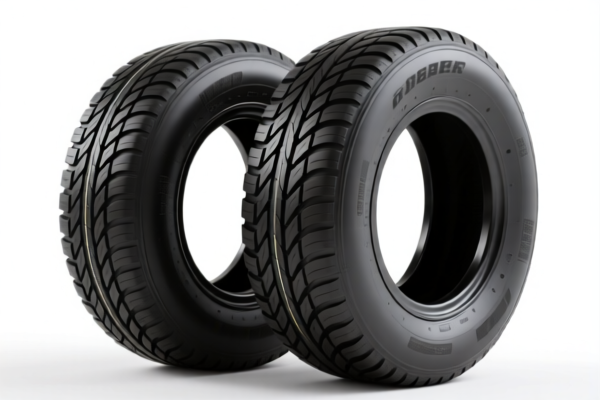
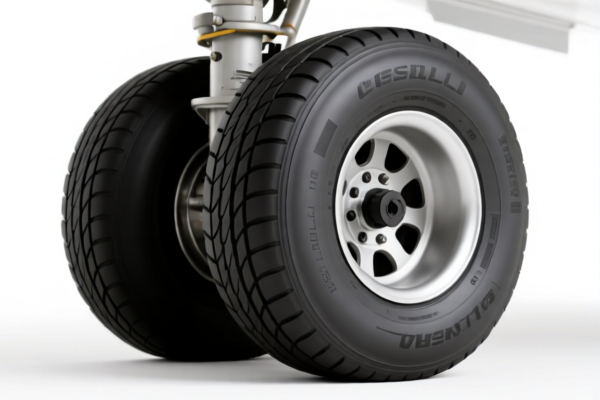
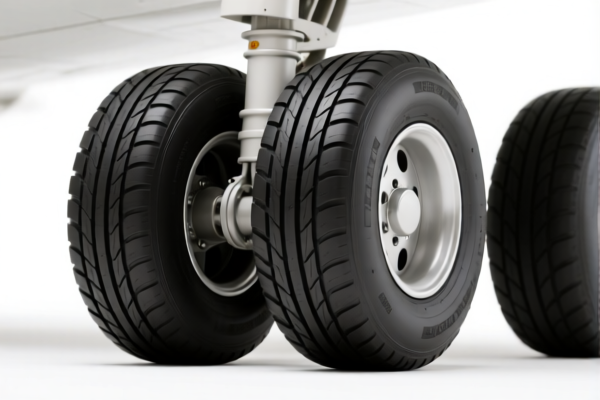
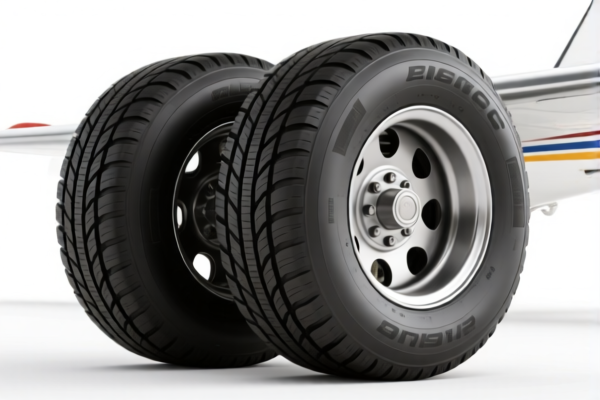
AI Analysis
🛩️ Aircraft Rubber Inflatable Tire (Emergency/Spare Tires)
🌐 HS Code Reference & Customs Clearance Guide | 2026 Latest Tariff Analysis | Professional Clearance Strategy
📌 I. Product Definition & Classification: What Exactly is an "Aircraft Rubber Inflatable Tire"?
Aircraft rubber inflatable tires, specifically those designated as spare/emergency tires for aircraft, are critical safety components. In international trade, their classification hinges on three key factors: 1. Material: Rubber. 2. Form: Inflatable tire or inner tube. 3. Specific Use: Aircraft (Civil Aviation).
⚠️ Key Distinction Point:
- If classified as an "Inner Tube" (rubber tube without the outer tread structure intended for direct ground contact, but used within the tire assembly) → Falls under Chapter 40.13.
- If classified as an "Inflatable Tire" (the complete outer rubber assembly) → Falls under Chapter 40.11.
- If classified as "Used/Second-hand" → Falls under Chapter 40.12.
📦 II. HS Code Classification Details (2026 Latest Tariff Authority Comparison)
Based on the provided data, here are the precise classifications for Aircraft Rubber Inflatable Tires, specifically focusing on spare/emergency configurations and used status.
| HS Code | Product Description | Classification Logic | Key Characteristic |
|---|---|---|---|
4013.90.50.50 |
Rubber Aircraft Spare Tire (Inner Tube Logic) | Classified as "Other inner tubes" made of rubber. The logic assumes the item is viewed primarily as the internal pneumatic component. | ✅ Inner Tube Category |
4013.90.10.00 |
Rubber Aircraft Spare Tire | Classified as "Rubber inner tubes". The item is defined by its material (rubber), form (spare), and use (aircraft). | ✅ Inner Tube Category |
4011.30.00.10 |
Rubber Aircraft Spare Tire (Inflatable Tire) | Classified as "Pneumatic tires for aircraft" for civil aviation. Recognized as a complete tire unit. | ✅ Complete Tire Category |
4011.30.00.50 |
Rubber Aircraft Spare Tire (Inflatable Tire) | Classified under the general logic of "Aircraft pneumatic tires". Fits the definition of a tire for aviation use. | ✅ Complete Tire Category |
4012.20.10.10 |
Used Aircraft Pneumatic Tire | "Used" (second-hand) pneumatic tires for aircraft. "Old tire" logic applies. Material inferred as rubber. | ✅ Used/Second-hand |
4012.20.10.50 |
Used Aircraft Pneumatic Tire | "Used" tires. Distinction made for "aircraft" application. Material inferred as rubber. | ✅ Used/Second-hand |
🔍 Critical Reminder:
- New vs. Used: The HS Code changes drastically from 4011/4013 (New) to 4012 (Used). This distinction is the #1 reason for customs delays.
- Inner Tube vs. Tire: While functionally related,4013(Inner Tubes) and4011(Tires) are distinct chapters. Misclassification here leads to duty discrepancies.
💰 III. 2026 Latest Tariff Rate Breakdown (Including Surcharges & Policy Add-ons)
✅ Applicable Country: United States (US)
✅ Origin: China (CN)
✅ Effective Time: Post-November 2025 (Subject to 301/122/IEEPA provisions)
All HS Codes listed below share the same tariff structure due to the geopolitical trade measures applied to Chinese-origin rubber products and aviation components.
🎯 Uniform Tariff Structure for All Listed HS Codes
| Item | Content | Details |
|---|---|---|
| Base Tariff Rate | 0.0% - 3.7% | Varies slightly between "Inner Tubes" (3.7%) and "Aircraft Tires" (0.0%). |
| Section 301 Surcharge | +25.0% | Standard USITC Section 301 tariff for Chinese goods. |
| Section 122 Surcharge | +10.0% | Specific additional tariff applied under Section 122 provisions. |
| Total Effective Rate | 35.0% - 38.7% | Highest rate: 38.7% (for 4013.90.50.50); Standard rate: 35.0% (for all others). |
| Tax Calculation | CIF Value × Total Rate |
Duties are calculated on the Cost, Insurance, and Freight value. |
| De Minimis Eligibility | ❌ Not Eligible | High tariff rates and specific HS codes exclude these goods from de minimis exemptions. |
| Legal Authority Path | USITC Section 301 + Section 122 |
Combination of trade acts driving the high total tax burden. |
📌 Explanation:
-4013.90.50.50(38.7%): Base 3.7% + 25% (Sec 301) + 10% (Sec 122) = 38.7%.
- All Other Codes (35.0%): Base 0.0% + 25% (Sec 301) + 10% (Sec 122) = 35.0%.
- Total Tax Burden: These are extremely high tariffs. Importers must factor in a ~35-39% duty cost on top of the product value.
🛠️ IV. Customs Clearance Practical Advice (Pitfall Avoidance Guide)
✅ 1. Required Documentation Checklist (Non-Negotiable)
| Document | Must Provide | Description |
|---|---|---|
| ✅ Product Specification Sheet | ✔️ | Must detail: Rubber type, dimensions, load index, pressure rating, and "Aircraft Use Only" label. |
| ✅ Product Photos (Clear) | ✔️ | Must show: Tread pattern (if tire), inner tube valve stem (if tube), and any "MADE IN CHINA" markings. |
| ✅ Commercial Invoice | ✔️ | Must explicitly state: "Aircraft Rubber Inflatable Tire" or "Inner Tube for Aircraft", not just "Rubber Goods". |
| ✅ Packing List | ✔️ | Separate lines for New Tires, Inner Tubes, and Used Tires if mixed. Do not consolidate under generic "Parts". |
| ✅ Certificate of Origin | ✔️ | Essential for verifying China origin (triggers Section 301/122 tariffs). |
| ✅ Used Goods Declaration (if applicable) | ✔️ | For 4012 codes, explicit declaration of "Used" status is required to avoid fraud penalties. |
✅ 2. Declaration Tips (Key Mantras)
🔥 “Be Specific, Separate New/Used, Declare Origin Clearly!”
| Scenario | Correct Declaration | Incorrect Action |
|---|---|---|
| New Spare Tire | 4011.30.00.10 or 4011.30.00.50 |
Declaring as "Car Tire" → Misclassification risk |
| Inner Tube for Plane | 4013.90.10.00 |
Mixing with general rubber tubes → Audit risk |
| Used Tire | 4012.20.10.10 or .50 |
Declaring as "New" → Severe Penalty/Seizure |
| Mixed Shipment | Separate Lines | Consolidating new/used in one line → Customs rejection |
✅ 3. Special Circumstances Handling
| Situation | Handling Advice |
|---|---|
| OEM Spare Tires | Provide OEM part numbers and aircraft maintenance manual references to prove "Aircraft Use". |
| Hybrid Packages (Tire + Tube) | If sold together as a unit, classify based on the essential character (usually the Tire 4011). Declare components separately if possible to optimize clarity. |
| Exemption Claims | No General Exemption for China-origin goods under current 301/122 rules. Check for specific HTS exclusions (unlikely for standard tires). |
| Pre-Ruling Request | Highly Recommended. Given the 3.7% vs 0% base difference, filing a Binding Tariff Ruling (BTR) with CBP is advisable to lock in the correct HS Code. |
🌍 V. Global Market Clearance Comparison (2026 Latest)
| Country/Region | Recommended HS Code | Tariff (China Origin) | Certification Requirements | Notes |
|---|---|---|---|---|
| 🇺🇸 USA | 4011.30.00.10 / 4013.90.10.00 |
35.0% - 38.7% | FAA Compliance Docs | Highest barrier due to Sec 301/122. |
| 🇨🇳 China | 4011.30.00 / 4013.90 |
~10-15% (Import Duty) | CCC (if applicable) | Domestic production often cheaper. |
| 🇪🇺 EU | 4011.30 |
~4-5% | EASA Certification | No Section 301/122 surcharges. |
| 🇯🇵 Japan | 4011.30 |
~0-5% | JAA Certification | Preferential rates possible under EPA. |
📌 Conclusion:
- The US is the most expensive market for Chinese-made aircraft tires due to layered tariffs (Base + 301 + 122).
- EU and Japan offer significantly lower tariff barriers (4-10% range), making them more competitive for Chinese exports if logistics allow.
- Used Tires (4012) face the same high US tariffs but are also subject to stricter environmental and safety inspections.
📌 VI. Common Errors & Pitfall Guide (Lessons Learned)
❌ Error 1: Declaring "Aircraft Spare Tire" as "Automobile Tire" (4011.40 or similar)
👉 Consequence: Misclassification → Back taxes + Penalties + Delay. The HS Code structure for aircraft tires is unique (4011.30).
❌ Error 2: Mixing New and Used Tires in one HS Code line
👉 Consequence: Customs may reject the entire shipment or audit each item individually → Severe Delays.
❌ Error 3: Omitting "Aircraft" in the Description
👉 Consequence: CBP may classify as general "Pneumatic Tires" for general use, leading to incorrect duty assessment and potential fraud allegations.
❌ Error 4: Ignoring Section 122 Tariffs
👉 Consequence: Underestimating costs by 10%. Many importers only budget for Sec 301 (25%) and forget Sec 122 (10%).
✅ Correct Practice:
"New Pneumatic Rubber Tire, for Aircraft Use, Spare/ Emergency Type, Model XYZ, Made in China"
🎯 VII. Conclusion: Precision Classification Saves Money!
🎯 Remember the Mantra:
🔹 “New vs. Used is Life/Death”
🔹 “Inner Tube vs. Tire is a 3.7% Difference”
🔹 “35% Base Tax in the US – Plan Your Budget!”
📌 Pro Tip:
If your aircraft tires are shipped via a third country (e.g., Vietnam, Malaysia) for substantial transformation, they might qualify for different origin rules. However, simple transshipment does not exempt them from Sec 301/122.
Recommendation: Apply for a Pre-Ruling from US CBP to confirm the exact HS Code (4011.30.00.10 vs 4013.90.10.00) for your specific product design.
📣 Immediate Action:
📞 Contact a licensed US Customs Broker
📄 Prepare FAA/EASA compliance documents
🚀 Ensure your clearance strategy accounts for the ~38.7% maximum duty burden!
✨ Professional Clearance Starts with Accurate Classification!
💼 Every Percentage Point of Duty Impacts Your Bottom Line!
Customer Reviews
About HS Code Classification
The Harmonized System (HS) is an internationally standardized nomenclature developed by the World Customs Organization (WCO) to classify traded products. Over 200 countries use the HS system as the basis for customs tariffs, trade statistics, and import/export regulations.
Each HS code follows a hierarchical structure:
- Chapter (2 digits) — Broad category of goods (e.g., Chapter 84: Machinery and Mechanical Appliances)
- Heading (4 digits) — More specific grouping within the chapter
- Subheading (6 digits) — Internationally standardized breakdown, used by all WCO member countries
- National subdivisions (8-10 digits) — Country-specific extensions for further classification, such as US HTSUS 10-digit codes
Correct HS code classification is essential for smooth customs clearance, accurate duty payment, and compliance with trade regulations. Misclassification can lead to customs delays, overpayment of duties, or penalties.
When importing from CN to US, the applicable tariff rates may include:
- Most-Favored-Nation (MFN) rate — The standard duty rate applied to WTO members
- General rate — Applied to countries without trade agreements
- Trade remedy duties — Additional tariffs such as Section 301 (anti-dumping), Section 232 (national security), or countervailing duties
The information provided on this page is for reference purposes only. For official classification, please consult with your local customs authority or a licensed customs broker.