Anti tamper Tag
CN → US| HS Code | Tariff Rate | Origin | Destination | Doc |
|---|---|---|---|---|
| 8309900085 | 37.6% | CN | US | Official Doc |
| 8301106080 | 23.6% | CN | US | Official Doc |
| 8301406060 | 23.2% | CN | US | Official Doc |
| 8309900080 | 37.6% | CN | US | Official Doc |
| 4821102000 | 35.0% | CN | US | Official Doc |
Product Images
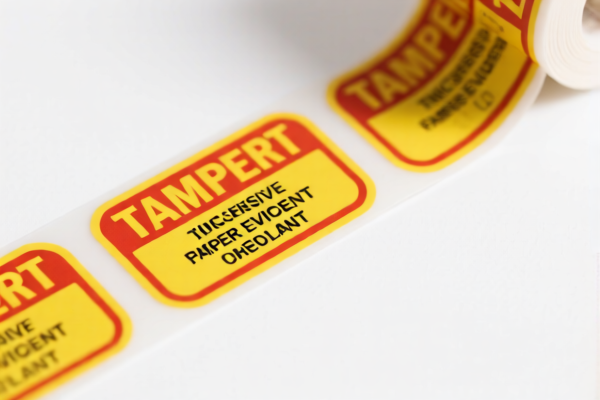
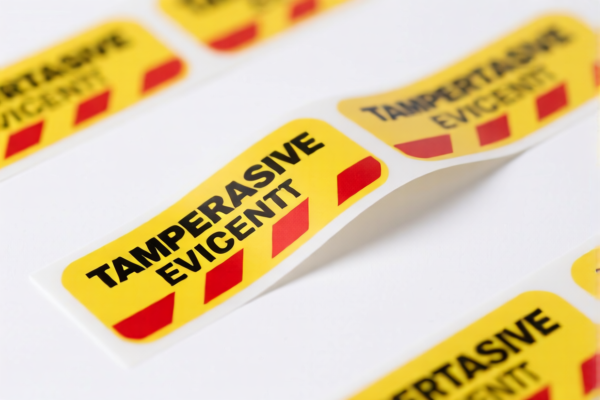
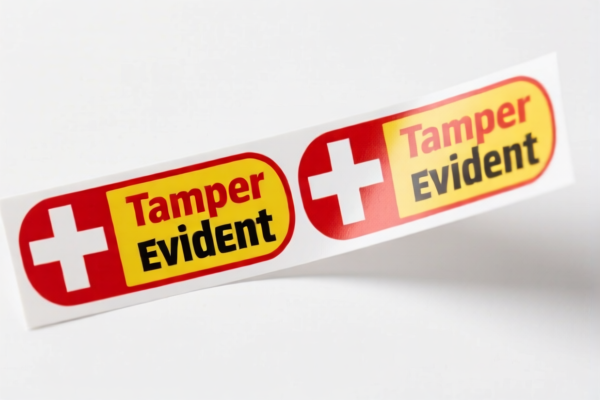
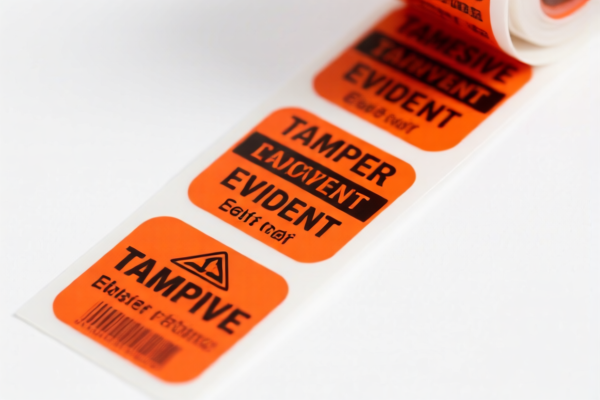
AI Analysis
🔒 Anti-Tamper Tags (Security Seals & Labels)
🌐 HS Code Reference & Customs Clearance Guide | 2026 Latest Tariff Analysis | Professional Compliance Strategy
📌 I. Product Definition & Classification: What Exactly Is an "Anti-Tamper Tag"?
An Anti-Tamper Tag is a broad category of security accessories designed to provide visible evidence of unauthorized access, theft, or interference. In international trade, these items do not have a single exclusive HS code; instead, they are classified based on their primary function, material, and structural form.
The provided data identifies four distinct classification paths, ranging from metallic locks/seals to paper labels. Misclassification can lead to significant duty discrepancies due to the varying "Section 301" and "122 Clause" tariffs.
⚠️ Key Distinction Points:
- Is it a physical locking mechanism (metal/plastic seal)? → Likely 8301 or 8309.
- Is it a paper/film label with security features? → Likely 4821.
- Does it function as a closure/stopper for bottles/containers? → Likely 8309.
📦 II. HS Code Classification Details (2026 Latest Tariff Authority Mapping)
Based on the provided data, here are the four potential HS Codes and their logical derivation:
| HS Code | Product Description | Logical Basis from Data |
|---|---|---|
8309.90.00.85 |
Other closures and caps (Anti-tamper functional accessories) | Based on the anti-tamper function commonly found in closures like corks, caps, and plugs. Fits the "other items" fallback logic for packaging accessories. |
8301.10.60.80 |
Locks of a kind used for motor vehicles (Security locks/seals) | Inferred as lock articles or seals with security functions based on anti-tamper attributes. Fits ferrous metal or composite material characteristics. |
8301.40.60.60 |
Other locks (Security locking devices) | Inferred as lock articles with specific locking or protective functions based on anti-tamper attributes. Fits the "other locks" fallback category. |
8309.90.00.80 |
Other articles of base metal (Sealing/Packaging accessories) | Anti-tamper belongs to sealing/packaging attachment functions, consistent with sealing parts and packaging accessories. Follows the "other items" fallback principle. |
4821.10.20.00 |
Paper or paperboard labels (Security Labels/Stickers) | Anti-tamper labels fall under paper/cardboard label usage. Though material isn't always specified, it is inferred to be paper or film, matching the label form and function. |
🔍 Critical Note:
- Metal Seals/Barrels Seals: Often fall under 8309 (Closures) or 8301 (Locks) depending on whether they are classified as "closures" or "locking devices."
- Adhesive Labels: Must be classified under 4821 if primarily paper/film-based, regardless of any embedded RFID chips (unless the chip's value/function outweighs the label's).
💰 III. 2026 Latest Tariff Rate Breakdown (Including Surcharge & Policy Surcharges)
✅ Applicable Country: United States (US)
✅ Country of Origin: China (CN)
✅ Effective Date: 2025/2026 Import Period
🎯 1. 8309.90.00.85 & 8309.90.00.80 —— Closures & Packaging Accessories
These codes cover anti-tamper caps, plugs, and metal sealing accessories.
| Item | Content |
|---|---|
| Base Duty Rate | 2.6% (ad valorem) |
| Section 301 Surcharge | +25.0% |
| 122 Clause Tariff | +10.0% |
| Total Effective Rate | 37.6% |
| Tax Calculation | CIF Value × 37.6% |
| De Minimis Exemption | ❌ Not Available (High risk for small packages) |
| Legal Basis Path | Base Tariff → Section 301 (USITC Footnote) → 122 Clause (USTR) |
📌 Explanation:
- Although the base rate is low (2.6%), the 25% Section 301 tariff is the dominant cost driver for Chinese-origin goods.
- The 122 Clause adds an additional 10% on top, making the total burden 37.6%.
- This applies to metal or plastic seals/caps that are considered "closures."
🎯 2. 8301.10.60.80 & 8301.40.60.60 —— Locks & Security Seals
These codes cover heavy-duty anti-tamper locks, bolt seals, and industrial security seals.
| Item | Content |
|---|---|
| Base Duty Rate | 5.7% – 6.1% (varies by sub-heading) |
| Section 301 Surcharge | +7.5% |
| 122 Clause Tariff | +10.0% |
| Total Effective Rate | 23.2% – 23.6% |
| Tax Calculation | CIF Value × ~23.4% (average) |
| De Minimis Exemption | ❌ Not Available |
| Legal Basis Path | Base Tariff → Section 301 (Specific Footnotes) → 122 Clause |
📌 Explanation:
- Locks often benefit from slightly lower Section 301 surcharges (7.5% vs 25%) compared to general closures.
- The total tax burden is significantly lower (≈23%) than closures (37.6%).
- Strategy: If the anti-tamper device is a rigid bolt seal or padlock-style security tag, classify under 8301 rather than 8309 to save ~14% in duties.
🎯 3. 4821.10.20.00 —— Paper/Film Security Labels
These codes cover adhesive anti-tamper labels, void stickers, and holographic seals.
| Item | Content |
|---|---|
| Base Duty Rate | 0.0% |
| Section 301 Surcharge | +25.0% |
| 122 Clause Tariff | +10.0% |
| Total Effective Rate | 35.0% |
| Tax Calculation | CIF Value × 35.0% |
| De Minimis Exemption | ❌ Not Available |
| Legal Basis Path | Base Tariff (0%) → Section 301 → 122 Clause |
📌 Explanation:
- While the base rate is 0%, the 25% Section 301 and 10% 122 Clause apply, resulting in a 35% total.
- This is still cheaper than closures (37.6%) but more expensive than locks (23.2%).
- Crucial: If the label contains electronic components (e.g., NFC/RFID) that define the essential character, it might move to Chapter 85, but standard paper/film labels remain here.
🛠️ IV. Customs Clearance Practical Advice (Real-World Pitfall Guide)
✅ 1. Documentation Checklist (Non-Negotiable)
| Document | Must Provide | Explanation |
|---|---|---|
| ✅ Product Specification Sheet | ✔️ | Clearly state: "Anti-Tamper," "Void Effect," "Locking Mechanism," or "Seal Type." |
| ✅ Material Composition | ✔️ | Specify if it is Metal (Steel/Aluminum), Plastic (Polypropylene), Paper, or Film. This dictates HS Chapter (83 vs 48). |
| ✅ Product Photos (Open/Closed) | ✔️ | Show how the tamper evidence is triggered (e.g., "voids text upon removal," "breaks if cut"). |
| ✅ Commercial Invoice | ✔️ | Use precise descriptions: "Metal Bolt Seal, Anti-Tamper" NOT just "Seal." |
| ✅ Label Design (if adhesive) | ✔️ | For 4821, provide a scan of the label to prove it is primarily paper/film. |
✅ 2. Classification Strategy (The "Save Money" Logic)
| Scenario | Recommended HS Code | Tax Rate | Why? |
|---|---|---|---|
| Rigid Metal Bolt Seal (for shipping containers) | 8301.40.60.60 |
23.2% | Classified as a Lock, not a closure. Lower Section 301 surcharge. |
| Plastic Cable Tie Seal | 8301.10.60.80 or 8309 |
23.2% - 37.6% | Debatable. If it acts as a lock, use 8301. If just a tie, use 8309. Argue for Locks to save tax. |
| Bottle Cap with Tamper Band | 8309.90.00.85 |
37.6% | Clearly a Closure. No argument for 8301. |
| Adhesive "Void" Sticker | 4821.10.20.00 |
35.0% | Clearly a Label. Base rate 0% helps, but 301 tax applies. |
🔥 Key Insight:
- Do NOT classify all anti-tamper items as "Labels." If it is a rigid plastic or metal seal, argue for Chapter 83 (Base Metals).
- Do NOT classify metal locks as "Closures" unless they are simple caps. Bolt seals are often argued as Locks (8301) to benefit from the lower 7.5% Section 301 rate instead of 25%.
✅ 3. Special Circumstances
| Situation | Handling Advice |
|---|---|
| Anti-Tamper with RFID | If the RFID chip provides essential tracking function, it may fall under Chapter 85. However, standard paper labels with RFID are often still 4821. Consult a specialist. |
| Custom Branding | Custom logos on seals/labels do not change the HS code but must be declared to prove they are finished goods, not raw materials. |
| Small Quantities (De Minimis) | ❌ No Exemption. All listed codes trigger high tariffs. Do not use 861.17 (De Minimis) for these items if they are clearly subject to Section 301/122. |
🌍 V. Global Market Comparison (2026 Update)
| Market | Recommended HS | Est. Total Tax (China Origin) | Notes |
|---|---|---|---|
| 🇺🇸 USA | 8301 (Lock) / 8309 (Closure) / 4821 (Label) |
23.2% – 37.6% | High Section 301 & 122 Clause impacts. |
| 🇨🇳 China | 8301 / 8309 / 4821 |
5% – 13% | Lower base rates, no Section 301. |
| 🇪🇺 EU | 8301 / 8309 / 4821 |
0% – 3.7% | Generally low base duties, no major US-style surcharges. |
| 🇬🇧 UK | 8301 / 8309 / 4821 |
0% – 3.7% | Post-Brexit, mostly aligns with EU rates. |
📌 Conclusion:
- The USA is the most expensive market due to Section 301 and 122 Clause tariffs.
- For US exports, try to classify rigid seals as Locks (8301) to save ~14% vs. Closures.
- Labels (4821) are a middle ground (35%) but risky if the "label" is actually a complex security device.
📌 VI. Common Errors & Pitfalls (Blood & Tears Lessons)
❌ Error 1: Classifying a Metal Bolt Seal as a "Plastic Tag" (3926)
👉 Consequence: If deemed a plastic article, it may face different tariffs or lack specific security exemptions. Better to use 8301 for robust metal/plastic hybrid locks.
❌ Error 2: Calling a Padlock Security Tag a "Closure" (8309)
👉 Consequence: You pay 37.6% instead of 23.2%. A bolt seal locks the container; it doesn't just close a bottle. Argue for 8301 to save money.
❌ Error 3: Ignoring the 122 Clause
👉 Consequence: Many importers only calculate Section 301 (25%). Failing to add the 10% 122 Clause results in underpayment, leading to CBSA/USCBP audits and penalties.
✅ Correct Declaration Example:
"Anti-Tamper Steel Bolt Seal, Used for Shipping Containers, Locking Function, HS Code 8301.40.60.60"
🎯 VII. Conclusion: Precise Classification Saves Thousands!
🎯 Remember the Golden Rule:
🔹 "Rigid Seal = Lock (8301) = 23.2% Tax"
🔹 "Cap/Closure = Closure (8309) = 37.6% Tax"
🔹 "Sticker/Label = Label (4821) = 35.0% Tax"
📌 Action Plan:
1. Inspect the Physical Product: Is it a lock? A cap? A sticker?
2. Check Material: Metal/Plastic (Ch 83) vs. Paper/Film (Ch 48).
3. Apply Correct HS: Use the logic above to minimize the 301/122 impact.
4. Document Everything: Photos and specs are your best defense against customs reclassification.
✨ Professional Clearance Starts with Accurate Classification!
💼 Every Percentage Point Saved is Pure Profit!
Customer Reviews
About HS Code Classification
The Harmonized System (HS) is an internationally standardized nomenclature developed by the World Customs Organization (WCO) to classify traded products. Over 200 countries use the HS system as the basis for customs tariffs, trade statistics, and import/export regulations.
Each HS code follows a hierarchical structure:
- Chapter (2 digits) — Broad category of goods (e.g., Chapter 84: Machinery and Mechanical Appliances)
- Heading (4 digits) — More specific grouping within the chapter
- Subheading (6 digits) — Internationally standardized breakdown, used by all WCO member countries
- National subdivisions (8-10 digits) — Country-specific extensions for further classification, such as US HTSUS 10-digit codes
Correct HS code classification is essential for smooth customs clearance, accurate duty payment, and compliance with trade regulations. Misclassification can lead to customs delays, overpayment of duties, or penalties.
When importing from CN to US, the applicable tariff rates may include:
- Most-Favored-Nation (MFN) rate — The standard duty rate applied to WTO members
- General rate — Applied to countries without trade agreements
- Trade remedy duties — Additional tariffs such as Section 301 (anti-dumping), Section 232 (national security), or countervailing duties
The information provided on this page is for reference purposes only. For official classification, please consult with your local customs authority or a licensed customs broker.