Automatic Wire Winding Box
CN → US| HS Code | Tariff Rate | Origin | Destination | Doc |
|---|---|---|---|---|
| 7326908605 | 87.9% | CN | US | Official Doc |
| 8479810000 | 35.0% | CN | US | Official Doc |
| 8543709860 | 37.6% | CN | US | Official Doc |
| 7326908688 | 87.9% | CN | US | Official Doc |
| 8479909565 | 35.0% | CN | US | Official Doc |
Product Images
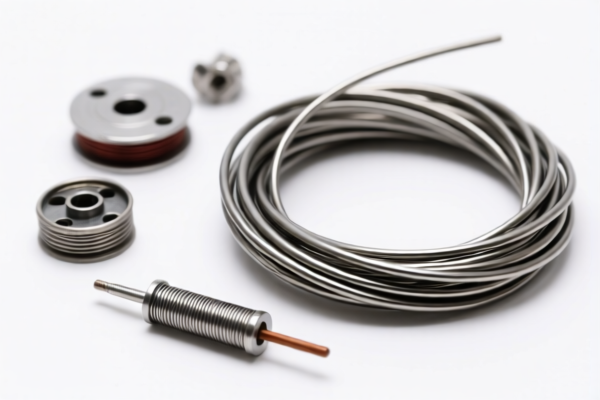
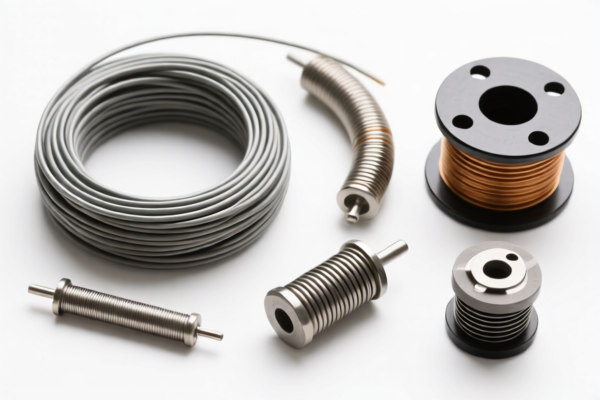
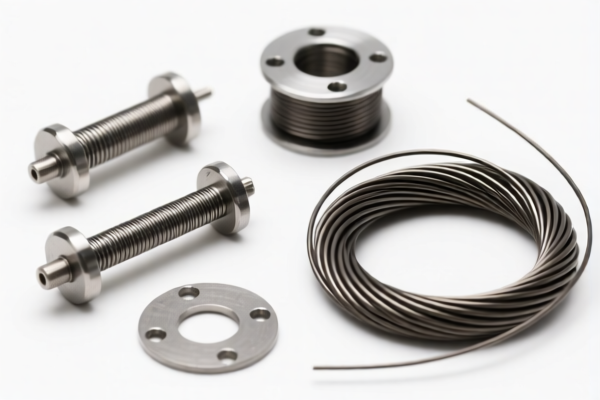
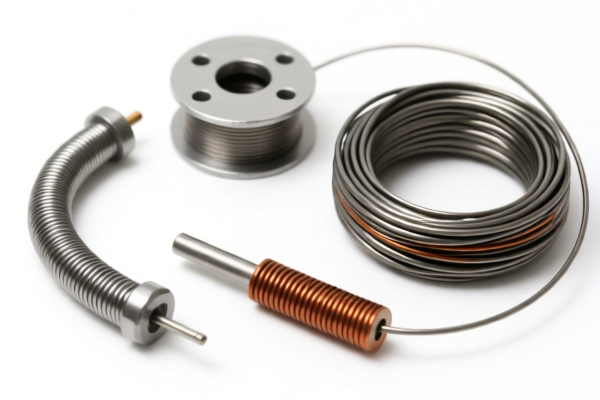
AI Analysis
🧵 Automatic Wire Winding Box (Automatic Wire Winding Device)
🌐 HS Code Reference & Customs Clearance Guide | 2026 Latest Tariff Full Analysis | Professional Level Clearance Strategy
📌 I. Product Definition & Classification: Do You Really Understand "Automatic Wire Winding Boxes"?
An Automatic Wire Winding Box is a specialized mechanical/electrical device used in manufacturing processes to automatically wind wires onto spools, bobbins, or transformers. In international trade, its classification depends heavily on its functional nature (is it a standalone machine, a part, or an electrical apparatus?) and its structural composition.
The device falls into two main categories in customs classification: 1. Machinery/Equipment Category: If it performs a specific mechanical function (winding) as a standalone unit with control systems, it is classified under machinery chapters (Chapter 84 or 85). 2. Parts/Components Category: If it is considered a component or accessory to a larger winding machine or production line, it may fall under parts chapters (Chapter 73 or 84).
⚠️ Key Distinction Point:
- If the device is a complete, standalone unit capable of independent operation with its own motor, control panel, and winding mechanism → It leans towards Machinery/Apparatus (8479or8543).
- If the device is a sub-assembly, bracket, or basic mechanical frame without independent control/logic → It leans towards Parts/Components (7326or8479.90).
📦 II. HS Code Classification Details (2026 Latest Tariff Authority Comparison)
Based on the provided data, here are the 5 potential HS Codes and their rationales:
| HS Code | Product Description & Rationale | Tax Rate | Key Tax Details |
|---|---|---|---|
7326.90.86.05 |
Mechanical Parts/Components: Classified as mechanical/electrical parts. Default tendency matches "spare parts/components" rules. Material inferred as metal/plastic, fitting the "other articles of iron/steel" catch-all category. | 87.9% | Base: 2.9% Add'l: 25% Sec 232: +50% (Steel/Aluminum/Copper) |
8479.81.00.00 |
Machinery for Processing Metals/Winding: Fits the description of "machines for processing metal" and wire winding equipment. It is viewed as a functional device for handling wires. | 35.0% | Base: 0.0% Add'l: 25% Sec 232: +10% |
8543.70.98.60 |
Electrical Apparatus with Independent Function: Classified as an electrical device with independent functions, fitting the definition of "other machines and apparatus." This assumes the device has significant electronic control/logic capabilities. | 37.6% | Base: 2.6% Add'l: 25% Sec 232: +10% |
7326.90.86.88 |
Other Metal Articles (Catch-all): Classified as a mechanical part, inferred material is metal or plastic. Fits the "other articles of iron or steel" catch-all category. | 87.9% | Base: 2.9% Add'l: 25% Sec 232: +50% (Steel/Aluminum/Copper) |
8479.90.95.65 |
Parts of Machinery: Inferred as a part or accessory for metal-processing machines or mechanical appliances. Fits the "parts" catch-all matching principle. | 35.0% | Base: 0.0% Add'l: 25% Sec 232: +10% |
🔍 Key Insight:
- The lowest tax rates (35%-37.6%) apply when classified as Machinery (8479) or Independent Electrical Apparatus (8543).
- The highest tax rates (87.9%) apply when classified as Metal Parts/Articles (7326), especially due to the 50% Section 232 tariff on steel/aluminum/copper products.
- Critical Decision: Is this a machine or a part? This distinction drives the tax rate difference from ~35% to ~88%.
💰 III. 2026 Latest Tariff Rate Breakdown (Including Add-ons & Policy Surcharges)
✅ Applicable Country: United States (US)
✅ Origin: China (CN)
✅ Effective Date: 2025/2026 (Current Trade Regulations)
🎯 1. 7326.90.86.05 & 7326.90.86.88 —— Other Articles of Iron/Steel (High Risk/High Cost)
| Item | Content |
|---|---|
| Base Tariff | 2.9% (ad valorem) |
| Section 301 Additional Tariff | +25% (USITC Footnote 9903.88.01) |
| Section 232 Additional Tariff | +50% (For Steel, Aluminum, or Copper articles) |
| Total Tariff | 87.9% |
| Tax Calculation | CIF Value × 87.9% |
| De Minimis Exemption | ❌ Not Eligible (High rate disqualifies from de minimis) |
| Legal Basis Path | Section 232:7326 → Section 301:7326 |
📌 Explanation:
- The 50% Section 232 tariff is the primary driver of the high cost. This applies if the box is primarily made of steel, aluminum, or copper.
- Even if classified as a "part," the material triggers the higher tariff.
- Total 87.9% is extremely high and likely makes this classification economically unviable unless the item is exempt or reclassified.
🎯 2. 8479.81.00.00 —— Machines for Processing Metal/Winding (Optimal for Machinery)
| Item | Content |
|---|---|
| Base Tariff | 0.0% |
| Section 301 Additional Tariff | +25% |
| Section 232 Additional Tariff | +10% (If applicable to certain metal-processing machines) |
| Total Tariff | 35.0% |
| Tax Calculation | CIF Value × 35.0% |
| De Minimis Exemption | ❌ Not Eligible (Standard for machinery) |
| Legal Basis Path | Section 301:8479 → Section 232:8479 |
📌 Note:
- Base rate is 0%, making this the most tax-efficient classification for machinery.
- The 25% Section 301 tariff is standard for Chinese machinery.
- The 10% Section 232 tariff may apply if the machine is deemed to process steel/aluminum, but it is lower than the 50% for raw parts.
- Total 35.0% is significantly better than the 87.9% part classification.
🎯 3. 8479.90.95.65 —— Parts of Machinery (Mid-Range Option)
| Item | Content |
|---|---|
| Base Tariff | 0.0% |
| Section 301 Additional Tariff | +25% |
| Section 232 Additional Tariff | +10% |
| Total Tariff | 35.0% |
| Tax Calculation | CIF Value × 35.0% |
| De Minimis Exemption | ❌ Not Eligible |
| Legal Basis Path | Section 301:8479.90 → Section 232:8479.90 |
📌 Note:
- Same rate as the complete machine (8479.81).
- Useful if the product is explicitly sold as a replacement part or component for a larger winding machine.
- Ensure documentation clearly states "Part for Automatic Winding Machine" to justify this code.
🎯 4. 8543.70.98.60 —— Electrical Apparatus (Alternative for High-Tech Units)
| Item | Content |
|---|---|
| Base Tariff | 2.6% |
| Section 301 Additional Tariff | +25% |
| Section 232 Additional Tariff | +10% |
| Total Tariff | 37.6% |
| Tax Calculation | CIF Value × 37.6% |
| De Minimis Exemption | ❌ Not Eligible |
| Legal Basis Path | Section 301:8543 → Section 232:8543 |
📌 Note:
- Slightly higher than8479due to the 2.6% base rate.
- Use this if the device’s primary function is electronic control rather than mechanical winding (e.g., a smart control box for winding).
- Justification: "Independent electrical apparatus with specific function."
🛠️ IV. Customs Clearance Practical Advice (Battle-Tested Pitfall Avoidance Guide)
✅ 1. Documentation Checklist (Non-Negotiable)
| Document | Required? | Explanation |
|---|---|---|
| ✅ Product Specification Sheet | ✔️ | Must detail: Winding speed, motor type, control system, dimensions, weight. |
| ✅ Technical Diagram/Schematic | ✔️ | Crucial for distinguishing between "Machinery" (8479/8543) and "Part" (7326). |
| ✅ Product Photos (with Nameplate) | ✔️ | Clear view of model number, electrical ratings, and mechanical structure. |
| ✅ Third-Party Test Reports | ✔️ | UL, CE, FCC, RoHS (if applicable). Proves it is a finished electrical/mechanical unit. |
| ✅ Commercial Invoice | ✔️ | Crucial Description: "Automatic Wire Winding Machine" or "Wire Winding Apparatus," NOT "Metal Box" or "Part." |
| ✅ Packing List | ✔️ | Show if items are shipped as a single unit or disassembled. |
✅ 2. Declaration Strategy (Key Mantra)
🔥 "Describe Function, Not Just Form; Avoid 'Part' Traps, Choose 'Machine' Path!"
| Scenario | Correct Declaration | Wrong Practice |
|---|---|---|
| Standalone Winding Device | 8479.81.00.00 |
Misdeclare as "Metal Box" → 87.9% |
| Device with Control Panel | 8543.70.98.60 |
Ignore electronic function → Miss opportunity |
| Replacement Part for Machine | 8479.90.95.65 |
Declare as machine when it's a part → Audit risk |
| Simple Metal Frame | 7326.90.86.05 |
High risk; try to avoid unless unavoidable |
✅ 3. Special Situation Handling
| Situation | Recommendation |
|---|---|
| OEM Custom Winding Box | Provide customer design specs and bills of material (BOM) to prove it is a specialized machine, not a generic part. |
| Integrated Control System | Emphasize the electronic control aspect to justify 8543 or 8479. Avoid 7326 which is purely mechanical/material-based. |
| Shipped Disassembled | If major components are shipped together for assembly, declare as a single unit under 8479 or 8543 to avoid part classification. |
| Steel/Aluminum Content | If >50% value is steel/aluminum, argue for Section 232 applicability (10%) rather than raw material tariff (50%) by proving it is a machine (8479), not a "section 232 article" (7326). |
🌍 V. Global Market Comparison (2026 Latest)
| Country/Region | Recommended HS Code | Tariff Rate | Certification | Notes |
|---|---|---|---|---|
| 🇺🇸 USA | 8479.81.00.00 |
35.0% | UL, FCC | Avoid 7326 (87.9%). Machinery classification is optimal. |
| 🇨🇳 China | 8479.81.00.00 |
5-10% | CCC | Lower tariffs; standard machinery classification. |
| 🇪🇺 EU | 8479.89.00 |
0-3% | CE, RoHS | No Section 232/301 equivalents. Standard duty. |
| 🇨🇦 Canada | 8479.89.00 |
0% | IC | Free trade under CUSMA if eligible. |
| 🇬🇧 UK | 8479.89.00 |
0-5% | UKCA | Post-Brexit rules apply. |
📌 Conclusion:
- USA is the most complex market due to Section 232 and 301 tariffs.
- Classification as Machinery (8479) saves ~50% in taxes compared to Parts (7326).
- European markets are favorable with low/no tariffs.
📌 VI. Common Mistakes & Pitfalls (Lessons from Experience)
❌ Mistake 1: Declaring a complete winding machine as "Metal Parts" (7326)
👉 Consequence: Tax rate jumps from 35% to 87.9% → Massive cost increase!
❌ Mistake 2: Failing to provide technical specs for a "Box"
👉 Consequence: Customs assumes it's a generic metal container (7326) → High duty + Delay
❌ Mistake 3: Ignoring the "Section 232" impact on steel parts
👉 Consequence: Unexpected 50% surcharge on steel components → Profit Margin Erosion
✅ Correct Approach:
"Automatic Wire Winding Machine, Model XYZ, with Motor & Control System, UL Certified, for Industrial Coil Production"
🎯 VII. Conclusion: Professional Declaration Saves Money!
🎯 Remember the Mantra:
🔹 "Machine vs. Part: 35% vs. 88%, Choose Carefully!"
🔹 "Section 232 is the Enemy of Parts, Friend of Machines!"
🔹 "Documentation is Key: Specs, Diagrams, Photos Save Your Wallet!"
📌 Pro Tip:
If your product is high-tech (smart controls, AI-driven tensioning), consider
8543.70.98.60to argue for "Electrical Apparatus."
If it's purely mechanical,8479.81.00.00is your best bet.
Avoid7326unless necessary due to the 87.9% rate.
📣 Immediate Action:
📞 Consult a licensed customs broker for HS Code Pre-Ruling.
🚀 Optimize your supply chain tax burden by classifying correctly!
✨ Professional Customs Clearance Starts with Accurate Classification!
💼 Every Percentage Point Matters in International Trade!
Customer Reviews
About HS Code Classification
The Harmonized System (HS) is an internationally standardized nomenclature developed by the World Customs Organization (WCO) to classify traded products. Over 200 countries use the HS system as the basis for customs tariffs, trade statistics, and import/export regulations.
Each HS code follows a hierarchical structure:
- Chapter (2 digits) — Broad category of goods (e.g., Chapter 84: Machinery and Mechanical Appliances)
- Heading (4 digits) — More specific grouping within the chapter
- Subheading (6 digits) — Internationally standardized breakdown, used by all WCO member countries
- National subdivisions (8-10 digits) — Country-specific extensions for further classification, such as US HTSUS 10-digit codes
Correct HS code classification is essential for smooth customs clearance, accurate duty payment, and compliance with trade regulations. Misclassification can lead to customs delays, overpayment of duties, or penalties.
When importing from CN to US, the applicable tariff rates may include:
- Most-Favored-Nation (MFN) rate — The standard duty rate applied to WTO members
- General rate — Applied to countries without trade agreements
- Trade remedy duties — Additional tariffs such as Section 301 (anti-dumping), Section 232 (national security), or countervailing duties
The information provided on this page is for reference purposes only. For official classification, please consult with your local customs authority or a licensed customs broker.