Automotive Panel Fasteners/Clips/Rivets
CN → US| HS Code | Tariff Rate | Origin | Destination | Doc |
|---|---|---|---|---|
| 8708998180 | 12.5% | CN | US | Official Doc |
| 8708295160 | 0.0% | CN | US | Official Doc |
| 7318230000 | 85.0% | CN | US | Official Doc |
| 7318290000 | 87.8% | CN | US | Official Doc |
| 3926908500 | 24.0% | CN | US | Official Doc |
Product Images
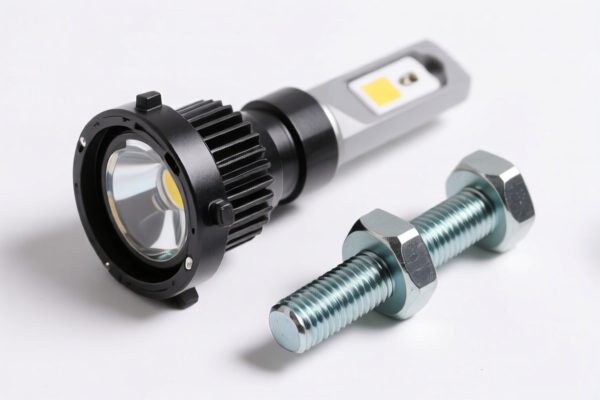
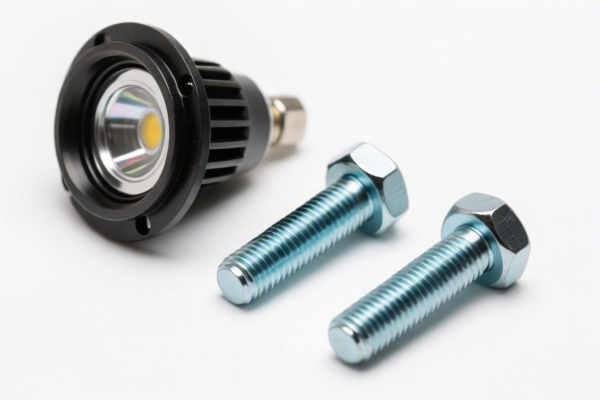
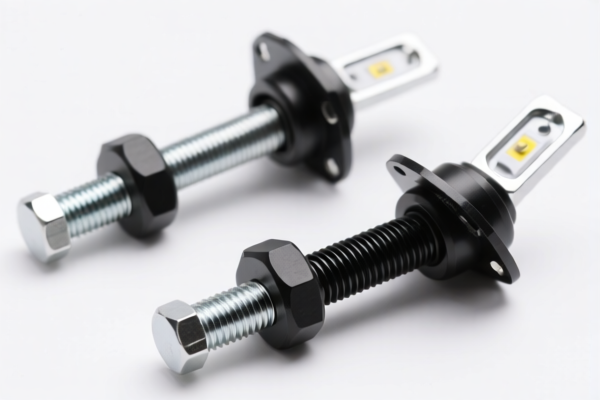
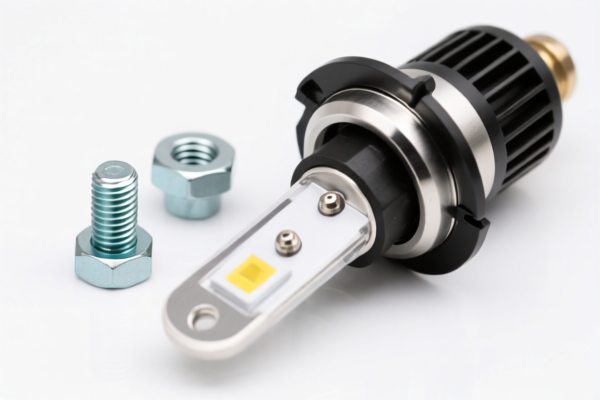
AI Analysis
🔩 Automotive Panel Fasteners/Clips/Rivets (汽车零件附件/紧固件)
🌐 HS Code Reference & Customs Clearance Guide | 2026 Latest Tariff Analysis | Professional Clearance Strategy
📌 I. Product Definition & Classification: Do You Understand "Auto Fasteners"?
Automotive panel fasteners, clips, and rivets are the "invisible bones" of a vehicle. They hold body panels, trim, bumpers, and interior components together. In international trade, they are not classified as a single item. Instead, they are split based on material (Steel/Plastic) and specific form (Clip vs. Rivet). Misclassification here leads to massive tariff shocks due to Section 301 and Section 232 duties.
⚠️ Key Distinction:
- Plastic Clips/Buckles: Classified under Chapter 39 (Plastics).
- Steel Rivets/Stand-off Nuts: Classified under Chapter 73 (Iron/Steel).
- Mixed Body Parts: Classified under Chapter 87 (Vehicles).
📦 II. HS Code Classification Details (2026 Latest Tariff Authority)
| HS Code | Product Description | Applicable Scenario | Material/Form |
|---|---|---|---|
8708.99.81.80 |
Auto Parts/Accessories: Body Fasteners/Clips/Rivets | General automotive body fasteners, including mixed types not specifically elsewhere | Mixed/General Body Parts |
8708.29.51.60 |
Body Parts: Other Body Parts & Accessories | General body panels/accessories, no material conflict | Any Material (Body Part) |
7318.23.00.00 |
Rivets of Iron or Steel | Steel rivets, stand-offs, threaded studs | ✅ Steel |
7318.29.00.00 |
Other Rivets of Iron/Steel | Other steel fasteners/rivets | ✅ Steel |
3926.90.85.00 |
Articles of Plastic | Plastic clips, buckles, fasteners inferred from auto accessory context | ✅ Plastic |
🔍 Critical Reminder:
- Steel Rivets are heavily penalized with Section 301 (25%) and Section 232 (50%) duties, totaling 75-85%.
- Plastic Clips face lower but still significant duties (~24%).
- General Body Parts (8708) may have lower base rates but are still subject to Section 232 (10%) if they contain steel/aluminum/copper components.
💰 III. 2026 Latest Tariff Rate Breakdown (Including Surcharges & Policy Add-ons)
✅ Applicable Country: USA (US)
✅ Origin: China (CN)
✅ Effective Date: Current Trade War Rates Applied
🎯 1. 8708.99.81.80 —— Auto Body Fasteners/Clips/Rivets (General)
| Item | Content |
|---|---|
| Base Tariff | 2.5% (ad valorem) |
| Section 301 Surcharge | 0.0% (No additional 301 duty for this specific subheading) |
| Section 232 Surcharge | +10% (For steel/aluminum content in body accessories) |
| Total Tax Rate | 12.5% |
| Tax Calculation | CIF Value × 12.5% |
| De Minimis Eligibility | ❌ Not Applicable (Formal Entry Required) |
| Legal Basis Path | HTS:8708.99.81.80 → Sec 232: 10% |
📌 Explanation:
- This code is treated as a general auto part/accessory.
- It avoids the high Section 301 (25%) tariff but incurs the Section 232 (10%) surcharge due to metal content.
- Total 12.5% is the "sweet spot" for mixed material fasteners.
🎯 2. 8708.29.51.60 —— Other Body Parts & Accessories
| Item | Content |
|---|---|
| Base Tariff | 2.5% |
| Section 301 Surcharge | +25.0% |
| Section 232 Surcharge | +50.0% (For steel, aluminum, copper products) |
| Total Tax Rate | 85.0% |
| Tax Calculation | CIF Value × 85.0% |
| De Minimis Eligibility | ❌ Not Applicable |
| Legal Basis Path | HTS:8708.29.51.60 → Sec 301: 25% + Sec 232: 50% |
📌 Warning:
- If the fastener is declared strictly as a "Body Part" and is made of Steel/Aluminum/Copper, it triggers BOTH Section 301 and Section 232.
- Total 85% is extremely high. Avoid this classification unless necessary.
🎯 3. 7318.23.00.00 & 7318.29.00.00 —— Steel Rivets/Fasteners
| Item | Content |
|---|---|
| Base Tariff | 0.0% (for 7318.23) / 2.8% (for 7318.29) |
| Section 301 Surcharge | +25.0% |
| Section 232 Surcharge | +50.0% (For steel products) |
| Total Tax Rate | 75.0% (7318.23) / 77.8% (7318.29) |
| Tax Calculation | CIF Value × 75-77.8% |
| De Minimis Eligibility | ❌ Not Applicable |
| Legal Basis Path | HTS:7318 → Sec 301: 25% + Sec 232: 50% |
📌 Critical Note:
- Pure Steel Rivets are the most heavily taxed.
- Section 232 (50%) applies because they are steel products.
- Section 301 (25%) applies to Chinese steel fasteners.
- Total ~75-78% makes importing steel rivets from China highly unprofitable unless duties are mitigated.
🎯 4. 3926.90.85.00 —— Plastic Clips/Articles
| Item | Content |
|---|---|
| Base Tariff | 6.5% |
| Section 301 Surcharge | +7.5% |
| Section 232 Surcharge | 0.0% (Plastics are not subject to Section 232) |
| Total Tax Rate | 24.0% |
| Tax Calculation | CIF Value × 24.0% |
| De Minimis Eligibility | ❌ Not Applicable |
| Legal Basis Path | HTS:3926.90.85.00 → Sec 301: 7.5% |
📌 Advantage:
- Plastic clips are the cheapest to import among the options.
- Only Section 301 (7.5%) applies, not Section 232.
- Total 24% is manageable for high-volume plastic trim parts.
🛠️ IV. Customs Clearance Practical Advice (Pitfall Avoidance Guide)
✅ 1. Required Documentation Checklist
| Document | Mandatory | Description |
|---|---|---|
| ✅ Product Specification Sheet | ✔️ | Must specify Material (Steel vs. Plastic) and Function (Clip vs. Rivet). |
| ✅ Material Declaration | ✔️ | Explicitly state: "100% Plastic" or "Carbon Steel" to avoid Section 232 ambiguity. |
| ✅ Product Photos | ✔️ | Clear images showing shape, size, and threading (if any). |
| ✅ Commercial Invoice | ✔️ | Describe as "Plastic Automotive Trim Clips" or "Steel Auto Rivets" – never just "Fasteners". |
| ✅ HS Code Pre-Ruling | ✔️ | Highly recommended for mixed shipments. |
✅ 2. Declaration Strategy (Key Mnemonics)
🔥 "Material First, Section 232 Last, Plastic is Cheap, Steel is Expensive!"
| Scenario | Correct Declaration | Wrong Practice |
|---|---|---|
| Plastic Clips | 3926.90.85.00 |
Misdeclaring as Steel Rivets → 75%+ |
| Steel Rivets | 7318.23.00.00 |
Misdeclaring as Plastic → Customs Penalty |
| Mixed Box (Plastic + Steel) | Split Shipment or 8708.99.81.80 |
Lump Sum Declaration → High Risk Audit |
| General Body Parts | 8708.99.81.80 (12.5%) |
Declaring as 8708.29.51.60 (85%) |
✅ 3. Special Case Handling
| Situation | Advice |
|---|---|
| OEM Custom Clips | Provide OEM drawings. If plastic, insist on 3926. |
| Steel+Plastic Combination | If the fastener has a steel insert but is primarily a clip, argue for 3926 or 8708.99.81.80. Avoid 7318. |
| High Volume Steel Parts | Consider duty drawback or supply chain shift to Vietnam/Mexico to avoid Section 301/232. |
🌍 V. Global Market Comparison (2026)
| Country/Region | Recommended HS Code | Tariff | Certification | Note |
|---|---|---|---|---|
| 🇺🇸 USA | 3926.90.85.00 (Plastic) / 7318 (Steel) |
24% (Plastic) / 75%+ (Steel) | None | Avoid Steel if possible due to 75%+ duty. |
| 🇨🇳 China | 3926.90.85.00 / 7318 |
6.5-13% | None | Low base duty, no surcharges. |
| 🇪🇺 EU | 3926.90.97 / 7318 |
0-2.5% | None | No Section 301/232 equivalents. |
| 🇲🇽 Mexico | 8708 / 3926 |
0-5% (under USMCA) | None | Best for steel auto parts to USA if assembled there. |
📌 Conclusion:
- USA is the most hostile market for Chinese steel fasteners (75%+ duty).
- Plastic clips are the safest bet for China-origin exports to the US (24% duty).
- Strategic Advice: For steel fasteners, re-route through Mexico or Vietnam to bypass Section 301/232.
📌 VI. Common Errors & Pitfalls (Lessons Learned)
❌ Error 1: Declaring Steel Rivets as "Auto Parts" (8708) without specifying material.
👉 Result: Customs may apply 85% if deemed "Body Part with Steel Content".
❌ Error 2: Mixing Plastic Clips and Steel Rivets in one shipment without split declaration.
👉 Result: Customs may tax the entire shipment at the highest rate (75%+).
❌ Error 3: Using "Fasteners" as the generic description.
👉 Result: Customs audit delay due to ambiguous HS Code assignment.
❌ Error 4: Ignoring Section 232 for steel products.
👉 Result: Unexpected 50% surcharge on top of 25%.
✅ Correct Practice:
"100% Plastic Automotive Trim Clips, Model XYZ, USCA Compliant" →
3926.90.85.00(24%)
"Carbon Steel Auto Rivets, Model ABC" →7318.23.00.00(75%+)
🎯 VII. Conclusion: Smart Classification Saves Money!
🎯 Remember:
🔹 "Plastic is 24%, Steel is 75%+!"
🔹 "Section 232 + 301 = 75-85% Death Spiral for Steel!"
🔹 "Use8708.99.81.80(12.5%) for mixed/unclear parts to avoid the 85% trap!"
📌 Pro Tip:
If your fasteners are primarily plastic, declare as 3926.90.85.00.
If they are mixed, declare as 8708.99.81.80 to stay at 12.5%.
Avoid 7318 and 8708.29.51.60 for China-origin steel parts unless you have a duty mitigation strategy.
📣 Immediate Action:
📞 Consult Customs Broker + Provide Material Spec + Apply for Pre-Ruling
🚀 Optimize Your Supply Chain to minimize the 75%+ steel tariff hit!
✨ Professional Clearance Starts with Precise Classification!
💼 Your Every Dollar is Worth Saving!
Customer Reviews
About HS Code Classification
The Harmonized System (HS) is an internationally standardized nomenclature developed by the World Customs Organization (WCO) to classify traded products. Over 200 countries use the HS system as the basis for customs tariffs, trade statistics, and import/export regulations.
Each HS code follows a hierarchical structure:
- Chapter (2 digits) — Broad category of goods (e.g., Chapter 84: Machinery and Mechanical Appliances)
- Heading (4 digits) — More specific grouping within the chapter
- Subheading (6 digits) — Internationally standardized breakdown, used by all WCO member countries
- National subdivisions (8-10 digits) — Country-specific extensions for further classification, such as US HTSUS 10-digit codes
Correct HS code classification is essential for smooth customs clearance, accurate duty payment, and compliance with trade regulations. Misclassification can lead to customs delays, overpayment of duties, or penalties.
When importing from CN to US, the applicable tariff rates may include:
- Most-Favored-Nation (MFN) rate — The standard duty rate applied to WTO members
- General rate — Applied to countries without trade agreements
- Trade remedy duties — Additional tariffs such as Section 301 (anti-dumping), Section 232 (national security), or countervailing duties
The information provided on this page is for reference purposes only. For official classification, please consult with your local customs authority or a licensed customs broker.