Bamboo Pulp for Agricultural Use
CN → US| HS Code | Tariff Rate | Origin | Destination | Doc |
|---|---|---|---|---|
| 3913902090 | 40.8% | CN | US | Official Doc |
| 3913905000 | 41.5% | CN | US | Official Doc |
| 4706300000 | 35.0% | CN | US | Official Doc |
| 4706930100 | 35.0% | CN | US | Official Doc |
| 3505100020 | 0.0% | CN | US | Official Doc |
Product Images
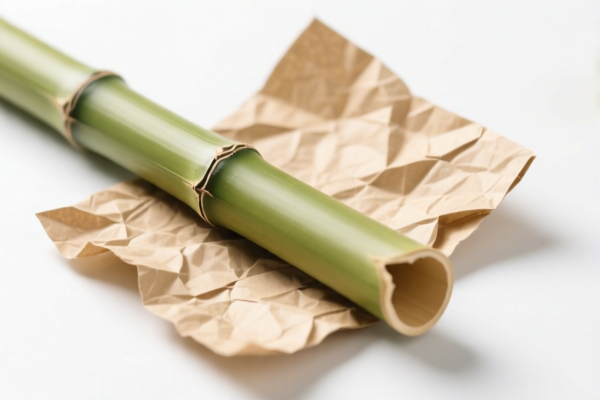
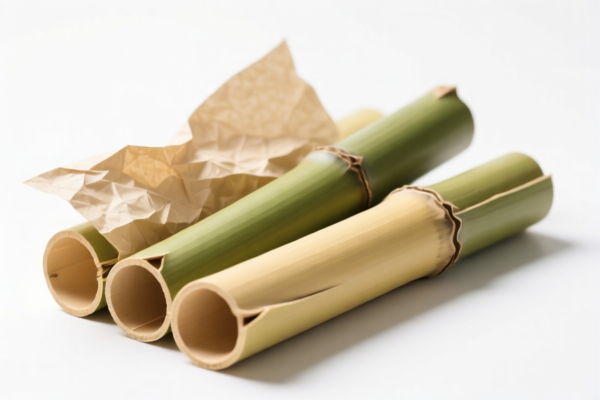
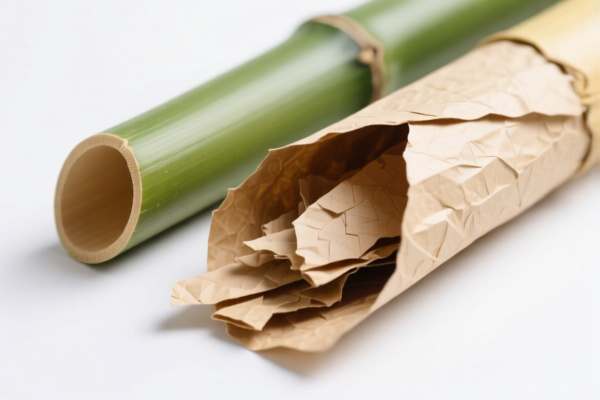
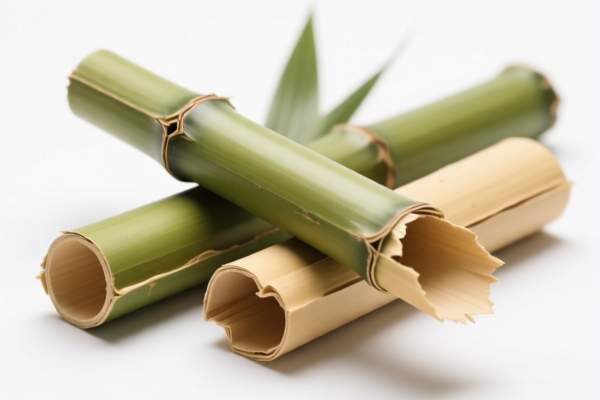
AI Analysis
🎋 Bamboo Pulp (Bamboo Pulp for Agricultural Use)
🌐 HS Code Reference & Customs Clearance Guide | 2026 Latest Tariff Analysis | Professional Entry Strategy
📌 Part 1: Product Definition & Classification: What is "Bamboo Pulp"?
Bamboo pulp is a cellulosic raw material derived from bamboo fibers. In international trade, its classification hinges on whether it is treated as a polymer/plastic precursor (Ch. 39) or a wood/vegetable fiber paper pulp (Ch. 47). The ambiguity often leads to different tariff burdens.
Key Classification Ambiguity: - As a Polymer/Plastic Material: If viewed primarily as cellulose derivatives or natural polymers suitable for plastic manufacturing or industrial chemical use → Chapter 39. - As a Fiber/Paper Raw Material: If viewed as a processed vegetable fiber (similar to wood pulp) used for paper, board, or even agricultural mulch sheets → Chapter 47.
⚠️ Critical Distinction Point: - If the pulp is primarily for plastic/polymer synthesis or generic chemical use → Classify under 3913.90.xxxxx (Other polymers). - If the pulp is processed vegetable fiber (even from bamboo, which is technically a grass but often classified with woods in pulp contexts) → Classify under 4706 (Other paper pulp).
📦 Part 2: HS Code Classification Matrix (2026 Latest Tariff Authority)
| HS Code | Product Description | Rationale from Data | Total Tax Rate |
|---|---|---|---|
3913.90.20.90 |
Other polymers: Cellulose and its chemical derivatives (Other) | "Bamboo pulp" consists of natural polysaccharides (cellulose) and derivatives. It fits the "Other" catch-all for natural polymers. | 40.8% |
3913.90.50.00 |
Other polymers: Natural polymers (Other) | Inferred as primary form raw material of natural polymers (cellulose). No conflict in form or use. | 41.5% |
4706.30.00.00 |
Paper pulp: Other (Vegetable fibers) | Explicitly mentions "bamboo" material. "Pulp" is a cellulosic material form. No conflict in material or form. | 35.0% |
4706.93.01.00 |
Paper pulp: Other | Matches material attributes as "recycled fiber pulp" (cellulose raw material). No form/use conflict. | 35.0% |
3505.10.00.20 |
Dextrins and other modified starches: Other | Low probability/risky classification. Based on inference that it might be classified as starch/fiber raw material for adhesives. | 0.7¢/kg + 17.5% |
🔍 Important Note: - Ch. 47 (35.0%) offers the lowest ad valorem rate among standard classifications. - Ch. 39 (40.8% - 41.5%) is the highest but technically sound if the product is sold as a chemical/polymer intermediate. - Ch. 35 (17.5%) is the lowest rate but carries high compliance risk as bamboo is not a starch. Avoid unless explicitly agreed with customs.
💰 Part 3: 2026 Latest Tariff Rate Details (Including Surcharges & Policy Add-ons)
✅ Applicable Country: United States (US)
✅ Country of Origin: China (CN)
✅ Effective Date: November 10, 2025 onwards (including subsequent imports)
🎯 1. 3913.90.20.90 & 3913.90.50.00 — Natural Polymers/Cellulose Derivatives
| Item | Details |
|---|---|
| Base Tariff | 5.8% - 6.5% (Ad valorem) |
| Section 301 Surcharge | +25.0% |
| IEEPA Surcharge | +10.0% (Specific to China/HK products, effective Nov 10, 2025) |
| Total Tariff | 40.8% - 41.5% |
| Tax Calculation | CIF Value × Total Rate |
| De Minimis Exemption? | ❌ No (Denied) |
| Legal Basis Path | IEEPA:9903.01.25 → USITC:3913.90.20.90 → FOOTNOTE:301 |
📌 Explanation: - The 25% is the Section 301 tariff on Chinese goods. - The 10% is the IEEPA surcharge targeting Chinese-origin goods. - Total ~41% is extremely high. This classification is costly for importers.
🎯 2. 4706.30.00.00 & 4706.93.01.00 — Paper Pulp (Vegetable Fiber)
| Item | Details |
|---|---|
| Base Tariff | 0.0% (Ad valorem) |
| Section 301 Surcharge | +25.0% |
| IEEPA Surcharge | +10.0% (Specific to China/HK products, effective Nov 10, 2025) |
| Total Tariff | 35.0% |
| Tax Calculation | CIF Value × 35% |
| De Minimis Exemption? | ❌ No (Denied) |
| Legal Basis Path | IEEPA:9903.01.25 → USITC:4706.30.00.00 → FOOTNOTE:301 |
📌 Note: - While the base rate is 0%, the 25% + 10% surcharges apply, resulting in 35%. - This is 1.5% - 6.5% cheaper than the Ch. 39 classification. - Bamboo is legally treated as a "vegetable fiber" akin to wood pulp for HS purposes.
🎯 3. 3505.10.00.20 — Modified Starches/Dextrins
| Item | Details |
|---|---|
| Base Tariff | 0.7¢/kg + 0% ad valorem |
| Section 301 Surcharge | +7.5% |
| IEEPA Surcharge | +10.0% |
| Total Effective Rate | ~17.5% (approx. based on value) |
| Tax Calculation | Specific Duty (0.7¢/kg) + Ad Valorem (17.5%) |
| De Minimis Exemption? | ❌ No (Denied) |
| Legal Basis Path | IEEPA:9903.01.25 → USITC:3505.10.00.20 → FOOTNOTE:301 |
📌 Warning: - This classification relies on the inference that bamboo pulp is a "starch/fiber raw material" for adhesives. - Risk: Bamboo is cellulose, not starch. Customs may reject this classification during inspection, leading to penalties. Not recommended for standard declarations.
🛠️ Part 4: Customs Clearance Practical Advice (Real-World Pitfall Guide)
✅ 1. Documentation Checklist (Mandatory)
| Document | Required | Purpose |
|---|---|---|
| ✅ Product Specification Sheet | ✔️ | Defines form (powder, flakes, fibers), moisture content, chemical treatment. |
| ✅ Material Safety Data Sheet (MSDS) | ✔️ | Proves chemical nature (cellulose vs. starch). |
| ✅ Commercial Invoice | ✔️ | Clearly state "Bamboo Pulp for Agricultural Use" or "Industrial Use". |
| ✅ Certificate of Origin (CO) | ✔️ | Must specify China origin for accurate surcharge calculation. |
| ✅ Usage Declaration | ✔️ | Specify end-use: Agricultural mulch? Paper making? Plastic additive? |
✅ 2. Declaration Strategies (Key Tactics)
🔥 Mnemonic: "Fiber is Pulp, Polymer is Chemical. Choose Wisely!"
| Scenario | Recommended HS Code | Why? |
|---|---|---|
| Bamboo Pulp for Paper/Board Manufacturing | 4706.30.00.00 |
It is a vegetable fiber pulp. Lowest surcharge base (0%). |
| Bamboo Pulp for Bioplastics/Chemical Derivatives | 3913.90.50.00 |
It is a natural polymer. Higher base rate (6.5%). |
| Bamboo Pulp for Agricultural Mulch Film (Pre-made) | Check 3920 or 4823 |
If processed into film, it may no longer be "pulp". |
| Bamboo Pulp claimed as Starch | 3505.10.00.20 |
High Risk. Bamboo ≠ Starch. Avoid unless proven otherwise. |
✅ 3. Special Case Handling
| Situation | Advice |
|---|---|
| Agricultual Mulch Film | If the pulp is processed into biodegradable mulch film, it may fall under Ch. 39 (Films) or Ch. 48 (Paper). Do not declare as raw pulp if it's already a finished product. |
| Mixed Content | If bamboo pulp is mixed with chemical binders, ensure the "essential character" is still bamboo pulp to keep Ch. 47 or 3913. |
| Origin Substitution | If sourced from Vietnam/Indonesia, IEEPA surcharges may be avoided or reduced. Verify country of origin carefully. |
🌍 Part 5: Global Market Comparison (2026 Latest)
| Country/Region | Recommended HS Code | Estimated Tariff | Certification Requirements | Notes |
|---|---|---|---|---|
| 🇺🇸 USA | 4706.30.00.00 |
35% | None specific for pulp | High IEEPA + 301 tariffs. |
| 🇺🇸 USA | 3913.90.50.00 |
41.5% | None specific for pulp | Higher base rate. |
| 🇪🇺 EU | 4706.30.00.00 |
0% | CE (if processed), REACH | No Section 301/IEEPA. Favorable. |
| 🇨🇳 China | 4706.30.00.00 |
0% | N/A | Export hub. |
| 🇯🇵 Japan | 4706.30.00.00 |
0% | FSC/PEFC (Sustainability) | Prefers sustainable sourcing. |
📌 Conclusion: - USA: High tariffs regardless of classification. Choose Ch. 47 (35%) over Ch. 39 (41.5%) to save 6.5%. - EU/Japan: Much more favorable for vegetable fiber pulp.
📌 Part 6: Common Errors & Pitfalls (Blood & Tears)
❌ Error 1: Declaring "Bamboo Pulp" as "Starch" to get 17.5% tax. 👉 Result: Customs rejection, fines, and delays. Bamboo is cellulose, not starch.
❌ Error 2: Declaring "Agricultural Mulch Film" as "Raw Pulp". 👉 Result: Misclassification. Finished goods have different HS codes (e.g., 3920/4823).
❌ Error 3: Ignoring IEEPA Surcharge (10%). 👉 Result: Underpayment. Post-audit penalties + interest. Must include 10% for China-origin goods.
❌ Error 4: Using "Plastic Pellets" description for raw pulp. 👉 Result: Confusion with Ch. 39 polymers. Use "Bamboo Fiber Pulp" clearly.
✅ Correct Practice:
"Bamboo Pulp (Vegetable Fiber), Processed, for Agricultural Mulch Manufacturing, China Origin"
🎯 Part 7: Conclusion: Professional Declaration, Cost Savings!
🎯 Remember the Rules:
🔹 "Pulp is Fiber (Ch. 47), not Starch (Ch. 35)." 🔹 "Fiber is Cheaper (35%) than Polymer (41.5%) in the US." 🔹 "Always include 10% IEEPA + 25% 301 for China Origin."
📌 Pro Tip:
If your bamboo pulp is destined for biodegradable agricultural films, ensure the final product classification is checked separately. Sometimes the film itself has better rates than the raw pulp.
📣 Immediate Action:
📞 Consult a Customs Broker: Confirm if your specific bamboo pulp formulation fits
4706.30.00.00. 🚀 Prepare Documentation: MSFS, CO, and detailed usage descriptions. 💼 Optimize Costs: Aim for Ch. 47 (35%) over Ch. 39 (41.5%) to maximize profit margins.
✨ Professional Customs Clearance Starts with Accurate Classification! 💼 Every Percent Matters in Today’s High-Tariff Environment!
Customer Reviews
About HS Code Classification
The Harmonized System (HS) is an internationally standardized nomenclature developed by the World Customs Organization (WCO) to classify traded products. Over 200 countries use the HS system as the basis for customs tariffs, trade statistics, and import/export regulations.
Each HS code follows a hierarchical structure:
- Chapter (2 digits) — Broad category of goods (e.g., Chapter 84: Machinery and Mechanical Appliances)
- Heading (4 digits) — More specific grouping within the chapter
- Subheading (6 digits) — Internationally standardized breakdown, used by all WCO member countries
- National subdivisions (8-10 digits) — Country-specific extensions for further classification, such as US HTSUS 10-digit codes
Correct HS code classification is essential for smooth customs clearance, accurate duty payment, and compliance with trade regulations. Misclassification can lead to customs delays, overpayment of duties, or penalties.
When importing from CN to US, the applicable tariff rates may include:
- Most-Favored-Nation (MFN) rate — The standard duty rate applied to WTO members
- General rate — Applied to countries without trade agreements
- Trade remedy duties — Additional tariffs such as Section 301 (anti-dumping), Section 232 (national security), or countervailing duties
The information provided on this page is for reference purposes only. For official classification, please consult with your local customs authority or a licensed customs broker.