Bamboo Pulp for Molding
CN → US| HS Code | Tariff Rate | Origin | Destination | Doc |
|---|---|---|---|---|
| 6806100090 | 38.9% | CN | US | Official Doc |
| 6806900090 | 35.0% | CN | US | Official Doc |
| 4703190000 | 35.0% | CN | US | Official Doc |
Product Images
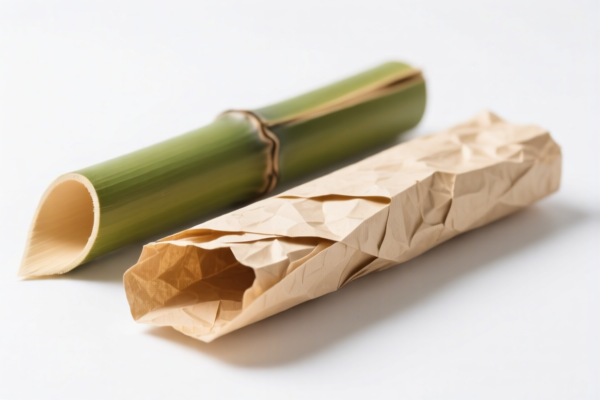
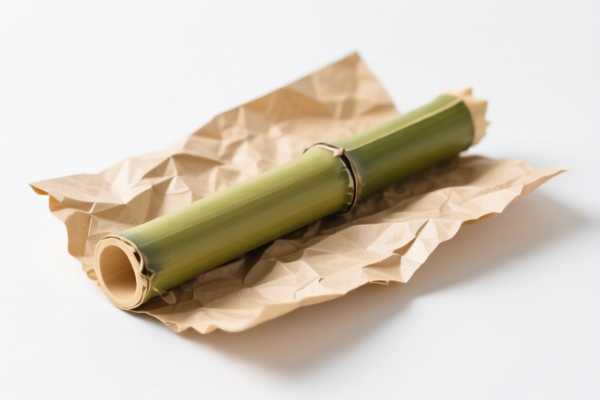
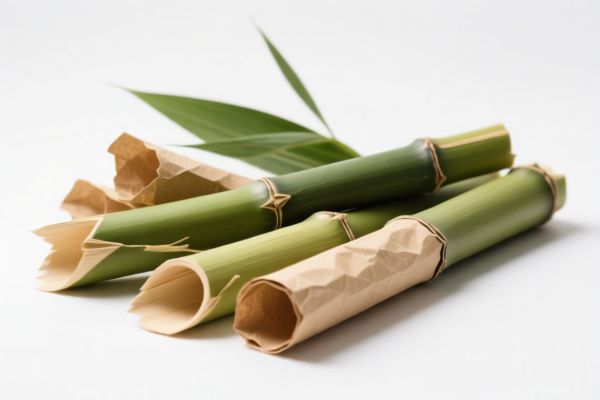
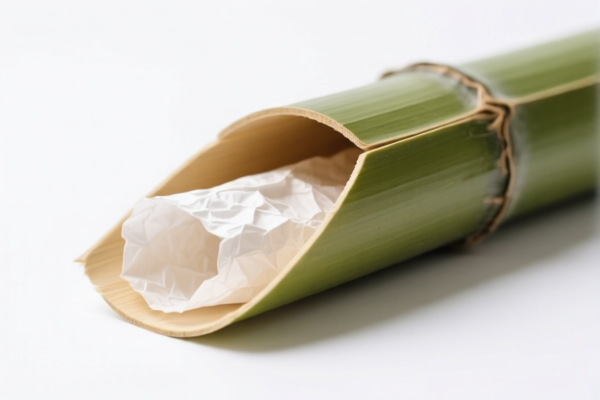
AI Analysis
🎋 Bamboo Pulp for Molding (Moldable Bamboo Pulp)
🌐 HS Code Reference & Customs Clearance Guide | 2026 Latest Tariff Analysis | Professional Clearance Strategy
📌 I. Product Definition & Classification: Do You Really Understand "Bamboo Pulp for Molding"?
Bamboo pulp for molding is an intermediate industrial material, primarily used to create biodegradable tableware (plates, bowls), packaging, or agricultural products through vacuum molding processes. In international trade, its classification depends heavily on whether it is viewed as a chemical pulp product or a mineral/fiber insulation material, leading to significant differences in tariff structures.
⚠️ Key Distinction:
- If treated as a chemical pulp derived from bamboo (non-coniferous) → Classified under Chapter 47.
- If treated as a finished/semi-finished fiberboard or insulation material made from bamboo fibers → Classified under Chapter 68 (Mineral Products/Fiber).
📦 II. HS Code Classification Details (2026 Latest Tariff Authority Comparison)
| HS Code | Product Description | Application Scenario | Material Nature |
|---|---|---|---|
4703.19.00.00 |
Bamboo Pulp, Chemical, Non-Coniferous | Raw material for paper, molded packaging, or biodegradable goods | ✅ Chemical Wood Pulp category (Plant-based) |
6806.10.00.90 |
Bamboo Pulp Insulation Material, Other | Treated as mineral/fiber insulation boards or mats | ✅ Mineral/Fiber Insulation Cotton category |
6806.90.00.90 |
Other Products of Mineral Substances (Bamboo Fiber Board) | Non-acoustic, non-calcium silicate bamboo fiber products | ✅ Other Mineral/Fiber Articles category |
🔍 Critical Reminder:
- "Bamboo Pulp for Molding" is often ambiguous. If it is raw pulp ready for mixing with water and molding, Chapter 47 is the most technically accurate for raw chemical pulp.
- However, if the product has been processed into boards, mats, or has thermal/acoustic properties, customs may classify it under Chapter 68.
- Misclassification Risk: Declaring high-tariff Chapter 68 items as low-tariff Chapter 47 (or vice versa) can lead to audits, fines, or delays.
💰 III. 2026 Latest Tariff Rate Details (Including Surtaxes & Policy Add-ons)
✅ Applicable Country: United States (US)
✅ Origin: China (CN)
✅ Effective Time: November 10, 2025 (and subsequent imports)
🎯 1. 4703.19.00.00 —— Bamboo Pulp, Chemical, Non-Coniferous
| Item | Details |
|---|---|
| Base Duty Rate | 0.0% (Ad Valorem) |
| USITC Surtax | +25.0% (Under USITC Footnote 9903.88.01 / Section 301) |
| IEEPA Surtax | +10.0% (Targeting Chinese/HK products, effective Nov 10, 2025) |
| Total Tariff Rate | 35.0% |
| Tax Calculation | CIF Value × 35% |
| De Minimis Eligibility | ❌ No (deny_de_minimis) |
| Legal Basis Path | IEEPA:9903.01.25 → IEEPA:9903.01.24 → USITC:4703.19.00.00 → FOOTNOTE:9903.88.01 |
📌 Explanation:
- "Base 0%": Chemical pulps from non-coniferous trees (like bamboo) have a low base duty.
- "USITC +25%": This is the standard Section 301 surtax for many Chinese goods.
- "IEEPA +10%": This is the new additional tariff under the International Emergency Economic Powers Act for specific Chinese imports starting late 2025.
- Total 35%: A significant cost increase compared to pre-2025 rates.
🎯 2. 6806.10.00.90 —— Bamboo Pulp Insulation Material, Other
| Item | Details |
|---|---|
| Base Duty Rate | 3.9% (Ad Valorem) |
| USITC Surtax | +25.0% (Under USITC Footnote 9903.88.01 / Section 301) |
| IEEPA Surtax | +10.0% (Targeting Chinese/HK products, effective Nov 10, 2025) |
| Total Tariff Rate | 38.9% |
| Tax Calculation | CIF Value × 38.9% |
| De Minimis Eligibility | ❌ No (deny_de_minimis) |
| Legal Basis Path | IEEPA:9903.01.25 → IEEPA:9903.01.24 → USITC:6806.10.00.90 → FOOTNOTE:9903.88.01 |
📌 Explanation:
- "Base 3.9%": Unlike raw pulp, processed mineral/fiber insulation materials have a base duty.
- "USITC +25%" & "IEEPA +10%": Same surtaxes apply.
- Total 38.9%: This is 0.9% higher than the chemical pulp classification due to the base duty.
🎯 3. 6806.90.00.90 —— Other Products of Mineral Substances (Non-Acoustic, Non-Calcium Silicate)
| Item | Details |
|---|---|
| Base Duty Rate | 0.0% (Ad Valorem) |
| USITC Surtax | +25.0% (Under USITC Footnote 9903.88.01 / Section 301) |
| IEEPA Surtax | +10.0% (Targeting Chinese/HK products, effective Nov 10, 2025) |
| Total Tariff Rate | 35.0% |
| Tax Calculation | CIF Value × 35.0% |
| De Minimis Eligibility | ❌ No (deny_de_minimis) |
| Legal Basis Path | IEEPA:9903.01.25 → IEEPA:9903.01.24 → USITC:6806.90.00.90 → FOOTNOTE:9903.88.01 |
📌 Explanation:
- "Base 0%": "Other" mineral products often have a 0% base duty.
- "Total 35%": Same as the chemical pulp (4703.19.00.00).
- Strategic Note: If customs classifies your molded pulp as "Other mineral products" rather than "Insulation," the cost is the same as raw pulp. However, the legal definition must match the product's physical state (e.g., is it raw pulp or a rigid board?).
🛠️ IV. Customs Clearance Practical Advice (Battle-Tested Pitfall Avoidance)
✅ 1. Document Checklist (None Can Be Omitted)
| Document | Required | Notes |
|---|---|---|
| ✅ Product Specification Sheet | ✔️ | Must specify: Form (Pulp Slurry vs. Dry Sheets), Composition (100% Bamboo), Usage (Molding for Tableware). |
| ✅ Process Flow Diagram | ✔️ | Show if it is "Chemical Pulp" (Chapter 47) or "Pressed/Insulated Board" (Chapter 68). |
| ✅ Product Photos | ✔️ | Clear images showing texture, packaging, and any labels indicating "Insulation" or "Molding Pulp." |
| ✅ Commercial Invoice | ✔️ | Description must be precise: e.g., "Chemical Bamboo Pulp for Biodegradable Tableware Molding." Avoid vague terms like "Bamboo Fiber." |
| ✅ Certificate of Origin (CO) | ✔️ | Required to verify Chinese origin for surtax application. |
| ✅ Packing List | ✔️ | Detail net/gross weight, carton dimensions. |
✅ 2. Declaration Strategy (Key Mantras)
🔥 "Raw Pulp = Chapter 47, Boards = Chapter 68. Don't Mix, Don't Guess!"
| Scenario | Correct Declaration | Wrong Practice |
|---|---|---|
| Raw Bamboo Pulp Slurry/Dry Sheets (For mixing with water) | 4703.19.00.00 |
Misdeclaring as 6806... → Higher Base Duty (3.9% extra) |
| Molded Bamboo Plates/Bowls (Finished Goods) | Not listed in Data (Likely 4823 or 3926) |
Misdeclaring as Raw Pulp → Major Classification Error |
| Bamboo Fiber Boards (Used for insulation/packaging structure) | 6806.10.00.90 or 6806.90.00.90 |
Misdeclaring as 4703 → Customs May Re-classify & Fine |
| "Bamboo Pulp" Vague Description | ❌ Never | Leads to Customs Query, Delay, or 100% Inspection |
✅ 3. Special Case Handling
| Situation | Handling Advice |
|---|---|
| Product is "Wet Pulp" vs. "Dry Pulp" | Both generally fall under 4703 if not processed into boards. Ensure invoice states "Chemical Process." |
| Product Contains Binders/Additives | If >5% non-bamboo additives, it may no longer be "Pure Pulp." Could shift to 6806 or other chapters. Disclose fully. |
| Intended for "Insulation" Market | If marketed as thermal/acoustic insulation, must declare under 6806.10.00.90. Do not hide end-use. |
| Bamboo vs. Wood Pulp | Bamboo is technically "Non-Coniferous Wood Pulp" in HS terms. Use 4703.19 (Other). Do not use 4703.21/29 (Coniferous). |
🌍 V. Global Market Clearance Comparison (2026 Latest)
| Country/Region | Recommended HS Code | Tariff (China Origin) | Certification | Notes |
|---|---|---|---|---|
| 🇺🇸 USA | 4703.19.00.00 or 6806.90.00.90 |
35.0% (Pulp/Other) / 38.9% (Insulation) | No specific CE/FCC, but FDA may apply for food contact | 35-39% is the new normal. |
| 🇨🇳 China | 4703.19.00.00 |
0% | GB Standards (Food Contact) | Export rebate available. |
| 🇪🇺 EU | 4703.19.00.00 |
0% (MFN) | FSC/PEFC Certification (Sustainability) | Check EPR (Extended Producer Responsibility) for packaging. |
| 🇬🇧 UK | 4703.19.00.00 |
0% (MFN) | UKCA Marking (if applicable) | Similar to EU. |
| 🇦🇺 Australia | 4703.19.00.00 |
5% | Biosecurity Approval (ISPM 15 for wood/pulp) | Strict biosecurity checks on bamboo products. |
📌 Conclusion:
- USA is the most complex market due to the 35%-39% surtax.
- EU/UK/Australia have low/no base tariffs, but Sustainability Certifications (FSC/PEFC) are critical for bamboo products.
- Biosecurity is a major hurdle in Australia/USA for any plant-based material.
📌 VI. Common Mistakes & Pitfall Guide (Blood-Tears Lessons)
❌ Mistake 1: Declaring "Bamboo Fiber Boards" as "Bamboo Pulp" to save base duty.
👉 Consequence: Customs finds the product is compressed/pressed, not raw pulp. Re-classified to 6806, leading to back taxes + penalty.
❌ Mistake 2: Using "Bamboo Pulp" for Finished Molded Tableware.
👉 Consequence: HS Code 4703 is for raw material. Finished plates should be 4823 or 3926. Misclassification leads to entry refusal.
❌ Mistake 3: Ignoring Biosecurity Requirements (especially for USA/Australia).
👉 Consequence: Shipment held at port for fumigation or destroyed if pests are found in bamboo pulp.
❌ Mistake 4: Incorrectly stating 0% Total Tariff (forgetting IEEPA/USITC).
👉 Consequence: Underpayment of duties. Customs will issue a demand for payment + interest.
✅ Correct Practice:
"Chemical Bamboo Pulp, Non-Coniferous, Dry, for Molding Biodegradable Tableware, 100% Bamboo, No Additives, FOB Shanghai"
🎯 VII. Conclusion: Professional Declaration, Time-Saving, Cost-Effective!
🎯 Remember the Mantra:
🔹 "Raw Pulp = 4703 (35%), Boards = 6806 (35-39%). Don't Fake It!"
🔹 "HS Code Determines Tax, Tariff Difference is 9%, One Mistake Costs Thousands!"
📌 Pro Tip:
If your bamboo pulp is sourced from Vietnam, Cambodia, or Thailand, it MAY be eligible for IEEPA Exemptions or lower Section 301 rates depending on specific rules of origin.
Recommendation: Apply for an Advance Ruling (Pre-Classification) with US Customs (CBP) before shipment to avoid 35-39% surprises.
📣 Immediate Action:
📞 Contact a Professional Customs Broker + Provide Product Photos + Apply for HS Code Advance Ruling
🚀 Let your Bamboo Pulp, Clear Customs Smoothly, Export Efficiently, Maximize Profits!
✨ Professional Clearance Starts with Accurate Classification!
💼 Every Cent of Your Cost Deserves to Be Calculated Precisely!
Customer Reviews
About HS Code Classification
The Harmonized System (HS) is an internationally standardized nomenclature developed by the World Customs Organization (WCO) to classify traded products. Over 200 countries use the HS system as the basis for customs tariffs, trade statistics, and import/export regulations.
Each HS code follows a hierarchical structure:
- Chapter (2 digits) — Broad category of goods (e.g., Chapter 84: Machinery and Mechanical Appliances)
- Heading (4 digits) — More specific grouping within the chapter
- Subheading (6 digits) — Internationally standardized breakdown, used by all WCO member countries
- National subdivisions (8-10 digits) — Country-specific extensions for further classification, such as US HTSUS 10-digit codes
Correct HS code classification is essential for smooth customs clearance, accurate duty payment, and compliance with trade regulations. Misclassification can lead to customs delays, overpayment of duties, or penalties.
When importing from CN to US, the applicable tariff rates may include:
- Most-Favored-Nation (MFN) rate — The standard duty rate applied to WTO members
- General rate — Applied to countries without trade agreements
- Trade remedy duties — Additional tariffs such as Section 301 (anti-dumping), Section 232 (national security), or countervailing duties
The information provided on this page is for reference purposes only. For official classification, please consult with your local customs authority or a licensed customs broker.