Bars and Rods of Iron or Non Alloy Steel
CN → US| HS Code | Tariff Rate | Origin | Destination | Doc |
|---|---|---|---|---|
| 7216500000 | 35.0% | CN | US | Official Doc |
| 7215905000 | 10.0% | CN | US | Official Doc |
| 7214990060 | 10.0% | CN | US | Official Doc |
| 7216990090 | 35.0% | CN | US | Official Doc |
| 7215500090 | 35.0% | CN | US | Official Doc |
| 7214990075 | 10.0% | CN | US | Official Doc |
Product Images
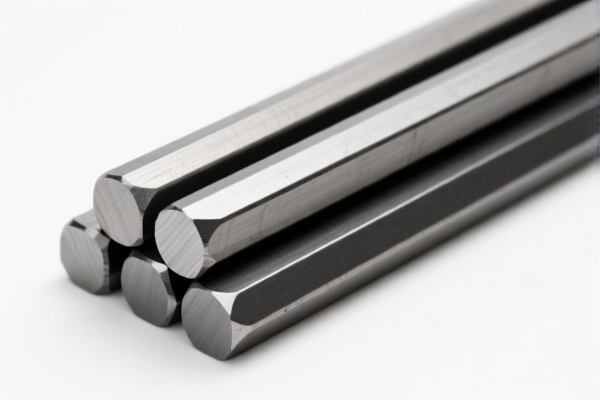
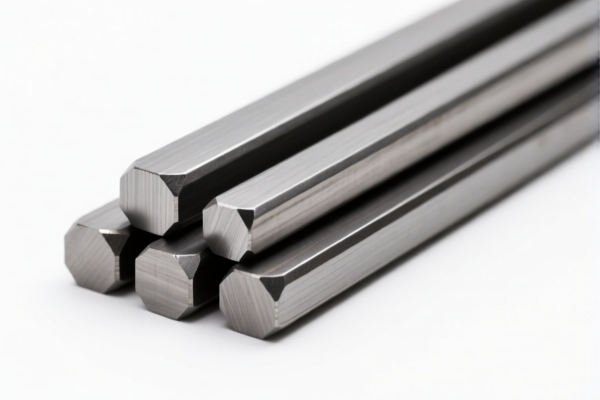
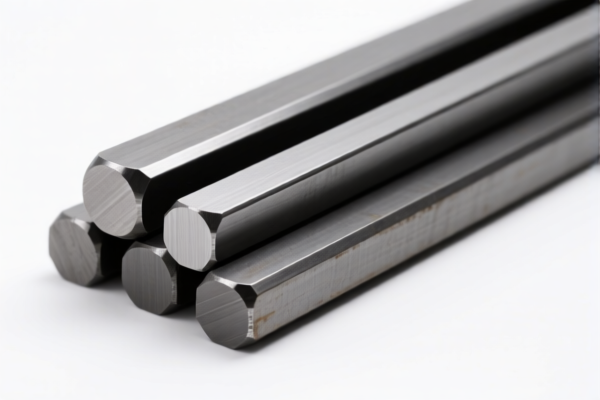
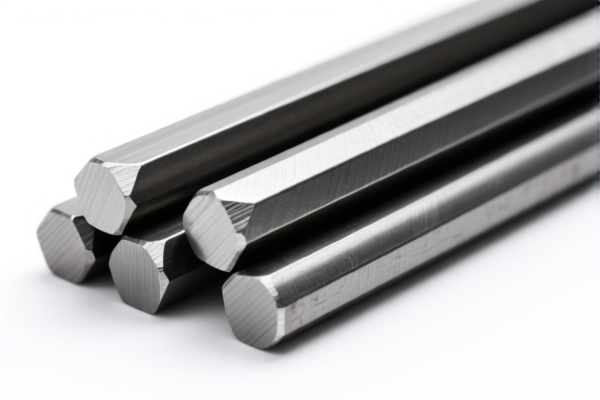
AI Analysis
🏗️ Bars and Rods of Iron or Non-Alloy Steel (Iron/Steel Profiles)
🌐 HS Code Reference & Customs Clearance Guide | 2026 Latest Tariff Analysis | Professional Clearance Strategy
📌 I. Product Definition & Classification: What Exactly Are "Iron/Steel Bars and Rods"?
Bars and rods of iron or non-alloy steel are fundamental raw materials and semi-finished products in the global metal industry. In international trade, these products are categorized based on their cross-sectional shape and processing state. The key distinction lies between specific standard shapes (like angles, channels) and generic "other" categories.
Common Forms: - Angles, Channels, I-Beams, T-Bars: Specific structural profiles. - Round, Square, Hexagonal Bars: Cylindrical or polygonal solid sections. - Hot-rolled, Cold-finished, Forged: Different manufacturing processes affecting classification.
⚠️ Key Distinction:
- Products with specific standardized cross-sections (like angle bars) often fall under 7216.
- Products described as "other bars/rods" or generic sections often fall under 7215 or 7214.
- Material Constraint: Must be Iron or Non-Alloy Steel. Alloy steels (stainless, tool steel, etc.) are excluded from this specific data set.
📦 II. HS Code Classification Details (2026 Latest Tariff Data)
Based on the provided dataset, here are the exact HS codes, descriptions, and tax implications.
| HS Code | Product Summary (Chinese) | Summary Translation | Total Tax Rate | Tax Detail Breakdown |
|---|---|---|---|---|
7216.50.00.00 |
材质为铁或非合金钢,形态包含角材、型材等截面材 | Iron/Non-Alloy Steel, Shapes: Angles, Profiles, Sectional Materials | 35.0% | Base: 0.0%, Section 301: 25.0%, Section 122: 10% |
7215.90.50.00 |
材质为铁或非合金钢,形态属于棒材范畴的其他类目细分 | Iron/Non-Alloy Steel, Other Bars/Rods (Specific Sub-category) | 10.0% | Base: 0.0%, Section 301: 0.0%, Section 122: 10% |
7214.99.00.60 |
材质为铁或非合金钢,形态为条、杆、角材、型材等棒材范畴 | Iron/Non-Alloy Steel, Bars/Rods/Angles/Profiles (Other) | 10.0% | Base: 0.0%, Section 301: 0.0%, Section 122: 10% |
7216.99.00.90 |
材质为铁或非合金钢,形态涵盖条、杆、角材、型材及异型材的非特定加工形态 | Iron/Non-Alloy Steel, Other Profiles/Sections (Non-Specific) | 35.0% | Base: 0.0%, Section 301: 25.0%, Section 122: 10% |
7215.50.00.90 |
材质为铁或非合金钢,形态为条、杆、角材等钢棒/型材范畴 | Iron/Non-Alloy Steel, Bars/Rods/Angles (Steel Bars/Profiles) | 35.0% | Base: 0.0%, Section 301: 25.0%, Section 122: 10% |
🔍 Critical Insight:
- High Tariff Group (35%): Includes7216.50,7216.99, and7215.50. These are heavily impacted by the 25% Section 301 tariff + 10% Section 122 tariff.
- Lower Tariff Group (10%): Includes7215.90and7214.99. These are exempt from Section 301 but still subject to the 10% Section 122 tariff.
- Why the Difference? The 25% Section 301 tariff applies to specific "steel products" listed in the USITC decision. If your HS code is not on that specific list, you only pay the 10% Section 122 tariff. Precision in HS code selection is critical to save 25% in duties.
💰 III. 2026 Latest Tariff Rate Detailed Explanation
✅ Applicable Country: United States (US)
✅ Country of Origin: China (CN)
✅ Effective Time: Current trade policy (2026)
🎯 1. High-Tariff Category: 7216.50.00.00, 7216.99.00.90, 7215.50.00.90
(Total: 35.0%)
| Item | Detail |
|---|---|
| Base Tariff | 0% (ad valorem) |
| Section 301 Tariff (USITC) | +25% |
| Section 122 Tariff (IEEPA) | +10% |
| Total Effective Rate | 35% |
| Tax Calculation | CIF Value × 35% |
| De Minimis Exemption | ❌ Not Eligible (Denied) |
| Legal Basis | USITC:7216.50.00.00 → FOOTNOTE:301 → IEEPA:122 |
📌 Explanation:
- These products are explicitly listed under the Section 301 trade action against Chinese steel.
- The 25% surcharge is applied on top of any base duty (here 0%).
- The 10% Section 122 tariff is applied under the International Emergency Economic Powers Act (IEEPA), specifically targeting certain steel imports for national security reasons.
- Result: You pay 35% total duty. This is a significant cost driver.
🎯 2. Lower-Tariff Category: 7215.90.50.00, 7214.99.00.60
(Total: 10.0%)
| Item | Detail |
|---|---|
| Base Tariff | 0% (ad valorem) |
| Section 301 Tariff (USITC) | 0% (Exempt) |
| Section 122 Tariff (IEEPA) | +10% |
| Total Effective Rate | 10% |
| Tax Calculation | CIF Value × 10% |
| De Minimis Exemption | ❌ Not Eligible (Denied) |
| Legal Basis | USITC:7215.90.50.00 → IEEPA:122 |
📌 Explanation:
- These specific sub-headings are NOT subject to the Section 301 additional duty.
- They ARE subject to the Section 122 tariff (10%).
- Savings: By correctly classifying into these codes, you save 25% in duties compared to the high-tariff group.
- Caution: Misclassification is risky. The product must strictly match the summary descriptions (e.g., "other bars" vs. "angles/profiles").
🛠️ IV. Customs Clearance Practical Advice (Actionable Pitfall Avoidance)
✅ 1. Preparation Checklist (Mandatory)
| Document | Required | Notes |
|---|---|---|
| ✅ Product Specification Sheet | ✔️ | Must detail: Material (Non-Alloy Steel/Iron), Cross-Section Shape, Dimensions, Surface Finish. |
| ✅ Product Photos | ✔️ | Clear images of the bar/rod, ends (cut face), and any markings/stamps. |
| ✅ Commercial Invoice | ✔️ | Must clearly state "Bars/Rods of Iron/Non-Alloy Steel" and HS Code. |
| ✅ Packing List | ✔️ | Weight, quantity, packaging type. |
| ✅ Certificate of Origin | ✔️ | Required to prove CN origin for tariff application. |
| ✅ Material Test Report | ✔️ | Optional but recommended to prove "Non-Alloy" status if challenged. |
✅ 2. Classification Strategy (Key Rule)
🔥 "Shape Determines Tax, Section 301 is the Trap!"
| Scenario | Correct HS Code | Tax Rate | Incorrect Classification Risk |
|---|---|---|---|
| Angle Bars, Channels, I-Beams | 7216.50.00.00 or 7216.99.00.90 |
35% | If misclassified as "other bars" (7215), risk of penalty + back taxes + 25% difference. |
| Generic Round/Square Bars | Check if 7215.90.50.00 applies |
10% | If misclassified as 7215.50.00.90, you overpay 25%. |
| Other Steel Profiles | 7214.99.00.60 |
10% | Ensure it's not a "standard structural section" which might fall under 7216. |
| Alloy Steel (e.g., Stainless) | NOT IN DATA | Varies | Do not use these codes. Misclassification leads to severe penalties. |
✅ 3. Special Handling Tips
| Situation | Advice |
|---|---|
| OEM Custom Shapes | Provide detailed engineering drawings to prove they are "non-standard" and may qualify for the 10% tier (7215.90 or 7214.99). |
| Mixed Shipments | Do not mix 35% and 10% items in one BL without clear separation. Custom may audit the whole shipment. |
| "Iron" vs. "Steel" | Both are included, but ensure it is non-alloy. If it contains significant alloying elements (Cr, Ni, Mo), it is alloy steel and these HS codes are invalid. |
| Section 122 Applicability | The 10% tariff is based on the value. Ensure no hidden costs in CIF calculation affect the base. |
🌍 V. Global Market Comparison (2026)
| Country/Region | Recommended HS Code | Tariff (China Origin) | Key Certification | Notes |
|---|---|---|---|---|
| 🇺🇸 USA | 7216.50, 7215.90, etc. |
35% or 10% | N/A | Highest barrier. Section 301 & 122 apply. |
| 🇨🇳 China | 7216, 7215, 7214 | 0% | N/A | Exports benefit from no import duty. |
| 🇪🇺 EU | 7213-7216 range | 0% - 6.5% | CE (if applicable) | No Section 301. Generally lower tariffs. |
| 🇮🇳 India | 7213-7216 range | 7.5% - 15% | BIS (sometimes) | Anti-dumping duties may apply. |
| 🇲🇽 Mexico | 7216, 7215 | 0% - 5% | N/A | USMCA may apply for origin-qualified goods. |
📌 Conclusion:
- The US market is the most challenging due to the layered tariffs (301 + 122).
- EU and other markets do not have the equivalent of Section 301, making them more cost-effective for Chinese steel exports.
- Strategy: If shipping to the US, invest in precise HS classification to secure the 10% rate where possible.
📌 VI. Common Mistakes & Pitfalls (Lessons Learned)
❌ Mistake 1: Classifying all steel bars as 7215 to avoid the 25% tax.
👉 Consequence: If the product is actually an "Angle Bar" or "Profile" (7216), Customs will reclassify it, apply 25% + penalties + interest.
❌ Mistake 2: Ignoring the 10% Section 122 tariff.
👉 Consequence: Even the "cheaper" 10% tariff is not free. Many importers mistakenly think 0% base = 0% total.
❌ Mistake 3: Misidentifying Alloy Steel as Non-Alloy.
👉 Consequence: Using these HS codes for Stainless Steel leads to rejection, fines, and potential fraud allegations.
❌ Mistake 4: Combining "Bars" and "Structural Shapes" without clear documentation.
👉 Consequence: Customs may demand proof of shape cross-section. If unavailable, they may apply the highest applicable duty (35%).
✅ Correct Approach:
"Define Shape First, Check Section 301 List, Confirm Non-Alloy Status, Apply Correct HS."
🎯 VII. Conclusion: Precision Saves Money
🎯 Key Takeaway:
🔹 "35% vs 10%: A $25 Difference on Every $100."
🔹 "Section 301 is the killer; Section 122 is the constant."
🔹 "Know your shape: Angle/Profile = 35%, Other Bar = 10%."
📌 Pro Tip:
If your product is a standard structural steel section (I-beam, H-beam, Angle), expect 35%.
If it is a generic round/square bar or non-standard profile, aggressively pursue the7215.90or7214.99classification to secure the 10% rate.
Request an Advance Ruling from US Customs and Border Protection (CBP) before the first shipment to lock in the lower rate.
📣 Immediate Action:
📞 Engage a Customs Broker to review your product drawings.
📄 Verify Material Composition (ensure non-alloy).
🚀 Optimize HS Code Selection to minimize duty liability.
✨ Accurate Classification is the First Step to Profitable Trade!
💼 Don't Let Duty Risks Erode Your Margins!
Customer Reviews
About HS Code Classification
The Harmonized System (HS) is an internationally standardized nomenclature developed by the World Customs Organization (WCO) to classify traded products. Over 200 countries use the HS system as the basis for customs tariffs, trade statistics, and import/export regulations.
Each HS code follows a hierarchical structure:
- Chapter (2 digits) — Broad category of goods (e.g., Chapter 84: Machinery and Mechanical Appliances)
- Heading (4 digits) — More specific grouping within the chapter
- Subheading (6 digits) — Internationally standardized breakdown, used by all WCO member countries
- National subdivisions (8-10 digits) — Country-specific extensions for further classification, such as US HTSUS 10-digit codes
Correct HS code classification is essential for smooth customs clearance, accurate duty payment, and compliance with trade regulations. Misclassification can lead to customs delays, overpayment of duties, or penalties.
When importing from CN to US, the applicable tariff rates may include:
- Most-Favored-Nation (MFN) rate — The standard duty rate applied to WTO members
- General rate — Applied to countries without trade agreements
- Trade remedy duties — Additional tariffs such as Section 301 (anti-dumping), Section 232 (national security), or countervailing duties
The information provided on this page is for reference purposes only. For official classification, please consult with your local customs authority or a licensed customs broker.