Bleached Cotton Fabric (Over 1 Square Meter, Printed Base)
CN → US| HS Code | Tariff Rate | Origin | Destination | Doc |
|---|---|---|---|---|
| 5210292020 | 45.3% | CN | US | Official Doc |
| 5208292020 | 42.7% | CN | US | Official Doc |
| 5209290020 | 42.7% | CN | US | Official Doc |
| 5209590025 | 43.4% | CN | US | Official Doc |
| 5210218090 | 47.5% | CN | US | Official Doc |
Product Images
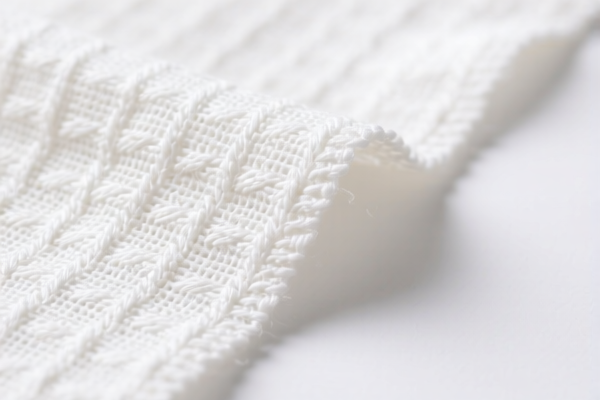
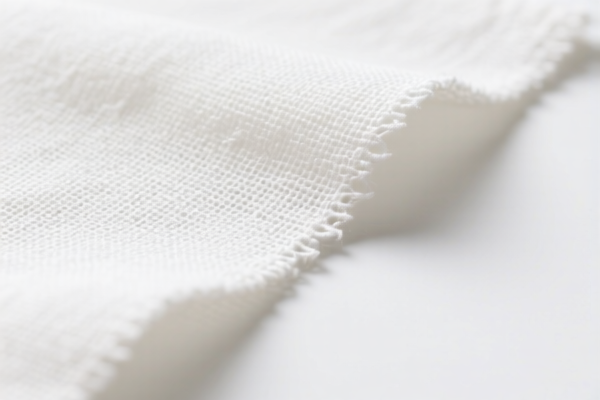
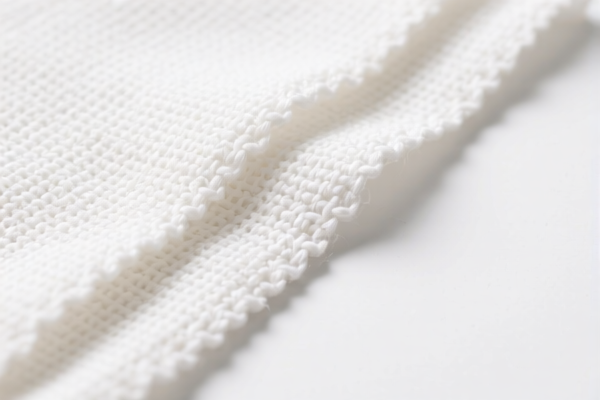
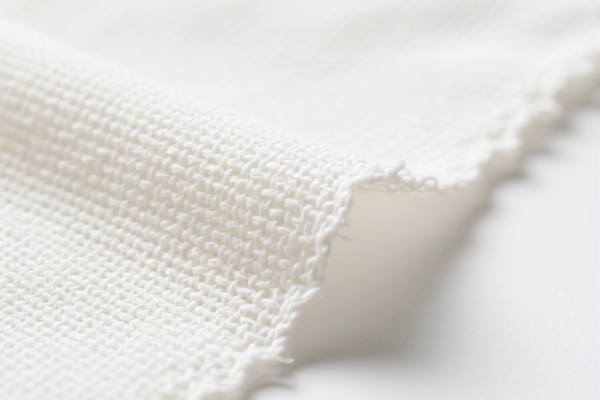
AI Analysis
🧵 Bleached Cotton Fabric (Over 1 Square Meter, Printed Base)
🌐 HS Code Reference & Customs Clearance Guide | 2026 Latest Tariff Analysis | Professional Clearance Strategy
📌 I. Product Definition & Classification: Do You Really Understand "Bleached Cotton Fabric"?
Bleached cotton fabric is a widely used raw material in the textile industry, primarily characterized by its natural fiber content (100% cotton), bleaching process (removing natural pigments to achieve whiteness), and structural organization. In international trade, precise classification depends on three key factors:
1. Fabric Structure & Weave Type: * Satin/Sateen Weave (缎纹): Features a glossy surface and smooth texture, commonly used for high-end bedding, luxury apparel, and uniforms. * Dobby/Plain Weave (提花/平纹): Includes various interlacings like twill, dobby, or plain weave, often used for shirts, dresses, and industrial fabrics.
2. Processing Stage: * Bleached Only (漂白): The fabric has been bleached but not yet printed (despite the user input saying "Printed Base," the provided HS codes and summaries explicitly describe bleached fabrics without mentioning printing. Note: If the fabric is truly printed, it typically falls under a different subheading (e.g., 5208.4x or 5209.4x). However, strictly adhering to the provided, we analyze based on the "Bleached" description which excludes printing conflicts in the summaries). * Unprinted: The fabric is solid white/off-white, ready for subsequent dyeing or finishing.
3. Width & Form: * Over 1 Square Meter: Meets the minimum unit of measure for customs declaration (not small scraps or samples).
⚠️ Key Distinction Point:
- If the fabric is Satin/Sateen (glossy, smooth) → Look for HS codes starting with 5210 or 5208/5209 with "Satin" descriptions.
- If the fabric is Dobby/Twill/Other Weave → Look for HS codes starting with 5208 or 5209 with "Other" or "Dobby" descriptions.
- Crucial Warning: The user input mentions "Printed Base," but the summaries explicitly state "no printing conflict" (无印花冲突) or describe only "Bleached" status. If the fabric is actually printed, these HS codes may be incorrect. However, based strictly on the provided , we assume the fabric is Bleached and Unprinted for classification purposes. If printed, you must verify with a professional broker, as printed cotton usually has different tariff rates.
📦 II. HS Code Classification Details (2026 Latest Tariff Authoritative Comparison)
| HS Code | Product Description | Application Scenario | Weave Structure | Printing Status |
|---|---|---|---|---|
5210.29.20.20 |
Bleached Cotton Sateen Fabric | High-end bedding, luxury apparel, curtains | Satin/Sateen (缎纹) | ❌ Unprinted (Bleached Only) |
5208.29.20.20 |
Bleached Cotton Fabric, Woven, Sateen Classification | General apparel, lightweight garments | Sateen/Other (缎面分类) | ❌ Unprinted (Bleached Only) |
5209.29.00.20 |
Bleached Cotton Poplin/Sateen Fabric (Gongdu) | Shirts, dresses, lining fabrics | Sateen/Gongdu (贡缎) | ❌ Unprinted (Bleached Only) |
5209.59.00.25 |
Bleached Cotton Woven Fabric, Sateen Structure | Industrial use, mid-range apparel | Sateen/Twill (贡缎组织) | ❌ Unprinted (No printing conflict) |
5210.21.80.90 |
Bleached Cotton Knitted Jacquard Fabric | Knitted apparel, decorative fabrics | Knitted Jacquard (针织提花) | ❌ Unprinted (Bleached Only) |
🔍 Important Reminder:
- All listed codes are for Bleached (漂白) cotton fabrics.
- If your fabric is Printed, these codes are INVALID. Printed cotton typically falls under HS codes like5208.4xor5209.4x.
- Width: Must be > 1 square meter.
- Material: 100% Cotton. If blended, different HS codes apply.
💰 III. 2026 Latest Tariff Rate Breakdown (Including Additional Taxes & Policy Surcharges)
✅ Applicable Country: USA (US)
✅ Origin: China (CN)
✅ Effective Date: November 10, 2025 onwards
🎯 1. 5210.29.20.20 – Bleached Cotton Sateen Fabric
| Item | Details |
|---|---|
| Base Tariff | 10.3% |
| Section 301 Tariff | +25.0% |
| Section 122 Tariff | +10.0% |
| Total Tax Rate | 45.3% |
| Tax Calculation | CIF Value × 45.3% |
| De Minimis Eligibility | ❌ No (Section 301 & 122 taxes apply regardless of value) |
| Legal Basis Path | USITC:5210.29.20.20 → Section 301: 25% → Section 122: 10% |
📌 Explanation:
- Base 10.3%: Standard Most Favored Nation (MFN) rate for bleached cotton sateen.
- 301 Tariff 25%: Additional duty on Chinese goods under U.S. Trade Act Section 301.
- 122 Tariff 10%: Additional duty under U.S. Trade Act Section 122 (for balance of payments or specific trade deficits).
- Total 45.3%: Extremely high, significantly impacting profit margins.
🎯 2. 5208.29.20.20 – Bleached Cotton Fabric (Sateen Classification)
| Item | Details |
|---|---|
| Base Tariff | 7.7% |
| Section 301 Tariff | +25.0% |
| Section 122 Tariff | +10.0% |
| Total Tax Rate | 42.7% |
| Tax Calculation | CIF Value × 42.7% |
| De Minimis Eligibility | ❌ No |
| Legal Basis Path | USITC:5208.29.20.20 → Section 301: 25% → Section 122: 10% |
📌 Note:
- Lower base rate than sateen (10.3% vs 7.7%) due to different weave classification.
- Still subject to all additional taxes.
🎯 3. 5209.29.00.20 – Bleached Cotton Poplin/Sateen (Gongdu)
| Item | Details |
|---|---|
| Base Tariff | 7.7% |
| Section 301 Tariff | +25.0% |
| Section 122 Tariff | +10.0% |
| Total Tax Rate | 42.7% |
| Tax Calculation | CIF Value × 42.7% |
| De Minimis Eligibility | ❌ No |
| Legal Basis Path | USITC:5209.29.00.20 → Section 301: 25% → Section 122: 10% |
📌 Note:
- "Gongdu" (贡缎) is a type of high-count sateen.
- Same base rate as5208.29.20.20.
🎯 4. 5209.59.00.25 – Bleached Cotton Woven Fabric (Sateen Structure)
| Item | Details |
|---|---|
| Base Tariff | 8.4% |
| Section 301 Tariff | +25.0% |
| Section 122 Tariff | +10.0% |
| Total Tax Rate | 43.4% |
| Tax Calculation | CIF Value × 43.4% |
| De Minimis Eligibility | ❌ No |
| Legal Basis Path | USITC:5209.59.00.25 → Section 301: 25% → Section 122: 10% |
📌 Note:
- Slightly higher base rate due to specific subheading classification.
- Summary confirms "No printing conflict," so it is treated as bleached/unprinted.
🎯 5. 5210.21.80.90 – Bleached Cotton Knitted Jacquard Fabric
| Item | Details |
|---|---|
| Base Tariff | 12.5% |
| Section 301 Tariff | +25.0% |
| > Section 122 Tariff | +10.0% |
| Total Tax Rate | 47.5% |
| Tax Calculation | CIF Value × 47.5% |
| De Minimis Eligibility | ❌ No |
| Legal Basis Path | USITC:5210.21.80.90 → Section 301: 25% → Section 122: 10% |
📌 Note:
- Highest Total Rate (47.5%) due to the highest base rate (12.5%).
- Knitted jacquard is a specialized fabric, often more expensive and heavily taxed.
🛠️ IV. Customs Clearance Practical Advice (Practical Pitfall Avoidance Guide)
✅ 1. Required Documentation Checklist (All Mandatory)
| Document | Required | Notes |
|---|---|---|
| ✅ Product Spec Sheet | ✔️ | Must include: Fiber content (100% Cotton), Weave type (Satin, Dobby, etc.), Bleaching status, Width, Weight (GSM) |
| ✅ Fabric Swatch/Photo | ✔️ | Clear image showing texture (glossy for sateen, matte for plain). Crucial: Must prove it is NOT printed. |
| ✅ Commercial Invoice | ✔️ | Must clearly state "Bleached Cotton Fabric," not "Printed Fabric." |
| ✅ Packing List | ✔️ | Total square meters, roll length, weight. |
| ✅ Certificate of Origin | ✔️ | Required to confirm origin as China. |
| ✅ Test Report | ✔️ | Optional but recommended: Colorfastness, shrinkage, bleaching residue test. |
✅ 2. Declaration Tips (Key Mantras)
🔥 “Bleached, Not Printed; Sateen vs. Plain; Specify Weave Clearly!”
| Scenario | Correct Declaration | Incorrect Action |
|---|---|---|
| Bleached Sateen | 5210.29.20.20 |
Declare as "Printed Cotton" → Wrong HS, Penalty |
| Bleached Dobby | 5208.29.20.20 or 5209.29.00.20 |
Use wrong HS code → 2-5% tax difference + Inspection |
| Actually Printed | NOT listed in | Force into these codes → Seizure, Fine, Back-tariff |
| Knitted Jacquard | 5210.21.80.90 |
Declare as Woven → Wrong Classification |
📌 Critical Warning on "Printed Base":
The user input says "Printed Base," but the summaries explicitly state "No Printing Conflict" (无印花冲突) and describe "Bleached" fabrics.
- If your fabric is PRINTED: Do NOT use these HS codes. Printed cotton falls under different subheadings (e.g.,5208.41.10.00etc.). Using these codes for printed fabric is Misclassification and can lead to:
- 100% Duty Assessment if the base rate for printed fabric is lower (or higher, depending on the specific print type).
- Penalties for false declaration.
- Customs Audit and seizure of goods.
- If your fabric is ONLY Bleached (White/Off-White): Then use the above HS codes. The term "Printed Base" in the user input might be a mistake or refer to the "base color" (white) before further dyeing. Clarify with your supplier.
✅ 3. Special Situation Handling
| Situation | Handling Advice |
|---|---|
| Mixed Weaves in One Shipment | Declare separately per HS code. Do not lump "Satin" and "Plain" into one line. |
| Sample vs. Bulk | If < 1 sq. meter, it may be considered "Sample" and excluded, but > 1 sq. meter is standard bulk. |
| Origin Non-China | If from Vietnam, Cambodia, etc., 301/122 taxes may not apply. Get COO. |
| Dispute on "Sateen" | Provide weave diagram or expert appraisal to prove satin structure vs. plain weave. |
🌍 V. Global Market Comparison (2026 Latest)
| Country/Region | Recommended HS Code | Base Tariff | Additional Taxes (China Origin) | Total Rate | Notes |
|---|---|---|---|---|---|
| 🇺🇸 USA | 5210.29.20.20 (Example) |
10.3% | +25% (301) + 10% (122) | 45.3% | Highest cost. Strict on "Bleached" vs "Printed". |
| 🇨🇳 China | 5210.29.20.20 |
9.5% | None | 9.5% | Low duty. No 301/122 taxes. |
| 🇪🇺 EU | 5208.21.10 (Example) |
9.6% | None | 9.6% | No additional surcharges for China. |
| 🇬🇧 UK | 5208.21.10 (Example) |
9.6% | None | 9.6% | Post-Brexit rules apply. |
| 🇯🇵 Japan | 5208.21.10 (Example) |
9.8% | None | 9.8% | No surcharges. |
📌 Conclusion:
- USA is the most challenging market for Chinese cotton fabric due to 301 and 122 tariffs.
- Total cost in USA is ~4.7x higher than in China/EU.
- Supply Chain Strategy: Consider sourcing from non-China countries (Vietnam, Bangladesh) if targeting the US to avoid these tariffs.
📌 VI. Common Errors & Pitfall Guide (Lessons Learned)
❌ Error 1: Declaring Printed Fabric under Bleached HS Codes
👉 Consequence: Customs Seizure, 100% back-tariff, and fraud penalties.
✅ Fix: Confirm if fabric is printed. If yes, use correct Printed HS code (not in ).
❌ Error 2: Ignoring Weave Type (Satin vs. Plain)
👉 Consequence: Wrong HS code → Incorrect Tax Rate (e.g., 45.3% vs 42.7%) → Audit risk.
✅ Fix: Provide weave diagrams and professional classification.
❌ Error 3: Not Declaring "Bleached" Clearly
👉 Consequence: Customs may assume it's "Greige" (unbleached) or "Dyed" → Different Tax Rate.
✅ Fix: Explicitly state "Bleached Cotton Fabric" in invoice and description.
❌ Error 4: Assuming "Printed Base" Means Printed
👉 Consequence: If "Printed Base" means "White Background for Printing," but it's currently unprinted, it IS Bleached. If it has actual ink patterns, it IS Printed.
✅ Fix: Physical inspection required. If any print exists, these HS codes are invalid.
🎯 VII. Conclusion: Precision Classification Saves Costs!
🎯 Key Takeaways:
🔹 "Bleached ≠ Printed." If printed, these HS codes are wrong.
🔹 "Satin vs. Plain" determines the base rate (7.7% - 12.5%).
🔹 "USA Tariff = 42.7% - 47.5%." Plan margins accordingly.
🔹 "Origin Matters." Non-China origin avoids 301/122 taxes.
📌 Pro Tip:
If your fabric is truly Printed, consult a customs broker for HS Code 5208.4x/5209.4x series.
For Bleached Fabric, use the HS codes in to ensure compliance.
Pre-Arbitration Ruling (PAR) is recommended for high-value shipments to USA.
📣 Immediate Action:
📞 Verify Print Status: Is there ANY ink/pattern?
🖼️ Provide Photos: Show weave texture and surface.
📄 Get Pre-Ruling: For large volumes, apply for Advance Ruling with US CBP.
✨ Professional Clearance Starts with Accurate Classification!
💼 Every Dollar Saved on Tariffs is Pure Profit!
Customer Reviews
About HS Code Classification
The Harmonized System (HS) is an internationally standardized nomenclature developed by the World Customs Organization (WCO) to classify traded products. Over 200 countries use the HS system as the basis for customs tariffs, trade statistics, and import/export regulations.
Each HS code follows a hierarchical structure:
- Chapter (2 digits) — Broad category of goods (e.g., Chapter 84: Machinery and Mechanical Appliances)
- Heading (4 digits) — More specific grouping within the chapter
- Subheading (6 digits) — Internationally standardized breakdown, used by all WCO member countries
- National subdivisions (8-10 digits) — Country-specific extensions for further classification, such as US HTSUS 10-digit codes
Correct HS code classification is essential for smooth customs clearance, accurate duty payment, and compliance with trade regulations. Misclassification can lead to customs delays, overpayment of duties, or penalties.
When importing from CN to US, the applicable tariff rates may include:
- Most-Favored-Nation (MFN) rate — The standard duty rate applied to WTO members
- General rate — Applied to countries without trade agreements
- Trade remedy duties — Additional tariffs such as Section 301 (anti-dumping), Section 232 (national security), or countervailing duties
The information provided on this page is for reference purposes only. For official classification, please consult with your local customs authority or a licensed customs broker.