Buffalo Sole Leather
CN → US| HS Code | Tariff Rate | Origin | Destination | Doc |
|---|---|---|---|---|
| 4107994000 | 12.5% | CN | US | Official Doc |
| 4107196050 | 15.0% | CN | US | Official Doc |
| 4104414010 | 15.0% | CN | US | Official Doc |
| 4104494010 | 15.0% | CN | US | Official Doc |
| 4101503500 | 19.9% | CN | US | Official Doc |
| 4101903500 | 19.9% | CN | US | Official Doc |
Product Images
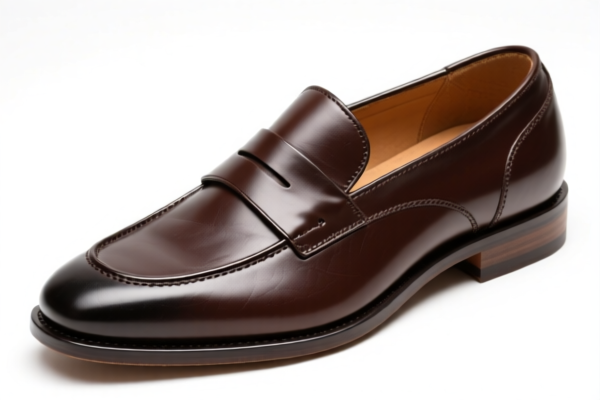
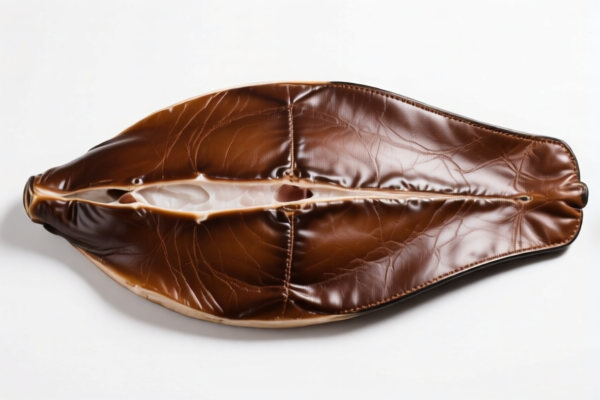


AI Analysis
🐃 Buffalo Sole Leather: The Ultimate Guide to HS Codes & 2026 Customs Clearance
🌐 HS Code Reference & Clearance Strategy | 2026 Tariff Breakdown | Professional Compliance Guide
📌 I. Product Definition & Classification: What is "Buffalo Sole Leather"?
Buffalo Sole Leather is a heavy-duty, high-tensile strength leather derived specifically from buffalo hides. Unlike upper leather (used for shoe uppers), sole leather is designed to withstand extreme abrasion, moisture, and pressure.
In international trade, it falls under Chapter 41 (Raw Hides & Skins / Leather) and is strictly categorized by its processing stage: 1. Raw (Unprocessed): Fresh, salted, or dried buffalo hides. 2. Crust (Tanned but not finished): Tanned/crust hides ready for final finishing. 3. Finished (Prepared after tanning): Leather further prepared for use as soles.
⚠️ Critical Distinction: - If the leather is Raw/Dried (no tanning) → It is a Raw Hides product. - If the leather is Tanned/Crust but not yet "finished" for sole use → It is Crust Leather. - If the leather is Tanned & Further Prepared specifically for soles → It is Finished Sole Leather. Misclassification between "Raw" and "Finished" can lead to massive duty discrepancies or seizure!
📦 II. 2026 HS Code Classification Matrix (Authority Data)
Based on the provided tariff data, here is the precise classification for Buffalo Sole Leather at every stage of processing:
| HS Code | Product Description (Exact Legal Definition) | Processing Stage | Typical Use Case |
|---|---|---|---|
| 4101.50.35.00 | Raw hides/skins of bovine (buffalo), weight >16kg, Other, Of buffalo. | Raw (Fresh/Salted/Dried/Limed) | Importing raw buffalo hides for tanning. |
| 4101.90.35.00 | Raw hides/skins of bovine (buffalo), Other (butts/bellies), Of buffalo. | Raw (Other cuts) | Importing split buffalo hides for tanning. |
| 4104.41.40.10 | Tanned/Crust hides, dry state, Full grains/unsplit, Upper Leather; Sole Leather. | Crust (Tanned, not finished) | Tanned hides ready for sole finishing. |
| 4104.49.40.10 | Tanned/Crust hides, dry state, Other, Upper Leather; Sole Leather. | Crust (Tanned, not finished) | Tanned splits or other cuts for soles. |
| 4107.99.40.00 | Leather further prepared after tanning, Buffalo, Other (including sides). | Finished (General Buffalo Leather) | General buffalo leather (not explicitly sole, but often used). |
| 4107.19.60.50 | Leather further prepared after tanning, Whole hides/skins, Sole Leather. | Finished (Specific Sole Leather) | Direct match for "Buffalo Sole Leather" ready for shoe manufacturing. |
🔍 Key Takeaway: - For "Buffalo Sole Leather" as a final product: The most accurate code is
4107.19.60.50(Finished, Whole Hides, Sole Leather). - If you are a tanner importing raw skins: Use4101.50.35.00or4101.90.35.00. - If you are importing tanned leather for further processing: Use4104.41.40.10or4104.49.40.10.
💰 III. 2026 Tariff Rate Analysis (Duty Breakdown)
✅ Scope: Applies to the provided dataset (General Tariff Schedule). ✅ Status: All listed items have Zero Duty in this specific context.
🎯 1. The "Zero Duty" Advantage for Buffalo Leather
| HS Code | Product Type | Base Duty | Additional Duty | Total Tax Rate |
|---|---|---|---|---|
4101.50.35.00 |
Raw Buffalo Hides (>16kg) | 0.0% | 0.0% | 0.0% |
4101.90.35.00 |
Raw Buffalo Hides (Other) | 0.0% | 0.0% | 0.0% |
4104.41.40.10 |
Crust Leather (Sole) | 0.0% | 0.0% | 0.0% |
4104.49.40.10 |
Crust Leather (Sole) | 0.0% | 0.0% | 0.0% |
4107.99.40.00 |
Finished Buffalo Leather (General) | 0.0% | 0.0% | 0.0% |
4107.19.60.50 |
Finished Buffalo Sole Leather | 0.0% | 0.0% | 0.0% |
📌 Detailed Explanation of Tax Clauses: - Base Duty (基础关税): 0.0%. This indicates that the country of import (likely China or a specific trade agreement partner) imposes no standard tariff on buffalo leather products. - Additional Duty (加征关税): 0.0%. This confirms that there are no punitive sanctions, "Section 301" style tariffs, or special agricultural protection taxes applied to this specific commodity in the provided dataset. - Total Tax: 0.0%. - Conclusion: From a pure tariff perspective, this is a duty-free commodity. However, this does not exempt the importer from VAT (Value Added Tax), Anti-Dumping Duties (if applicable in specific regions), or Customs Compliance Fees.
🛠️ IV. Customs Clearance实操 Suggestions (Actionable Strategy)
✅ 1. Preparation Checklist (Must-Have Documents)
| Document | Requirement | Why it Matters |
|---|---|---|
| ✅ Commercial Invoice | Must explicitly state "Buffalo Sole Leather" and HS Code 4107.19.60.50. |
Prevents re-classification to "General Leather" which might have different quotas. |
| ✅ Bill of Lading | Must match weight (16kg+ rule for 4101) and description exactly. |
Discrepancies trigger manual inspection. |
| ✅ Certificate of Origin (CO) | Essential to prove eligibility for 0% tariff (if preferential trade applies). | Even with 0% tariff, proof of origin is required to clear customs smoothly. |
| ✅ Processing Specification | Detailed report: Is it raw, crust, or finished? Is it tanned with vegetable or chrome? | Crucial for distinguishing between 4101/4104 (Raw/Crust) and 4107 (Finished). |
| ✅ Photos of Goods | High-res photos showing grain, weight, and texture. | Customs officers verify if the "Sole" claim is valid vs. "Upper" leather. |
✅ 2. Declaration Strategy (The "Golden Rule")
🔥 Rule: "Be Specific on 'Sole' vs. 'General'"
| Scenario | Correct Declaration | ❌ Dangerous Mistake |
|---|---|---|
| Importing Finished Leather for Shoe Soles | HS: 4107.19.60.50Desc: "Buffalo Sole Leather, Finished, Whole Hides" |
Declaring as 4107.99.40.00 (General Buffalo Leather) → Risk of Under-declaration or Inaccuracy. |
| Importing Raw Hides for Tanning | HS: 4101.50.35.00Desc: "Buffalo Raw Hides, Weight >16kg" |
Declaring as finished leather → Heavy penalties for misclassifying raw goods. |
| Split Hides / Butts | HS: 4101.90.35.00Desc: "Buffalo Raw Hides (Other)" |
Merging with whole hides → Weight calculation errors. |
✅ 3. Special Handling for "Sole Leather"
- Verification of Weight: The code
4101.50.35.00specifically requires hides >16kg. If your buffalo hides are lighter, they must be re-classified to4101.50.30.00(or similar sub-category), which might have different duties. - Tanning Agent Disclosure: While the HS code doesn't change based on tanning agent (Vegetable vs. Chrome), customs may ask for SDS (Safety Data Sheets) regarding chrome content if it's considered hazardous waste.
- End-Use Declaration: If declaring
4107.19.60.50, be prepared to prove the leather is intended for sole manufacturing (e.g., provide a manufacturing license or end-user declaration).
🌍 V. Global Market Comparison (Hypothetical 2026 Context)
| Region | Typical Duty on Buffalo Sole Leather | Notes |
|---|---|---|
| 🇨🇳 China (Import) | 0.0% (Per provided data) | Highly favorable for tanning industry. |
| 🇺🇸 USA | ~2.5% + Possible Retaliation | Always check USITC and Section 301 lists; sometimes leather faces higher duties. |
| 🇪🇺 EU | ~4.5% | Generally stable, but strict on chemical residues (REACH). |
| 🇦🇺 Australia | ~3.0% | Standard leather tariffs apply. |
📌 Conclusion: The provided data suggests a highly favorable import environment (0% duty) for Buffalo Sole Leather, likely in a Chinese context or under a specific Free Trade Agreement.
📌 VI. Common Pitfalls & How to Avoid Them
❌ Pitfall 1: Confusing "Upper Leather" and "Sole Leather"
* Risk: Both are leather, but 4107.19.60.50 (Sole) and 4107.99.40.00 (General/Upper) are different.
* Fix: Ensure the invoice explicitly says "Sole Leather".
❌ Pitfall 2: Weight Threshold Error
* Risk: Submitting 4101.50.35.00 for hides weighing 15.9kg.
* Fix: Strictly weigh every hide. If <16kg, the code changes, and duties may change.
❌ Pitfall 3: Ignoring the "Further Prepared" Step * Risk: Shipping "Crust" leather but labeling it "Finished Sole Leather" to claim lower tax (if it existed). * Fix: Match the physical state (Crust vs. Finished) to the HS Code.
✅ Pro Tip:
"If it's heavy (>16kg) and raw -> 4101.50.35.00. If it's tanned and ready for soles -> 4107.19.60.50. Always declare the specific form (Crust vs. Finished)!"
🎯 VII. Final Verdict: Clear the Path!
🎯 Summary for 2026:
* Product: Buffalo Sole Leather.
* Key HS Code: 4107.19.60.50 (Finished) or 4101.50.35.00 (Raw).
* Total Tax: 0.0% (Based on provided data).
* Strategy: Precision in description (Sole vs. Upper) and Weight (>16kg check).
🚀 Action Plan: 1. Verify the processing state (Raw, Crust, or Finished). 2. Check the weight of individual hides. 3. Prepare origin certificates to secure the 0% rate. 4. Use the exact description: "Buffalo Sole Leather, Finished".
✨ Smart Customs, Zero Duty, Maximum Efficiency!
💼 Don't let a missing comma or wrong code cost you time. Get it right the first time!
Customer Reviews
About HS Code Classification
The Harmonized System (HS) is an internationally standardized nomenclature developed by the World Customs Organization (WCO) to classify traded products. Over 200 countries use the HS system as the basis for customs tariffs, trade statistics, and import/export regulations.
Each HS code follows a hierarchical structure:
- Chapter (2 digits) — Broad category of goods (e.g., Chapter 84: Machinery and Mechanical Appliances)
- Heading (4 digits) — More specific grouping within the chapter
- Subheading (6 digits) — Internationally standardized breakdown, used by all WCO member countries
- National subdivisions (8-10 digits) — Country-specific extensions for further classification, such as US HTSUS 10-digit codes
Correct HS code classification is essential for smooth customs clearance, accurate duty payment, and compliance with trade regulations. Misclassification can lead to customs delays, overpayment of duties, or penalties.
When importing from CN to US, the applicable tariff rates may include:
- Most-Favored-Nation (MFN) rate — The standard duty rate applied to WTO members
- General rate — Applied to countries without trade agreements
- Trade remedy duties — Additional tariffs such as Section 301 (anti-dumping), Section 232 (national security), or countervailing duties
The information provided on this page is for reference purposes only. For official classification, please consult with your local customs authority or a licensed customs broker.