Buttons, Rivets, Snap Fasteners and Parts
CN → USProduct Images
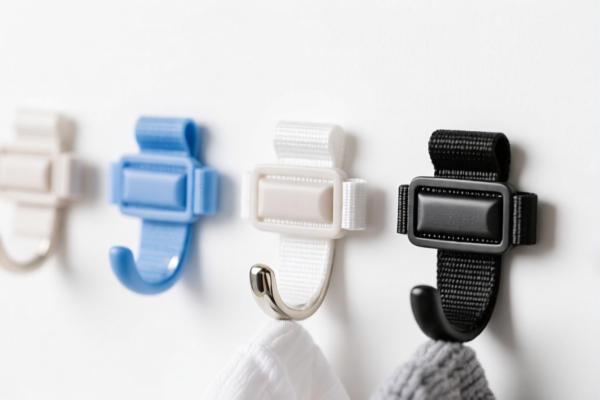
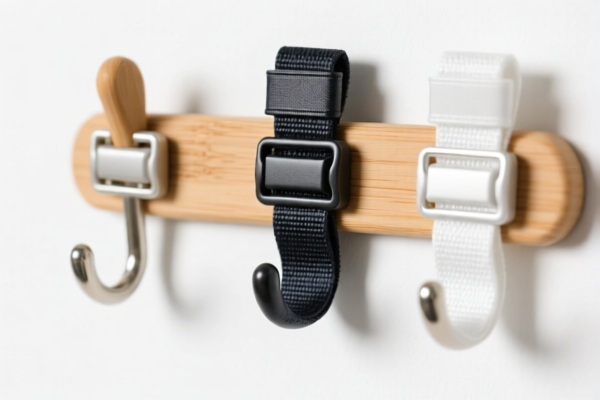
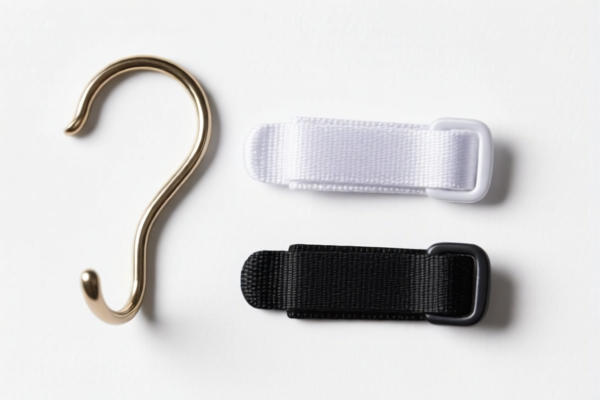
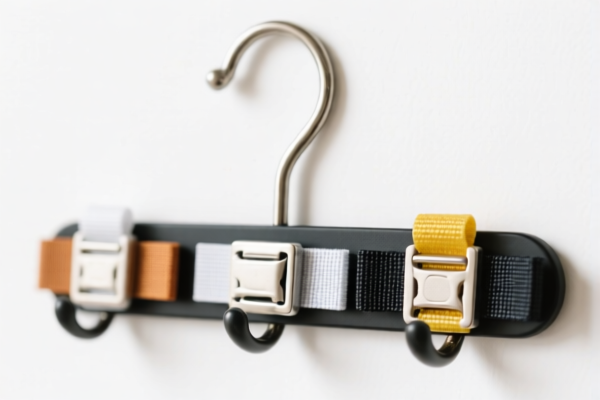
AI Analysis
🔘 Buttons, Rivets, Snap Fasteners & Parts (Hard Goods)
🌐 HS Code Reference & Customs Clearance Guide | 2026 Latest Tariff Analysis | Professional Strategy for Apparel Accessories
📌 I. Product Definition: What Are "Hard Goods"?
In the apparel and footwear industry, Buttons, Rivets, Snap Fasteners, and Hooks/ Eyes are collectively known as "Hard Goods" or "Trims." They are functional or decorative components used to fasten, secure, or embellish garments, bags, shoes, and luggage.
Key Distinctions: * Buttons: Disc-shaped objects with holes or shanks, used for fastening. * Rivets: Permanent metal pins used to join two or more layers of material (common in denim). * Snap Fasteners (Press Studs): Temporary fasteners consisting of a male and female part that snap together. * Parts: Components such as button blanks, rivet bases, snap male/female parts, or hooks/eyes.
⚠️ Critical Classification Point:
- If the item is purely decorative (e.g., plastic button used only for style) → Chapter 96.
- If the item is functional fastening (e.g., snap fastener) → Chapter 96.
- Base Metal vs. Plastic vs. Other Materials: The material composition dictates the specific 8-digit HS Code.
- Sets: If sold as a "set" (e.g., buttons + thread), they may be classified under the principal component.
📦 II. HS Code Classification Details (2026 Latest Tariff Authority)
| HS Code | Product Description | Material/Type | Applicable Scenario |
|---|---|---|---|
9606.21.00.00 |
Buttons, made of base metal | Base Metal (e.g., brass, steel) | Metal buttons, shank buttons, decorative metal buttons |
9606.22.00.00 |
Buttons, made of plastics | Plastic | Most common plastic buttons, molded buttons |
9606.30.00.00 |
Snap fasteners and part thereof | Any Material | Snap studs, male/female parts, regardless of material (plastic/metal) |
9606.10.00.00 |
Button blanks | Any Material | Unfinished button components, not yet assembled |
8308.10.00.00 |
Rivets | Base Metal | Copper, brass, or other base metal rivets |
7318.29.00.00 |
Rivets | Steel/Other Metal | Stainless steel or other non-ferrous metal rivets not elsewhere specified |
6217.10.00.00 |
Other made-up accessories | Textile/Plastic | Do NOT use for hard goods. Used for sew-on labels, elastic bands, fabric patches. |
🔍 Key Reminders:
- Snap Fasteners (9606.30) are classified by function, not material. Even plastic snaps go here.
- Rivets are split between 8308 (copper/brass) and 7318 (steel/other).
- Button Blanks (9606.10) are for unfinished components, not retail-ready buttons.
- Sets: A box containing buttons and a needle threader is still classified under buttons (9606).
💰 III. 2026 Latest Tariff Rate Details (Including Surcharges)
✅ Applicable Country: United States (US)
✅ Origin: China (CN)
✅ Effective Date: November 10, 2025 onwards
🎯 1. 9606.22.00.00 —— Buttons, Made of Plastics
| Item | Details |
|---|---|
| Base Rate | 4.7% (ad valorem) |
| USITC Surcharge (Section 301) | +7.5% |
| IEEPA Surcharge | +10% (China/HK origin) |
| Total Rate | ~22.2% (4.7% + 7.5% + 10%) |
| Tax Calculation | CIF Value × 22.2% |
| De Minimis Eligible? | ❌ No (deny_de_minimis) |
| Legal Path | IEEPA:9903.01.24 → USITC:9606.22.00.00 → FOOTNOTE:9903.88.01 |
📌 Explanation:
- Plastic buttons are subject to Section 301 tariffs (7.5%) and IEEPA (10%).
- Total burden is high (~22%), so accurate classification is crucial to avoid overpaying or underpaying.
🎯 2. 9606.30.00.00 —— Snap Fasteners and Parts
| Item | Details |
|---|---|
| Base Rate | 3.4% (ad valorem) |
| USITC Surcharge (Section 301) | +7.5% |
| IEEPA Surcharge | +10% (China/HK origin) |
| Total Rate | ~20.9% (3.4% + 7.5% + 10%) |
| Tax Calculation | CIF Value × 20.9% |
| De Minimis Eligible? | ❌ No (deny_de_minimis) |
| Legal Path | IEEPA:9903.01.24 → USITC:9606.30.00.00 → FOOTNOTE:9903.88.01 |
📌 Note:
- Snap fasteners are widely used in jeans, jackets, and children’s wear.
- Classification as9606.30is mandatory, even if made of plastic. Misclassifying as "parts of apparel" (6116,6217) is a common error leading to penalties.
🎯 3. 8308.10.00.00 —— Rivets (Base Metal: Copper/Brass)
| Item | Details |
|---|---|
| Base Rate | 5.7% |
| USITC Surcharge (Section 301) | +25% |
| IEEPA Surcharge | +10% |
| Total Rate | ~40.7% |
| Tax Calculation | CIF Value × 40.7% |
| De Minimis Eligible? | ❌ No |
📌 Warning:
- Copper/brass rivets (common in high-end denim) face higher Section 301 rates (25% vs 7.5%).
- Always check material composition. If steel, use7318.29(often lower rate, but still subject to IEEPA).
🎯 4. 9606.10.00.00 —— Button Blanks
| Item | Details |
|---|---|
| Base Rate | 5.0% |
| USITC Surcharge (Section 301) | +7.5% |
| IEEPA Surcharge | +10% |
| Total Rate | ~22.5% |
| Tax Calculation | CIF Value × 22.5% |
| De Minimis Eligible? | ❌ No |
🛠️ IV. Customs Clearance Practical Advice (Real-World Pitfalls)
✅ 1. Required Documentation Checklist
| Document | Required | Notes |
|---|---|---|
| ✅ Product Specification Sheet | ✔️ | Must specify material (e.g., "Polyster Button," "Brass Rivet") |
| ✅ Product Photos | ✔️ | Clear images of front/back, showing holes, shanks, or snap mechanism |
| ✅ Bill of Lading / Invoice | ✔️ | Description must match HS Code (e.g., "Plastic Buttons" not "Apparel Parts") |
| ✅ Material Declaration | ✔️ | Critical for distinguishing between 9606 (Buttons) and 8308 (Rivets) |
| ✅ Country of Origin Certificate | ✔️ | Required for IEEPA determination |
| ✅ FCC/CE Certificates | ❌ | Not typically required for hard goods unless they contain electronic components |
✅ 2. Declaration Tips (Key Mantras)
🔥 "Material Defines Code, Function Defines Chapter, Don't Mix Trims!"
| Scenario | Correct HS Code | Wrong Approach |
|---|---|---|
| Plastic Buttons | 9606.22.00.00 |
Misclassified as 6217 (Apparel Accessories) → 0% but audit risk |
| Metal Snaps | 9606.30.00.00 |
Misclassified as 8308 (Rivets) → Wrong tariff base |
| Brass Rivets | 8308.10.00.00 |
Misclassified as 7318 (Steel) → Penalty for wrong material |
| Mixed Box (Buttons + Rivets) | Separate Lines | Combine into one line → Customs may classify entire box at highest rate |
| Button Blanks (Unfinished) | 9606.10.00.00 |
Declare as "Buttons" → Overpay duties on unfinished goods |
✅ 3. Special Handling Cases
| Case | Handling Advice |
|---|---|
| Sets (Buttons + Needle Threader) | Classify under Buttons (9606) as they form the essential character |
| Electronic Buttons (LED Buttons) | May fall under 8531 (Electric signs/lighting) if functionality is primarily lighting |
| OEM Custom Rivets | Provide engineering drawings to confirm material and head type |
| Samples for Approval | Still subject to duty if declared as samples with commercial value; use "Non-Commercial Sample" cautiously |
| Returned Goods | If returned within 1 year, may apply for Duty Drawback if original duties were paid |
🌍 V. Global Market Comparison (2026 Latest)
| Country/Region | Recommended HS Code | Tariff (China Origin) | Certification | Notes |
|---|---|---|---|---|
| 🇺🇸 USA | 9606.22.00.00 / 9606.30.00.00 |
22.2% / 20.9% | None | High IEEPA + Section 301 |
| 🇨🇳 China | 9606.22.00.00 / 9606.30.00.00 |
5.5% / 4.5% | None | Lower base rate, no surcharge |
| 🇪🇺 EU | 9606.22.00.00 / 9606.30.00.00 |
6.5% / 6.5% | REACH (if plastic) | No US-style surcharges |
| 🇬🇧 UK | 9606.22.00.00 / 9606.30.00.00 |
6.5% / 6.5% | UKCA | Post-Brexit alignment with EU |
| 🇦🇺 Australia | 9606.22.00.00 / 9606.30.00.00 |
5.0% / 5.0% | none | Low base rate, no surcharge |
📌 Conclusion:
- USA is the most expensive market for Chinese-origin hard goods due to IEEPA + Section 301.
- EU/UK/Australia have lower base rates but may require chemical compliance (REACH) for plastic components.
- China Domestic Market has the lowest tariffs, making it a hub for finishing and re-export.
📌 VI. Common Mistakes & Pitfalls (Blood-Lesson Guide)
❌ Mistake 1: Declaring "Snap Fasteners" as "Parts of Apparel" (6217)
👉 Consequence: 0% duty declared, but Customs assesses 20.9% + penalties.
❌ Mistake 2: Mixing "Buttons" and "Rivets" in one line item
👉 Consequence: Customs may apply the highest applicable rate to the entire shipment.
❌ Mistake 3: Incorrect Material Declaration (e.g., "Metal" instead of "Brass")
👉 Consequence: Misclassification between 8308 and 7318, leading to 25% vs 7.5% difference.
❌ Mistake 4: Ignoring "Button Blanks" distinction
👉 Consequence: Paying higher duty on unfinished components that should be classified at 9606.10.
✅ Correct Practice:
"Plastic Snap Fasteners, Male/Female Parts, for Apparel Use, HS 9606.30.00.00"
"Brass Rivets, Cup Head, for Denim Jeans, HS 8308.10.00.00"
🎯 VII. Conclusion: Precision Saves Money!
🎯 Remember the Mantra:
🔹 "Hard Goods, Chapter 96 & 83, Material Matters, Function Defines."
🔹 "Snap is 9606.30, Plastic Button 9606.22, Brass Rivet 8308.10."
🔹 "China Origin to US? Expect 20-40% Total Duty. Plan Ahead!"
📌 Pro Tip:
If your hard goods are originally from Vietnam, Indonesia, or Thailand, you may be eligible for lower or zero Section 301 tariffs under certain FTAs.
Recommendation: Apply for an Advance Ruling from US CBP if you have large, consistent shipments.
📣 Take Action Now:
📞 Consult a licensed customs broker + Provide material specs + Request HS Code ruling
🚀 Ensure your hard goods clear customs smoothly, avoid delays, and optimize your cost structure.
✨ Accurate Classification, Predictable Costs!
💼 Every penny saved in duty is pure profit!
Customer Reviews
About HS Code Classification
The Harmonized System (HS) is an internationally standardized nomenclature developed by the World Customs Organization (WCO) to classify traded products. Over 200 countries use the HS system as the basis for customs tariffs, trade statistics, and import/export regulations.
Each HS code follows a hierarchical structure:
- Chapter (2 digits) — Broad category of goods (e.g., Chapter 84: Machinery and Mechanical Appliances)
- Heading (4 digits) — More specific grouping within the chapter
- Subheading (6 digits) — Internationally standardized breakdown, used by all WCO member countries
- National subdivisions (8-10 digits) — Country-specific extensions for further classification, such as US HTSUS 10-digit codes
Correct HS code classification is essential for smooth customs clearance, accurate duty payment, and compliance with trade regulations. Misclassification can lead to customs delays, overpayment of duties, or penalties.
When importing from CN to US, the applicable tariff rates may include:
- Most-Favored-Nation (MFN) rate — The standard duty rate applied to WTO members
- General rate — Applied to countries without trade agreements
- Trade remedy duties — Additional tariffs such as Section 301 (anti-dumping), Section 232 (national security), or countervailing duties
The information provided on this page is for reference purposes only. For official classification, please consult with your local customs authority or a licensed customs broker.