Car Storage Bucket
CN → US| HS Code | Tariff Rate | Origin | Destination | Doc |
|---|---|---|---|---|
| 3926901000 | 20.9% | CN | US | Official Doc |
| 3926909989 | 22.8% | CN | US | Official Doc |
| 4202999000 | 55.0% | CN | US | Official Doc |
| 7326908688 | 87.9% | CN | US | Official Doc |
| 3926901000 | 20.9% | CN | US | Official Doc |
Product Images

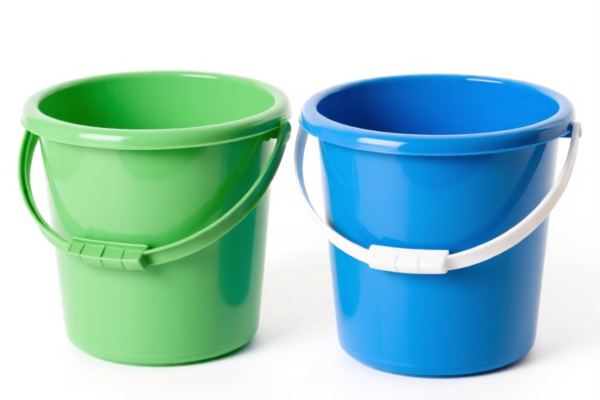
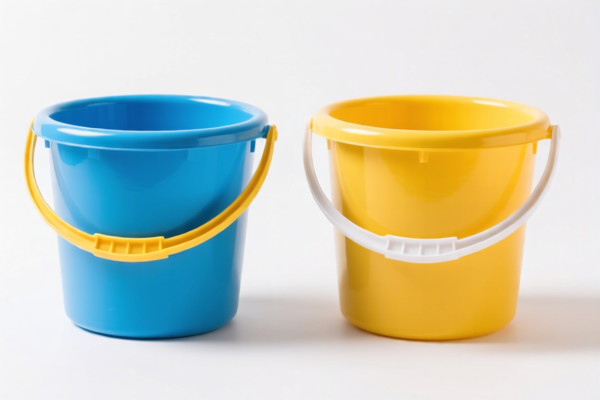
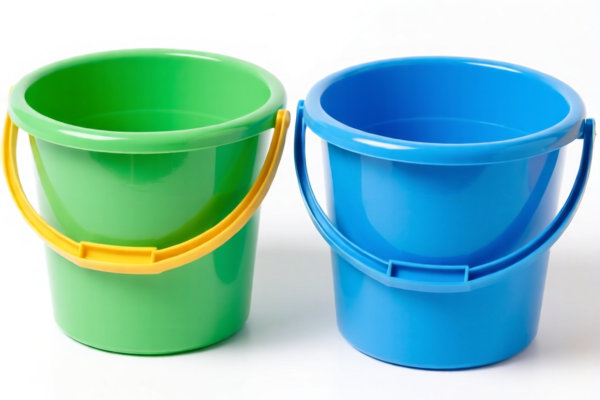
AI Analysis
🚗 Car Storage Bucket (Automotive Trash Bin)
🌐 HS Code Classification & Customs Clearance Guide | 2026 Latest Tariff Analysis | Professional Compliance Strategy
📌 I. Product Definition & Classification: Do You Really Understand "Car Storage Bucket"?
A Car Storage Bucket (also known as an automotive trash bin or car waste container) is an accessory designed to maintain cleanliness inside vehicles. In international trade, its classification depends heavily on material composition and structural design. It is not a single unified category but splits into plastic, textile/leather, and metal variants, each attracting drastically different tariff structures.
⚠️ Key Classification Distinction:
- If made primarily of Plastic → Classified under Chapter 39 (Plastics)
- If made of Textile/Leather (like a car trash bag holder) → Classified under Chapter 42 (Articles of Leather; Saddle Harness)
- If made of Metal (Steel/Aluminum) → Classified under Chapter 73 (Articles of Iron or Steel)
📦 II. HS Code Classification Details (2026 Latest Tariff Authority Reference)
| HS Code | Product Description | Applicable Scenario | Material Type |
|---|---|---|---|
3926.90.10.00 |
Plastic buckets/barrels | Plastic car trash bins, plastic waste containers | ✅ Plastic |
3926.90.99.89 |
Other plastic articles | Plastic bins made of mixed plastic materials or other plastic parts | ✅ Plastic |
4202.99.90.00 |
Other containers & bags | Trash bins made of textile, faux leather, or woven fabric for cars | ❌ Textile/Fabric |
7326.90.86.88 |
Other articles of iron/steel | Metal car trash bins, stainless steel waste receptacles | ✅ Metal (Steel) |
🔍 Critical Reminder:
- Plastic items generally fall under 3926, but specific "bucket" forms may have a dedicated sub-code (3926.90.10.00). - Textile/Fabric containers are NOT classified under plastics even if they have plastic liners; they go to 4202. - Metal containers are strictly under Chapter 73. Misclassifying a metal bin as plastic can lead to severe penalties.
💰 III. 2026 Latest Tariff Rate Breakdown (Including Surcharges & Policy Add-ons)
✅ Applicable Country: United States (US)
✅ Country of Origin: China (CN)
✅ Effective Date: Current trade policies apply (Including Section 301 and Section 232 add-ons)
🎯 1. 3926.90.10.00 —— Plastic Buckets (Plastic Car Storage Bucket)
| Item | Content |
|---|---|
| Base Duty Rate | 3.4% (ad valorem) |
| Section 301 Surcharge | +7.5% (Additional duty on Chinese imports) |
| Section 122 Surcharge | +10% (Specific surcharge for certain Chinese goods) |
| Total Tax Rate | 20.9% |
| Tax Calculation | CIF Value × 20.9% |
| De Minimis Exemption | ❌ Not Eligible (Section 301 goods are excluded) |
| Legal Basis Path | HTSUS:3926.90.10.00 → Section 301 List 4B → Section 122 Authority |
📌 Explanation:
- The Base Rate is low (3.4%) for general plastic goods. - However, due to trade tensions, a 7.5% Section 301 tariff is added. - Additionally, a 10% Section 122 tariff applies to specific plastic articles from China. - Total Effective Rate: 20.9%. This is a moderate burden compared to metal goods.
🎯 2. 3926.90.99.89 —— Other Plastic Articles (Mixed Material Plastic Bucket)
| Item | Content |
|---|---|
| Base Duty Rate | 5.3% |
| Section 301 Surcharge | +7.5% |
| Section 122 Surcharge | +10% |
| Total Tax Rate | 22.8% |
| Tax Calculation | CIF Value × 22.8% |
| De Minimis Exemption | ❌ Not Eligible |
| Legal Basis Path | HTSUS:3926.90.99.89 → Section 301 List 4B → Section 122 Authority |
📌 Note:
- Use this code if the bucket is made of non-standard plastics or has complex composite plastic structures that don’t fit "simple buckets." - Slightly higher base rate (5.3%) than simple buckets, but similar surcharge structure. - Total Effective Rate: 22.8%.
🎯 3. 4202.99.90.00 —— Other Containers & Bags (Textile/Fabric Car Bin)
| Item | Content |
|---|---|
| Base Duty Rate | 20.0% |
| Section 301 Surcharge | +25.0% |
| Section 122 Surcharge | +10% |
| Total Tax Rate | 55.0% |
| Tax Calculation | CIF Value × 55.0% |
| De Minimis Exemption | ❌ Not Eligible |
| Legal Basis Path | HTSUS:4202.99.90.00 → Section 301 List 4C → Section 122 Authority |
📌 Critical Warning:
- This is the highest tax category in the dataset. - Items like leather-like trash holders, fabric car bins, or textile waste bags fall here. - The Base Rate is already high (20%) due to the nature of manufactured leather/textile articles. - Combined with 25% Section 301 and 10% Section 122, the total hits 55%. - Profit Margin Alert: This tariff makes fabric/leather car bins significantly less competitive than plastic ones in the US market.
🎯 4. 7326.90.86.88 —— Other Articles of Iron/Steel (Metal Car Bin)
| Item | Content |
|---|---|
| Base Duty Rate | 2.9% |
| Section 301 Surcharge | +25.0% |
| Section 122 Surcharge | +10% |
| Steel/Aluminum/Copper Additional Duty | +50% (Specific metal surcharge) |
| Total Tax Rate | 87.9% |
| Tax Calculation | CIF Value × 87.9% |
| De Minimis Exemption | ❌ Not Eligible |
| Legal Basis Path | HTSUS:7326.90.86.88 → Section 232 (Steel/Aluminum) → Section 301 → Section 122 |
📌 Extremely High Cost Alert:
- Metal car bins face the most punitive tariff structure. - The Base Rate is low (2.9%), but the Steel/Aluminum surcharge (+50%) under Section 232 is devastating. - Combined with 25% Section 301 and 10% Section 122, the total reaches 87.9%. - Strategic Implication: Importing metal car storage bins from China to the US is highly discouraged unless the product value is very high or exempted. Consider sourcing from non-China origins or switching to plastic/textile materials.
🛠️ IV. Customs Clearance Practical Advice (Battle-Tested Pitfall Avoidance)
✅ 1. Required Documentation Checklist (Non-Negotiable)
| Document | Mandatory? | Explanation |
|---|---|---|
| ✅ Product Specification Sheet | ✔️ | Must clearly state Material Composition (e.g., "100% Polypropylene Plastic" vs. "Polyester Fabric"). This is the #1 factor for HS Code determination. |
| ✅ Product Photos | ✔️ | Clear images of the bucket, including labels, logos, and any textile/metal components. |
| ✅ Commercial Invoice | ✔️ | Must describe the item as "Car Storage Bucket" or "Automotive Trash Bin." Avoid vague terms like "Container." |
| ✅ Country of Origin Certificate | ✔️ | Required to verify if Section 301/232 tariffs apply. |
| ✅ HS Code Classification Statement | ✔️ | Provide a technical justification for the chosen HS Code based on material. |
✅ 2. Declaration Strategy (Key Mantras)
🔥 "Material Defines Code, Code Defines Tax, Misclassification Kills Profit!"
| Scenario | Correct Declaration | Consequence of Error |
|---|---|---|
| Plastic Bucket | HS: 3926.90.10.00 |
If misdeclared as Metal → 87.9% Tax (vs 20.9%). Overpayment by 67%! |
| Fabric/Leather Bin | HS: 4202.99.90.00 |
If misdeclared as Plastic → Underpayment of 34%. Penalties & Back Taxes! |
| Metal Bin | HS: 7326.90.86.88 |
If misdeclared as Plastic → Massive fraud risk. Seizure & Legal Action. |
| Mixed Material | Inspect Main Material | If >50% plastic by weight/value → Plastic Code. If >50% metal → Metal Code. |
✅ 3. Special Situations & Solutions
| Situation | Handling Advice |
|---|---|
| OEM Plastic Bins | Ensure the invoice states "Plastic" clearly. Avoid descriptions like "Metal-Look Plastic" which may trigger metal scrutiny. |
| Fabric Bins with Plastic Liner | Classify as 4202.99.90.00. The outer material (textile) determines the chapter, not the inner liner. |
| Metal Bin with Plastic Insert | Classify as 7326.90.86.88. The primary structure is metal. The plastic insert does not change the classification. |
| Import from Vietnam/Mexico | Check for USMCA or FTA benefits. If originating from these countries, Section 301 and Section 122 may not apply, drastically reducing taxes. |
🌍 V. Global Market Comparison (2026 Latest)
| Country/Region | Recommended HS Code (Plastic) | Approx. Tax Rate (China Origin) | Certification | Notes |
|---|---|---|---|---|
| 🇺🇸 USA | 3926.90.10.00 |
20.9% | None Required | High due to Section 301 & 122 |
| 🇨🇳 China | 3926.90.10.00 |
~3-6% | CCC (if applicable) | Low domestic tariff |
| 🇪🇺 EU | 3924.10.00 (Tableware) or 3926.90 |
~4-7% | CE (if applicable) | No Section 301 equivalents |
| 🇬🇧 UK | 3926.90.90 |
~4-6% | UKCA | Post-Brexit tariffs apply |
| 🇦🇺 Australia | 3926.90.90 |
~5% | None | Relatively low |
📌 Conclusion:
- The USA is the most challenging market for Chinese car storage buckets due to multiple layers of add-on tariffs. - Plastic is the most cost-effective material for export to the US. - Metal is nearly prohibitively expensive due to the 50% steel surcharge.
📌 VI. Common Errors & Pitfall Guide (Blood & Tears Lessons)
❌ Error 1: Declaring a Fabric Car Bin as a Plastic Bucket to save tax.
👉 Consequence: Customs will detect textile content → Back taxes + 25% Penalty.
💡 Fix: Always declare the primary outer material.
❌ Error 2: Declaring a Metal Bin as Plastic because it has a plastic handle.
👉 Consequence: Classification error → 87.9% tax owed instead of 20.9%.
💡 Fix: Metal structure dictates classification under Chapter 73.
❌ Error 3: Ignoring the Section 122 Tariff.
👉 Consequence: Underestimating costs.
💡 Fix: Remember that 10% is added to ALL eligible Chinese imports in this category, regardless of material.
✅ Correct Practice:
"Car Storage Bucket, 5L Capacity, Made of 100% PP Plastic, Black Color, Model XYZ"
→ Use3926.90.10.00→ 20.9% Tax
🎯 VII. Conclusion: Smart Classification, Higher Margins!
🎯 Remember the Mantra:
🔹 "Plastic is 20%, Fabric is 55%, Metal is 87% — Material Choice is King!"
🔹 "Section 301 and Section 122 are unavoidable for China → Optimize Material or Origin!"
📌 Pro Tip:
If you are exporting Fabric or Metal bins, consider sourcing raw materials from Vietnam or Thailand to potentially qualify for transshipment benefits or FTAs, which may exempt you from Section 301 and 122 tariffs.
For Plastic bins, the 20.9% rate is manageable but requires precise documentation to avoid misclassification penalties.
📣 Immediate Action:
📞 Consult a licensed customs broker for Advance Ruling (PRE-RULING) if your product has mixed materials.
🚀 Right HS Code = Right Tax = Competitive Price!
✨ Professional Customs Clearance Starts with Accurate Classification!
💼 Every Percentage Point of Tax Saved is Pure Profit!
Customer Reviews
About HS Code Classification
The Harmonized System (HS) is an internationally standardized nomenclature developed by the World Customs Organization (WCO) to classify traded products. Over 200 countries use the HS system as the basis for customs tariffs, trade statistics, and import/export regulations.
Each HS code follows a hierarchical structure:
- Chapter (2 digits) — Broad category of goods (e.g., Chapter 84: Machinery and Mechanical Appliances)
- Heading (4 digits) — More specific grouping within the chapter
- Subheading (6 digits) — Internationally standardized breakdown, used by all WCO member countries
- National subdivisions (8-10 digits) — Country-specific extensions for further classification, such as US HTSUS 10-digit codes
Correct HS code classification is essential for smooth customs clearance, accurate duty payment, and compliance with trade regulations. Misclassification can lead to customs delays, overpayment of duties, or penalties.
When importing from CN to US, the applicable tariff rates may include:
- Most-Favored-Nation (MFN) rate — The standard duty rate applied to WTO members
- General rate — Applied to countries without trade agreements
- Trade remedy duties — Additional tariffs such as Section 301 (anti-dumping), Section 232 (national security), or countervailing duties
The information provided on this page is for reference purposes only. For official classification, please consult with your local customs authority or a licensed customs broker.