Car Tires
CN → US| HS Code | Tariff Rate | Origin | Destination | Doc |
|---|---|---|---|---|
| 4012118000 | 38.4% | CN | US | Official Doc |
| 4012124035 | 39.0% | CN | US | Official Doc |
| 4011201015 | 39.0% | CN | US | Official Doc |
| 4011205010 | 38.4% | CN | US | Official Doc |
| 4012124035 | 39.0% | CN | US | Official Doc |
Product Images
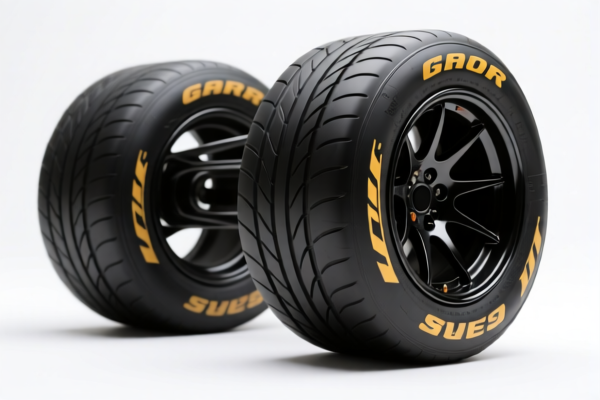
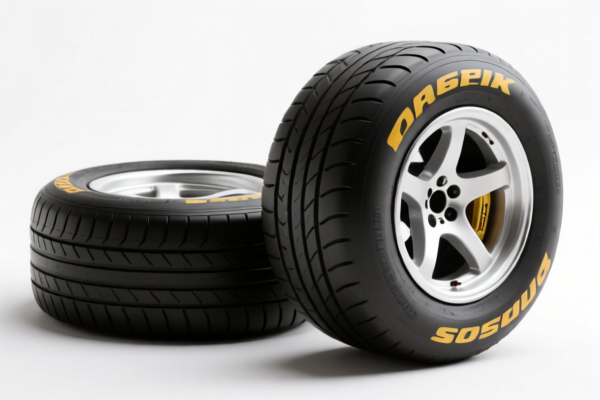
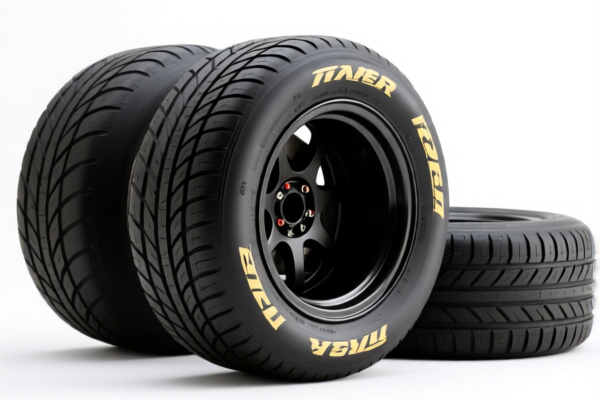
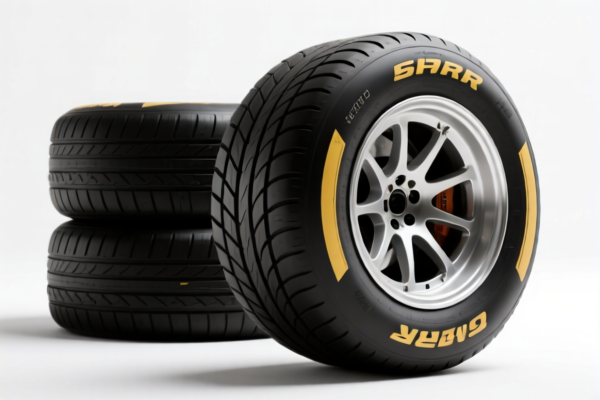
AI Analysis
🚗 Car Tires (Automotive Rubber Tires)
🌐 HS Code Reference & Customs Clearance Guide | 2026 Latest Tariff Analysis | Professional Entry Strategy
📌 I. Product Definition & Classification: Do You Really Understand "Car Tires"?
In international trade, "Car Tires" are not a single entity. They are strictly categorized by Vehicle Type (Passenger vs. Commercial) and Material Composition (Rubber). The classification hinges on whether the tire is for a passenger vehicle (cars, SUVs, vans) or a commercial vehicle (buses, trucks).
⚠️ Key Distinction Points:
- Passenger Car Tires: Fall under Heading 4011.20 or 4012.12 (depending on specific sub-category nuances in the provided data).
- Commercial Vehicle Tires (Bus/Truck): Often fall under 4011.20 or 4012.12 with specific sub-headings.
- Retreads/New Types: The provided data implies a mix of new rubber tires classified under 4012 (Other pneumatic tyres of rubber) and 4011 (Pneumatic tyres of rubber, of a kind used on motor cars or other motor vehicles).
📦 II. HS Code Classification Details (Based on Provided Data)
The following HS Codes are derived directly from the <DATA> section, covering various scenarios for car tires (passenger and commercial).
| HS Code | Product Description | Applicability | Conflict Check |
|---|---|---|---|
4012.11.80.00 |
Tyres: Rubber-made, fitting the morphology of car tires. | Passenger cars; General car tire applications. | ✅ No conflict with rubber material or car usage. |
4012.12.40.35 |
Other Tyres: Rubber material, tire morphology. Classified under other categories. | General rubber tires; Specific sub-category "40.35". | ✅ No material or morphological conflict. |
4011.20.10.15 |
Pneumatic Tyres: Specifically for Commercial Vehicles (Buses or Trucks). | Buses, Trucks, Heavy-duty vehicles. | ✅ Matches rubber material & commercial vehicle usage. |
4012.12.40.35 |
Commercial Car Tyres: For buses or trucks. Morphology and rubber material are consistent. | Buses, Trucks. | ✅ Consistent with commercial use and rubber. |
4011.20.50.10 |
Pneumatic Tyres: Rubber tires for commercial vehicles. Fallback category logic. | Buses, Trucks (General commercial). | ✅ No conflict in weight/classification logic. |
🔍 Important Note:
- The data shows a split between 4011 (Specifically for motor cars/other motor vehicles) and 4012 (Other pneumatic tyres).
- 4011.20 is typically for "Tires of a kind used on motor cars" but the data maps it to Commercial (Bus/Truck) in some entries.
- 4012 entries are broader ("Other"), but specific codes like4012.12are used for both passenger and commercial contexts in this dataset.
- Crucial: Always verify if the tire is for a Passenger Car or Commercial Vehicle, as this dictates the base code (4011vs4012nuances) and duty rate.
💰 III. 2026 Latest Tariff Rate Breakdown (Including Additional Taxes)
✅ Applicable Country: United States (US)
✅ Origin: China (CN) (Implied by "Section 122" and typical US-China tariff context)
✅ Effective Date: Current policies applicable for imports.
🎯 1. Passenger Car Tires (e.g., 4012.11.80.00, 4011.20.50.10)
| Item | Content |
|---|---|
| Base Duty Rate | 3.4% (Ad Valorem) |
| Section 301 Additional Duty | +25.0% |
| Section 122 Additional Duty | +10.0% |
| Total Effective Duty | 38.4% |
| Tax Calculation | CIF Value × 38.4% |
| De Minimis Eligibility | ❌ Not Eligible (Tires are explicitly excluded from de minimis thresholds under Section 321 in many cases, especially with high duties). |
📌 Explanation:
- Base Rate (3.4%): Standard MFN rate for rubber tires.
- Section 301 (25%): Retaliatory tariffs on Chinese goods.
- Section 122 (10%): Trade remedy tariffs or specific national security/emergency measures affecting rubber products.
- Total (38.4%): This is a high-duty classification. Accurate declaration is critical to avoid underpayment penalties.
🎯 2. Commercial Vehicle Tires (Bus/Truck) (4012.12.40.35, 4011.20.10.15)
| Item | Content |
|---|---|
| Base Duty Rate | 4.0% (Ad Valorem) |
| Section 301 Additional Duty | +25.0% |
| Section 122 Additional Duty | +10.0% |
| Total Effective Duty | 39.0% |
| Tax Calculation | CIF Value × 39.0% |
| De Minimis Eligibility | ❌ Not Eligible |
📌 Explanation:
- Base Rate (4.0%): Slightly higher base rate for commercial/heavier-duty tires compared to passenger tires.
- Same Additional Duties: The 25% (Section 301) and 10% (Section 122) apply uniformly to these rubber products from China.
- Total (39.0%): Commercial tires carry a higher total duty than passenger tires due to the higher base rate.
🛠️ IV. Customs Clearance Practical Advice (Real-World Pitfall Guide)
✅ 1. Required Documentation Checklist (Non-Negotiable)
| Document | Mandatory? | Description |
|---|---|---|
| ✅ Commercial Invoice | ✔️ | Must clearly state "Rubber Pneumatic Tyres" and specify vehicle type (Passenger/Commercial). |
| ✅ Packing List | ✔️ | Include dimensions, weight, and quantity. Ensure consistency with invoice. |
| ✅ Product Specifications | ✔️ | Size (e.g., P205/55R16), Load Index, Speed Rating, Tread Pattern, Tubeless/Tube Type. |
| ✅ Origin Certificate | ✔️ | Proof of Chinese origin triggers Section 301/122 duties. If shipped from Vietnam/Malaysia, provide COO. |
| ✅ Certification | ✔️ | DOT markings (for US market), ECE markings (if applicable), TREAD Act compliance info. |
| ✅ HS Code Declaration | ✔️ | Explicitly state the 10-digit HS Code and justify the classification (Passenger vs. Commercial). |
✅ 2. Declaration Techniques (Key Mnemonics)
🔥 "Passenger vs. Commercial, Base Rate 3.4% or 4.0%, Don't Split the Shipment, Avoid Double Duty!"
| Scenario | Correct Declaration | Incorrect Practice |
|---|---|---|
| Passenger Car Tires | Use 4012.11.80.00 or 4011.20.50.10 (38.4% duty) |
Misclassifying as "Auto Parts" → Lower base rate but wrong HS code → Penalty. |
| Truck/Bus Tires | Use 4011.20.10.15 or 4012.12.40.35 (39.0% duty) |
Grouping with passenger tires → Underpayment of 0.6% per unit → Audit risk. |
| Mixed Containers | Separate Line Items | Mixing passenger and commercial tires on one line → Customs may apply the higher rate (39.0%) to the entire container. |
| Retreaded Tires | Different HS Code (not in provided data) | Declaring new tires as retreads or vice versa → Severe penalty + seizure. |
✅ 3. Special Situation Handling
| Situation | Handling Advice |
|---|---|
| Section 122 Exemptions | Check if your specific tire model or supplier qualifies for any exclusions under Section 122. If not, the 10% is mandatory. |
| Re-routing Through Third Countries | Warning: Transshipment from Vietnam/Malaysia without substantial transformation does not waive Section 301/122. Customs checks the Country of Origin, not the shipping port. |
| DOT Labeling | Ensure every tire has a DOT (Department of Transportation) serial number. Lack of DOT marking leads to refusal of entry. |
| Anti-Dumping Duties (ADD) | While not in the provided data, Rubber Tires from China have historically faced ADD/CVD. Verify if AD/CVD cases are active for your specific HS Code. If yes, additional taxes apply on top of the 38.4%/39.0%. |
🌍 V. Global Market Comparison (2026 Outlook)
| Country/Region | Recommended HS Code | Tariff (China Origin) | Key Requirements | Notes |
|---|---|---|---|---|
| 🇺🇸 USA | 4012.11.80.00 / 4012.12.40.35 |
38.4% - 39.0% | DOT Label, IEEPA/Section 301/122 Compliance | Highest Barriers. High duties + strict labeling. |
| 🇨🇳 China | 4011.20.10.00 / 4011.90.90.00 |
5% - 10% | CCC Certification (for some auto parts) | Import duties are lower; exports from China are common. |
| 🇪🇺 EU | 4011.20 / 4011.92 |
0% - 4.5% | ECE Marking, REACH Compliance | No Section 301/122 equivalent, but Carbon Border Adjustment Mechanism (CBAM) may apply in future. |
| 🇲🇽 Mexico | 4011.20 / 4011.92 |
5% - 15% | NOM Certification | USMCA benefits if manufactured in North America. |
| 🇬🇧 UK | 4011.20 / 4011.92 |
0% - 4.5% | UKCA Marking | Post-Brexit rules apply; check for new trade agreements. |
📌 Conclusion:
- USA is the most difficult market for Chinese rubber tires due to the 38.4%-39.0% effective duty rate.
- EU and UK are more favorable in terms of base tariffs, but compliance (ECE/UKCA) is strict.
- Strategic Advice: Consider sourcing from non-China origins (e.g., Vietnam, Thailand, Malaysia) to potentially bypass Section 301/122 duties, but ensure substantial transformation occurs there.
📌 VI. Common Errors & Pitfalls (Lessons Learned)
❌ Error 1: Misclassifying Commercial Tires as Passenger Tires
👉 Consequence: Underpaying 0.6% duty per tire. Customs audits will recover the difference + interest + penalties.
✅ Fix: Double-check the vehicle type on the invoice and product specs.
❌ Error 2: Ignoring DOT Marking Requirements
👉 Consequence: Goods refused entry or destroyed at US border.
✅ Fix: Ensure every tire has a legible DOT serial number.
❌ Error 3: Assuming Transshipment Waives Tariffs
👉 Consequence: Goods seized for fraud if origin is still China.
✅ Fix: Obtain valid Certificate of Origin from the manufacturing country. If shipped from Vietnam, prove substantial transformation.
❌ Error 4: Mixing Passenger and Commercial Tires on One Line Item
👉 Consequence: Customs may apply the higher duty rate (39.0%) to the entire shipment.
✅ Fix: Separate line items for Passenger (38.4%) and Commercial (39.0%) tires.
🎯 VII. Conclusion: Professional Declaration Saves Money!
🎯 Remember the Mnemonic:
🔹 "Passenger 38.4%, Commercial 39.0%, DOT is Mandatory, Origin is Key!"
🔹 "Split your lines, label your tires, avoid the 301/122 trap!"
📌 Pro Tip:
- If your tires are not made in China, ensure you have a valid Certificate of Origin from the manufacturing country (e.g., Vietnam, Thailand) to potentially reduce or eliminate Section 301/122 duties.
- Always apply for a Pre-Ruling from US Customs and Border Protection (CBP) if you are uncertain about the classification, especially for mixed containers.
📣 Immediate Action:
📞 Contact a licensed customs broker + Provide Product Specs + Verify Origin + Check for AD/CVD cases.
🚀 Ensure smooth clearance, avoid penalties, and maximize profit margins!
✨ Professional clearance starts with accurate classification!
💼 Every percentage point in duty affects your bottom line!
Customer Reviews
About HS Code Classification
The Harmonized System (HS) is an internationally standardized nomenclature developed by the World Customs Organization (WCO) to classify traded products. Over 200 countries use the HS system as the basis for customs tariffs, trade statistics, and import/export regulations.
Each HS code follows a hierarchical structure:
- Chapter (2 digits) — Broad category of goods (e.g., Chapter 84: Machinery and Mechanical Appliances)
- Heading (4 digits) — More specific grouping within the chapter
- Subheading (6 digits) — Internationally standardized breakdown, used by all WCO member countries
- National subdivisions (8-10 digits) — Country-specific extensions for further classification, such as US HTSUS 10-digit codes
Correct HS code classification is essential for smooth customs clearance, accurate duty payment, and compliance with trade regulations. Misclassification can lead to customs delays, overpayment of duties, or penalties.
When importing from CN to US, the applicable tariff rates may include:
- Most-Favored-Nation (MFN) rate — The standard duty rate applied to WTO members
- General rate — Applied to countries without trade agreements
- Trade remedy duties — Additional tariffs such as Section 301 (anti-dumping), Section 232 (national security), or countervailing duties
The information provided on this page is for reference purposes only. For official classification, please consult with your local customs authority or a licensed customs broker.