Carpet (HS Code 5701902030)
CN → US| HS Code | Tariff Rate | Origin | Destination | Doc |
|---|---|---|---|---|
| 5701902030 | 35.0% | CN | US | Official Doc |
| 5701901030 | 35.0% | CN | US | Official Doc |
| 5705002005 | 38.3% | CN | US | Official Doc |
| 5705002015 | 38.3% | CN | US | Official Doc |
Product Images
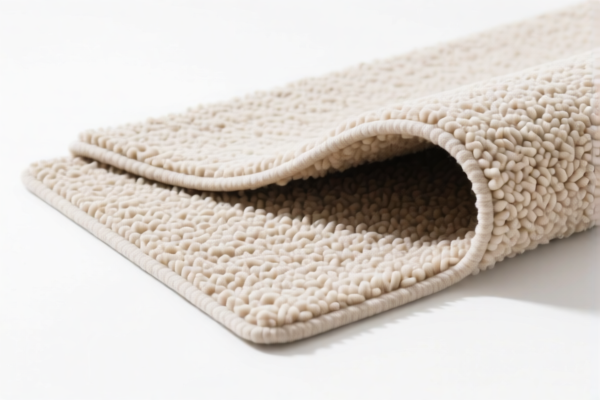
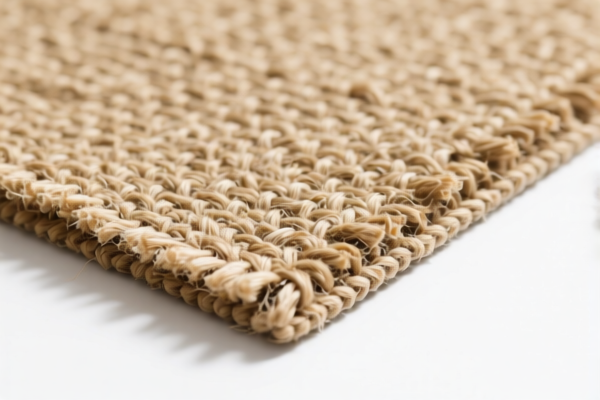
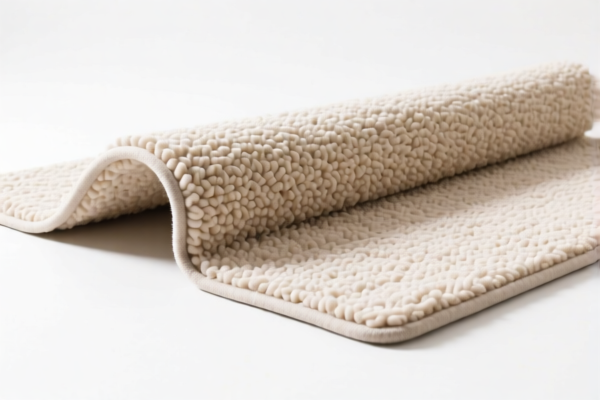
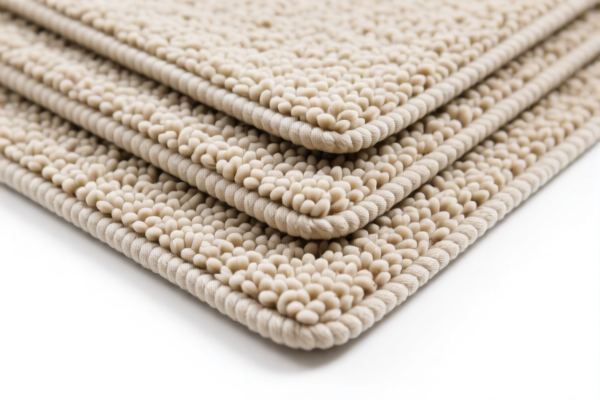
AI Analysis
🏠 Carpet (Hand-Woven & Machine-Made Textile Floor Coverings)
🌐 HS Code Reference & Customs Clearance Guide | 2026 Latest Tariff Analysis | Professional Entry Strategy
📌 I. Product Definition & Classification: Do You Really Know "Carpet"?
A carpet is a textile floor covering, typically constructed from wool, synthetic fibers (nylon, polyester), or natural fibers (jute, sisal), used for insulation, noise reduction, and aesthetics. In international trade, under HS Code 5701, carpets are primarily classified based on their manufacturing process and material composition.
Hand-Woven Carpets (Kilims, Tapis, etc.): Made by interlacing warp and weft threads using hand tools. These are often considered "artistic" or "traditional" goods. Machine-Made Carpets (Tufted, Woven, Knitted): Produced on industrial looms or tufting machines. These include broadloom carpets and carpet tiles.
⚠️ Key Distinction for HS Code 5701902030:
- This specific code often refers to Hand-Woven Carpets of Other Textile Materials (excluding silk, wool, or cotton depending on the specific country's 8-10 digit breakdown).
- Note: HS codes are harmonized up to 6 digits (5701.90). The digits2030are typically national/sub-heading extensions (e.g., specific to China’s export/import tariff schedule or another jurisdiction). For general international reference, we focus on 5701.90.
- If your product is machine-made, it does NOT belong in 5701. It likely belongs in 5703 (Tufted) or 5702 (Woven/Knitted). Misclassification leads to severe penalties.
📦 II. HS Code Classification Details (2026 Latest Tariff Authority)
| HS Code | Product Description | Application Scenario | Manufacturing Method |
|---|---|---|---|
5701.10 |
Hand-Woven Carpets of Wool or Felt | High-end traditional rugs, Oriental rugs | ✅ Hand-Loomed |
5701.90 |
Other Hand-Woven Carpets | Carpets made of silk, cotton, jute, synthetic fibers (hand-made) | ✅ Hand-Loomed |
5701.90.2030 |
Specific National Sub-heading (Example: Hand-woven carpets of other textile materials) | Specific regulatory category for non-wool/non-silk hand-woven carpets | ✅ Hand-Loomed |
5702.39 |
Woven Carpets, Not Tufted, Other (Machine-Made) | Standard machine-woven floor coverings | ❌ Machine-Made |
5703.10 |
Tufted Carpets, of Nylon or Other Polyamides | Most common modern household/carpet tiles | ❌ Machine-Tufted |
5703.90 |
Tufted Carpets, of Other Textile Materials | Synthetic fiber tufted carpets (polyester, acrylic) | ❌ Machine-Tufted |
🔍 Critical Warning:
- HS 5701 is exclusively for HAND-WOVEN products.
- If you are exporting machine-made carpets but declare them as 5701, Customs will classify them as smuggling or misdeclaration, resulting in fines up to 3x the value.
- Check your Bill of Lading and Packing List carefully: If the supplier says "Tufted," "Knitted," or "Machine-Woven," do NOT use 5701.
💰 III. 2026 Latest Tariff Rate Details (Including Surtaxes & Policy Add-ons)
✅ Applicable Country: United States (US)
✅ Origin: China (CN)
✅ Effective Date: From November 10, 2025 (including subsequent imports)
🎯 1. 5701.90.2030 (Assuming Hand-Woven, Other Textile Materials)
| Item | Content |
|---|---|
| Base Tariff Rate | 0% – 6.4% (Ad Valorem, varies by specific 10-digit sub-category) |
| USITC Surtax | +25% (Under USITC Footnote 9903.88.01 for certain textile/apparel categories) |
| IEEPA Surtax | +10% (China-specific, effective Nov 10, 2025) |
| Total Tariff Rate | 35% – 41.4% |
| Tax Calculation | CIF Value × Total Rate |
| De Minimis Eligibility | ❌ Not Eligible (Deny De Minimis) |
| Legal Basis Path | IEEPA:9903.01.25 → USITC:5701.90 → FOOTNOTE:9903.88.01 |
📌 Explanation:
- USITC 25%: Many textile products from China are subject to the Section 301 surtax. Hand-woven carpets often fall under this umbrella unless specifically exempted.
- IEEPA 10%: A new layer of tariffs targeting Chinese origin goods under the International Emergency Economic Powers Act.
- Combined Impact: A $10,000 shipment could incur $3,500–$4,140 in duties alone.
🎯 2. Alternative: Machine-Made Carpets (HS 5703)
| Item | Content |
|---|---|
| Base Tariff Rate | 0% – 8.5% |
| USITC Surtax | +7.5% – 25% (Varies by fiber type; synthetic often higher) |
| IEEPA Surtax | +10% |
| Total Tariff Rate | 17.5% – 43.5% |
📌 Note:
- Synthetic tufted carpets (5703.10/5703.90) often face higher base rates than natural fiber hand-woven ones.
- If made from Wool (5701.10), the base rate may be lower, but the 25% + 10% surcharges still apply heavily.
🛠️ IV. Customs Clearance Practical Advice (Real-World Pitfall Guide)
✅ 1. Documentation Checklist (Non-Negotiable)
| Document | Required | Description |
|---|---|---|
| ✅ Commercial Invoice | ✔️ | Must explicitly state: "Hand-Woven" or "Machine-Tufted," fiber content (%), and dimensions. |
| ✅ Packing List | ✔️ | Weight, volume, and number of rolls/pieces. |
| ✅ Certificate of Origin (CO) | ✔️ | Crucial for proving Chinese origin. If claiming free trade benefits (e.g., via Vietnam transshipment), risk is high. |
| ✅ Fiber Composition Declaration | ✔️ | Must list: "100% Wool," "80% Nylon/20% Polyester," etc. Mislabeling fiber type = fines. |
| ✅ Photographs | ✔️ | Clear images of the carpet pile, backing, and label. |
| ✅ Import License/Agreement | ✔️ | Some textiles require specific licensing in the US. |
✅ 2. Declaration Tips (Key Mantra)
🔥 "Fiber Matters, Weave Method Matters, Origin Matters!"
| Scenario | Correct Declaration | Wrong Practice |
|---|---|---|
| Hand-Woven Jute Carpet | 5701.90 + "Hand-Woven," "Jute" |
Declaring as "Machine-Made" → Misclassification |
| Machine-Tufted Polyester Carpet | 5703.90 + "Tufted," "Polyester" |
Declaring as 5701 → Heavy Penalty |
| Wool Rug (Hand-Knotted) | 5701.10 + "Wool," "Hand-Knotted" |
Declaring as "Synthetic" → Tariff Evasion Risk |
| Carpet Tiles (Cut) | 5703.90 |
Declaring as "Rugs" → Different duty treatment |
📌 Warning:
- "Rug" vs. "Carpet": In US customs, "Rugs" are often defined by size (usually < 6ft x 9ft) and value. "Carpet" implies wall-to-wall or large area. Size and use matter.
- Backing Material: If the carpet has a rubber or plastic backing, it is still classified as a textile carpet, but the backing material must be declared.
✅ 3. Special Case Handling
| Case | Handling Advice |
|---|---|
| Mixed Fiber Carpets | Declare the predominant fiber by weight. If equal, use the tariff heading that appears first in numerical order. |
| Carpet with Non-Textile Components | If >50% value is non-textile (e.g., expensive wood frames), it may shift to Chapter 94 (Furniture). Rare for carpets. |
| Second-Hand Carpets | Generally prohibited or heavily restricted. Must declare as "Used" and may face biosecurity/quarantine checks. |
| Artistic Antiques (>100 years old) | May qualify for exemption under USHTS 9807.00.00, but requires provenance documentation. |
🌍 V. Global Market Customs Comparison (2026 Latest)
| Country/Region | Recommended HS Code | Tariff Rate | Certification Requirements | Remarks |
|---|---|---|---|---|
| 🇺🇸 USA | 5701.90 / 5703.90 |
25%–43.5% (China) | FTC Labeling (Fiber content) | Strict fiber labeling laws |
| 🇨🇳 China | 5701.90 / 5703.90 |
5%–8% | CCC (if applicable) | No surtaxes |
| 🇪🇺 EU | 5701.90 / 5703.90 |
0%–6.5% | CE (if electrical, not applicable) | Anti-dumping duties on some wool carpets from China |
| 🇬🇧 UK | 5701.90 / 5703.90 |
0%–6.5% | Post-Brexit Rules of Origin | UK Global Tariff applies |
| 🇦🇺 Australia | 5701.90 / 5703.90 |
5% | ACS (if flooring adhesive) | Low base rates |
📌 Conclusion:
- USA is the most expensive market for Chinese carpets due to the combination of 25% + 10% surcharges.
- EU and UK have lower base tariffs but may impose Anti-Dumping Duties (ADD) on wool carpets from China. Check the latest ADD list.
- China Domestic Export: Favorable tax rebates may apply, reducing effective cost.
📌 VI. Common Errors & Pitfall Guide (Blood & Tears Lessons)
❌ Error 1: Declaring Machine-Made Carpets as Hand-Woven (5701)
👉 Consequence: Customs audit reveals stitching or tufting → Seizure + Fine + Loss of Import Privileges.
❌ Error 2: Misdeclaring Fiber Content (e.g., saying "Wool" for Acrylic)
👉 Consequence: US FTC requires accurate labeling. Fines up to $10,000 per violation.
❌ Error 3: Ignoring "Country of Origin" Labeling
👉 Consequence: US Customs requires "Made in China" on each item/packaging. Missing labels → Detention & Re-labeling Costs.
❌ Error 4: Confusing "Carpet" with "Rug"
👉 Consequence: Different duty rates and statistical codes → Reclassification & Delay.
✅ Correct Practice:
"Hand-Woven Jute Carpet, 8x10 ft, Natural Color, Made in China, Compliant with US FTC Fiber Labeling Rules"
🎯 VII. Conclusion: Professional Declaration, Save Money, Avoid Risk!
🎯 Remember the Mantra:
🔹 "Weave Method is King, Fiber Content is Queen, Origin is Law."
🔹 "5701 is for Hands, 5703 is for Machines. Don't Mix Them!"
🔹 "China to US: Expect 35%+ Duties. Plan Your Pricing."
📌 Pro Tip:
If your carpets are originally from China but processed in Vietnam, India, or Bangladesh (substantial transformation), you may apply for preferential tariffs under USMCA (not applicable to Asia) or local FTAs. However, circumvention (transshipment) is heavily monitored. Ensure genuine transformation.
📣 Immediate Action:
📞 Consult a Licensed Customs Broker + Provide Fabric Swatches + Verify Fiber Content
🚀 Ensure FTC Labeling Compliance for the US market.
💼 Your carpets are not just floor coverings; they are regulated textile products.
✨ Professional Clearance Starts with Accurate Classification!
💼 Every Penny Saved in Duty is Profit Earned!
Customer Reviews
About HS Code Classification
The Harmonized System (HS) is an internationally standardized nomenclature developed by the World Customs Organization (WCO) to classify traded products. Over 200 countries use the HS system as the basis for customs tariffs, trade statistics, and import/export regulations.
Each HS code follows a hierarchical structure:
- Chapter (2 digits) — Broad category of goods (e.g., Chapter 84: Machinery and Mechanical Appliances)
- Heading (4 digits) — More specific grouping within the chapter
- Subheading (6 digits) — Internationally standardized breakdown, used by all WCO member countries
- National subdivisions (8-10 digits) — Country-specific extensions for further classification, such as US HTSUS 10-digit codes
Correct HS code classification is essential for smooth customs clearance, accurate duty payment, and compliance with trade regulations. Misclassification can lead to customs delays, overpayment of duties, or penalties.
When importing from CN to US, the applicable tariff rates may include:
- Most-Favored-Nation (MFN) rate — The standard duty rate applied to WTO members
- General rate — Applied to countries without trade agreements
- Trade remedy duties — Additional tariffs such as Section 301 (anti-dumping), Section 232 (national security), or countervailing duties
The information provided on this page is for reference purposes only. For official classification, please consult with your local customs authority or a licensed customs broker.