Catalytic Converter Bracket
CN → US| HS Code | Tariff Rate | Origin | Destination | Doc |
|---|---|---|---|---|
| 8421390190 | 35.0% | CN | US | Official Doc |
| 8421916000 | 35.0% | CN | US | Official Doc |
| 8708927500 | 37.5% | CN | US | Official Doc |
| 8708806510 | 0.0% | CN | US | Official Doc |
| 7326908688 | 87.9% | CN | US | Official Doc |
| 7326908630 | 87.9% | CN | US | Official Doc |
Product Images
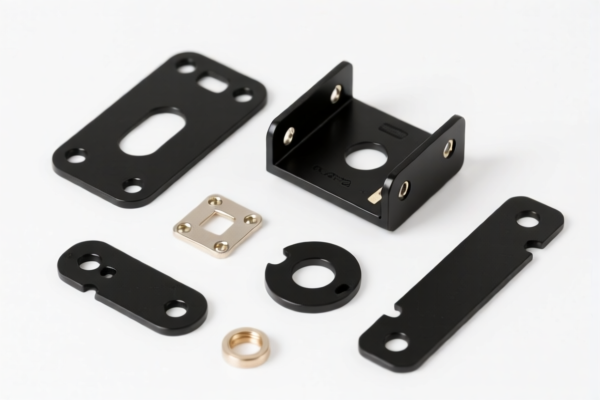
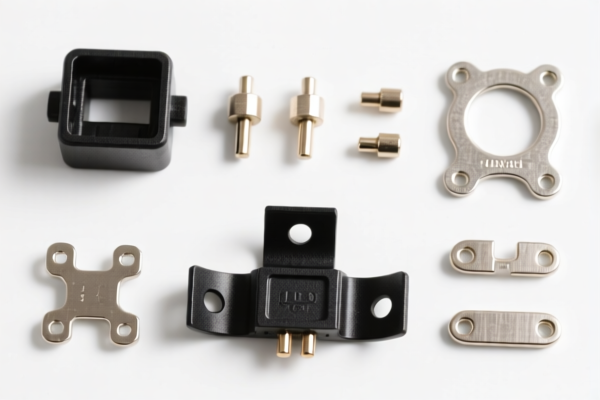
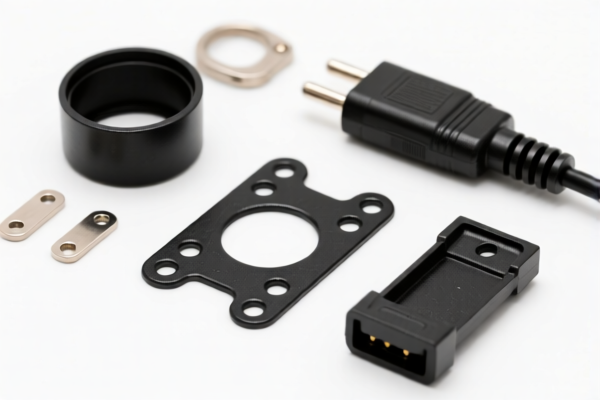
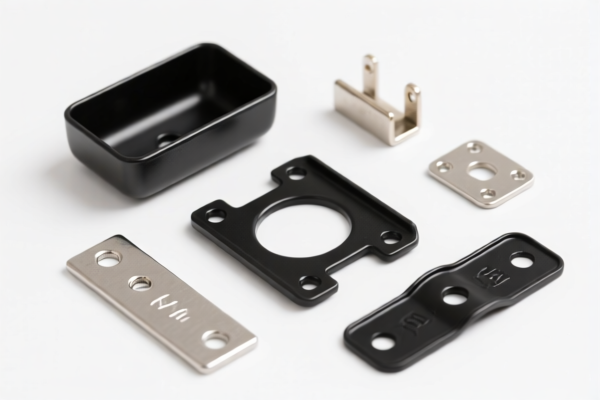
AI Analysis
🚗 Catalytic Converter Bracket (Auto Parts Support)
🌐 HS Code Reference & Customs Clearance Guide | 2026 Latest Tariff Breakdown | Professional Compliance Strategy
📌 1. Product Definition & Classification: What is a "Catalytic Converter Bracket"?
A Catalytic Converter Bracket is a structural metal component used in automotive exhaust systems. Its primary function is to secure, support, and align the catalytic converter within the vehicle's chassis or exhaust pipe assembly.
In international trade, this product is classified based on its material and function: - Material: Typically made of iron or steel (often stainless steel or aluminized steel for corrosion resistance). - Function: It is a part/accessory of the motor vehicle, specifically related to the exhaust system or suspension/support structure. - Key Distinction: It is not the catalytic converter itself (which falls under Heading 87.08 parts if specifically for exhaust, or 84.14 if considered part of air pumping machinery, but usually 87.08 for vehicle parts). It is not a general metal article (Heading 73) unless it has a specific industrial use outside of vehicles, but for automotive applications, Chapter 87 takes precedence.
⚠️ Critical Classification Point:
- If the bracket is specifically designed for motor vehicles (Headings 87.01–87.05), it falls under Heading 87.08.
- If it is a general metal support (e.g., for pipes in a factory, not a car), it may fall under Heading 73.26.
- However, for automotive aftermarket or OEM parts, 87.08 is the correct chapter.
📦 2. HS Code Classification Details (2026 Latest Tariff Reference)
Based on the provided <DATA>, we have two potential categories: one for general iron/steel articles and one for motor vehicle parts. For a Catalytic Converter Bracket, the correct classification is under Motor Vehicle Parts (87.08), specifically for exhaust system components.
| HS Code | Product Description | Applicable Scenario | Notes |
|---|---|---|---|
8708.92.75.00 |
Parts and accessories of motor vehicles; Mufflers and exhaust pipes; parts thereof; Parts; For other vehicles; Other | ✅ Correct Classification for Catalytic Converter Brackets | This is the most accurate HS Code for auto exhaust brackets. |
7326.90.86.88 |
Other articles of iron or steel; Other: Other: Other: Other | ❌ Incorrect (Too General) | Only used if the bracket is not for a motor vehicle (e.g., industrial pipe support). |
7326.90.86.30 |
Other articles of iron or steel; Hangers and similar supports for tubes and pipes | ⚠️ Alternative (If non-automotive) | Use only if the bracket is for industrial piping, not cars. |
8708.80.65.10 |
Parts of motor vehicles; Suspension systems; Beam hanger brackets | ❌ Incorrect | This is for suspension, not exhaust. Do not confuse. |
🔍 Key Reminder:
- Catalytic Converter Brackets are exhaust system parts.
- Always choose8708.92.75.00for automotive applications.
- Misclassifying as7326(iron articles) may lead to underpayment of duties and customs penalties.
💰 3. 2026 Tariff Rate Breakdown (Including Additional Taxes & Policy Surcharges)
✅ Applicable Country: United States (US)
✅ Country of Origin: China (CN)
✅ Effective Date: From November 10, 2025 (and subsequent imports)
🎯 1. 8708.92.75.00 – Exhaust System Parts (Including Catalytic Converter Brackets)
| Item | Details |
|---|---|
| Base Tariff Rate | 2.5% (ad valorem) |
| Additional Tariff (Section 301) | +25.0% |
| Steel/Aluminum Surcharge (Section 232) | +50% (If applicable, see note below) |
| Total Tariff Rate | 77.5% (2.5% + 25% + 50%) |
| Tax Calculation | CIF Value × 77.5% |
| De Minimis Exemption | ❌ Not Eligible (Due to high additional tariffs) |
| Legal Basis Path | USITC:8708.92.75.00 → FOOTNOTE:9903.88.01 (Section 301) → Section 232 (Steel Surcharge) |
📌 Explanation:
- Base Rate (2.5%): Standard US Most Favored Nation (MFN) rate for auto parts.
- Section 301 (25%): Additional tariff on Chinese goods under Trade Act Section 301.
- Section 232 (50%): Critical! If the bracket is made of steel, an additional 50% surcharge may apply under Section 232 of the Trade Expansion Act. This is stacked on top of the 301 tariff.
- Total: 77.5%. This is a very high tariff for auto parts from China.
🎯 2. 7326.90.86.88 – Other Iron/Steel Articles (If Misclassified or Non-Auto)
| Item | Details |
|---|---|
| Base Tariff Rate | 2.9% |
| Section 301 Surcharge | +25.0% |
| Steel/Aluminum Surcharge | +50% |
| Total Tariff Rate | 77.9% |
| Tax Calculation | CIF Value × 77.9% |
| De Minimis Exemption | ❌ Not Eligible |
📌 Note: Even if misclassified as general iron articles, the 77.9% rate is similar, so the financial impact is nearly identical. However, misclassification is a legal risk.
🛠️ 4. Customs Clearance Practical Advice (Real-World Pitfall Guide)
✅ 1. Required Documentation Checklist
| Document | Must Provide | Notes |
|---|---|---|
| ✅ Product Specifications | ✔️ | Include material (e.g., "Stainless Steel 304"), dimensions, weight, and part number. |
| ✅ Product Photos | ✔️ | Clear images showing the bracket, branding, and any markings. |
| ✅ Commercial Invoice | ✔️ | Must state: "Catalytic Converter Bracket, Part No. XYZ, Material: Steel, Made in China." |
| ✅ Packing List | ✔️ | Detail quantity, gross/net weight, and packaging type. |
| ✅ Country of Origin Certificate | ✔️ | Essential for proving Chinese origin (to apply surcharges correctly). |
| ✅ Material Declaration | ✔️ | Confirm if steel/aluminum content triggers Section 232 surcharge. |
| ✅ HS Code Pre-Ruling | ✔️ | Strongly Recommended to confirm 8708.92.75.00 vs. 7326. |
✅ 2. Declaration Tips (Key Mantras)
🔥 "Specify Auto Part, Not General Metal! Declare Material, Avoid Surcharge Traps!"
| Scenario | Correct Declaration | Wrong Approach |
|---|---|---|
| Automotive Bracket | 8708.92.75.00 – "Exhaust System Parts" |
Declare as "Steel Bracket" → 7326.90.86.88 (Same tax, but high compliance risk) |
| Material: Steel | Clearly state "Steel Construction" | Omit material → Risk of additional inspections or penalties |
| Origin: China | Mark "Made in China" | Omit origin → Cannot apply correct surcharges |
✅ 3. Special Considerations
| Situation | Handling Advice |
|---|---|
| Steel Material | If the bracket is steel, the 50% Section 232 surcharge applies. Total tariff = 77.5%. |
| Aluminum Material | If aluminum, the 50% surcharge may not apply (check specific aluminum rules). Total tariff = 27.5%. |
| Non-Auto Use | If for industrial piping, use 7326.90.86.30. Still high tax (77.9%), but legally safer if not auto. |
| OEM Parts | Provide OEM part numbers and invoices to prove automotive use. |
🌍 5. Global Market Customs Comparison (2026 Latest)
| Country/Region | Recommended HS Code | Tariff Rate | Certification | Notes |
|---|---|---|---|---|
| 🇺🇸 USA | 8708.92.75.00 |
77.5% (Steel) | No specific | High tariffs due to China origin + Steel surcharge |
| 🇨🇳 China | 8708.92.75.00 |
5% | CCC (if applicable) | Lower tariff, but export from China is common |
| 🇪🇺 EU | 8708.92.75.00 |
0% | CE (if applicable) | No additional tariffs for Chinese auto parts |
| 🇨🇦 Canada | 8708.92.75.00 |
0% (CUSMA) | – | Free trade under CUSMA if Canadian origin |
| 🇲🇽 Mexico | 8708.92.75.00 |
0% (USMCA) | – | Free trade under USMCA if Mexican origin |
📌 Conclusion:
- USA is the highest-cost market due to Section 301 (25%) and Section 232 (50%) surcharges.
- EU and other markets have 0% tariffs for auto parts, making them more attractive for Chinese exports.
- Consider sourcing from non-China countries (e.g., Mexico, Vietnam) to avoid high US tariffs.
📌 6. Common Mistakes & Pitfall Guide (Lessons Learned)
❌ Mistake 1: Declaring as "Steel Bracket" under 7326 instead of "Auto Part" under 8708
👉 Consequence: Same tax rate, but compliance risk if customs determines it's auto-related. Fines may apply.
❌ Mistake 2: Ignoring the Section 232 Steel Surcharge
👉 Consequence: Underpayment of 50% duty → Penalties + Interest.
❌ Mistake 3: Not specifying material
👉 Consequence: Customs may assume worst-case scenario (Steel) → 77.5% tariff applied.
❌ Mistake 4: Using "Catalytic Converter" in the description for the Bracket
👉 Consequence: Confusion with 8708.30 (Mufflers) → Delays or misclassification.
✅ Correct Declaration Example:
"Catalytic Converter Support Bracket, Part No. XYZ, Material: Stainless Steel, Used for Automotive Exhaust System, Made in China, HS Code: 8708.92.75.00"
🎯 7. Conclusion: Professional Declaration, Cost Savings, Compliance!
🎯 Remember the Mantra:
🔹 "Auto Part, Not General Steel! Declare Material, Avoid 50% Surcharge!"
🔹 "HS Code 8708 is Key, Tax is 77.5%, Compliance is Everything!"
📌 Pro Tip:
- If your bracket is made of Aluminum, the total tariff may be 27.5% (2.5% base + 25% Section 301), excluding the 50% steel surcharge.
- Always confirm material composition with your supplier.
- For large shipments, consider Advance Rulings from US Customs to confirm HS Code and tariff applicability.
📣 Take Action Now:
📞 Contact a licensed customs broker + Provide product specs + Verify material composition
🚀 Save 50% on tariffs by avoiding misclassification!
✨ Professional Customs Clearance Starts with Accurate Classification!
💼 Your Every Penny Counts – Declare Correctly, Save More!
Customer Reviews
About HS Code Classification
The Harmonized System (HS) is an internationally standardized nomenclature developed by the World Customs Organization (WCO) to classify traded products. Over 200 countries use the HS system as the basis for customs tariffs, trade statistics, and import/export regulations.
Each HS code follows a hierarchical structure:
- Chapter (2 digits) — Broad category of goods (e.g., Chapter 84: Machinery and Mechanical Appliances)
- Heading (4 digits) — More specific grouping within the chapter
- Subheading (6 digits) — Internationally standardized breakdown, used by all WCO member countries
- National subdivisions (8-10 digits) — Country-specific extensions for further classification, such as US HTSUS 10-digit codes
Correct HS code classification is essential for smooth customs clearance, accurate duty payment, and compliance with trade regulations. Misclassification can lead to customs delays, overpayment of duties, or penalties.
When importing from CN to US, the applicable tariff rates may include:
- Most-Favored-Nation (MFN) rate — The standard duty rate applied to WTO members
- General rate — Applied to countries without trade agreements
- Trade remedy duties — Additional tariffs such as Section 301 (anti-dumping), Section 232 (national security), or countervailing duties
The information provided on this page is for reference purposes only. For official classification, please consult with your local customs authority or a licensed customs broker.