Catgut yarn (for sewing)
CN → US| HS Code | Tariff Rate | Origin | Destination | Doc |
|---|---|---|---|---|
| 4206001930 | 13.9% | CN | US | Official Doc |
| 3006100100 | 10.0% | CN | US | Official Doc |
| 4206001910 | 13.9% | CN | US | Official Doc |
| 3006938000 | 40.0% | CN | US | Official Doc |
| 3006100100 | 10.0% | CN | US | Official Doc |
Product Images
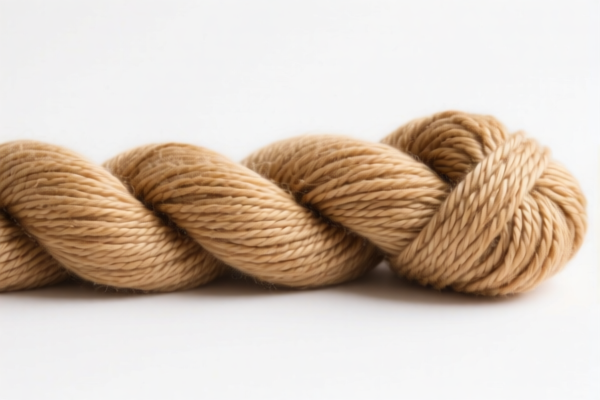
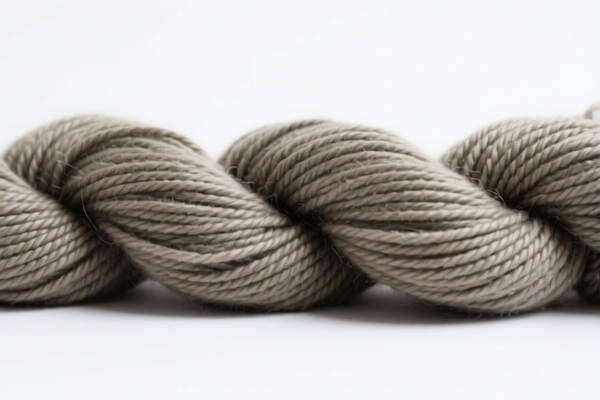
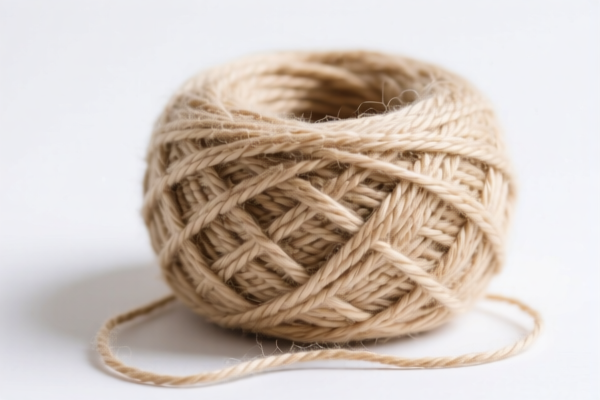
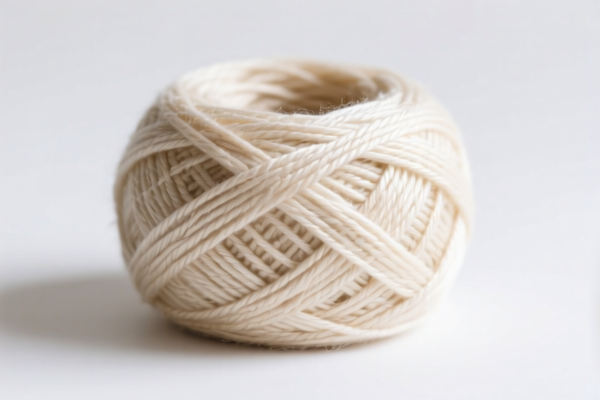
AI Analysis
🏥 Catgut Yarn (For Sewing) – Surgical & Medical Grade | HS Code Guide & Customs Clearance Strategy
🌐 HS Code Reference & Customs Guide | 2026 Latest Tariff Analysis | Professional Clearance Strategy
📌 I. Product Definition & Classification: Do You Really Understand "Catgut Yarn"?
Catgut yarn, despite its name, is primarily derived from the submucosa of the small intestine of sheep or cattle. In international trade, it is not merely "string" but a critical medical device used for surgical sutures, ligatures, and tissue repair.
The classification hinges on two distinct factors: 1. Medical Sterility & Use: If it is sterile and intended for surgical sewing/ligature, it falls under Chapter 30 (Pharmaceuticals/Medical Devices). 2. Non-Medical/Industrial Use: If it is non-sterile, repackaged, or used for non-medical purposes (e.g., traditional crafts, non-surgical fixation), it may fall under Chapter 42 (Articles of Leather) or other non-medical categories.
⚠️ Key Distinction Point: - Sterile, Pre-packaged for Surgery → Chapter 30 (Medical Devices) - Non-Sterile, Bulk, or Non-Medical Use → Chapter 42 (Leather Articles)
📦 II. HS Code Classification Details (2026 Latest Tariff Authority Comparison)
Based on the provided data, here are the precise HS Codes for Catgut Yarn:
| HS Code | Product Description | Application Scenario | Sterile/Medical? |
|---|---|---|---|
3006.10.01.00 |
Catgut for sewing, meeting sterile surgical suture material standards | Surgical sutures, wound closure, ligatures | ✅ Yes (Sterile) |
3006.10.01.00 |
Catgut packing gauze, meeting sterile surgical suture material standards | Surgical packing, hemostasis, wound dressing | ✅ Yes (Sterile) |
4206.00.19.30 |
Intestine products, excluding racket strings | Non-medical intestinal products, industrial use, crafts | ❌ No (Non-medical) |
4206.00.19.10 |
Intestine products, for sewing or fixing | Non-sterile surgical aids, traditional use, non-clinical fixation | ❌ No (Non-clinical) |
3006.93.80.00 |
Clinical medical intestinal line consumables, divided into measured doses | Pre-measured surgical kits, specialized clinical use | ✅ Yes (Sterile/Measured) |
🔍 Critical Reminder: - Sterility is Key: Products declared as "Sterile Surgical Suture Material" must be classified under Chapter 30. Attempting to classify sterile surgical catgut under Chapter 42 (
4206.00) will lead to customs rejection, fines, or seizure. - "Intestine Products" (4206): These are for non-clinical use. If you declare4206.00for a sterile surgical suture, you are misdeclaring a medical device.
💰 III. 2026 Latest Tariff Rate Details (Including Additional Taxes & Policy Surcharges)
✅ Applicable Country: United States (US)
✅ Origin: China (CN)
✅ Effective Date: Post-2025 Trade Policy Adjustments
🎯 1. 3006.10.01.00 – Catgut for Sewing (Sterile Surgical Sutures)
| Item | Detail |
|---|---|
| Base Tariff | 0.0% (Ad Valorem) |
| Section 301 Tariff | +10% (Under "122 Clause" / IEEPA Provisions) |
| Section 301/Surcharge | 0.0% |
| Total Tax Rate | 10.0% |
| Tax Calculation | CIF Value × 10% |
| De Minimis Eligibility | ❌ Not Eligible (Medical devices generally excluded from low-value exemptions) |
| Legal Basis Path | USITC:3006.10.01.00 → IEEPA:9903.01.24 (10% Surcharge) |
📌 Explanation: - Although the base tariff is 0%, the 10% additional tariff applies to Chinese-origin medical goods under current trade restrictions. - No Section 301 (25%) applies to this specific subheading, making it relatively lower risk compared to electronics or machinery.
🎯 2. 3006.93.80.00 – Clinical Medical Intestinal Line (Pre-measured Doses)
| Item | Detail |
|---|---|
| Base Tariff | 5.0% |
| Section 301/Surcharge | +25.0% |
| IEEPA Surcharge | +10% |
| Total Tax Rate | 40.0% |
| Tax Calculation | CIF Value × 40% |
| De Minimis Eligibility | ❌ Not Eligible |
| Legal Basis Path | USITC:3006.93.80.00 → USITC:301_Surcharge_25% → IEEPA:9903.01.24 |
📌 Warning: - This code attracts the highest tax rate (40%). - The 25% surcharge is typical for broader medical consumables not explicitly exempted. - Optimization Strategy: If your product is standard "catgut for sewing," do not use this code. Use
3006.10.01.00(10% total) instead. Only use3006.93.80.00if the product is specifically pre-measured clinical doses that do not fit3006.10.
🎯 3. 4206.00.19.30 & 4206.00.19.10 – Non-Medical Intestine Products
| Item | Detail |
|---|---|
| Base Tariff | 3.9% |
| Section 301/Surcharge | 0.0% |
| IEEPA Surcharge | +10% |
| Total Tax Rate | 13.9% |
| Tax Calculation | CIF Value × 13.9% |
| De Minimis Eligibility | ❌ Not Eligible |
| Legal Basis Path | USITC:4206.00.19.xx → IEEPA:9903.01.24 |
📌 Context: - These codes are for non-sterile, non-clinical intestinal products. - If you are exporting catgut for surgical use, do not use these codes. Misclassification as "non-medical" when it is "medical" can lead to severe penalties from the FDA and Customs. - Tax Advantage: Lower than
3006.93.80.00, but higher than3006.10.01.00.
🛠️ IV. Customs Clearance Practical Advice (Pitfall Avoidance Guide)
✅ 1. Required Documentation Checklist (Must-Have)
| Document | Required? | Notes |
|---|---|---|
| ✅ FDA Registration | ✔️ | Essential for Chapter 30 items. Must be FDA-listed. |
| ✅ Certificate of Sterility | ✔️ | Prove the product meets surgical standards for 3006.10.01.00. |
| ✅ Product Specification Sheet | ✔️ | Detail material (sheep/cattle intestine), length, diameter, sterilization method. |
| ✅ Commercial Invoice | ✔️ | Must explicitly state "Catgut Yarn for Surgical Sutures". |
| ✅ Packing List | ✔️ | Show unit quantities, batch numbers, and expiry dates. |
| ✅ Country of Origin Certificate | ✔️ | Required for determining IEEPA surcharges. |
✅ 2. Declaration Tips (Key Mantra)
🔥 "Sterile Surgical = Ch30, Non-Medical = Ch42, Wrong Code = High Risk!"
| Scenario | Correct HS Code | Incorrect HS Code | Consequence of Error |
|---|---|---|---|
| Sterile surgical sutures | 3006.10.01.00 (10%) |
4206.00.19.30 (13.9%) |
Low (Overpayment) |
| Sterile surgical sutures | 3006.10.01.00 (10%) |
3006.93.80.00 (40%) |
High (Overpayment by 30%) |
| Non-sterile/Industrial catgut | 4206.00.19.10 (13.9%) |
3006.10.01.00 (10%) |
Risk: FDA Compliance Issue |
| Pre-measured clinical doses | 3006.93.80.00 (40%) |
3006.10.01.00 (10%) |
Risk: Misclassification of product form |
✅ 3. Special Cases Handling
| Situation | Handling Advice |
|---|---|
| OEM Surgical Catgut | Provide FDA registration of the OEM manufacturer. Ensure the product matches the registered scope. |
| Mixed Containers (Sutures + Gauze) | Declare separately. Sutures go to 3006.10, gauze to its respective code. Do not bundle. |
| Non-Sterile Intestine Products | Use 4206.00 codes. Clearly label as "Non-Sterile, Non-Medical Use" to avoid FDA scrutiny. |
| Pre-Measured Kits | If the product is pre-cut and packaged for specific surgical procedures, consider 3006.93.80.00. |
🌍 V. Global Market Comparison (2026 Latest)
| Country/Region | Recommended HS Code | Tariff | Certification | Notes |
|---|---|---|---|---|
| 🇺🇸 USA | 3006.10.01.00 |
10% | FDA 510(k)/Listing | 40% for pre-measured kits |
| 🇨🇳 China | 3006.10.01.00 |
~5-10% | NMPA | Lower surcharges than US |
| 🇪🇺 EU | 3006.10.01.00 |
0% | CE Mark (MDR) | No additional tariffs |
| 🇦🇺 Australia | 3006.10.01.00 |
~5% | TGA | Moderate rates |
📌 Conclusion: - USA is the highest tariff jurisdiction for catgut sutures (10% base + IEEPA). - EU is the most favorable for medical devices (0% base, no IEEPA). - Avoid
3006.93.80.00unless your product is specifically pre-measured clinical doses.
📌 VI. Common Mistakes & Pitfall Guide (Blood & Tears Lessons)
❌ Mistake 1: Declaring sterile surgical catgut as "Leather Product" (4206) to avoid FDA checks.
👉 Consequence: FDA rejection, customs seizure, heavy fines. Sterile medical devices must be declared under Chapter 30.
❌ Mistake 2: Using 3006.93.80.00 for standard catgut sutures.
👉 Consequence: Paying 40% tax instead of 10%. Lose $30 for every $100.
❌ Mistake 3: Failing to provide sterility certificates.
👉 Consequence: Customs may classify as non-sterile (4206) or reject entry.
❌ Mistake 4: Mixing "Catgut for Sewing" with "Catgut for Packing" under one line item. 👉 Consequence: Customs may scrutinize both. Declare separately for clarity.
✅ Correct Practice:
"Sterile Catgut Sutures, Sheep Intestine, 3-0, 45cm, for Surgical Use, FDA Listed"
🎯 VII. Conclusion: Professional Declaration, Save Costs, Ensure Compliance!
🎯 Remember the Mantra:
🔹 "Sterile Surgical = 3006.10 (10%), Pre-measured = 3006.93 (40%), Non-Medical = 4206 (13.9%)."
🔹 "HS Code Determines Tax, Declaring Wrong Costs Thousands!"
📌 Pro Tip:
If your catgut is originally from Vietnam, Thailand, or Malaysia, you may be eligible for IEEPA Exemptions under FTAs, reducing the total tax to 0%~5%.
Recommendation: Apply for an Advance Ruling with US Customs to confirm the correct HS Code and tax rate before shipment.
📣 Act Now:
📞 Contact a Professional Customs Broker + Provide Product Specs + Apply for FDA Pre-Clearance
🚀 Ensure Your Catgut Sutures Pass Customs Smoothly, Comply with FDA, and Maximize Profit!
✨ Professional Clearance Starts with Accurate Classification!
💼 Every Penny of Tax Saved is Pure Profit!
Customer Reviews
About HS Code Classification
The Harmonized System (HS) is an internationally standardized nomenclature developed by the World Customs Organization (WCO) to classify traded products. Over 200 countries use the HS system as the basis for customs tariffs, trade statistics, and import/export regulations.
Each HS code follows a hierarchical structure:
- Chapter (2 digits) — Broad category of goods (e.g., Chapter 84: Machinery and Mechanical Appliances)
- Heading (4 digits) — More specific grouping within the chapter
- Subheading (6 digits) — Internationally standardized breakdown, used by all WCO member countries
- National subdivisions (8-10 digits) — Country-specific extensions for further classification, such as US HTSUS 10-digit codes
Correct HS code classification is essential for smooth customs clearance, accurate duty payment, and compliance with trade regulations. Misclassification can lead to customs delays, overpayment of duties, or penalties.
When importing from CN to US, the applicable tariff rates may include:
- Most-Favored-Nation (MFN) rate — The standard duty rate applied to WTO members
- General rate — Applied to countries without trade agreements
- Trade remedy duties — Additional tariffs such as Section 301 (anti-dumping), Section 232 (national security), or countervailing duties
The information provided on this page is for reference purposes only. For official classification, please consult with your local customs authority or a licensed customs broker.