Centrifuge
CN → US| HS Code | Tariff Rate | Origin | Destination | Doc |
|---|---|---|---|---|
| 8421190000 | 36.3% | CN | US | Official Doc |
| 8419899585 | 39.2% | CN | US | Official Doc |
| 8419899540 | 39.2% | CN | US | Official Doc |
| 8421110000 | 35.0% | CN | US | Official Doc |
| 8421916000 | 35.0% | CN | US | Official Doc |
Product Images
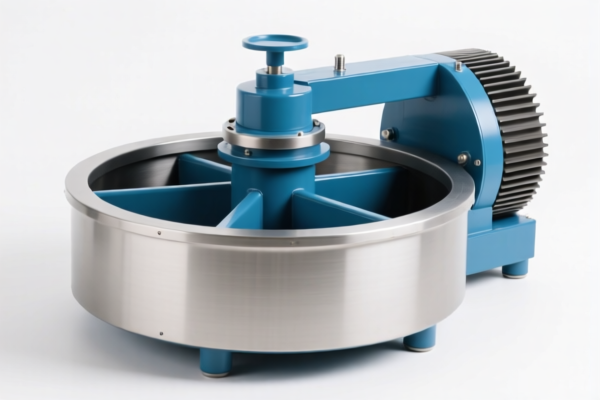
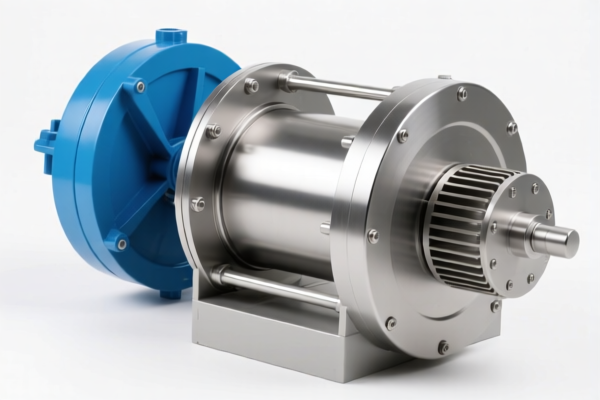
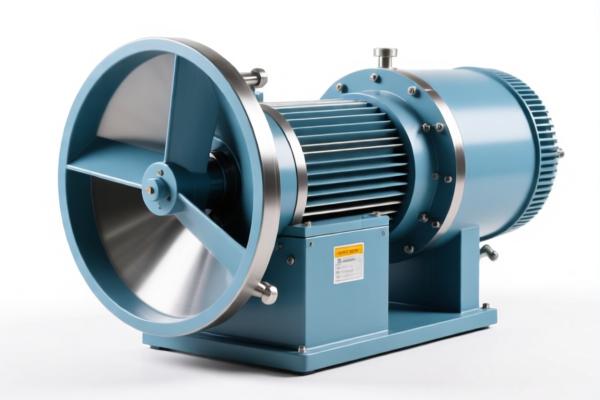
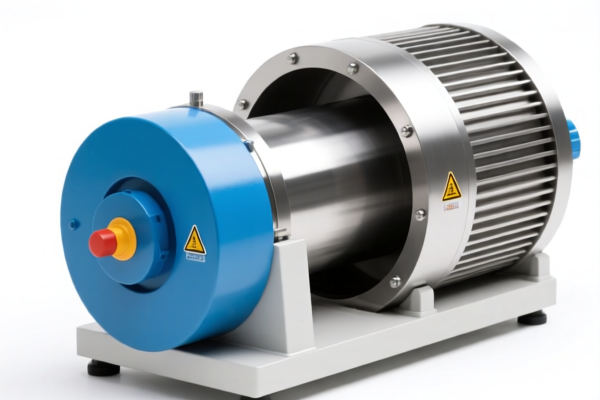
AI Analysis
🌀 Centrifuge (Industrial & Laboratory Separation Equipment)
🌐 HS Code Reference & Customs Clearance Guide | 2026 Latest Tariff Analysis | Professional Clearance Strategy
📌 I. Product Definition & Classification: Do You Truly Understand "Centrifuges"?
A Centrifuge is a mechanical device employed to separate components of a mixture based on density differences using centrifugal force. In international trade, they are primarily categorized into:
Laboratory/Analytical Centrifuges: Small-scale, high-precision devices used for medical, chemical, or biological analysis.
Industrial Centrifuges: Large-scale machinery used for continuous separation in manufacturing, wastewater treatment, or food processing.
⚠️ Key Distinction:
- If the device is explicitly for laboratory analysis (e.g., blood, DNA, chemical samples) → It falls under 8421.11 or 8421.91.
- If the device is for general industrial separation (e.g., separating solids from liquids in bulk production) → It may fall under 8421.19 or potentially 8419.89 if it involves thermal processing as a secondary function.
📦 II. HS Code Classification Details (2026 Latest Tariff Authority Comparison)
Based on the provided data, here are the four most relevant HS Codes for "Centrifuge" products:
| HS Code | Product Description | Summary/Logic from Data | Applicable Scenario |
|---|---|---|---|
8421.11.00.00 |
Centrifuges; Liquid Extractors | Exact Match: The product name "Centrifuge" perfectly matches the core category "Centrifuge" in the classification explanation. | General laboratory/analytical centrifuges |
8421.19.00.00 |
Other Centrifuges; Parts | Core Purpose Match: The product name "Centrifuge" is completely consistent with the core use "Centrifuge" in the classification explanation. | Other centrifuges not specified in 8421.11 |
8421.91.60.00 |
Parts of Centrifuges | Category Match: The product name "Lab Centrifuge" belongs to centrifuge equipment, fitting the "Centrifuges and their parts" category. | Specific parts or dedicated lab centrifuge units |
8419.89.95.85 / .40 |
Other Mechanical Appliances | Fallback Category: Centrifuges are mechanical equipment involving physical separation. No obvious material conflict with "other materials" processing. | Industrial centrifuges where separation is the primary mechanical action, potentially classified under "Other Mechanical Appliances" if not fitting 8421 strictly |
🔍 Key Note:
- 8421.11 and 8421.19 are the primary categories for centrifuges themselves.
- 8419.89 codes are considered "fallback" or "other mechanical appliances" if the centrifuge does not fit the specific definitions in 8421, or if it is integrated into a thermal processing system.
💰 III. 2026 Latest Tariff Rate Breakdown (Including Additional Taxes & Policy Surcharges)
✅ Applicable Country: United States (US)
✅ Origin: China (CN)
✅ Effective Time: 2025/2026 (Current Trade War Context)
🎯 1. 8421.11.00.00 —— Centrifuges (General)
| Item | Content |
|---|---|
| Base Tariff | 0.0% |
| Section 301 Additional Tariff | +25.0% |
| Section 122 Tariff | +10.0% |
| Total Tax Rate | 35.0% |
| Tax Calculation | CIF Value × 35.0% |
| De Minimis Exemption | ❌ Not Eligible (Deny De Minimis) |
| Legal Basis Path | Base Tariff: 0% → Section 301: 25% → Section 122: 10% |
📌 Explanation:
- This code has a 0% base tariff, making it attractive before surcharges.
- However, the 25% Section 301 tariff (US trade remedy against China) and 10% Section 122 tariff (national security/import equity tax) push the total to 35%.
- Crucial: Even with a low base rate, the added taxes make this a high-cost entry.
🎯 2. 8421.19.00.00 —— Other Centrifuges & Parts
| Item | Content |
|---|---|
| Base Tariff | 1.3% |
| Section 301 Additional Tariff | +25.0% |
| Section 122 Tariff | +10.0% |
| Total Tax Rate | 36.3% |
| Tax Calculation | CIF Value × 36.3% |
| De Minimis Exemption | ❌ Not Eligible |
| Legal Basis Path | Base Tariff: 1.3% → Section 301: 25% → Section 122: 10% |
📌 Explanation:
- Slightly higher base rate (1.3%) compared to 8421.11.
- Total effective rate is 36.3%, which is 1.3% higher than 8421.11.00.00.
- Verify if your product strictly fits "Other Centrifuges" to avoid misclassification.
🎯 3. 8421.91.60.00 —— Lab Centrifuges / Specific Parts
| Item | Content |
|---|---|
| Base Tariff | 0.0% |
| Section 301 Additional Tariff | +25.0% |
| Section 122 Tariff | +10.0% |
| Total Tax Rate | 35.0% |
| Tax Calculation | CIF Value × 35.0% |
| De Minimis Exemption | ❌ Not Eligible |
| Legal Basis Path | Base Tariff: 0% → Section 301: 25% → Section 122: 10% |
📌 Explanation:
- Matches the rate of8421.11.00.00.
- Specifically noted for "Lab Centrifuges" in the provided data summary.
- Ideal for declaring specific laboratory equipment or components if they don't fit the general "Centrifuge" definition in 8421.11.
🎯 4. 8419.89.95.85 & 8419.89.95.40 —— Other Mechanical Appliances
| Item | Content |
|---|---|
| Base Tariff | 4.2% |
| Section 301 Additional Tariff | +25.0% |
| Section 122 Tariff | +10.0% |
| Total Tax Rate | 39.2% |
| Tax Calculation | CIF Value × 39.2% |
| De Minimis Exemption | ❌ Not Eligible |
| Legal Basis Path | Base Tariff: 4.2% → Section 301: 25% → Section 122: 10% |
📌 Explanation:
- Highest effective rate (39.2%) among the options.
- Used as a "fallback" category for mechanical equipment where separation is physical.
-8419.89.95.40is noted for "Temperature Processing Equipment" logic, suggesting these centrifuges might be part of a thermal system.
- Avoid this code unless the centrifuge is integrated into a larger thermal processing unit and cannot be classified under 8421.
🛠️ IV. Customs Clearance Practical Advice (Combat Pitfall Guide)
✅ 1. Preparation Checklist (Missing items cause delays)
| Document | Required | Description |
|---|---|---|
| ✅ Product Specification Sheet | ✔️ | Must detail: Rotation speed (RPM), Max capacity, Power, Application (Lab vs. Industrial). |
| ✅ Product Photos (Nameplate) | ✔️ | Clear view of Model No., Brand, Input/Output specs. |
| ✅ Circuit/Structure Diagram | ✔️ | Essential to distinguish between "Lab Centrifuge" (8421.11) and "Industrial Mechanical Appliance" (8419). |
| ✅ Commercial Invoice | ✔️ | Must accurately describe as "Centrifuge" or "Lab Centrifuge" – avoid vague terms like "Separator" without context. |
| ✅ Certificate of Origin (CO) | ✔️ | Confirm China origin to apply correct Section 301 & 122 tariffs. |
✅ 2. Declaration Strategy (Key Mantra)
🔥 "Classify by Core Function: Lab = 8421.11/91, Industrial = 8421.19 or 8419.89."
| Scenario | Correct HS Code | Risk of Wrong Code |
|---|---|---|
| Lab Centrifuge (Blood, DNA, Chemical Analysis) | 8421.11.00.00 or 8421.91.60.00 |
Misclassifying as 8419 → Higher tax (39.2% vs 35%) |
| Industrial Centrifuge (Bulk Separation) | 8421.19.00.00 |
Misclassifying as 8421.11 → Possible penalty if not for lab use |
| Integrated Thermal Separator | 8419.89.95.40 |
Misclassifying as 8421.19 → Over/Under payment, audit risk |
| Generic "Separator" | DO NOT USE | Ambiguous declaration leads to customs delay & re-inspection |
✅ 3. Special Handling Cases
| Situation | Handling Advice |
|---|---|
| Lab Centrifuge with Thermal Function | If heating is a core part of the separation process, consider 8419.89.95.40. If separation is primary, stick to 8421. |
| Parts vs. Whole Machine | Ensure you declare the correct level. 8421.91 is for parts; 8421.11/19 is for whole machines. Don't split a whole machine into parts to lower value if it's actually one unit. |
| Dual-Use (Lab & Industrial) | Declare based on the primary intended use as stated in the commercial invoice. Provide user manual showing primary application. |
🌍 V. Global Market Comparison (2026)
| Country/Region | Recommended HS Code | Tariff Rate (China Origin) | Notes |
|---|---|---|---|
| 🇺🇸 USA | 8421.11.00.00 |
35.0% | High surcharges (301 + 122) |
| 🇨🇳 China | 8421.11.00.00 |
~0-20% | Varies by specific subheading; generally lower than US |
| 🇪🇺 EU | 8421.19.00 |
0% | Generally zero duty, no Section 301/122 |
| 🇬🇧 UK | 8421.19.00 |
0% | Post-Brexit tariff structure often favors mechanical goods |
📌 Conclusion:
- USA is the most expensive market for centrifuges due to the 35-39.2% effective tariff.
- EU and UK are favorable with 0% base duty.
- Supply Chain Strategy: For US-bound centrifuges, consider assembly in third countries (e.g., Vietnam, Mexico) if possible to mitigate Section 301 tariffs, but Section 122 may still apply depending on final origin rules.
📌 VI. Common Errors & Pitfall Guide (Blood & Tears Lessons)
❌ Error 1: Declaring a "Lab Centrifuge" as "Industrial Equipment" (8419)
👉 Consequence: Higher tax rate (39.2% vs 35%).
👉 Fix: Prove primary use is laboratory analysis via specs and manual.
❌ Error 2: Using vague terms like "Separation Machine"
👉 Consequence: Customs delays, potential re-classification penalties.
👉 Fix: Always use "Centrifuge" and specify "Lab" or "Industrial".
❌ Error 3: Ignoring Section 122 Tariff
👉 Consequence: Unexpected 10% charge at customs, cash flow issues.
👉 Fix: Build 10% into your cost model for US imports from China.
❌ Error 4: Misclassifying Parts as Whole Machines
👉 Consequence: Incorrect duty calculation, possible fraud allegations.
👉 Fix: Clearly separate "Centrifuge Unit" from "Centrifuge Rotor/Tube".
✅ Correct Declaration Example:
"LABORATORY CENTRIFUGE, 15,000 RPM, 4x500ml Capacity, For Blood Analysis, Model XYZ, FCC Certified"
HS Code:8421.11.00.00
Total Duty: 35%
🎯 VII. Conclusion: Precise Classification Saves Money!
🎯 Remember the Mantra:
🔹 "Lab Centrifuge = 35%, Industrial = 36.3%, Fallback = 39.2%."
🔹 "Base Tariff is Low, But Surcharge is High! 35% is the Floor, Not the Ceiling."
🔹 "Declare Core Function, Avoid Vague Names, Stay Compliant."
📌 Pro Tip:
If your centrifuges are not originally from China (e.g., assembled in Malaysia or Germany), they may be eligible for lower tariffs or exemptions from Section 301 and 122.
Action Step:
📞 Consult a Customs Broker immediately.
📄 Prepare Product Specs & Intended Use Documentation.
🚀 Apply for Advance Ruling if the classification is ambiguous between 8421 and 8419.
✨ Professional Clearance Starts with Accurate Classification!
💼 Every Percent Matters in Global Trade!
Customer Reviews
About HS Code Classification
The Harmonized System (HS) is an internationally standardized nomenclature developed by the World Customs Organization (WCO) to classify traded products. Over 200 countries use the HS system as the basis for customs tariffs, trade statistics, and import/export regulations.
Each HS code follows a hierarchical structure:
- Chapter (2 digits) — Broad category of goods (e.g., Chapter 84: Machinery and Mechanical Appliances)
- Heading (4 digits) — More specific grouping within the chapter
- Subheading (6 digits) — Internationally standardized breakdown, used by all WCO member countries
- National subdivisions (8-10 digits) — Country-specific extensions for further classification, such as US HTSUS 10-digit codes
Correct HS code classification is essential for smooth customs clearance, accurate duty payment, and compliance with trade regulations. Misclassification can lead to customs delays, overpayment of duties, or penalties.
When importing from CN to US, the applicable tariff rates may include:
- Most-Favored-Nation (MFN) rate — The standard duty rate applied to WTO members
- General rate — Applied to countries without trade agreements
- Trade remedy duties — Additional tariffs such as Section 301 (anti-dumping), Section 232 (national security), or countervailing duties
The information provided on this page is for reference purposes only. For official classification, please consult with your local customs authority or a licensed customs broker.