Ceramic Cooktop Panel
CN → US| HS Code | Tariff Rate | Origin | Destination | Doc |
|---|---|---|---|---|
| 6907219011 | 43.5% | CN | US | Official Doc |
| 6907409051 | 43.5% | CN | US | Official Doc |
| 8419815080 | 17.5% | CN | US | Official Doc |
Product Images
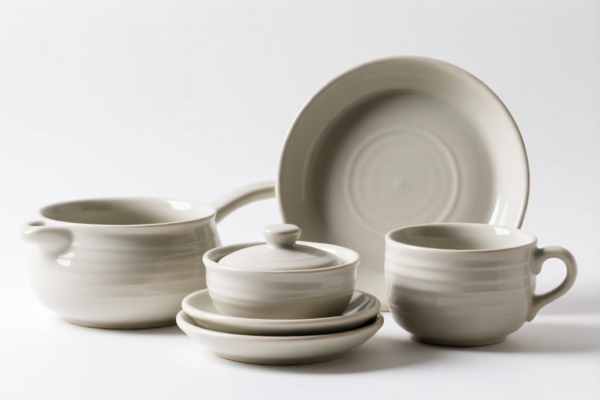
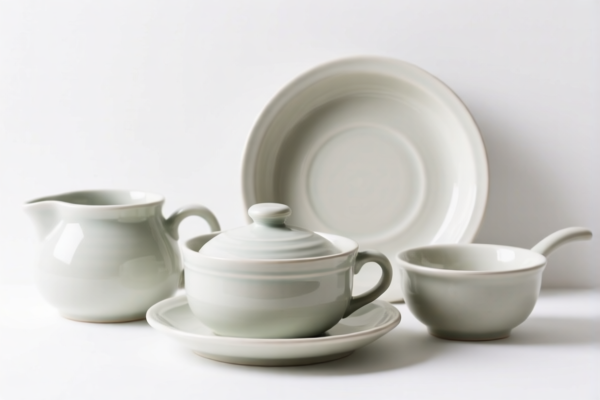
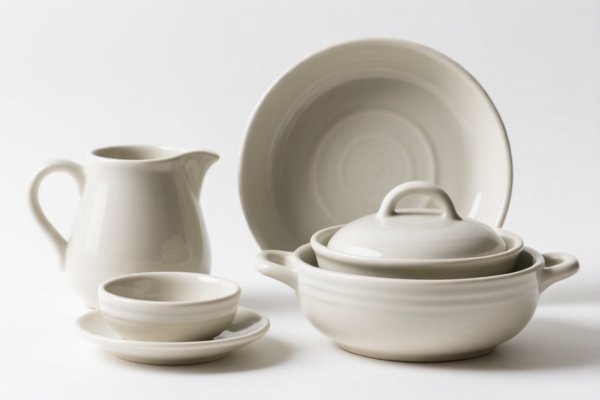
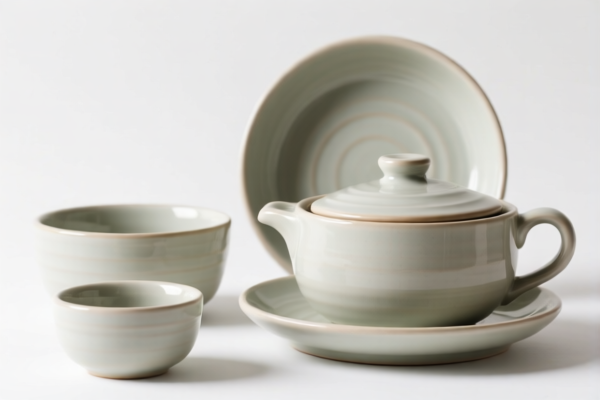
AI Analysis
🔥 Ceramic Cooktop Panel (Kitchen Stovetop Surface)
🌐 HS Code Reference & Customs Clearance Guide | 2026 Latest Tariff Analysis | Professional Clearance Strategy
📌 I. Product Definition & Classification: Do You Really Understand the "Cooktop Panel"?
A Ceramic Cooktop Panel is the flat, heat-resistant surface integrated into electric or induction cooking ranges. In international trade, its classification depends heavily on whether it is a standalone component or part of a complete appliance.
Ceramic Cooktop Panels (Components): Made of glass-ceramic material, designed specifically for stovetops. They are classified under ceramic ware chapters if sold separately. Complete Cooking Appliances: If the panel is installed with heating elements, controls, and casing, it falls under machinery/appliance chapters.
⚠️ Key Distinction Point:
- If the item is a raw ceramic panel (even if branded for cooktops) sold as a part → Classify under Chapter 69 (Ceramics).
- If the item is a finished cooktop assembly (with controls/heaters) → Classify under Chapter 84 (Machinery).
- Note: Based on the provided data, the specific item "Ceramic Cooktop Panel" is interpreted as a ceramic material used for stovetop surfaces.
📦 II. HS Code Classification Details (2026 Latest Tariff Authority Comparison)
Based on the provided data, the product is categorized into three potential HS Codes depending on the specific form and application scope.
| HS Code | Product Description | Application Scope | Material/Feature |
|---|---|---|---|
6907.21.90.11 |
Ceramic Material, Shape Consistent with Hearth or Wall Tile Use | Ceramic materials used in kitchen settings, potentially classified under wall/floor tiles if not strictly defined as appliance parts | Ceramic |
6907.40.90.51 |
Ceramic Material, Ceramic Facing/Paving Category Application | Ceramic tiles or facing materials used for countertops or backsplashes near cooktops | Ceramic |
8419.81.50.80 |
Inferred Ceramic Material, Use as Stovetop Panel, Fits Cooking Range Classification | The actual cooktop panel integrated into or designated for a cooking range/appliance | Ceramic/Mechanical |
🔍 Focus Reminder:
-6907.xx: Applies if the panel is treated as a ceramic tile/facing product (e.g., loose panels, architectural ceramics).
-8419.81.50.80: Applies if the panel is considered a part/accessory of a cooking appliance (heat processing machinery).
- The provided data explicitly maps "Ceramic Cooktop Panel" to these three codes.
💰 III. 2026 Latest Tariff Rate Breakdown (Including Surtaxes, Policy Add-ons)
✅ Applicable Country: United States (US)
✅ Origin: China (CN)
✅ Effective Date: November 10, 2025 (and subsequent imports)
🎯 1. 6907.21.90.11 & 6907.40.90.51 —— Ceramic Materials (Tile/Facing Category)
These codes cover ceramic products where the cooktop panel is treated as a ceramic facing or tile material.
| Item | Content |
|---|---|
| Base Rate | 8.5% (Ad Valorem) |
| Section 301 Surtax | +25.0% (From USITC Footnote) |
| 122 Section Tariff | +10.0% (Specific 122 Clause) |
| Total Tax Rate | 43.5% |
| Tax Calculation | CIF Value × 43.5% |
| De Minimis Eligibility | ❌ Not Eligible (High tax rate excludes small package benefits) |
| Legal Basis Path | USITC:6907.xx → Section 301: 25% → 122 Clause: 10% |
📌 Explanation:
- The Base Tariff (8.5%) is standard for ceramic tiles/plates.
- The Section 301 Surtax (25%) is the major trade war penalty on Chinese ceramics.
- The 122 Clause (10%) is an additional policy surcharge.
- Total 43.5% is a very high cost burden. Accuracy in classification is critical to avoid overpayment or penalties.
🎯 2. 8419.81.50.80 —— Ceramic Stovetop Panel (Appliance Part Category)
This code applies if the panel is strictly defined as a part of heat-processing machinery (cooking ranges).
| Item | Content |
|---|---|
| Base Rate | 0.0% (Ad Valorem) |
| Section 301 Surtax | +7.5% (From USITC Footnote for this subheading) |
| 122 Section Tariff | +10.0% (Specific 122 Clause) |
| Total Tax Rate | 17.5% |
| Tax Calculation | CIF Value × 17.5% |
| De Minimis Eligibility | ❌ Not Eligible |
| Legal Basis Path | USITC:8419.81.50.80 → Section 301: 7.5% → 122 Clause: 10% |
📌 Critical Advantage:
- The Base Rate is 0%, making this the most cost-effective classification if the product can be legally argued as an appliance part rather than a generic ceramic tile.
- Total 17.5% is significantly lower than 43.5%.
- Evidence Required: You must prove the product is specifically designed for and used in cooking machinery (e.g., technical specs showing heat resistance for cooking, not just flooring/tiles).
🛠️ IV. Customs Clearance Practical Advice (Practical Pitfall Avoidance Guide)
✅ 1. Preparation Checklist (Missing Documents Lead to Delays)
| Document | Must Provide | Description |
|---|---|---|
| ✅ Product Specification Sheet | ✔️ | Material (Glass-Ceramic), Dimensions, Thermal Resistance, Intended Use (Cooktop vs. Wall) |
| ✅ Technical Diagrams | ✔️ | Show if it includes heating elements (would change HS Code) or is just the surface panel |
| ✅ Product Photos | ✔️ | Clear images of the panel, labeling, and how it fits into a range |
| ✅ Commercial Invoice | ✔️ | Description must be precise: e.g., "Ceramic Cooktop Panel for Range" not just "Ceramic Tile" |
| ✅ Certificate of Origin (CO) | ✔️ | Required for Surtax calculations |
| ✅ Packing List | ✔️ | Indicate if sold alone or with appliance parts |
✅ 2. Declaration Strategy (Key Mantras)
🔥 "Define Use, Choose Code, Save 26% Tax!"
| Scenario | Correct Declaration | Risk of Error |
|---|---|---|
| Loose Ceramic Panel (No heaters) | 8419.81.50.80 (If proven as appliance part) |
If declared as Tile (6907), you pay 43.5% instead of 17.5%. |
| Cooktop Panel + Heaters + Controls | 8419.81.50.80 |
If declared as 6907, severe under-declaration penalty. |
| Ceramic Backsplash/Tile near Cooktop | 6907.21.90.11 or 6907.40.90.51 |
Do NOT use 8419 unless it's strictly for the cooking surface. |
💡 Cost Saving Tip:
- The difference between 43.5% and 17.5% is 26%.
- If your product is a standalone ceramic panel for a stove, argue strongly for8419.81.50.80by providing technical data showing it is an integral part of heat-processing machinery, not a construction material.
✅ 3. Special Case Handling
| Situation | Handling Advice |
|---|---|
| OEM Panel for Major Brands (e.g., Whirlpool, Bosch) | Provide OEM agreements and technical specs linking the panel to specific range models. |
| Panel Sold with Installation Kit | Declare as a single unit under 8419.81.50.80. Do not split unless instructed. |
| Ambiguous Product (Could be Tile or Panel) | Prefer 8419.81.50.80 if there is any ambiguity, as the tax burden is lower. Prepare evidence to support this. |
🌍 V. Global Market Clearance Comparison (2026 Latest)
| Country/Region | Recommended HS Code | Total Tax Rate (China Origin) | Notes |
|---|---|---|---|
| 🇺🇸 USA | 8419.81.50.80 |
17.5% | Best option if classified as appliance part. |
| 🇺🇸 USA | 6907.21.90.11 |
43.5% | Higher cost if classified as ceramic tile. |
| 🇨🇳 China | 8419.81.50.80 |
Varies | Import duties differ; focus on US export clearance. |
| 🇪🇺 EU | 7321.11 |
Varies | EU classification may differ; check local customs. |
📌 Conclusion:
- The US market is highly sensitive to Surtaxes.
- Correct classification is the single biggest factor in cost control.
- Aim for8419.81.50.80to save 26% in duties, but ensure your product documentation supports this as an "appliance part" rather than a "ceramic tile."
📌 VI. Common Errors & Pitfalls (Lessons Learned from Blood and Tears)
❌ Error 1: Declaring a Cooktop Panel as "Ceramic Tile" (6907) out of habit.
👉 Consequence: You pay 43.5% tax instead of 17.5%. Overpayment of 26%!
❌ Error 2: Declaring a Complete Range as a "Panel" (8419) to avoid appliance taxes.
👉 Consequence: Customs audit leads to penalties, delays, and potential seizure.
❌ Error 3: Vague Description: "Ceramic Plate."
👉 Consequence: Customs may reclassify to the highest duty rate or demand extensive evidence, delaying clearance by weeks.
✅ Correct Practice:
"Ceramic Cooktop Panel for Electric Range, Model XYZ, Heat-Resistant Glass-Ceramic, Part Number ABC"
🎯 VII. Conclusion: Professional Declaration Saves Money!
🎯 Remember the Mantra:
🔹 "Appliance Part = 17.5%, Ceramic Tile = 43.5%. Choose Wisely!"
🔹 "HS Code Determines Cost. A 26% Difference Can Make or Break Your Profit."
📌 Pro Tip:
If your product is not made in China (e.g., Made in Vietnam, Malaysia, or Italy), you may exempt from Section 301 Surtaxes.
- Non-China Origin: Tax Rate could be 0%~10% depending on the FTA (Free Trade Agreement).
- Action: Always check the Country of Origin before finalizing your HS Code strategy.
📣 Immediate Action:
📞 Contact a Professional Customs Broker
📸 Provide Technical Specs & Photos
🚀 Apply for Advance Ruling if possible
Let your Ceramic Cooktop Panel clear customs smoothly, efficiently, and profitably!
✨ Professional Clearance Starts with Accurate Classification!
💼 Every cent of tax cost deserves precise calculation!
Customer Reviews
About HS Code Classification
The Harmonized System (HS) is an internationally standardized nomenclature developed by the World Customs Organization (WCO) to classify traded products. Over 200 countries use the HS system as the basis for customs tariffs, trade statistics, and import/export regulations.
Each HS code follows a hierarchical structure:
- Chapter (2 digits) — Broad category of goods (e.g., Chapter 84: Machinery and Mechanical Appliances)
- Heading (4 digits) — More specific grouping within the chapter
- Subheading (6 digits) — Internationally standardized breakdown, used by all WCO member countries
- National subdivisions (8-10 digits) — Country-specific extensions for further classification, such as US HTSUS 10-digit codes
Correct HS code classification is essential for smooth customs clearance, accurate duty payment, and compliance with trade regulations. Misclassification can lead to customs delays, overpayment of duties, or penalties.
When importing from CN to US, the applicable tariff rates may include:
- Most-Favored-Nation (MFN) rate — The standard duty rate applied to WTO members
- General rate — Applied to countries without trade agreements
- Trade remedy duties — Additional tariffs such as Section 301 (anti-dumping), Section 232 (national security), or countervailing duties
The information provided on this page is for reference purposes only. For official classification, please consult with your local customs authority or a licensed customs broker.