Chandelier Accessories
CN → US| HS Code | Tariff Rate | Origin | Destination | Doc |
|---|---|---|---|---|
| 7326908630 | 87.9% | CN | US | Official Doc |
| 9405916040 | 39.5% | CN | US | Official Doc |
| 7326908688 | 87.9% | CN | US | Official Doc |
| 9405994090 | 91.0% | CN | US | Official Doc |
| 8543709860 | 37.6% | CN | US | Official Doc |
Product Images
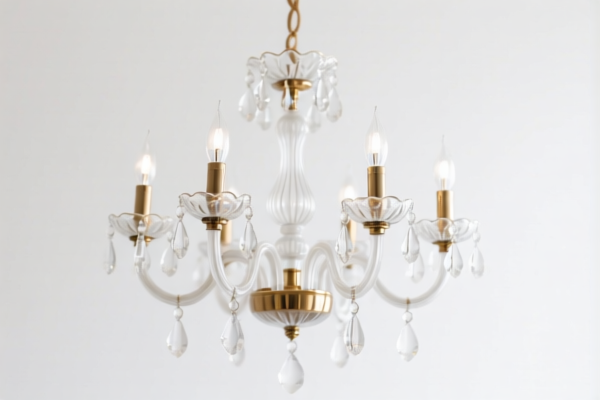
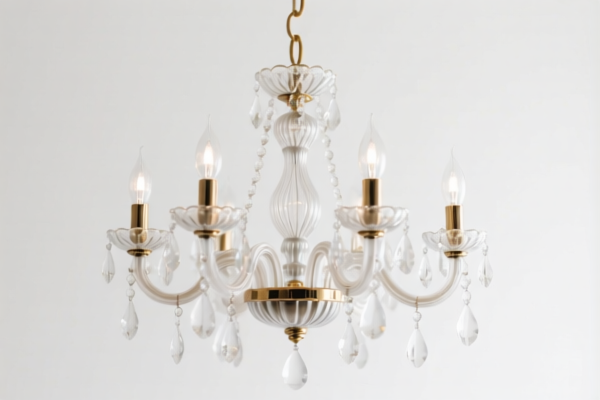
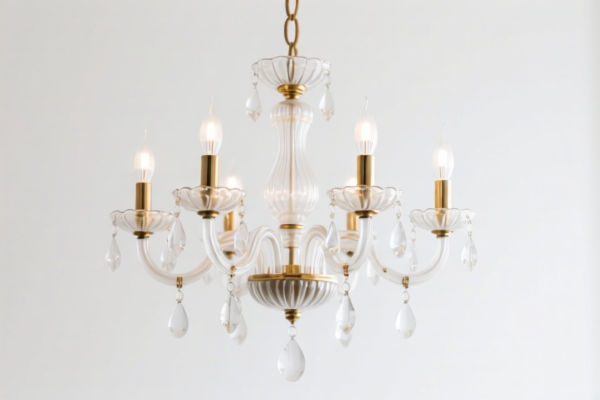
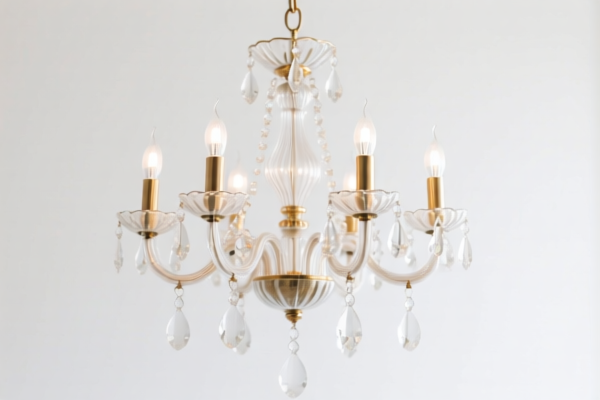
AI Analysis
💡 Chandelier Accessories: HS Code Classification & Tax Breakdown (2026 Guide)
🌐 HS Code Reference & Customs Clearance Guide | 2026 Latest Tariff Analysis | Professional Clearance Strategy
📌 1. Product Definition & Classification: What Exactly Are "Chandelier Accessories"?
Chandelier accessories are diverse components used in the assembly or decoration of lighting fixtures. In international trade, they are not classified under a single HS code. Instead, the classification depends strictly on the material and function of the specific part.
There are four main categories for chandelier accessories:
Metal Parts (Iron/Steel): Structural components, brackets, rods, or frames made of iron or steel. Glass Parts: Decorative crystals, glass shades, or pendants. Electrical Parts: Flashlight components, wiring, or other electrical apparatus parts. Unspecified/Other: Parts not clearly defined by material or function, falling into "other" categories.
⚠️ Key Distinction Point:
- If the part is Metal (Iron/Steel): It is classified under Chapter 73 (Articles of Iron or Steel). - If the part is Glass: It is classified under Chapter 94 (Lighting fixtures), specifically as accessories. - If the part is Electrical: It is classified under Chapter 85 (Electrical machinery and equipment). - If the material is Unknown or Mixed: It may fall under the residual "Other" categories in Chapter 94.
📦 2. HS Code Classification Details (2026 Latest Tariff Authority Comparison)
| HS Code | Product Description | Application Scenario | Material |
|---|---|---|---|
7326.90.86.88 |
Other articles of iron or steel | Metal brackets, steel rods, iron frames for chandeliers | ✅ Iron/Steel |
7326.90.86.30 |
Other articles of iron or steel: Support structures | Metal support frames, brackets, structural stays | ✅ Iron/Steel |
9405.99.40.90 |
Other lighting accessories (unspecified material) | Generic parts, mixed-material parts, or unclassified accessories | ⚠️ Unspecified |
9405.91.60.40 |
Glass parts for chandeliers | Glass crystals, glass shades, glass pendants | ✅ Glass |
8543.70.98.60 |
Parts of electrical apparatus | Electrical components, flashlight parts, electronic control parts | ✅ Electrical |
🔍 Key Reminder:
- Metal parts are subject to the highest combined tariffs due to Section 232 (Steel/Aluminum) and Section 301 measures. - Glass parts have a lower base tariff but still incur Section 301 additional tariffs. - Electrical parts have the lowest base tariff among the metal/electrical categories but are still subject to additional tariffs. - Unspecified parts carry the highest base tariff (6.0%) and are subject to all additional tariffs.
💰 3. 2026 Latest Tariff Rate Breakdown (Including Additional Taxes & Policy Add-ons)
✅ Applicable Country: United States (US)
✅ Country of Origin: China (CN)
✅ Effective Date: As per current trade policies (Section 301 & Section 232)
🎯 1. 7326.90.86.88 & 7326.90.86.30 —— Metal (Iron/Steel) Chandelier Accessories
| Item | Content |
|---|---|
| Base Tariff | 2.9% (Ad Valorem) |
| Section 301 Additional Tariff | +25.0% |
| Section 232 Additional Tariff | +50.0% (Applicable to Steel/Aluminum/Copper articles under 122 Clause) |
| Total Tariff Rate | 77.9% |
| Tax Calculation | CIF Value × 77.9% |
| De Minimis Exemption | ❌ Not Eligible (Section 301 and Section 232 tariffs apply regardless of value) |
| Legal Basis Path | HTSUS:7326.90.86 → USITC:Section 301 → USITC:Section 232 |
📌 Explanation:
- The 2.9% is the standard Most Favored Nation (MFN) rate. - The 25% is the Section 301 tariff on Chinese goods. - The 50% is the Section 232 tariff on steel products. - Total: 77.9%. This is a very high tariff for metal parts. Ensure you have accurate material declarations to avoid misclassification penalties.
🎯 2. 9405.99.40.90 —— Unspecified Material Chandelier Accessories (Fallback Category)
| Item | Content |
|---|---|
| Base Tariff | 6.0% (Ad Valorem) |
| Section 301 Additional Tariff | +25.0% |
| Section 232 Additional Tariff | +50.0% (If deemed to contain steel/aluminum/copper components) |
| Total Tariff Rate | 81.0% |
| Tax Calculation | CIF Value × 81.0% |
| De Minimis Exemption | ❌ Not Eligible |
| Legal Basis Path | HTSUS:9405.99.40 → USITC:Section 301 → USITC:Section 232 |
📌 Note:
- This is a residual category for parts not specifically described elsewhere. - If the parts are metal, they should ideally be classified under7326.90.86.xxxxto avoid potential disputes over the "unspecified" label. - The 6.0% base rate is higher than steel parts (2.9%), leading to a higher total tax if Section 232 applies.
🎯 3. 9405.91.60.40 —— Glass Chandelier Accessories
| Item | Content |
|---|---|
| Base Tariff | 4.5% (Ad Valorem) |
| Section 301 Additional Tariff | +25.0% |
| Section 232 Additional Tariff | N/A (Glass is not steel/aluminum) |
| Total Tariff Rate | 29.5% |
| Tax Calculation | CIF Value × 29.5% |
| De Minimis Exemption | ❌ Not Eligible |
| Legal Basis Path | HTSUS:9405.91.60 → USITC:Section 301 |
📌 Important:
- Glass parts are not subject to Section 232 tariffs. - Total: 29.5%. This is the most cost-effective category for chandelier accessories. - Ensure the parts are clearly identified as glass to avoid being misclassified as metal.
🎯 4. 8543.70.98.60 —— Electrical Parts (e.g., Flashlight Parts)
| Item | Content |
|---|---|
| Base Tariff | 2.6% (Ad Valorem) |
| Section 301 Additional Tariff | +25.0% |
| Section 232 Additional Tariff | N/A (Unless contains steel casing) |
| Total Tariff Rate | 27.6% |
| Tax Calculation | CIF Value × 27.6% |
| De Minimis Exemption | ❌ Not Eligible |
| Legal Basis Path | HTSUS:8543.70.98 → USITC:Section 301 |
📌 Note:
- Electrical parts have the lowest base tariff (2.6%). - Total: 27.6%. This is also a cost-effective category if the parts are purely electrical. - If the electrical parts are housed in a steel casing, they may be subject to Section 232, increasing the rate.
🛠️ 4. Customs Clearance Practical Advice (Battle-Tested Pitfall Guide)
✅ 1. Preparation Checklist (Non-Negotiable)
| Document | Must Provide | Description |
|---|---|---|
| ✅ Product Specification Sheet | ✔️ | Dimensions, weight, material composition (e.g., "100% Glass," "Iron Alloy"), function. |
| ✅ Material Declaration | ✔️ | Explicitly state the material for each accessory. Crucial for avoiding Section 232 issues. |
| ✅ Product Photos (Clear) | ✔️ | Show the part, including any markings, labels, or packaging. |
| ✅ Commercial Invoice | ✔️ | Clearly describe the item as "Chandelier Accessory - Glass" or "Chandelier Accessory - Iron Bracket." |
| ✅ Packing List | ✔️ | Detail the quantity and value of each accessory type. |
| ✅ Third-Party Test Report | ✔️ | If applicable (e.g., RoHS, CE for electrical parts). |
✅ 2. Declaration Tips (Key Mantra)
🔥 "Material First, Function Second. Glass is Cheap, Steel is Expensive!"
| Scenario | Correct Declaration | Wrong Practice |
|---|---|---|
| Glass Crystal | 9405.91.60.40 |
Misdeclared as "Metal Part" → 77.9% Tax |
| Iron Bracket | 7326.90.86.88 |
Misdeclared as "Other Accessory" → 81.0% Tax |
| Electrical Wire | 8543.70.98.60 |
Misdeclared as "Metal Part" → 77.9% Tax |
| Mixed Box (Glass + Metal) | Split Declaration | Declared as one item → High Risk of Audit & Penalty |
✅ 3. Special Situations Handling
| Situation | Handling Advice |
|---|---|
| Mixed Materials | If an accessory contains both glass and metal, classify the primary structural material. If metal is structural, use 7326.90.86.xxxx. |
| Painted Metal Parts | Still classified as iron/steel. Painting does not change the chapter. Subject to Section 232. |
| Plastic Parts | Not included in this dataset. Plastic parts would fall under Chapter 39 (Plastics), typically with lower tariffs. |
| Complete Chandelier | Not "accessories." A complete chandelier would be 9405.42.00.00 or similar, with different tariff implications. Do not confuse accessories with complete units. |
🌍 5. Global Market Comparison (2026 Latest)
| Country/Region | Recommended HS Code | Tariff (China Origin) | Notes |
|---|---|---|---|
| 🇺🇸 USA | 9405.91.60.40 (Glass) |
29.5% | Lowest tax among metal/electrical/glass options. |
| 🇺🇸 USA | 7326.90.86.88 (Metal) |
77.9% | Highest tax. Avoid if possible. |
| 🇪🇺 EU | 9405.91.00 |
~6-8% | No Section 301 or 232 tariffs. Much lower than US. |
| 🇨🇳 China | 9405.91.00 |
~10-15% | Import duty into China. |
📌 Conclusion:
- USA: Glass accessories (9405.91.60.40) and electrical parts (8543.70.98.60) are significantly cheaper to import than metal parts (7326.90.86.88). - Strategy: If you have design flexibility, consider using glass or plastic components instead of iron/steel to reduce tariff costs in the US market.
📌 6. Common Mistakes & Pitfalls (Lessons Learned)
❌ Mistake 1: Declaring all chandelier parts as "Chandelier Accessories" under one code.
👉 Consequence: Customs may split the shipment, assess the wrong rate, and impose penalties. Total tax could exceed 80%.
❌ Mistake 2: Misclassifying glass parts as metal.
👉 Consequence: Overpaying 48.4% in additional tariffs (77.9% vs 29.5%).
❌ Mistake 3: Ignoring Section 232 for metal parts.
👉 Consequence: If declared as "General Metal," customs will apply the 50% Section 232 tariff. Do not underestimate this clause.
❌ Mistake 4: Using vague descriptions like "Parts for Lighting."
👉 Consequence: Delayed clearance, requests for additional information, and potential audits.
✅ Correct Approach:
"Chandelier Accessory: Glass Crystal Pendant, 20mm, Clear, Unbranded"
"Chandelier Accessory: Iron Bracket, Painted Black, Structural Support"
🎯 7. Conclusion: Professional Declaration, Save Costs, Ensure Smooth Clearance!
🎯 Remember the Mantra:
🔹 "Glass is 29.5%, Metal is 77.9%. Declare Material, Save Money!"
🔹 "HS Code Determines Tax Rate. A Wrong Code Costs Thousands!"
📌 Tips:
- If your products are originally from Vietnam, Thailand, or Malaysia, you may be eligible for preferential tariffs (lower rates) under various trade agreements.
- Consider applying for an Advance Ruling from US Customs and Border Protection (CBP) if you have large, complex shipments.
- Material verification is key. Ensure your suppliers provide accurate material certificates.
📣 Take Action Now:
📞 Contact a licensed customs broker.
📄 Provide clear product specifications and material declarations.
🚀 Clear Customs Smoothly, Boost Profits, and Expand Your Market!
✨ Professional Customs Clearance Starts with Accurate Classification!
💼 Every Dollar of Tariff Saved is Pure Profit!
Customer Reviews
About HS Code Classification
The Harmonized System (HS) is an internationally standardized nomenclature developed by the World Customs Organization (WCO) to classify traded products. Over 200 countries use the HS system as the basis for customs tariffs, trade statistics, and import/export regulations.
Each HS code follows a hierarchical structure:
- Chapter (2 digits) — Broad category of goods (e.g., Chapter 84: Machinery and Mechanical Appliances)
- Heading (4 digits) — More specific grouping within the chapter
- Subheading (6 digits) — Internationally standardized breakdown, used by all WCO member countries
- National subdivisions (8-10 digits) — Country-specific extensions for further classification, such as US HTSUS 10-digit codes
Correct HS code classification is essential for smooth customs clearance, accurate duty payment, and compliance with trade regulations. Misclassification can lead to customs delays, overpayment of duties, or penalties.
When importing from CN to US, the applicable tariff rates may include:
- Most-Favored-Nation (MFN) rate — The standard duty rate applied to WTO members
- General rate — Applied to countries without trade agreements
- Trade remedy duties — Additional tariffs such as Section 301 (anti-dumping), Section 232 (national security), or countervailing duties
The information provided on this page is for reference purposes only. For official classification, please consult with your local customs authority or a licensed customs broker.