Cherry Syrup
CN → US| HS Code | Tariff Rate | Origin | Destination | Doc |
|---|---|---|---|---|
| 1702402800 | 0.0% | CN | US | Official Doc |
| 1702909000 | 40.1% | CN | US | Official Doc |
| 2006002000 | 0.0% | CN | US | Official Doc |
| 2006009000 | 51.0% | CN | US | Official Doc |
| 2008600020 | 0.0% | CN | US | Official Doc |
Product Images
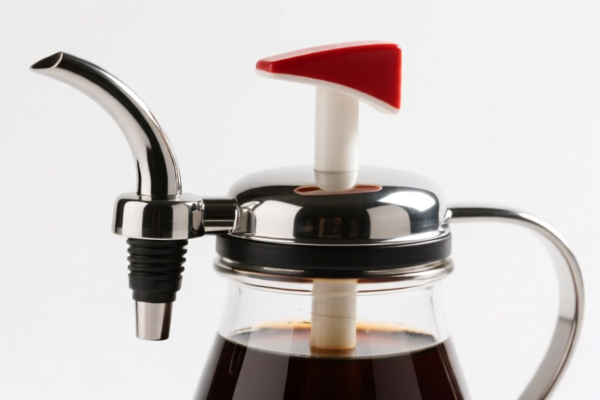
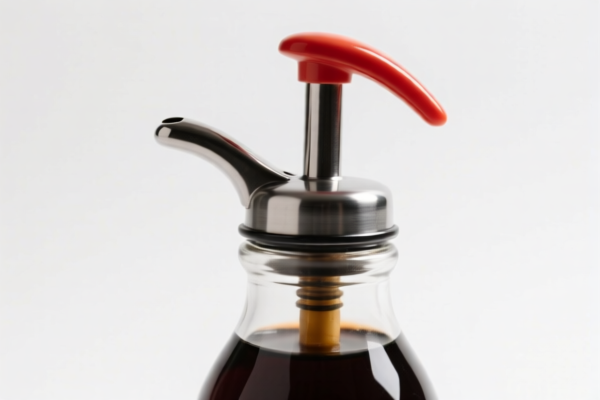
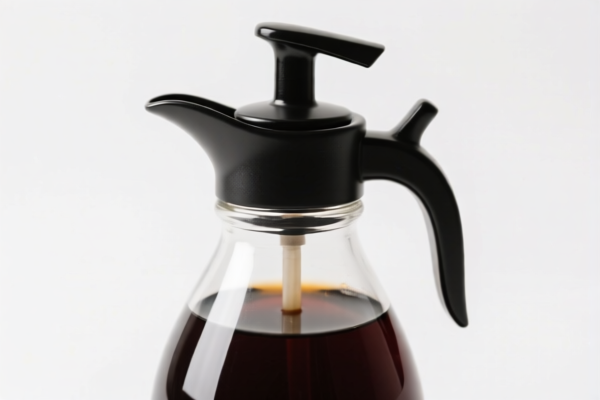
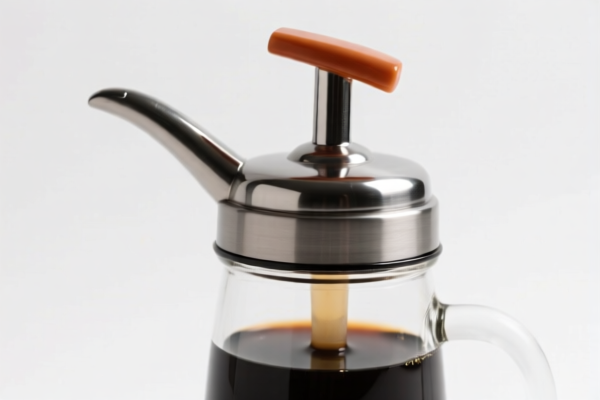
AI Analysis
🍒 Cherry Syrup (樱桃糖浆/糖渍樱桃) – HS Code Classification & Tariff Analysis
🌐 HS Code Reference & Customs Clearance Guide | 2026 Latest Tariff Breakdown | Professional Strategy for U.S. Imports
📌 I. Product Definition & Classification: What exactly is "Cherry Syrup"?
In international trade, "Cherry Syrup" is not a single monolithic category. Its classification depends entirely on its physical state (liquid vs. solid) and processing method. The distinction is critical because it determines whether you pay a low ad valorem rate or a high specific duty + surcharge.
1. Liquid Syrup (Syrup Form): - A viscous liquid solution containing sugar and cherry flavoring/extraction. - Key Attribute: It is a mixed syrup or other syrup. - Classification Logic: Since it is in syrup form, it falls under Chapter 17 (Sugars and Sugar Confectionery).
2. Preserved Cherries (Sugar-Conserved/Solid Form): - Whole or chopped cherries preserved in sugar, syrup, or brine. - Key Attribute: The fruit structure remains intact (or recognizable chunks) in a sugar-conserved state. - Classification Logic: Even if packed in syrup, if the primary identity is the preserved fruit, it often falls under Chapter 20 (Preparations of Vegetables, Fruits, Nuts).
⚠️ Critical Distinction Point:
- If it is a pourable liquid used primarily as a flavoring agent → Chapter 17 (Syrup).
- If it contains visible fruit pieces (even if soaked in syrup) → Chapter 20 (Preserved Fruit).
📦 II. HS Code Classification Details (2026 Latest Tariff Authority)
Based on the provided data, here are the applicable HS Codes for "Cherry Syrup" products entering the U.S. market.
| HS Code | Product Description | Application Scenario | Key Classification Feature |
|---|---|---|---|
1702.40.28.00 |
Mixed Syrups, other | Liquid cherry syrup, flavoring syrups | Syrup Form: Fits the material attribute of mixed syrups. |
1702.90.90.00 |
Other Syrups, other | Cherry syrup where cherry is just a flavor | Syrup Form: Cherry flavor does not exclude it from syrup category. |
2006.00.20.00 |
Sugar-Conserved Cherries | Maraschino-style cherries, whole or cut | Solid/Fruit Form: Matches "Cherries & other fruit preserved by sugar" exactly. |
2006.00.90.00 |
Other Sugar-Conserved Fruit | Generic sugar-preserved cherries | Solid/Fruit Form: Fits sugar-conservation features; no material conflict. |
2008.60.00.20 |
Maraschino Cherries | Specific Maraschino cherry preparation | Specific Fruit Form: Matches "Maraschino" characteristics and sugar-conservation. |
🔍 Important Note:
- Products under 1702 are taxed as Syrups.
- Products under 2006/2008 are taxed as Preserved Fruit.
- Do not declare "Cherries" if the product is purely liquid syrup, and do not declare "Syrup" if the product is visibly whole/chopped cherries in sugar. Misclassification leads to severe penalties.
💰 III. 2026 Latest Tariff Rate Breakdown (Including Surcharges & Policy Add-ons)
✅ Applicable Country: United States (US)
✅ Origin: China (CN)
✅ Effective Date: From November 10, 2025 (and subsequent imports)
🎯 1. 1702.40.28.00 – Mixed Syrups (Liquid Cherry Syrup)
| Item | Content |
|---|---|
| Base Tariff | 33.9¢/kg of total sugars + 5.1% |
| Section 301 Surcharge | 0.0% (Waived for this specific subheading in current data) |
| Section 122 Tariff | 10% |
| Total Tax Rate | Complex Mix: Specific Duty + 5.1% Ad Valorem + 10% Surcharge |
| Tax Calculation | (33.9¢ × kg of total sugars) + (CIF Value × 5.1%) + (CIF Value × 10%) |
| De Minimis Eligibility | ❌ Not Eligible (High risk of rejection for small shipments due to specific duty) |
| Legal Basis Path | Base Tariff: 33.9¢/kg + 5.1% → Sec 122: 10% |
📌 Explanation:
- This rate is highly specific. It charges based on the weight of sugar (not just total weight), which requires accurate sugar content declaration. - The 10% Section 122 tariff is an additional layer on top of the base rate. - Total effective cost can be very high depending on sugar density.
🎯 2. 1702.90.90.00 – Other Syrups (Flavoring Cherry Syrup)
| Item | Content |
|---|---|
| Base Tariff | 5.1% |
| Section 301 Surcharge | 25.0% |
| Section 122 Tariff | 10% |
| Total Tax Rate | 40.1% |
| Tax Calculation | CIF Value × 40.1% |
| De Minimis Eligibility | ❌ Not Eligible |
| Legal Basis Path | Base: 5.1% → Sec 301: 25.0% → Sec 122: 10% |
📌 Note:
- If your product is a generic cherry syrup (not strictly "mixed" under 1702.40), it likely falls here. - 40.1% is a flat ad valorem rate, easier to calculate than specific duties but still significant.
🎯 3. 2006.00.20.00 – Sugar-Conserved Cherries (Maraschino Style)
| Item | Content |
|---|---|
| Base Tariff | 9.9¢/kg + 6.4% |
| Section 301 Surcharge | 25.0% |
| Section 122 Tariff | 10% |
| Total Tax Rate | Complex Mix: Specific Duty + 6.4% + 35.0% (25+10) |
| Tax Calculation | (9.9¢ × kg) + (CIF Value × 6.4%) + (CIF Value × 35.0%) |
| De Minimis Eligibility | ❌ Not Eligible |
| Legal Basis Path | Base: 9.9¢/kg + 6.4% → Sec 301: 25.0% → Sec 122: 10% |
📌 Explanation:
- This code is for whole or cut cherries preserved in sugar. - The 25% Section 301 tariff applies heavily here, bringing the total surcharge to 35%. - The base tariff includes a specific duty (9.9¢/kg), so accurate weight declaration is crucial.
🎯 4. 2006.00.90.00 – Other Sugar-Conserved Fruits
| Item | Content |
|---|---|
| Base Tariff | 16.0% |
| Section 301 Surcharge | 25.0% |
| Section 122 Tariff | 10% |
| Total Tax Rate | 51.0% |
| Tax Calculation | CIF Value × 51.0% |
| De Minimis Eligibility | ❌ Not Eligible |
| Legal Basis Path | Base: 16.0% → Sec 301: 25.0% → Sec 122: 10% |
📌 Note:
- This is the highest ad valorem rate in the dataset. - Use only if the product does not fit the specific "Maraschino" or "Cherry" subheadings of 2006.20. - Avoid this code if possible, as 51% is very costly.
🎯 5. 2008.60.00.20 – Maraschino Cherries (Specific Preparation)
| Item | Content |
|---|---|
| Base Tariff | 6.9¢/kg + 4.5% |
| Section 301 Surcharge | 25.0% |
| Section 122 Tariff | 10% |
| Total Tax Rate | Complex Mix: Specific Duty + 4.5% + 35.0% |
| Tax Calculation | (6.9¢ × kg) + (CIF Value × 4.5%) + (CIF Value × 35.0%) |
| De Minimis Eligibility | ❌ Not Eligible |
| Legal Basis Path | Base: 6.9¢/kg + 4.5% → Sec 301: 25.0% → Sec 122: 10% |
📌 Explanation:
- This is the preferred code for Maraschino cherries if they meet the specific preparation criteria. - It has the lowest base specific duty (6.9¢) and base ad valorem (4.5%), but still faces the 35% surcharge. - Compare total cost with2006.00.20.00–2008.60.00.20often results in lower total tax for Maraschino-style products.
🛠️ IV. Customs Clearance Practical Advice (Battle-Tested Pitfall Guide)
✅ 1. Document Checklist (Non-Negotiable)
| Document | Must Provide? | Explanation |
|---|---|---|
| ✅ Product Specification Sheet | ✔️ | Must clearly state: Syrup vs. Preserved Fruit. Include % sugar, pH, and fruit content. |
| ✅ Ingredient List | ✔️ | Essential for calculating "kg of total sugars" for specific duties. |
| ✅ Product Photos | ✔️ | Show if it is liquid (pourable) or solid (chunks/whole). |
| ✅ Commercial Invoice | ✔️ | Must match HS Code description exactly. Avoid vague terms like "Food Additive." |
| ✅ Certificate of Origin (CO) | ✔️ | Required for all China-origin goods to apply tariffs correctly. |
| ✅ Packing List | ✔️ | Clearly separate net weight of sugar vs. fruit if applicable. |
✅ 2. Declaration Tips (Key Mantra)
🔥 “Liquid is Syrup, Solid is Fruit. Declare Sugar Weight. Don’t Guess!”
| Scenario | Correct Declaration | Wrong Practice |
|---|---|---|
| Pourable Cherry Liquid | HS 1702.40.28.00 or 1702.90.90.00 |
Declare as "Cherries" → Penalty + Retention |
| Whole/Chopped Cherries in Syrup | HS 2006.00.20.00 or 2008.60.00.20 |
Declare as "Syrup" → Misclassification Risk |
| Maraschino Cherries | HS 2008.60.00.20 (if eligible) |
Use 2006.00.90.00 → Higher Tax (51%) |
| Sugar Content | Declare kg of total sugars | Declare total weight only → Incorrect Specific Duty |
✅ 3. Special Circumstances Handling
| Scenario | Handling Advice |
|---|---|
| High Sugar Content Product | Ensure your lab test report verifies the % of total sugars. Errors here lead to underpayment of specific duties. |
| Maraschino vs. Generic Preserved | If cherries are dyed red, pitted, and soaked in cherry brandy/syrup, they qualify as Maraschino (2008.60.00.20). If not, use 2006.00.20.00. |
| Small Shipments (De Minimis) | ❌ Not Eligible. Even for low-value shipments, these HS codes are excluded from de minimis treatment due to agricultural and tariff surcharges. |
| OEM Custom Syrup | Provide flavor profile documents. If it’s a "cherry flavoring syrup," it may fall under 1702.90.90.00. |
🌍 V. Global Market Comparison (2026 Latest)
| Country/Region | Recommended HS Code | Tariff Rate (China Origin) | Certification Requirements | Notes |
|---|---|---|---|---|
| 🇺🇸 USA | 1702.40.28.00 / 2008.60.00.20 |
35%–51% (incl. surcharges) | FDA Registration + FSMA Compliance | High Tariff Risk. Specific duties require precise sugar labeling. |
| 🇨🇳 China | 1702.40 / 2008.60 |
Varies (5%-15%) | CCC (if applicable), Food License | Lower tariffs. Focus on quality standards. |
| 🇪🇺 EU | 1702.40 / 2008.60 |
0% - 15% (Depending on FTAs) | HACCP, ISO 22000, Organic Certs | No Section 301/122 equivalents. Easier entry if compliant. |
| 🇬🇧 UK | 1702.40 / 2008.60 |
0% - 20% | Food Standards Agency (FSA) | Post-Brexit rules. Check UK Global Tariff. |
| 🇯🇵 Japan | 1702.40 / 2008.60 |
0% - 10% | FIFRA-equivalent (Food Sanitation) | Low barriers. Strict residue limits on pesticides. |
📌 Conclusion:
- USA is the most challenging market due to Section 301 (25%) and Section 122 (10%) surcharges, totaling 35% on top of base rates.
- China-origin cherry products face a 35%-51% effective tariff burden in the US.
- Strategy: Consider sourcing from non-China origins (e.g., Italy, Chile) to avoid surcharges, or optimize supply chain to use the lowest applicable HS code (2008.60.00.20for Maraschino).
📌 VI. Common Errors & Pitfall Guide (Lessons Learned)
❌ Error 1: Declaring "Cherry Syrup" as 2006.00.90.00 (51% tax) when it is clearly 1702.40.28.00 (~15-20% effective).
👉 Consequence: Overpayment of thousands of dollars in duties.
❌ Error 2: Failing to declare kg of total sugars for HS 1702.40.28.00.
👉 Consequence: Customs estimates sugar content at 100% → Massive overpayment of specific duty.
❌ Error 3: Using "De Minimis" for cherry syrup/cherries.
👉 Consequence: Package seized or rejected. These items are explicitly excluded from de minimis treatment.
❌ Error 4: Mislabeling "Maraschino Cherries" as "Sugar-Conserved Cherries."
👉 Consequence: Higher tax rate (2006.00.90.00 at 51% vs 2008.60.00.20 with lower base).
✅ Correct Action:
"Cherry Syrup (Liquid), 70% Sugar, Food Grade, for Beverage Use, Model CS-01"
OR
"Maraschino Cherries, Pitted, Red Dyed, Preserved in Cherry Brandy/Syrup, 10kg Net, Model MC-01"
🎯 VII. Conclusion: Professional Declaration Saves Money!
🎯 Remember the Mantra:
🔹 "Liquid = Syrup (Ch17), Solid = Fruit (Ch20). Sugar Weight Matters! Surcharges Add 35%!"
🔹 "Maraschino is King: Use2008.60.00.20if eligible to lower base tax."
🔹 "No De Minimis: Plan for 35-51% Total Duty Burden."
📌 Pro Tip:
If your cherry syrup/cherries are originally from Italy, Spain, or Chile, you may avoid the 25% Section 301 tariff, reducing the total burden significantly.
Recommend Advance Ruling (CBP Ruling) for complex syrup formulations to ensure correct HS Code assignment before shipping.
📣 Immediate Action:
📞 Contact a licensed customs broker + Provide Sugar Content Analysis + Request CBP Advance Ruling
🚀 Ensure your cherry syrup/cherries clear customs smoothly, avoid penalties, and protect your margins!
✨ Professional Customs Clearance Starts with Precise Classification!
💼 Every penny of tariff is worth calculating!
Customer Reviews
About HS Code Classification
The Harmonized System (HS) is an internationally standardized nomenclature developed by the World Customs Organization (WCO) to classify traded products. Over 200 countries use the HS system as the basis for customs tariffs, trade statistics, and import/export regulations.
Each HS code follows a hierarchical structure:
- Chapter (2 digits) — Broad category of goods (e.g., Chapter 84: Machinery and Mechanical Appliances)
- Heading (4 digits) — More specific grouping within the chapter
- Subheading (6 digits) — Internationally standardized breakdown, used by all WCO member countries
- National subdivisions (8-10 digits) — Country-specific extensions for further classification, such as US HTSUS 10-digit codes
Correct HS code classification is essential for smooth customs clearance, accurate duty payment, and compliance with trade regulations. Misclassification can lead to customs delays, overpayment of duties, or penalties.
When importing from CN to US, the applicable tariff rates may include:
- Most-Favored-Nation (MFN) rate — The standard duty rate applied to WTO members
- General rate — Applied to countries without trade agreements
- Trade remedy duties — Additional tariffs such as Section 301 (anti-dumping), Section 232 (national security), or countervailing duties
The information provided on this page is for reference purposes only. For official classification, please consult with your local customs authority or a licensed customs broker.