Coffee Cleaning Brush Set
CN → US| HS Code | Tariff Rate | Origin | Destination | Doc |
|---|---|---|---|---|
| 3924104000 | 13.4% | CN | US | Official Doc |
| 3402505100 | 10.0% | CN | US | Official Doc |
| 3924905650 | 20.9% | CN | US | Official Doc |
| 3402905030 | 38.7% | CN | US | Official Doc |
| 9603109000 | 27.5% | CN | US | Official Doc |
Product Images
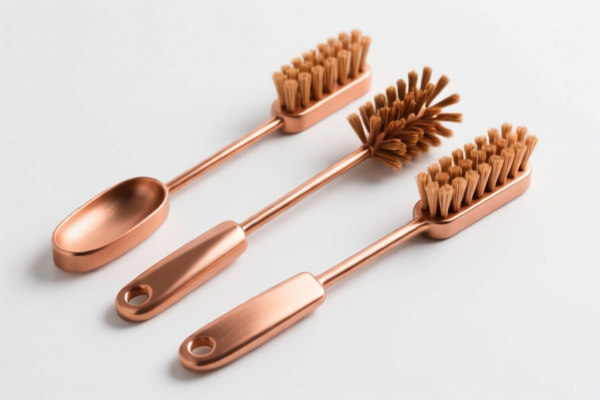
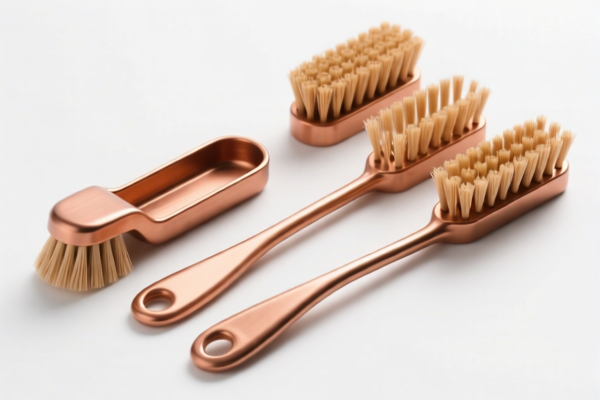
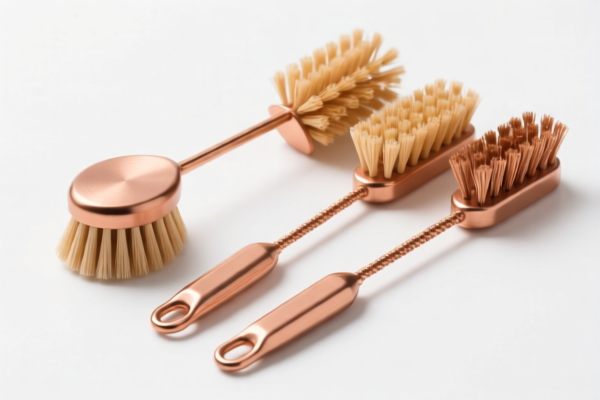
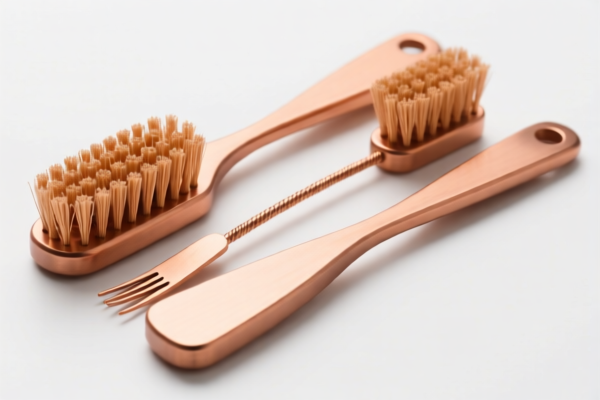
AI Analysis
🧼 Coffee Cleaning Brush Set (Coffee Machine Accessories)
🌐 HS Code Reference & Customs Clearance Guide | 2026 Latest Tariff Analysis | Professional Clearance Strategy
📌 I. Product Definition & Classification: What Exactly Is a "Coffee Cleaning Brush Set"?
A Coffee Cleaning Brush Set is typically a kit containing specialized brushes, tampers, or scrubbers designed for maintaining espresso machines, grinders, and portafilters. In international trade, its classification depends heavily on material composition and primary function.
Key Distinction: * Cleaning Agents (Liquids/Powders): If the set includes cleaning tablets or solutions, it may fall under Chemical/Cosmetic chapters. * Physical Tools (Brushes/Scrubbers): If the set consists of physical bristles, plastic handles, or silicone tools, it falls under Plastic articles or Brooms/Brushes chapters. * Mixed Kits: Often classified as "Plastic household items" or "Chemical preparations" depending on the dominant feature.
⚠️ Critical Classification Point:
- If the kit is primarily plastic bristles/tools → Chapter 39 (Plastics) or Chapter 96 (Brooms/Brushes).
- If the kit is primarily cleaning chemicals/solutions → Chapter 34 (Detergents/Cleaners).
- Mixed kits often trigger higher scrutiny due to varying tax rates across chapters.
📦 II. HS Code Classification Details (2026 Latest Tariff Reference)
Based on the provided data, here are the five most probable HS Codes for a "Coffee Cleaning Brush Set," along with their logical justifications and tax implications.
| HS Code | Product Description | Logical Justification from Data | Total Tax Rate | Tax Breakdown |
|---|---|---|---|---|
| 3924.10.40.00 | Plastic Sanitary/Closet Articles | "Based on the use of the cleaning kit, it is inferred that it contains cleaning supplies, falling within the category of plastic sanitary or toilet articles." | 13.4% | Base: 3.4% Section 301: 0.0% Section 122: 10% |
| 3402.50.51.00 | Surface Active Agents/Cleaning Prep | "By common sense, this cleaning kit belongs to the cleaning preparation category, matching the functional description of surfactants and cleaning preparations." | 10.0% | Base: 0.0% Section 301: 0.0% Section 122: 10% |
| 3924.90.56.50 | Other Plastic Household Items | "Inferred that cleaning kits often contain plastic brushes or bottles, fitting the fallback category for plastic household and sanitary items." | 20.9% | Base: 3.4% Section 301: 7.5% Section 122: 10% |
| 3402.90.50.30 | Other Surface Active Agents | "Product name and code match the usage of cleaning preparations completely; kits usually contain cleaners, and forms match cleaning uses." | 38.7% | Base: 3.7% Section 301: 25.0% Section 122: 10% |
| 9603.10.90.00 | Brooms, Brushes, etc. | "Product name matches classification usage (brushes), belonging to other fallback categories; reasonably inferred as brooms/brushes." | 27.5% | Base: 10.0% Section 301: 7.5% Section 122: 10% |
🔍 Key Insight:
- The tax rate varies drastically from 10.0% to 38.7% depending on whether Customs views the item as a Plastic Tool (Ch. 39/96) or a Chemical/Cleaning Prep (Ch. 34).
- Section 122 (10%) applies to all categories in the provided data, indicating a specific bilateral or trade agreement impact.
- Section 301 adds significant weight (up to 25%) for chemical-based classifications (3402.90.50.30).
💰 III. 2026 Latest Tariff Rate Details (Including Surcharges)
✅ Applicable Country: United States (US)
✅ Origin: China (CN)
✅ Effective Date: Current (2026)
🎯 1. 3924.10.40.00 —— Plastic Sanitary Articles (Lowest Risk/Rate)
| Item | Content |
|---|---|
| Base Duty | 3.4% (ad valorem) |
| Section 301 Surcharge | 0.0% |
| Section 122 Surcharge | +10.0% |
| Total Effective Rate | 13.4% |
| Tax Calculation | CIF Value × 13.4% |
| De Minimis Eligibility | ✅ Yes (If value < $800) |
| Legal Basis Path | USITC:3924.10.40.00 → FOOTNOTE:122 |
📌 Explanation:
- This classification assumes the kit is treated as plastic sanitary/household goods.
- No Section 301 tariffs apply, making this the most cost-effective classification if substantiated by product photos (showing plastic brushes, not just chemicals).
🎯 2. 3402.50.51.00 —— Surface Active Agents (Chemical Focus)
| Item | Content |
|---|---|
| Base Duty | 0.0% |
| Section 301 Surcharge | 0.0% |
| Section 122 Surcharge | +10.0% |
| Total Effective Rate | 10.0% |
| Tax Calculation | CIF Value × 10.0% |
| De Minimis Eligibility | ✅ Yes (If value < $800) |
| Legal Basis Path | USITC:3402.50.51.00 → FOOTNOTE:122 |
📌 Explanation:
- If the kit is dominated by cleaning tablets or liquid solutions, it may qualify for 0% base duty.
- However, proving "chemical dominance" over physical brushes can be difficult in mixed kits.
🎯 3. 3924.90.56.50 —— Other Plastic Household Items
| Item | Content |
|---|---|
| Base Duty | 3.4% |
| Section 301 Surcharge | +7.5% |
| Section 122 Surcharge | +10.0% |
| Total Effective Rate | 20.9% |
| Tax Calculation | CIF Value × 20.9% |
| De Minimis Eligibility | ✅ Yes (If value < $800) |
| Legal Basis Path | USITC:3924.90.56.50 → FOOTNOTE:122 → USITC:301.88 |
📌 Explanation:
- A "fallback" plastic category. Applies if the kit doesn't fit specific sanitary codes but is clearly plastic.
- Higher Section 301 impact (7.5%) compared to3924.10.40.00.
🎯 4. 3402.90.50.30 —— Other Chemical Preparations (Highest Risk)
| Item | Content |
|---|---|
| Base Duty | 3.7% |
| Section 301 Surcharge | +25.0% |
| Section 122 Surcharge | +10.0% |
| Total Effective Rate | 38.7% |
| Tax Calculation | CIF Value × 38.7% |
| De Minimis Eligibility | ❌ No (High risk of audit) |
| Legal Basis Path | USITC:3402.90.50.30 → USITC:301.88 → FOOTNOTE:122 |
📌 Explanation:
- Highest Tax Rate. Applies if Customs determines the kit is primarily a chemical cleaning agent.
- The 25% Section 301 tariff makes this classification very expensive. Avoid unless the product is 100% chemical with no physical brushes.
🎯 5. 9603.10.90.00 —— Brooms & Brushes
| Item | Content |
|---|---|
| Base Duty | 10.0% |
| Section 301 Surcharge | +7.5% |
| Section 122 Surcharge | +10.0% |
| Total Effective Rate | 27.5% |
| Tax Calculation | CIF Value × 27.5% |
| De Minimis Eligibility | ✅ Yes (If value < $800) |
| Legal Basis Path | USITC:9603.10.90.00 → FOOTNOTE:122 → USITC:301.88 |
📌 Explanation:
- Fits if the product is purely physical brushes (e.g., portafilter cleaning brushes, group head brushes).
- Higher base duty (10%) than plastic sanitary codes.
🛠️ IV. Customs Clearance Practical Advice (Real-World Pitfall Guide)
✅ 1. Documentation Checklist (Non-Negotiable)
| Document | Required | Explanation |
|---|---|---|
| ✅ Product Photos | ✔️ | Critical: Must show physical brushes (plastic/bristle) to support HS 39/96. If only chemicals are shown, HS 34 will be assigned. |
| ✅ Commercial Invoice | ✔️ | Clearly state: "Coffee Machine Cleaning Brush Set (Physical Tools)" |
| ✅ Packing List | ✔️ | List each brush individually (e.g., "1x Portafilter Brush, Plastic Bristles") |
| ✅ Product Description | ✔️ | Avoid words like "Chemical," "Solution," or "Tablet" unless physically present. |
| ✅ Material Declaration | ✔️ | Confirm materials: "100% Plastic Handle, Nylon Bristles" |
✅ 2. Classification Strategy (Key Mantra)
🔥 "Show the Plastic, Hide the Chemistry, Avoid the 38% Pit!"
| Scenario | Recommended HS Code | Tax Rate | Why? |
|---|---|---|---|
| Kit with only brushes (no chemicals) | 3924.10.40.00 or 9603.10.90.00 |
13.4% - 27.5% | Physically a tool/plastic item. |
| Kit with cleaning tablets + brushes | 3924.10.40.00 |
13.4% | Argue brushes are "dominant" or "primary use" is mechanical cleaning. |
| Kit with liquid solution + brushes | 3402.50.51.00 |
10.0% | Only if chemicals are the main value/use. Hard to prove for brush sets. |
| Kit with heavy chemical focus | 3402.90.50.30 |
38.7% | AVOID. High tax. Only if brushes are minor accessories. |
📌 Note:
- Section 301 (25%) is the biggest risk. Classifying as3402.90.50.30triggers this.
- Section 122 (10%) applies to all, so focus on minimizing Base + Section 301.
✅ 3. Special Cases
| Case | Handling Advice |
|---|---|
| OEM Custom Brushes | Provide design drawings to prove "plastic/broom" classification. |
| Brushes with Chemical Residue | Clearly label as "Physical Brush, Not a Chemical Product" on invoice. |
| Mixed Kit (Brush + Solution) | Declare separately if possible, or argue for the higher-value item (usually brushes) to avoid chemical classification. |
| Small Handheld Brushes | Use 3924.10.40.00 (Sanitary/Plastic) rather than 9603 (Brooms) for better rate stability. |
🌍 V. Global Customs Comparison (2026 Update)
| Country/Region | Recommended HS Code | Tax Rate (China Origin) | Certification | Note |
|---|---|---|---|---|
| 🇺🇸 USA | 3924.10.40.00 |
13.4% | None | Avoid 3402.90.50.30 (38.7%) |
| 🇨🇳 China | 3924.10.40.00 |
8.0% | None | Lower base duty, no Section 301 |
| 🇪🇺 EU | 9603.30.00 |
4.0% | CE (if applicable) | Different chapter structure |
| 🇬🇧 UK | 9603.30.00 |
4.0% | UKCA | Post-Brexit alignment |
| 🇯🇵 Japan | 9603.90.00 |
5.0% | None | General brush category |
📌 Conclusion:
- USA is the most complex market due to Section 301/122 tariffs.
- Plastic classification (3924) is the sweet spot for coffee brush sets in the US.
- Chemical classification (3402.90) is a tax trap due to 25% Section 301.
📌 VI. Common Errors & Pitfalls (Blood Lessons)
❌ Error 1: Declaring "Coffee Cleaning Kit" without specifying contents
👉 Consequence: Customs assigns 3402.90.50.30 by default → 38.7% Tax!
❌ Error 2: Including cleaning tablets in a "Brush Set" shipment without separate declaration
👉 Consequence: Entire kit reclassified as chemical → High Tax + Delay
❌ Error 3: Using "Brooms" (9603) for small plastic portafilter brushes
👉 Consequence: Possible reclassification to 3924 with higher scrutiny, though tax may be similar. Clarify material.
❌ Error 4: Ignoring Section 122 (10%)
👉 Consequence: Underpayment → Penalties + Interest
✅ Correct Declaration:
"Coffee Machine Cleaning Brush Set (Plastic Handles, Nylon Bristles). No Chemicals Included. Model XYZ. For Mechanical Cleaning of Espresso Machines."
🎯 VII. Conclusion: Precision Classification Saves Money!
🎯 Remember:
🔹 "Brushes are Plastic, Not Chemicals!"
🔹 "Avoid 3402.90, Stick to 3924.10!"
🔹 "13.4% vs 38.7% – The difference is $253 on $1000!"
📌 Pro Tip:
If your kit includes cleaning tablets, declare them separately as "Cleaning Tablets" (
3808.94) to avoid contaminating the brush classification.
Apply for a Binding Ruling if importing large volumes to lock in the 13.4% rate.
📣 Immediate Action:
📞 Contact your Customs Broker with clear photos of the physical brushes.
🚀 Declare as "Plastic Sanitary/Cleaning Tools" to secure the 13.4% rate.
✨ Professional Clearance Starts with Accurate Classification!
💼 Every Percent Saved is Pure Profit!
Customer Reviews
About HS Code Classification
The Harmonized System (HS) is an internationally standardized nomenclature developed by the World Customs Organization (WCO) to classify traded products. Over 200 countries use the HS system as the basis for customs tariffs, trade statistics, and import/export regulations.
Each HS code follows a hierarchical structure:
- Chapter (2 digits) — Broad category of goods (e.g., Chapter 84: Machinery and Mechanical Appliances)
- Heading (4 digits) — More specific grouping within the chapter
- Subheading (6 digits) — Internationally standardized breakdown, used by all WCO member countries
- National subdivisions (8-10 digits) — Country-specific extensions for further classification, such as US HTSUS 10-digit codes
Correct HS code classification is essential for smooth customs clearance, accurate duty payment, and compliance with trade regulations. Misclassification can lead to customs delays, overpayment of duties, or penalties.
When importing from CN to US, the applicable tariff rates may include:
- Most-Favored-Nation (MFN) rate — The standard duty rate applied to WTO members
- General rate — Applied to countries without trade agreements
- Trade remedy duties — Additional tariffs such as Section 301 (anti-dumping), Section 232 (national security), or countervailing duties
The information provided on this page is for reference purposes only. For official classification, please consult with your local customs authority or a licensed customs broker.