Colored Dye Film (Waterproof)
CN → US| HS Code | Tariff Rate | Origin | Destination | Doc |
|---|---|---|---|---|
| 3919905060 | 40.8% | CN | US | Official Doc |
| 3703906000 | 37.8% | CN | US | Official Doc |
| 3920992000 | 39.2% | CN | US | Official Doc |
| 3920991000 | 41.0% | CN | US | Official Doc |
Product Images
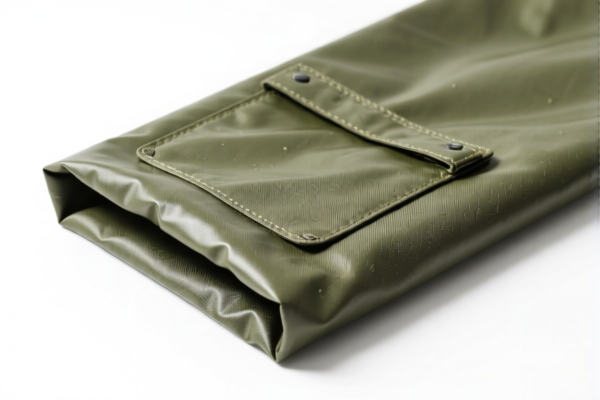
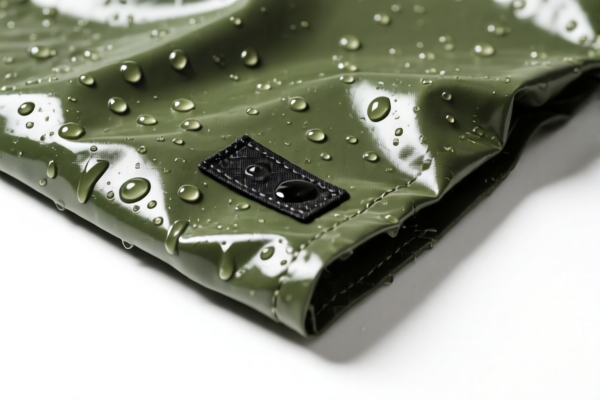
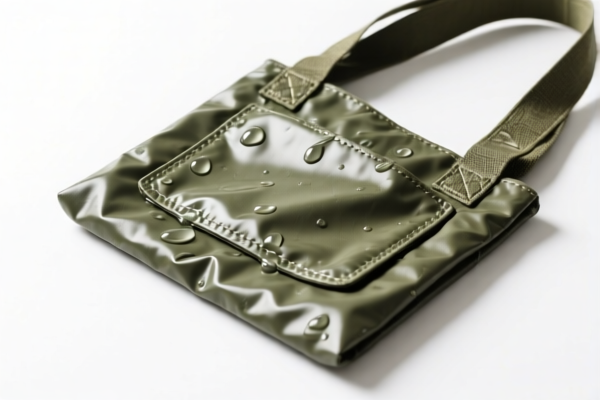
AI Analysis
🎨 Colored Dye Film (Waterproof)
🌐 HS Code Reference & Customs Clearance Guide | 2026 Latest Tariff Analysis | Professional Entry Strategies
📌 I. Product Definition & Classification: Do You Really Understand "Colored Dye Film"?
"Colored Dye Film" is a versatile material widely used in optical imaging, protective packaging, and industrial waterproofing. In international trade, its classification depends heavily on its physical form (rigid vs. flexible), material composition (plastic vs. specialized chemical substrate), and functional purpose (protection vs. data recording).
Core Distinction:
- Waterproof/Protective Films: Primarily used for sealing, protecting, or insulating. Classified under Chapter 39 (Plastics).
- Photographic/Recording Films: Used for exposing light-sensitive materials or creating visual records. Classified under Chapter 37 (Photographic Goods).
⚠️ Critical Classification Point:
- If the film is primarily for waterproofing/physical protection → Falls under Chapter 39 (Plastics).
- If the film contains light-sensitive layers for recording images → Falls under Chapter 37 (Photographic).
- Misclassification Risk: Declaring a functional plastic film as "photographic" to avoid high duties, or vice versa, leads to customs delays, penalties, or seizure.
📦 II. HS Code Classification Details (2026 Latest Tariff Alignment)
Based on the provided data, here are the four possible HS Codes with their specific rationales and tax implications for imports from China to the USA.
| HS Code | Product Description | Classification Rationale (Why this code?) | Primary Use Case |
|---|---|---|---|
3919.90.50.60 |
Self-adhesive plastic film/foil (Other) | The product is in film form, made of plastic, and possesses waterproof functional properties. It fits the description of "Other self-adhesive plates, sheets, film, foil, and strip." | Waterproof tapes, self-adhesive protective liners, industrial sealing films. |
3703.90.60.00 |
Other photographic film (Unexposed) | The term "Dye Film" implies a light-sensitive nature. The form is a film, and the purpose aligns with recording/replicating functions (sensory reproduction). It is classified as "Other sensitized materials." | Photographic film, thermal transfer film, light-sensitive recording media. |
3920.99.20.00 |
Other plates, sheets, film, foil, and strip (of plastics) | The product is a flexible film made of plastic (e.g., Polyester/PET or other polymers). It fits the general category of "Other plastic plates, sheets, film, foil, and strip." | General-purpose plastic films, PET waterproof films, non-adhesive laminates. |
3920.99.10.00 |
Other plates, sheets, film, foil, and strip (of plastics) | The "Film" form combined with "Color Replication" (functional use) and inferred plastic material. Fits the requirement for "Other plastic plates, sheets, film." | Specialty color-coding films, plastic sheets used for visual identification or replication purposes. |
🔍 Key Takeaway:
- Adhesive vs. Non-Adhesive:3919.90.50.60is for self-adhesive films.3920.99.20.00and3920.99.10.00are for non-adhesive or general plastic films.
- Functional vs. Chemical: If the "Dye" is just a pigment in plastic → Chapter 39. If the "Dye" is a light-sensitive chemical emulsion → Chapter 37.
💰 III. 2026 Latest Tariff Rate Breakdown (Including Additional Taxes)
✅ Applicable Country: USA (US)
✅ Country of Origin: China (CN)
✅ Effective Date: 2025/2026 (Current enforcement)
🎯 1. 3919.90.50.60 — Self-Adhesive Plastic Film (Waterproof)
| Item | Detail |
|---|---|
| Base Tariff Rate | 5.8% (ad valorem) |
| Section 301 Additional Tariff | +25.0% (Trade Enhancement Act) |
| Section 122 Tariff | +10.0% (Historical/Specific Provision) |
| Total Effective Duty Rate | 40.8% |
| Tax Calculation Basis | CIF Value × 40.8% |
| De Minimis Eligibility | ❌ Not Eligible (High value/threshold products) |
| Legal Authority Path | USITC:3919.90.50.60 → Section 301: Footnote 9903.88.01 → Section 122 |
📌 Explanation:
- This code carries the highest total rate (40.8%) among the plastic film options.
- It is strictly for self-adhesive products. If your film is not sticky, this code is incorrect.
🎯 2. 3703.90.60.00 — Photographic Film (Light-Sensitive)
| Item | Detail |
|---|---|
| Base Tariff Rate | 2.8% (ad valorem) |
| Section 301 Additional Tariff | +25.0% |
| Section 122 Tariff | +10.0% |
| Total Effective Duty Rate | 37.8% |
| Tax Calculation Basis | CIF Value × 37.8% |
| De Minimis Eligibility | ❌ Not Eligible |
| Legal Authority Path | USITC:3703.90.60.00 → Section 301 → Section 122 |
📌 Explanation:
- This has the lowest total rate (37.8%) in this set.
- CRITICAL WARNING: Only use this if the film is genuinely light-sensitive (e.g., contains silver halides or thermal dye layers for recording). Using this for plain plastic film is customs fraud and can lead to severe penalties.
🎯 3. 3920.99.20.00 — Other Plastic Film (Non-Adhesive, Flexible)
| Item | Detail |
|---|---|
| Base Tariff Rate | 4.2% (ad valorem) |
| Section 301 Additional Tariff | +25.0% |
| Section 122 Tariff | +10.0% |
| Total Effective Duty Rate | 39.2% |
| Tax Calculation Basis | CIF Value × 39.2% |
| De Minimis Eligibility | ❌ Not Eligible |
| Legal Authority Path | USITC:3920.99.20.00 → Section 301 → Section 122 |
📌 Explanation:
- A mid-range option for flexible plastic films (e.g., PET, PVC) that are not self-adhesive.
- Common for waterproof packaging wraps, transparent protective sheets, or industrial laminates.
🎯 4. 3920.99.10.00 — Other Plastic Film (Specific Use/Color)
| Item | Detail |
|---|---|
| Base Tariff Rate | 6.0% (ad valorem) |
| Section 301 Additional Tariff | +25.0% |
| Section 122 Tariff | +10.0% |
| Total Effective Duty Rate | 41.0% |
| Tax Calculation Basis | CIF Value × 41.0% |
| De Minimis Eligibility | ❌ Not Eligible |
| Legal Authority Path | USITC:3920.99.10.00 → Section 301 → Section 122 |
📌 Explanation:
- The highest base rate (6.0%) in this set.
- Often used for specific plastic films where the color replication or specific functional attribute is the primary identifier.
- Ensure your product's "dye" function aligns with this specific subheading's regulatory notes.
🛠️ IV. Customs Clearance Practical Advice (Pitfall Avoidance)
✅ 1. Documentation Checklist (Mandatory)
| Document | Required? | Notes |
|---|---|---|
| ✅ Product Specification Sheet | ✔️ | Must detail: Material (PET, PVC, etc.), Thickness, Adhesive type (if any), Light sensitivity (if any). |
| ✅ Composition Analysis | ✔️ | Proof of plastic polymer type. |
| ✅ Photo/Video of Product | ✔️ | Show texture, packaging, and any markings. |
| ✅ Data Sheet for "Dye" | ✔️ | If claiming 3703.90.60.00, provide proof of sensitization (chemical composition). |
| ✅ Commercial Invoice | ✔️ | Clearly state "Colored Dye Film (Waterproof)" and do not list "Photographic Film" unless it is. |
| ✅ Certificate of Origin | ✔️ | To confirm China origin (triggering 301/122 tariffs). |
✅ 2. Classification Strategy (Key Mantra)
🔥 "Adhesive? Go 3919. Sensitive? Go 3703. Plain Plastic? Go 3920."
| Scenario | Recommended HS Code | Risk of Wrong Classification |
|---|---|---|
| Sticky tape/film for waterproofing | 3919.90.50.60 |
Misdeclaring as 3920 (non-adhesive) → Penalty for under-declaring function. |
| Plain PET film for packaging | 3920.99.20.00 |
Misdeclaring as 3703 (photographic) → High fraud risk, high penalty. |
| Light-sensitive film for printing | 3703.90.60.00 |
Misdeclaring as 3920 → Missed duty optimization, but less severe than above. |
| Specialty color film (non-adhesive) | 3920.99.10.00 |
Ensure it doesn't fit 3919 (adhesive) or 3703 (sensitized). |
✅ 3. Special Considerations
| Situation | Advice |
|---|---|
| "Dye" is just pigment | Do NOT use 3703. Use 3920.99.20.00 or 3920.99.10.00. |
| "Dye" is thermal/chemical reactive | Consult lab results. If it reacts to heat/light for image formation, consider 3703.90.60.00. |
| Sample vs. Bulk | Sample values may fall under different thresholds, but HS Code logic remains the same. |
| Packaging | Ensure the invoice describes the film itself, not the box it comes in. |
🌍 V. Global Market Comparison (2026)
| Market | Recommended HS Code | Est. Total Duty (China Origin) | Key Certifications |
|---|---|---|---|
| 🇺🇸 USA | 3919.90.50.60 / 3920.99.20.00 |
39.2% - 41.0% | None specific, but ensure accurate description. |
| 🇺🇸 USA (Photographic) | 3703.90.60.00 |
37.8% | FCC (if electronic component), but generally low. |
| 🇨🇳 China (Import) | 3920.99.20.00 |
~5-10% (Base) | CCC (if applicable), ROHS. |
| 🇪🇺 EU | 3920.99.00 |
~4-6% | REACH, RoHS. |
📌 Conclusion:
The USA imposes significant additional tariffs (35-40%) on Chinese plastic and photographic films.
Accurate classification is the only way to mitigate risk.
- If it's not light-sensitive, never use3703.
- If it's not adhesive, never use3919.
📌 VI. Common Mistakes & Pitfalls (Lessons Learned)
❌ Mistake 1: Calling all "Colored Films" "Photographic Film" to avoid Section 301 tariffs.
👉 Consequence: Customs audit, 200% penalty, shipment detention.
❌ Mistake 2: Using 3920 for Adhesive films.
👉 Consequence: Customs reclassifies to 3919, adds 1.6% extra duty + late fees.
❌ Mistake 3: Ignoring the "Dye" aspect.
👉 Consequence: If the dye is heat-sensitive for printing, it might be 3703. Misdeclaring as plastic leads to under-declaration of value/function.
✅ Correct Declaration Example:
"Waterproof Self-Adhesive Plastic Film, Polyester Base, Blue Pigmented, Roll, 50m x 1m, Not Sensitized for Photographic Use."
🎯 VII. Conclusion: Precision in Classification Saves Millions!
🎯 Remember the Mantra:
🔹 "Adhesive = 3919. Sensitive = 3703. Plain Plastic = 3920."
🔹 "Don't fake 'Photographic' status. The penalty is worse than the duty!"
📌 Pro Tip:
For high-volume imports, consider applying for an Advance Ruling from US Customs and Border Protection (CBP) to lock in your HS Code and avoid post-clearance audits.
📣 Act Now:
📞 Verify your film's chemical composition.
📦 Check if it is adhesive or flexible.
🚀 Choose the correct HS Code from the table above.
✈️ Ensure smooth customs clearance and cost efficiency!
✨ Professional Customs Clearance Starts with Accurate HS Codes!
💼 Every percentage point matters in international trade.
Customer Reviews
About HS Code Classification
The Harmonized System (HS) is an internationally standardized nomenclature developed by the World Customs Organization (WCO) to classify traded products. Over 200 countries use the HS system as the basis for customs tariffs, trade statistics, and import/export regulations.
Each HS code follows a hierarchical structure:
- Chapter (2 digits) — Broad category of goods (e.g., Chapter 84: Machinery and Mechanical Appliances)
- Heading (4 digits) — More specific grouping within the chapter
- Subheading (6 digits) — Internationally standardized breakdown, used by all WCO member countries
- National subdivisions (8-10 digits) — Country-specific extensions for further classification, such as US HTSUS 10-digit codes
Correct HS code classification is essential for smooth customs clearance, accurate duty payment, and compliance with trade regulations. Misclassification can lead to customs delays, overpayment of duties, or penalties.
When importing from CN to US, the applicable tariff rates may include:
- Most-Favored-Nation (MFN) rate — The standard duty rate applied to WTO members
- General rate — Applied to countries without trade agreements
- Trade remedy duties — Additional tariffs such as Section 301 (anti-dumping), Section 232 (national security), or countervailing duties
The information provided on this page is for reference purposes only. For official classification, please consult with your local customs authority or a licensed customs broker.