Combed Blended Fine Animal Fiber Fabric
CN → US| HS Code | Tariff Rate | Origin | Destination | Doc |
|---|---|---|---|---|
| 5111196020 | 60.0% | CN | US | Official Doc |
| 5112116030 | 60.0% | CN | US | Official Doc |
| 5112199510 | 60.0% | CN | US | Official Doc |
| 5111117030 | 60.0% | CN | US | Official Doc |
| 5112196030 | 60.0% | CN | US | Official Doc |
Product Images
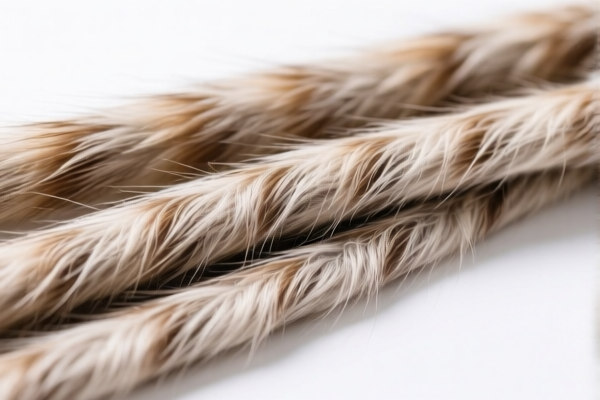
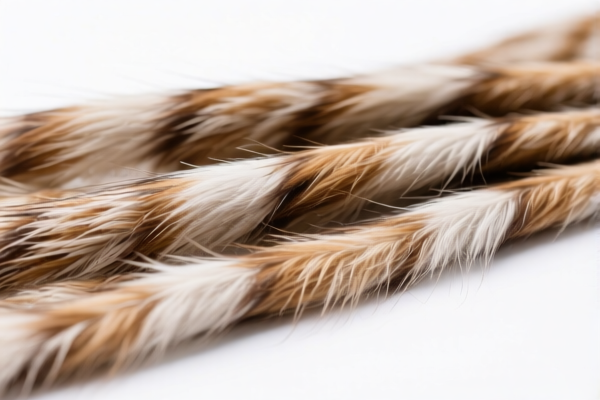
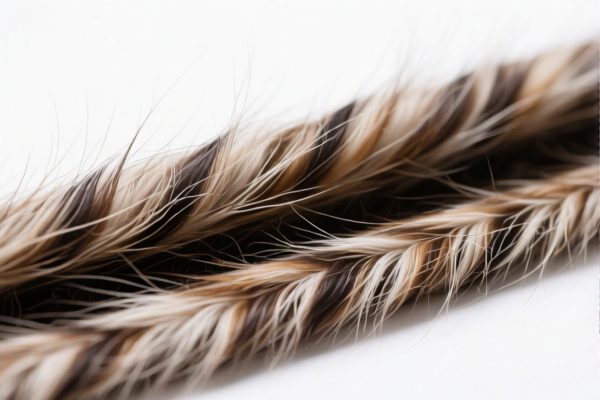
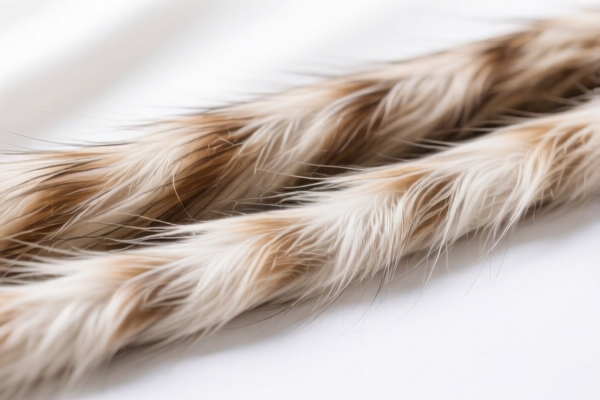
AI Analysis
🧵 Combed Blended Fine Animal Fiber Fabric
🌐 HS Code Reference & Customs Clearance Guide | 2026 Latest Tariff Analysis | Professional Clearance Strategy
📌 I. Product Definition & Classification: What Exactly is "Combed Blended Fine Animal Fiber Fabric"?
"Combed Blended Fine Animal Fiber Fabric" refers to woven textiles made primarily from fine animal fibers (such as cashmere, mohair, vicuña, or fine merino wool) that have undergone the combing process (removing short fibers to align long ones) and are often blended with other fibers (synthetic or other natural fibers).
In international trade, precise classification depends on: 1. Fiber Composition: Is it 100% fine animal fiber, or a blend? 2. Processing State: Is it "combed" (worsted), carded, or felted? 3. Weight/Structure: Grams per square meter (gsm) and weave density.
⚠️ Critical Distinction:
- "Combed" (Worsted): Implies high quality, smooth, strong fibers. Often falls under Heading 5111 or 5112.
- "Blended": If blended with >85% fine animal fiber, it stays in wool headings. If blended with <85%, classification may shift based on the predominant fiber by weight.
- "Fabric" vs. "Yarn": This guide focuses on woven fabric (HS Chapter 51, Heading 5111/5112), not yarn.
📦 II. HS Code Classification Details (2026 Latest Tariff Authority Mapping)
| HS Code | Product Description | Key Classification Criteria | Tax Rate Breakdown |
|---|---|---|---|
5111.19.60.20 |
Fine Animal Fiber Woven Fabric, Not Combed/Not Worsted? (Note: Description says "Uncombed/Uncarded" in summary, but user input is "Combed". See Warning Below) |
- Material: Fine animal fiber - Form: Woven/Fabric - Key Limitation: If the fabric is NOT combed (worsted) but carded, or if it's a specific blend not meeting "combed" criteria in this subheading. |
60.0% • Basic: 25.0% • Section 301: 25.0% • Section 122: 10% |
5112.11.60.30 |
Fine Animal Fiber Woven Fabric, Combed (Worsted) | - Material: Combed fine animal fiber (e.g., combed cashmere/mohair) - Form: Woven/Fabric - Key Limitation: Must be combed/worsted yarn fabric. |
60.0% • Basic: 25.0% • Section 301: 25.0% • Section 122: 10% |
5112.19.95.10 |
Other Fine Animal Fiber Woven Fabric, Combed | - Material: Fine animal fiber - Form: Woven/Fabric - Key Limitation: Specific classification limits met (e.g., weight, thread count). Often for high-end blends. |
60.0% • Basic: 25.0% • Section 301: 25.0% • Section 122: 10% |
5111.11.70.30 |
Fine Animal Fiber Woven Fabric, Combed | - Material: Fine animal fiber - Form: Woven/Fabric - Key Limitation: Matches "combed" classification limits for this specific subheading. |
60.0% • Basic: 25.0% • Section 301: 25.0% • Section 122: 10% |
5112.19.60.30 |
Fine Animal Fiber Blended Fabric (>400 g/m²) | - Material: Contains fine animal fiber - Form: Woven/Fabric - Key Limitation: Gram weight > 400 g/m². Heavyweight combed/worsted blends. |
60.0% • Basic: 25.0% • Section 301: 25.0% • Section 122: 10% |
🔍 重点提醒 (Critical Warning):
- The user input is "Combed".
-5111.19.60.20summary says "未梳理过滤" (Uncombed/Uncarded). DO NOT USE THIS CODE IF THE FABRIC IS COMBED.
- For Combed fabrics, prioritize 5112 series codes (5112.11.60.30,5112.19.95.10,5112.19.60.30) or5111.11.70.30if it meets specific "combed" criteria under 5111.
- All listed codes carry a 60% Total Tax Rate.
💰 III. 2026 Latest Tariff Rate Detailed Breakdown (Including Surcharges)
✅ Applicable Country: United States (US)
✅ Origin: China (CN)
✅ Effective Date: Post-2025 policies (Current 2026 Context)
🎯 Universal Tax Structure for Fine Animal Fiber Fabrics (HS 5111/5112)
| Item | Details |
|---|---|
| Base Tariff Rate | 25.0% (Ad Valorem) |
| Section 301 Surcharge | 25.0% (Trade Remedy Duties) |
| Section 122 Surcharge | 10.0% (Presidential Proclamation under Trade Expansion Act) |
| Total Effective Tax Rate | 60.0% |
| Calculation Basis | CIF Value (Cost, Insurance, Freight) × 60% |
| De Minimis Eligibility | ❌ No (Denied) |
| Legal Basis Path | Section 301: 17 CFR 178 → Section 122: 19 USC 2151 → USITC: 5111.1x/5112.1x → FOOTNOTE: 9903.x |
📌 Explanation:
- "Base 25%": Standard MFN (Most Favored Nation) duty for wool/fine animal hair fabrics.
- "Section 301 25%": Trump-era/Biden-administration tariffs on Chinese textiles.
- "Section 122 10%": Additional tariff on certain textile imports.
- Total 60%: This is an extremely high tariff rate, significantly impacting profit margins.
🛠️ IV. Customs Clearance Practical Advice (Battle-Tested Pitfall Guide)
✅ 1. Essential Documentation Checklist
| Document | Required | Notes |
|---|---|---|
| ✅ Fabric Specification Sheet | ✔️ | Must state: Fiber content %, Yarn type (Combed/Carded), Weave type, Weight (gsm). |
| ✅ Laboratory Test Report | ✔️ | Critical: Third-party lab test confirming "Fine Animal Fiber" (e.g., Cashmere >18.5 microns? No, <19 microns). Proof of "Combed" status. |
| ✅ Commercial Invoice | ✔️ | Clear description: "Worsted Fabric, Combed, 100% Cashmere Blend, 450gsm". Avoid vague terms like "Wool Cloth". |
| ✅ Packing List | ✔️ | Include roll length, width, and weight. |
| ✅ Original Bill of Lading | ✔️ | Standard requirement. |
| ✅ Certificate of Origin | ✔️ | To prove CN origin (triggers 60% tax). |
✅ 2. Declaration Tips (Key Mnemonic)
🔥 "Combed vs. Uncarded, Weight Matters, 60% is the Trap!"
| Scenario | Correct HS Code Category | Mistake to Avoid |
|---|---|---|
| 100% Combed Cashmere Fabric | 5112.11.60.30 or 5112.19.95.10 |
Misclassifying as "Carded" (5111) → May trigger inspection for fiber content mismatch. |
| Blended Fabric (>400 gsm) | 5112.19.60.30 |
Ignoring weight limit → If >400gsm, must use this code. |
| Lightweight Combed Blended (<400gsm) | 5112.19.95.10 or 5111.11.70.30 |
Using heavy-weight code → Inaccurate declaration. |
| Uncarded/Cardled Fabric | 5111.19.60.20 |
Calling "Uncarded" fabric "Combed" → Fraud Risk. |
✅ 3. Special Cases Handling
| Situation | Recommendation |
|---|---|
| OEM Custom Fabric | Provide design specs and fiber blend ratio. Customs may require fiber content verification. |
| Mixed Shipments | Separate "Combed" and "Uncarded" fabrics into different line items on invoice. |
| High Value (Cashmere/Vicuña) | Ensure "Fine Animal Fiber" is explicitly stated. Vicuña has stricter quotas/verification. |
| Small Sample Shipments | Still subject to 60% tax. No de minimis exemption for textiles from China. |
🌍 V. Global Market Clearance Comparison (2026 Latest)
| Country/Region | Recommended HS Code | Tariff | Certification | Notes |
|---|---|---|---|---|
| 🇺🇸 USA | 5112.11.60.30 etc. |
60% | None specific, but Fiber Content must be accurate | High tariff barrier. Pre-ruling recommended. |
| 🇨🇳 China | 5112.11.60.30 etc. |
~5-13% | None | Domestic export from China benefits from lower duties. |
| 🇪🇺 EU | 5112.11.00 etc. |
0-12% | OEKO-TEX (Recommended) | No Section 301/122 equivalents. Much lower tax. |
| 🇬🇧 UK | 5112.11.00 etc. |
0-12% | UKCA (For other goods, not fabric) | Post-Brexit tariffs generally low for fabrics. |
| 🇯🇵 Japan | 5112.11.00 etc. |
0-14% | FSC (Wood), but Fabric needs standard compliance | JETRO certified fibers may help. |
📌 Conclusion:
- USA is the most challenging market due to the 60% cumulative tariff.
- EU/UK/Japan are significantly cheaper options for final product assembly or sale.
- Consider supply chain diversification (e.g., fabric made in India/Vietnam) to avoid China-specific surcharges if exporting to US.
📌 VI. Common Errors & Pitfalls (Blood & Tears Lessons)
❌ Error 1: Calling "Carded" fabric "Combed" to try to lower tax?
👉 Result: Customs will test fiber structure. Falsification risk. Tax rate might actually be higher if misdeclared as higher-grade fabric, plus penalties.
❌ Error 2: Ignoring the Gram Weight (>400gsm) for 5112.19.60.30.
👉 Result: If fabric is >400gsm, you MUST use this code. Using a lighter-weight code leads to customs seizure or re-classification + fines.
❌ Error 3: Assuming "Wool Fabric" = Low Tax.
👉 Result: "Fine Animal Fiber" (Cashmere/Mohair) is treated differently than generic sheep wool. Higher duty + Surcharge.
❌ Error 4: Not specifying "Blended" vs. "100%".
👉 Result: Customs may demand expensive lab tests to verify fiber content. Delays of 2-4 weeks.
✅ Correct Practice:
"Woven Fabric, Combed Worsted, 80% Cashmere 20% Nylon, 450 GSM, Light Gray, Roll Length 50 Meters, Model CF-2026"
🎯 VII. Conclusion: Professional Declaration, Save Costs!
🎯 Remember the Mnemonic:
🔹 "Combed goes to 5112, Carded to 5111, Weight matters over 400, 60% tax is the key."
🔹 "HS Code defines destiny, 60% tax is high, declare accurately, avoid delays."
📌 Tips:
- If your fabric contains Vicuña, additional CITES documentation is required.
- For Cashmere, ensure the micron count is verified (usually <19 microns for "Fine").
- Pre-clearance ruling with US CBP is highly recommended for large shipments to avoid unexpected 60% tax assessments.
📣 Immediate Action:
📞 Contact a licensed customs broker + Provide Fiber Test Report + Gram Weight Specification
🚀 Ensure your fabric is smoothly cleared, efficiently exported, and profitably sold!
✨ Professional clearance starts with accurate classification!
💼 Every cent of your cost deserves precise calculation!
Customer Reviews
About HS Code Classification
The Harmonized System (HS) is an internationally standardized nomenclature developed by the World Customs Organization (WCO) to classify traded products. Over 200 countries use the HS system as the basis for customs tariffs, trade statistics, and import/export regulations.
Each HS code follows a hierarchical structure:
- Chapter (2 digits) — Broad category of goods (e.g., Chapter 84: Machinery and Mechanical Appliances)
- Heading (4 digits) — More specific grouping within the chapter
- Subheading (6 digits) — Internationally standardized breakdown, used by all WCO member countries
- National subdivisions (8-10 digits) — Country-specific extensions for further classification, such as US HTSUS 10-digit codes
Correct HS code classification is essential for smooth customs clearance, accurate duty payment, and compliance with trade regulations. Misclassification can lead to customs delays, overpayment of duties, or penalties.
When importing from CN to US, the applicable tariff rates may include:
- Most-Favored-Nation (MFN) rate — The standard duty rate applied to WTO members
- General rate — Applied to countries without trade agreements
- Trade remedy duties — Additional tariffs such as Section 301 (anti-dumping), Section 232 (national security), or countervailing duties
The information provided on this page is for reference purposes only. For official classification, please consult with your local customs authority or a licensed customs broker.