Cotton Handbag (for Travel)
CN → US| HS Code | Tariff Rate | Origin | Destination | Doc |
|---|---|---|---|---|
| 4202923900 | 52.6% | CN | US | Official Doc |
| 4202921500 | 41.3% | CN | US | Official Doc |
| 6305200000 | 23.7% | CN | US | Official Doc |
| 6305900000 | 23.7% | CN | US | Official Doc |
| 6307909891 | 24.5% | CN | US | Official Doc |
Product Images
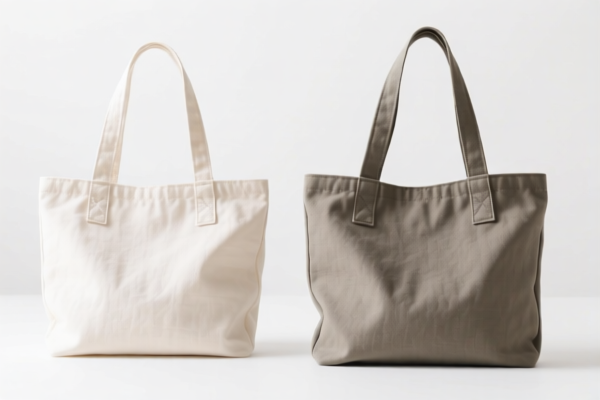
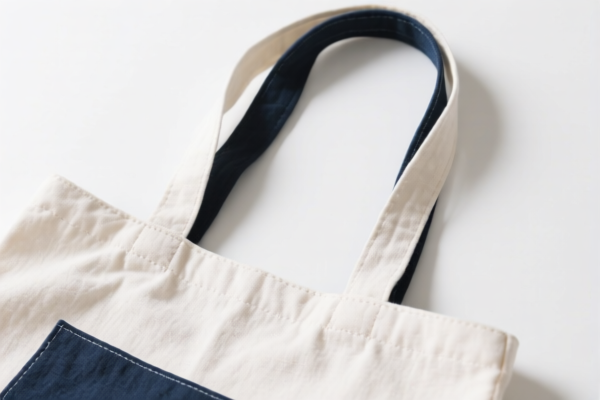
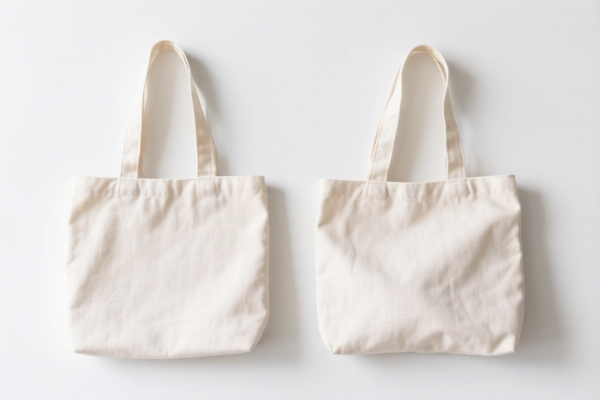
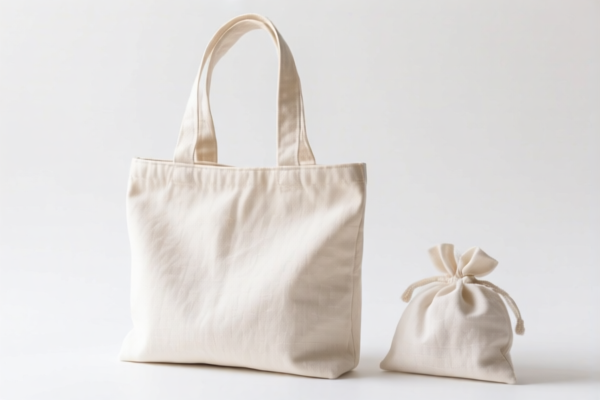
AI Analysis
👜 Cotton Travel Handbag (Cotton Bag for Travel)
🌐 HS Code Reference & Customs Clearance Guide | 2026 Latest Tariff Analysis | Strategic Customs Strategies
📌 I. Product Definition & Classification: What Exactly is a "Cotton Travel Handbag"?
A Cotton Travel Handbag is a versatile accessory designed for carrying personal items during transit. In international trade, it is primarily categorized based on two key factors: 1. Material: The outer surface is made of textile materials, specifically Cotton. 2. Purpose: It is designed for travel, sports, or daily use.
⚠️ Critical Distinction Point:
- If the bag is specifically shaped and marketed as a Travel Bag (with zippers, handles, or shoulder straps designed for carrying personal effects during travel) → It falls under Chapter 42 (Articles of leather or of composition leather; travel goods, handbags and similar containers). - If the bag is a generic Sack or Bag primarily used for packaging or storage (not specifically shaped for travel/personal use) → It may fall under Chapter 63 (Other made up textile articles; sets; worn clothing and clothing accessories, knit or crochet; rags). - Crucial Note: The term "Travel Bag" strongly suggests Chapter 42, but customs may scrutinize the specific design to ensure it’s not a generic "shopping bag" or "produce sack."
📦 II. HS Code Classification Details (2026 Latest Tariff Authority Comparison)
The provided data identifies five potential HS Codes. Below is a detailed breakdown of why each applies and its tax implications.
| HS Code | Product Description | Matching Logic (Based on Data) | Total Tax Rate |
|---|---|---|---|
4202.92.39.00 |
Travel Bag (Cotton) | ✅ Match Success: Purpose is "Travel Bag," outer surface is "Cotton" (textile). Fits "Other travel, sports & similar bags with outer surface of textile materials." | 52.6% |
4202.92.15.00 |
Travel Bag (Cotton) | ✅ Match Success: 'Cotton' = "Cotton-made"; 'Travel Bag' = "Travel Bag." Perfect match for material & purpose limitations. | 41.3% |
6305.20.00.00 |
Sacks & Bags (Cotton) | ✅ Match Success: Form is "Bag," material is "Cotton." Fits "Cotton-made sacks and bags." | 23.7% |
6305.90.00.00 |
Other Sacks & Bags (Textile) | ✅ Match Success: 'Cotton' fits "Other textile materials"; 'Bag' fits "Sacks and bags." Reasonable inference for non-specific travel bags. | 23.7% |
6307.90.98.91 |
Other Made-up Articles | ✅ Match Success: Finished consumer good ("Bag"). Fits "Other made-up articles." No material conflict with cotton. | 24.5% |
🔍 Key Insight:
- Chapter 42 Codes (4202.92...) are generally preferred for purpose-built travel bags. However, they carry significantly higher tariffs (41.3% - 52.6%) due to additional duties. - Chapter 63 Codes (6305...,6307...) are often used for generic textile bags. They offer lower total tax rates (23.7% - 24.5%) but may be challenged if the bag is clearly designed for travel (e.g., has shoulder straps, specific compartments for passports/wallets).
💰 III. 2026 Latest Tariff Rate Breakdown (Including Surcharges & Policy Add-ons)
✅ Applicable Country: United States (US)
✅ Origin: China (CN)
✅ Effective Date: From November 10, 2025 (including subsequent imports)
🎯 1. 4202.92.39.00 – Travel Bag (Cotton) – High Tariff Tier
| Item | Content |
|---|---|
| Base Tariff | 17.6% |
| Section 301 Surcharge | 25.0% |
| IEEPA Surcharge (Section 122) | 10% |
| Total Tax Rate | 52.6% |
| Tax Calculation | CIF Value × 52.6% |
| De Minimis Exemption | ❌ Not Eligible (deny_de_minimis) |
| Legal Basis Path | USITC:4202.92.39.00 → 301:8524.11.10.00 (General Footnote) → IEEPA:9903.01.25 |
📌 Explanation:
- Base 17.6%: Standard US MFN rate for textile travel bags. - 25% Section 301: Additional tariff on Chinese textile goods. - 10% IEEPA: Additional tariff under International Emergency Economic Powers Act. - Total 52.6%: This is a very high tariff burden. Importers must carefully calculate landed costs.
🎯 2. 4202.92.15.00 – Travel Bag (Cotton) – Medium-High Tariff Tier
| Item | Content |
|---|---|
| Base Tariff | 6.3% |
| Section 301 Surcharge | 25.0% |
| IEEPA Surcharge (Section 122) | 10% |
| Total Tax Rate | 41.3% |
| Tax Calculation | CIF Value × 41.3% |
| De Minimis Exemption | ❌ Not Eligible (deny_de_minimis) |
| Legal Basis Path | USITC:4202.92.15.00 → 301:8524.11.10.00 (General Footnote) → IEEPA:9903.01.24 |
📌 Note:
- This code has a lower base rate (6.3%) compared to4202.92.39.00 (17.6%), likely due to specific sub-classification nuances (e.g., specific type of cotton or bag construction). - Savings: 11.3% lower total tax than4202.92.39.00. Still a significant cost, but better than the highest tier.
🎯 3. 6305.20.00.00 – Cotton Sacks & Bags – Low Tariff Tier
| Item | Content |
|---|---|
| Base Tariff | 6.2% |
| Section 301 Surcharge | 7.5% |
| IEEPA Surcharge (Section 122) | 10% |
| Total Tax Rate | 23.7% |
| Tax Calculation | CIF Value × 23.7% |
| De Minimis Exemption | ❌ Not Eligible (deny_de_minimis) |
| Legal Basis Path | USITC:6305.20.00.00 → 301:8524.11.10.00 (General Footnote) → IEEPA:9903.01.25 |
📌 Explanation:
- Base 6.2%: Standard rate for cotton sacks/bags. - 7.5% Section 301: Lower surcharge compared to Chapter 42 codes (25%). This is a critical difference! - Total 23.7%: More than 50% cheaper than Chapter 42 codes. - Risk: Customs may reclassify if the bag is clearly a "travel bag" (Chapter 42) rather than a "sack/bag" (Chapter 63). Justify as a "generic textile bag" if possible.
🎯 4. 6305.90.00.00 – Other Textile Sacks & Bags – Low Tariff Tier
| Item | Content |
|---|---|
| Base Tariff | 6.2% |
| Section 301 Surcharge | 7.5% |
| IEEPA Surcharge (Section 122) | 10% |
| Total Tax Rate | 23.7% |
| Tax Calculation | CIF Value × 23.7% |
| De Minimis Exemption | ❌ Not Eligible (deny_de_minimis) |
| Legal Basis Path | USITC:6305.90.00.00 → 301:8524.11.10.00 (General Footnote) → IEEPA:9903.01.25 |
📌 Note:
- Same tax rate as6305.20.00.00. Use this if the bag is made of "other textile materials" or if6305.20is not strictly applicable. The key is the low 7.5% Section 301 rate.
🎯 5. 6307.90.98.91 – Other Made-Up Articles – Low Tariff Tier
| Item | Content |
|---|---|
| Base Tariff | 7.0% |
| Section 301 Surcharge | 7.5% |
| IEEPA Surcharge (Section 122) | 10% |
| Total Tax Rate | 24.5% |
| Tax Calculation | CIF Value × 24.5% |
| De Minimis Exemption | ❌ Not Eligible (deny_de_minimis) |
| Legal Basis Path | USITC:6307.90.98.91 → 301:8524.11.10.00 (General Footnote) → IEEPA:9903.01.24 |
📌 Explanation:
- Base 7.0%: Slightly higher base than6305but same surcharge structure. - Total 24.5%: Comparable to6305codes. - Strategy: This is a "catch-all" for made-up textile articles. Use if the bag doesn't fit neatly into "sacks/bags" but is still a generic textile product.
🛠️ IV. Customs Clearance Practical Advice (Battle-Tested Pitfall Avoidance Guide)
✅ 1. Preparation Checklist (Non-Negotiable)
| Document | Required | Explanation |
|---|---|---|
| ✅ Product Specification Sheet | ✔️ | Detail dimensions, closure types, number of compartments, strap lengths. |
| ✅ High-Resolution Photos | ✔️ | Show front, back, interior, labels, and material composition tag (must say "100% Cotton" or similar). |
| ✅ Commercial Invoice | ✔️ | Clearly state "Cotton Travel Bag" or "Cotton Storage Bag." Avoid ambiguous terms. |
| ✅ Packing List | ✔️ | Ensure weight and dimensions match invoice. |
| ✅ Origin Certificate | ✔️ | Confirm origin is China to apply correct 301/IEEPA rates. |
✅ 2. Declaration Strategy (Key Mnemonic)
🔥 "Define Use, Define Material, Avoid Ambiguity!"
| Scenario | Recommended HS Code | Reasoning |
|---|---|---|
| Clearly for Travel (straps, compartments, travel branding) | 4202.92.15.00 or 4202.92.39.00 |
Fits "Travel Bag" definition. Higher tax, but lower risk of misclassification penalty. |
| Generic Bag (tote, shopping, loose bag, no specific travel features) | 6305.20.00.00 or 6305.90.00.00 |
Fits "Sack/Bag" definition. Lower tax (23.7%). Must justify as non-travel-specific. |
| Unstructured/Accessory Bag (pouch, accessory organizer) | 6307.90.98.91 |
Fits "Other made-up articles." Lower tax (24.5%). |
📌 Critical Tip:
- If you declare as6305(Sack/Bag) but the bag has shoulder straps, zippers, and travel-specific pockets, Customs may reclassify it to4202, resulting in back taxes of ~30% (41.3% - 11.3% base difference) plus penalties. - Recommendation: If the bag is truly for travel, use4202.92.15.00(41.3%) as it offers the best balance of compliance and cost. Avoid4202.92.39.00(52.6%) unless necessary.
✅ 3. Special Cases
| Scenario | Handling Advice |
|---|---|
| OEM Custom Travel Bags | Provide design sketches to prove "Travel" intent if using Chapter 42. |
| "Luggage" vs. "Handbag" | If large enough to be considered luggage, it may fall under 4202.12 (with outer surface of plastic sheeting) or 4202.22 (leather). For cotton, stick to 4202.92. |
| Sample Shipments | Even samples are subject to de minimis rules. Note: All codes above deny de minimis exemption (deny_de_minimis). You must pay duties even on samples. |
🌍 V. Global Market Comparison (2026 Latest)
| Country/Region | Recommended HS Code | Tariff (China Origin) | Certification | Remarks |
|---|---|---|---|---|
| 🇺🇸 USA | 6305.20.00.00 |
23.7% | None specific | Lowest cost if classified as sack/bag. |
| 🇺🇸 USA | 4202.92.15.00 |
41.3% | None specific | Higher cost for travel bags. |
| 🇨🇳 China | 4202.92.39.00 |
~10-15% (Est.) | CCC (if applicable) | Import duties may differ. |
| 🇪🇺 EU | 4202.92.39.00 |
~12% | CE (if toy-like) | No Section 301/IEEPA. |
| 🇬🇧 UK | 4202.92.39.00 |
~12% | UKCA | Post-Brexit rules. |
📌 Conclusion:
- USA is the most challenging market due to high additional tariffs (Section 301 + IEEPA). - Strategy: Minimize risk by accurately describing the product. If it’s a simple cotton bag, lean towards6305(23.7%). If it’s a dedicated travel bag, accept4202.92.15.00(41.3%). Avoid the highest tier (4202.92.39.00) unless no other fit exists.
📌 VI. Common Errors & Pitfall Guide (Blood Lessons)
❌ Error 1: Declaring a Travel Bag as a "Cotton Sack" (6305) to save taxes.
👉 Consequence: Customs reclassification to 4202. Back taxes + penalties. Risk of audit.
❌ Error 2: Ignoring IEEPA 10% and Section 301 rates.
👉 Consequence: Profit margin erased. A 20% profit margin bag becomes a loss-making item with 41-52% taxes.
❌ Error 3: Assuming De Minimis applies.
👉 Consequence: All codes above deny de minimis. Even small shipments will incur duties. Factor this into B2B pricing.
❌ Error 4: Using vague descriptions like "Textile Bag".
👉 Consequence: Customs may select the highest applicable rate or demand detailed documentation.
✅ Correct Approach:
"100% Cotton Cotton Canvas Travel Tote Bag, with Zipper Closure and Shoulder Straps, for Personal Travel Use, Model XYZ"
🎯 VII. Conclusion: Precision in Classification, Profit in Clearance!
🎯 Remember the Mnemonic:
🔹 "Travel Bag = Chapter 42 (Higher Tax, Lower Risk)"
🔹 "Generic Bag = Chapter 63 (Lower Tax, Higher Risk)"
🔹 "No De Minimis = Pay Up on Every Shipment!"
🔹 "41.3% is the Sweet Spot for Compliance!"
📌 Pro Tip:
- If your bag is simple (no complex travel features), consider declaring it as a Cotton Sack/Bag (
6305.20.00.00) at 23.7%.- If it is clearly for travel, use
4202.92.15.00at 41.3%.- Avoid
4202.92.39.00unless specifically required, as it is 52.6%.
📣 Immediate Action:
📞 Consult a Customs Broker for a Pre-Ruling if unsure about classification.
🚀 Optimize your product description to match the intended HS Code.
💼 Your bottom line depends on these 301/IEEPA percentages!
✨ Professional Customs Clearance Starts with Accurate Classification!
💼 Every Percent Counts!
Customer Reviews
About HS Code Classification
The Harmonized System (HS) is an internationally standardized nomenclature developed by the World Customs Organization (WCO) to classify traded products. Over 200 countries use the HS system as the basis for customs tariffs, trade statistics, and import/export regulations.
Each HS code follows a hierarchical structure:
- Chapter (2 digits) — Broad category of goods (e.g., Chapter 84: Machinery and Mechanical Appliances)
- Heading (4 digits) — More specific grouping within the chapter
- Subheading (6 digits) — Internationally standardized breakdown, used by all WCO member countries
- National subdivisions (8-10 digits) — Country-specific extensions for further classification, such as US HTSUS 10-digit codes
Correct HS code classification is essential for smooth customs clearance, accurate duty payment, and compliance with trade regulations. Misclassification can lead to customs delays, overpayment of duties, or penalties.
When importing from CN to US, the applicable tariff rates may include:
- Most-Favored-Nation (MFN) rate — The standard duty rate applied to WTO members
- General rate — Applied to countries without trade agreements
- Trade remedy duties — Additional tariffs such as Section 301 (anti-dumping), Section 232 (national security), or countervailing duties
The information provided on this page is for reference purposes only. For official classification, please consult with your local customs authority or a licensed customs broker.