Cotton Linters Pulp
CN → US| HS Code | Tariff Rate | Origin | Destination | Doc |
|---|---|---|---|---|
| 4706100000 | 35.0% | CN | US | Official Doc |
| 3912900090 | 40.2% | CN | US | Official Doc |
| 3912900010 | 40.2% | CN | US | Official Doc |
Product Images
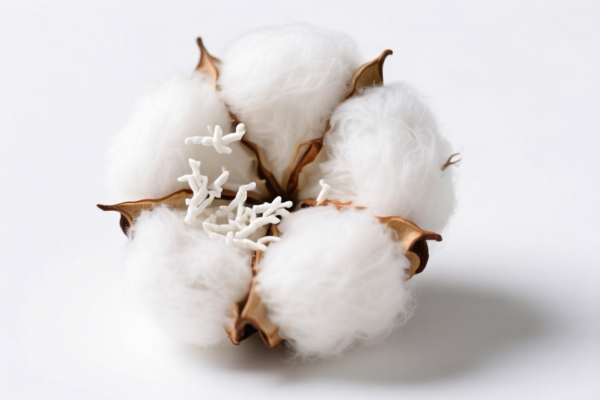
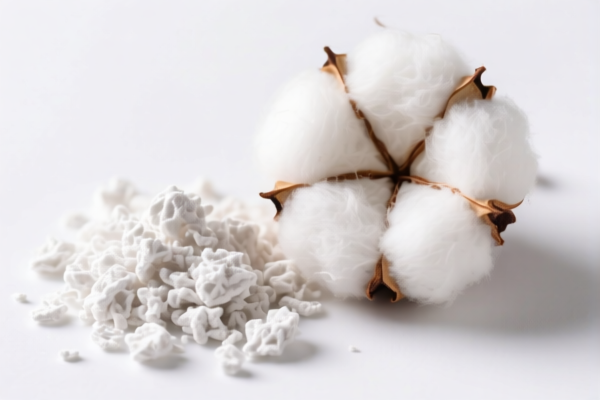
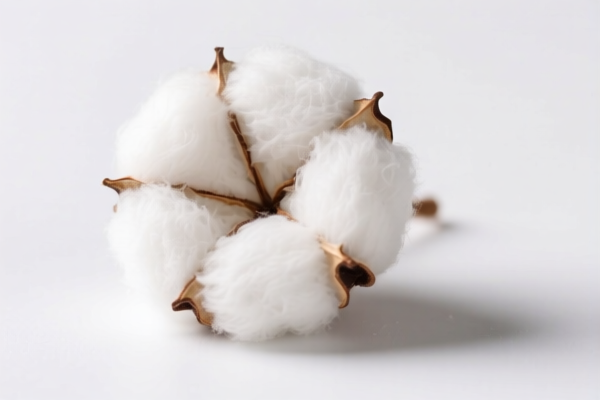
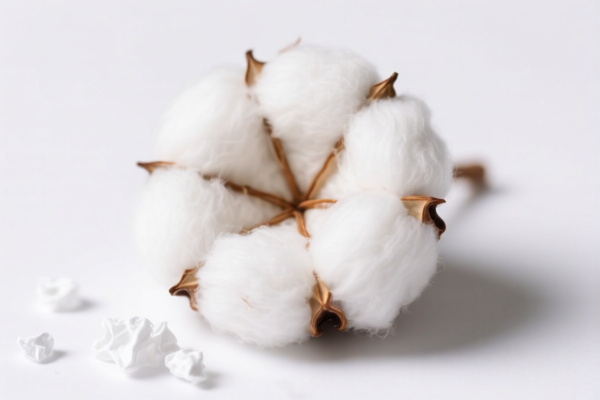
AI Analysis
🌿 Cotton Linters Pulp (棉短绒浆)
🌐 HS Code Reference & Customs Clearance Guide | 2026 Latest Tariff Analysis | Professional Entry Strategy
📌 Part 1: Product Definition & Classification: Do You Truly Understand "Cotton Linters Pulp"?
Cotton Linters Pulp is a raw material derived from cotton seeds after the long staple fibers are removed. It consists primarily of short cellulose fibers (linters) and is used as a precursor for producing viscose rayon, cellophane, and high-purity cellulose derivatives. In international trade, its classification hinges on whether it is classified as a vegetable fiber pulp (Chapter 47) or a refined cellulose derivative (Chapter 39).
The Critical Distinction:
Vegetable Pulp (Chapter 47): If the material is chemically processed but still retains the fundamental characteristics of vegetable fiber pulp (e.g., mechanically or chemically pulped linters intended for further processing into paper or viscose base).
* Cellulose Derivatives (Chapter 39)*: If the linters have been chemically modified, refined, or processed into a form that is no longer a "vegetable pulp" but rather a "primary form" of a cellulose derivative (e.g., powder, granules, or specialized refined cellulose).
⚠️ Key Classification Point:
- If it is standard pulped cotton linters used for viscose/paper production → Often classified under 4706 (Pulps from vegetable textile fibers).
- If it is highly refined, powdered, or specialized cellulose (non-fibrous/primary form) → Often classified under 3912 (Cellulose and its chemical derivatives).
📦 Part 2: HS Code Classification Details (2026 Latest Tariff Authority Comparison)
Based on the provided data, here are the two potential classifications and their rationales:
| HS Code | Product Description | Classification Logic | Material/Form Match |
|---|---|---|---|
4706.10.00.00 |
Cotton Linters Pulp (Vegetable Fiber Pulp) | Classified as pulps from vegetable textile fibers. Matches the material (cotton linters) and form (pulp) exactly. | ✅ Perfect Match: Material is cotton linters; Form is pulp. |
3912.90.00.90 |
Cotton Linters Pulp (Cellulose Derivative) | Classified as other cellulose and its derivatives. Cotton (cellulose derivative) in primary/original form. | ✅ Valid: Matches "primary/original form" of cellulose derivative. |
3912.90.00.10 |
Cotton Linters Pulp (Cellulose Derivative) | Classified as other cellulose derivatives. Pulp corresponds to powder/primary form; cotton as natural source, no material conflict. | ✅ Valid: Matches "powder/primary form" and natural cellulose source. |
🔍 Key Insight:
- The difference lies in the degree of processing and the physical form (fibrous pulp vs. powder/primary derivative). -4706.10.00.00is the most direct classification for standard "pulp." -3912.90.xx.xxapplies if the product is considered a refined cellulose derivative in primary form (e.g., powder).
💰 Part 3: 2026 Latest Tariff Rate Breakdown (Including Surtaxes & Policy Add-ons)
✅ Applicable Country: United States (US)
✅ Origin: China (CN)
✅ Effective Date: Includes subsequent imports under current trade policies
🎯 1. 4706.10.00.00 —— Cotton Linters Pulp (Vegetable Fiber Pulp)
| Item | Content |
|---|---|
| Base Tariff | 0.0% (ad valorem) |
| Section 301 Surtax | +25.0% (Additional duty under USITC Footnote 9903.88.01) |
| Section 122 Tariff | +10.0% (Additional duty under IEEPA for Chinese products) |
| Total Tariff Rate | 35.0% |
| Tax Calculation | CIF Value × 35% |
| De Minimis Eligibility | ❌ Not Eligible (deny_de_minimis) |
| Legal Basis Path | IEEPA:9903.01.25 → IEEPA:9903.01.24 → USITC:4706.10.00.00 → FOOTNOTE:9903.88.01 |
📌 Explanation:
- The 25% surtax is imposed under the U.S. Trade Act Section 301, targeting specific Chinese industrial inputs. - The 10% surtax is imposed under IEEPA Section 122, often applied to strategic materials or specific Chinese exports. - Total 35%: A significant cost factor. Must be factored into landed cost calculations.
🎯 2. 3912.90.00.90 —— Cotton Linters Pulp (Cellulose Derivative)
| Item | Content |
|---|---|
| Base Tariff | 5.2% (ad valorem) |
| Section 301 Surtax | +25.0% |
| Section 122 Tariff | +10.0% |
| Total Tariff Rate | 40.2% |
| Tax Calculation | CIF Value × 40.2% |
| De Minimis Eligibility | ❌ Not Eligible (deny_de_minimis) |
| Legal Basis Path | IEEPA:9901.25 → IEEPA:9903.01.24 → USITC:3912.90.00.90 → FOOTNOTE:9903.88.01 |
📌 Note:
- This classification applies if the linters are treated as a "cellulose derivative" in primary form. - The base rate is higher (5.2%) compared to Chapter 47 (0%), leading to a higher total tax burden (40.2% vs. 35.0%).
🎯 3. 3912.90.00.10 —— Cotton Linters Pulp (Cellulose Derivative)
| Item | Content |
|---|---|
| Base Tariff | 5.2% |
| Section 301 Surtax | +25.0% |
| Section 122 Tariff | +10.0% |
| Total Tariff Rate | 40.2% |
| Tax Calculation | CIF Value × 40.2% |
| De Minimis Eligibility | ❌ Not Eligible (deny_de_minimis) |
| Legal Basis Path | IEEPA:9901.25 → IEEPA:9903.01.24 → USITC:3912.90.00.10 → FOOTNOTE:9903.88.01 |
📌 Note:
- Similar to3912.90.00.90, this subheading is for other cellulose derivatives. - Identical tax burden to3912.90.00.90.
🛠️ Part 4: Customs Clearance Practical Advice (Battle-Tested Pitfall Avoidance Guide)
✅ 1. Required Documentation Checklist (All Mandatory)
| Document | Mandatory | Description |
|---|---|---|
| ✅ Product Specification Sheet | ✔️ | Details: Origin, chemical composition (cellulose content), physical form (fibrous/powder), intended use. |
| ✅ Certificate of Origin (CO) | ✔️ | Critical for confirming Chinese origin to apply surtaxes correctly; check for preferential rules if transshipped. |
| ✅ Commercial Invoice | ✔️ | Must clearly describe the product as "Cotton Linters Pulp" and specify HS Code. |
| ✅ Packing List | ✔️ | Net weight vs. Gross weight; crucial for duty calculation. |
| ✅ Test Report / Lab Analysis | ✔️ | Proves whether the product is "vegetable pulp" (Chapter 47) or "cellulose derivative" (Chapter 39). |
| ✅ Bill of Lading (B/L) | ✔️ | Standard shipping document. |
✅ 2. Declaration Tips (Key Mnemonic)
🔥 "Fibrous Pulp → 4706; Refined Powder → 3912. Lower Rate Wins!"
| Scenario | Correct Declaration | Wrong Approach |
|---|---|---|
| Standard fibrous cotton linters pulp for viscose production | 4706.10.00.00 |
Misdeclare as 3912 → 40.2% tax (higher) |
| Powdered or highly refined cellulose from linters | 3912.90.00.10 or 3912.90.00.90 |
Misdeclare as 4706 → Customs seizure/fine for incorrect classification |
| Mixed shipments (pulp + derivatives) | Split申报 | Consolidate into one HS code → Audit risk |
✅ 3. Special Case Handling
| Situation | Handling Advice |
|---|---|
| OEM Custom Pulp | Provide customer specs + lab reports to prove classification. Avoid vague terms like "textile raw material." |
| Powder vs. Fibrous | If the product is powdered, it strongly leans towards 3912. If fibrous, 4706 is safer. Use photos in documentation. |
| Hydrogenated Linters | If chemically modified beyond standard pulping, it may fall under 3912. Consult a customs broker. |
| Transshipment | If shipped from Vietnam/Malaysia with Chinese origin, the US origin rules still apply, and surtaxes remain. |
🌍 Part 5: Global Market Clearance Comparison (2026 Latest)
| Country/Region | Recommended HS Code | Tariff (China Origin) | Certification Requirements | Notes |
|---|---|---|---|---|
| 🇺🇸 USA | 4706.10.00.00 |
35.0% | No special certs | Highest duty among options. |
| 🇺🇸 USA | 3912.90.xx.xx |
40.2% | No special certs | Avoid if 4706 is applicable. |
| 🇨🇳 China | 4706.10.00.00 |
~6-10% | CCC (if applicable) | Lower domestic duty. |
| 🇪🇺 EU | 4706.10.00.00 |
0% (MFN) | REACH Registration | No surtaxes. |
| 🇦🇺 Australia | 4706.10.00.00 |
5% | None | Moderate duty. |
📌 Conclusion:
- USA is the most expensive market for Cotton Linters Pulp due to Section 301 and Section 122 surtaxes. - Choosing4706.10.00.00saves 5.2% in base tariff compared to Chapter 39, resulting in a 35.0% vs. 40.2% total duty difference. - EU and China offer significantly lower duty burdens.
📌 Part 6: Common Errors & Pitfall Guide (Lessons Learned)
❌ Error 1: Declaring powdered linters as 4706 (Fibrous Pulp)
👉 Consequence: Customs may reject, demand reclassification to 3912, or impose fines for misdeclaration.
❌ Error 2: Declaring fibrous pulp as 3912 (Cellulose Derivative)
👉 Consequence: Unnecessarily paying 40.2% instead of 35.0% → Cost increase!
❌ Error 3: Ignoring Section 122 (10%) surtax in cost calculations
👉 Consequence: Profit margin erosion; unexpected landed cost spikes.
❌ Error 4: Using vague descriptions like "Cotton Pulp" without specifying form (fibrous vs. powder)
👉 Consequence: Customs delays, requests for additional information, potential audits.
✅ Correct Practice:
“Cotton Linters Pulp, Fibrous Form, Cellulose Content >90%, For Viscose Production, HS Code: 4706.10.00.00”
🎯 Part 7: Conclusion: Precise Classification Saves Money!
🎯 Remember the Mnemonic:
🔹 “Fibrous Pulp → 4706 (35%); Powdered/Refined → 3912 (40.2%); Save 5.2% Base Tax!”
🔹 “HS Code determines tax destiny; a 5.2% base difference changes everything!”
📌 Pro Tip:
If your linters are partially refined or have a mixed form, provide detailed lab reports and photographs to support the 4706 classification.
Consider applying for an Advance Ruling from U.S. Customs to mitigate classification risk.
📣 Immediate Action:
📞 Engage a licensed customs broker + Provide product photos + Submit for HS Code Advance Ruling
🚀 Ensure smooth clearance, maximize profit margins, and stay compliant!
✨ Professional clearance starts with precise classification!
💼 Every cent of duty costs deserves precise calculation!
Customer Reviews
About HS Code Classification
The Harmonized System (HS) is an internationally standardized nomenclature developed by the World Customs Organization (WCO) to classify traded products. Over 200 countries use the HS system as the basis for customs tariffs, trade statistics, and import/export regulations.
Each HS code follows a hierarchical structure:
- Chapter (2 digits) — Broad category of goods (e.g., Chapter 84: Machinery and Mechanical Appliances)
- Heading (4 digits) — More specific grouping within the chapter
- Subheading (6 digits) — Internationally standardized breakdown, used by all WCO member countries
- National subdivisions (8-10 digits) — Country-specific extensions for further classification, such as US HTSUS 10-digit codes
Correct HS code classification is essential for smooth customs clearance, accurate duty payment, and compliance with trade regulations. Misclassification can lead to customs delays, overpayment of duties, or penalties.
When importing from CN to US, the applicable tariff rates may include:
- Most-Favored-Nation (MFN) rate — The standard duty rate applied to WTO members
- General rate — Applied to countries without trade agreements
- Trade remedy duties — Additional tariffs such as Section 301 (anti-dumping), Section 232 (national security), or countervailing duties
The information provided on this page is for reference purposes only. For official classification, please consult with your local customs authority or a licensed customs broker.